Der vordere Langbathsee mit dem Höllengebirge — History & Analysis
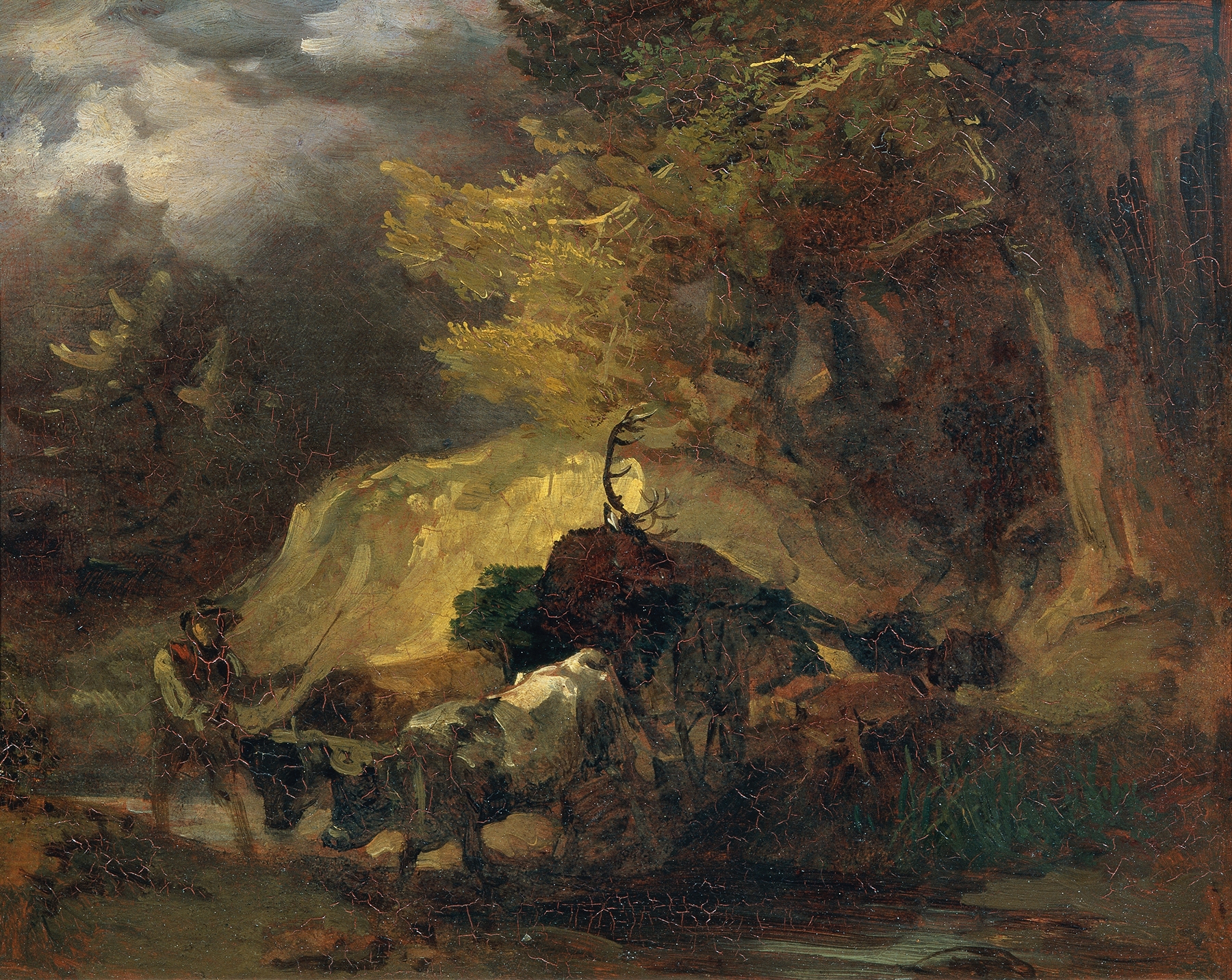
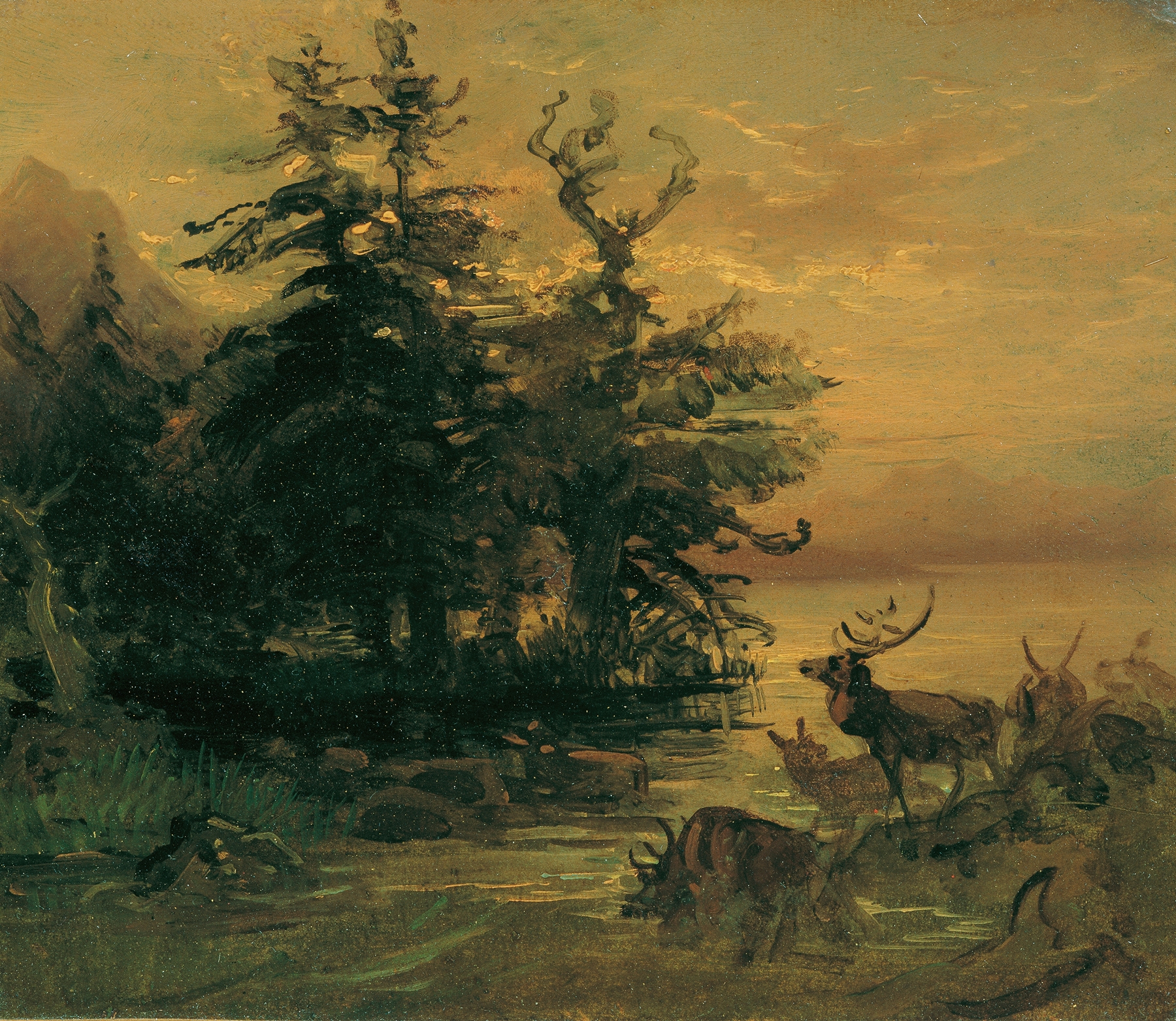
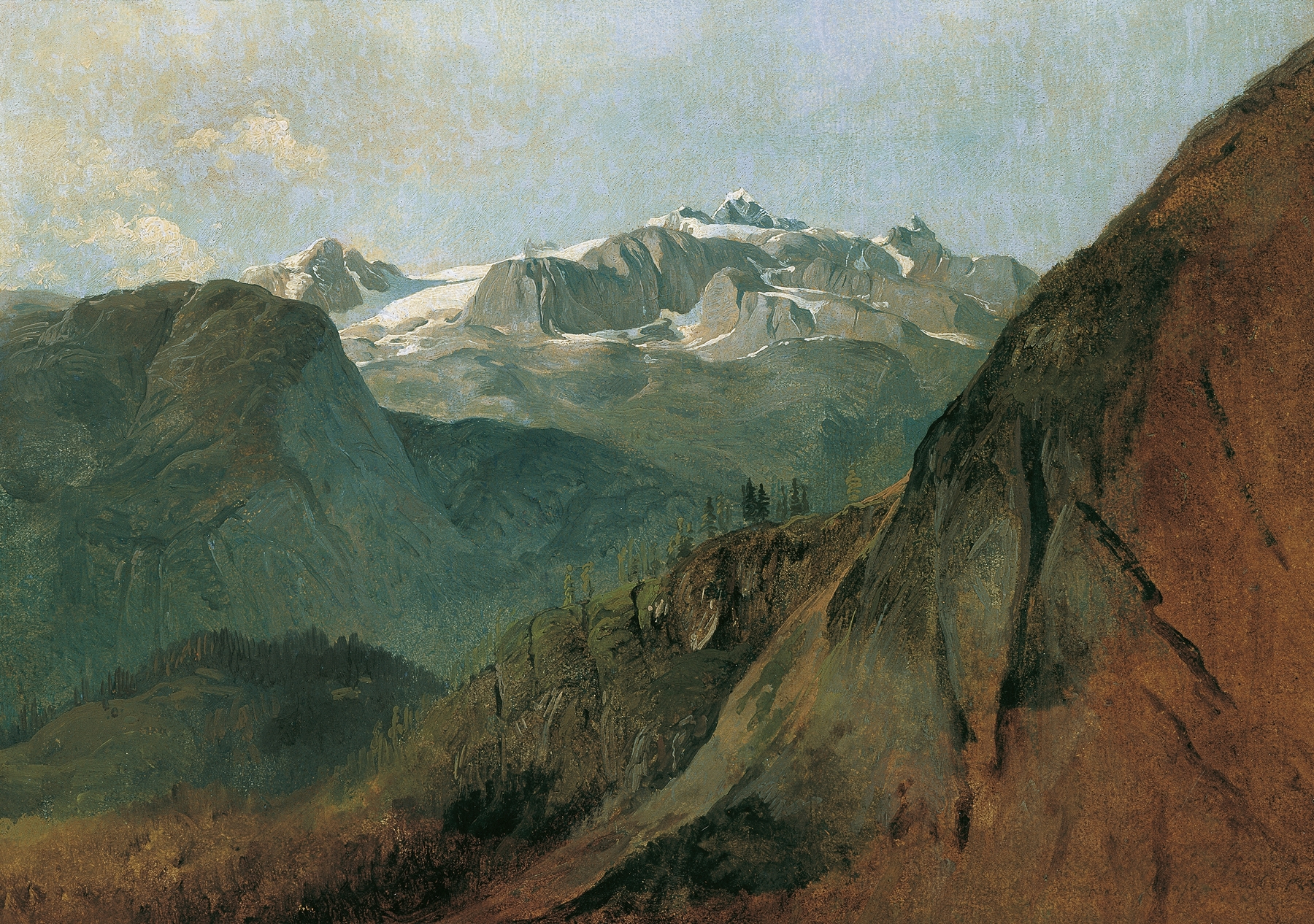
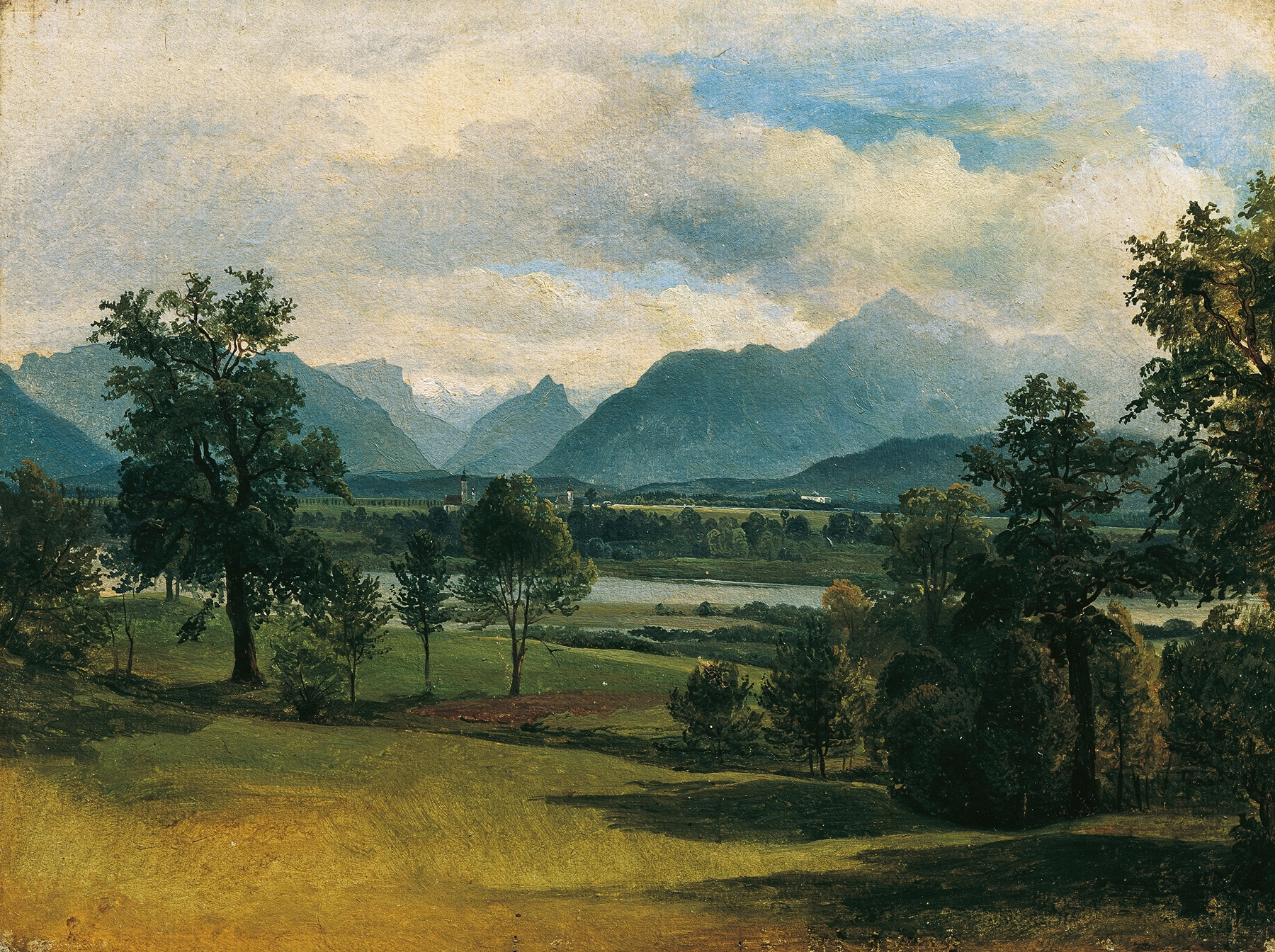
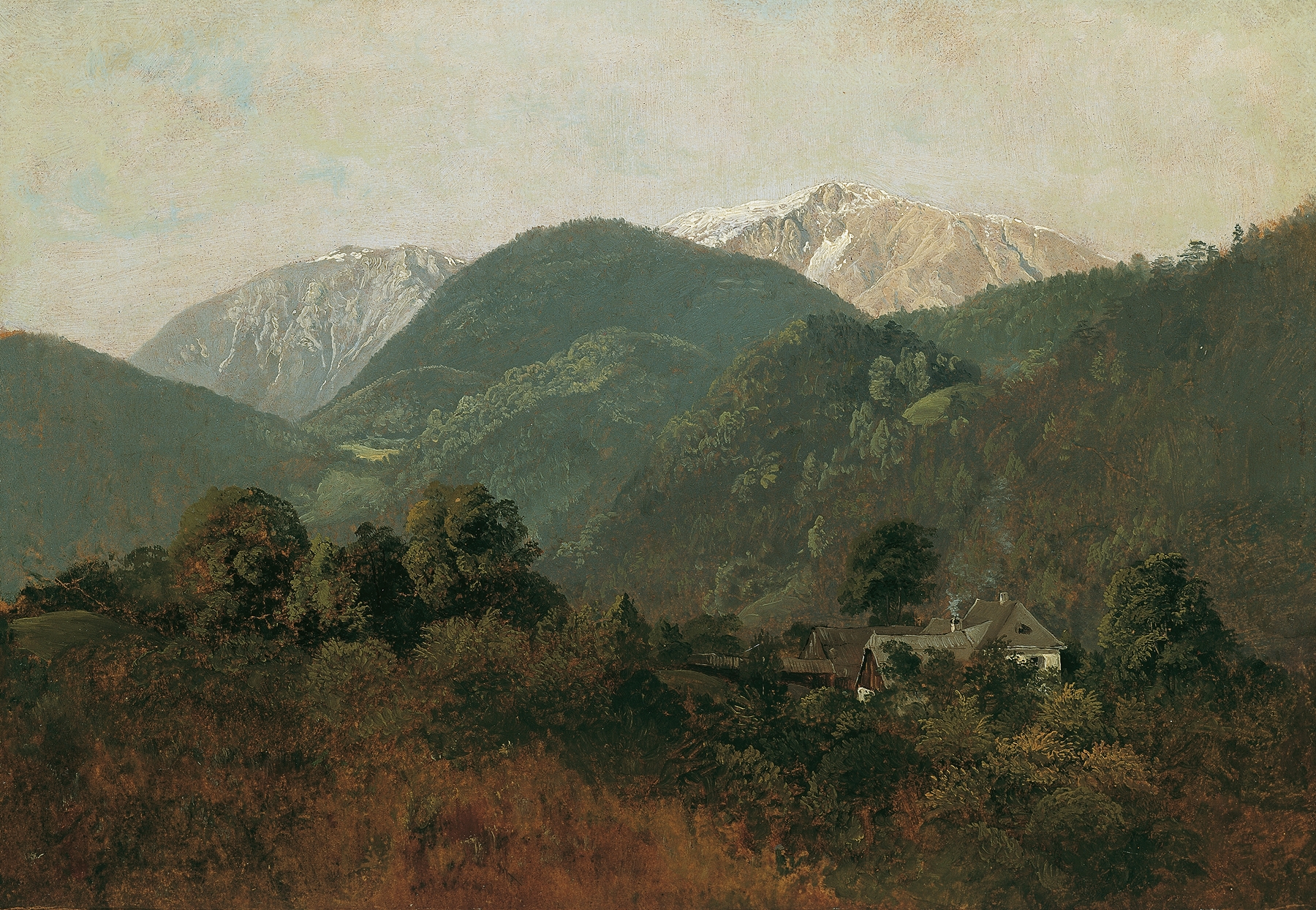
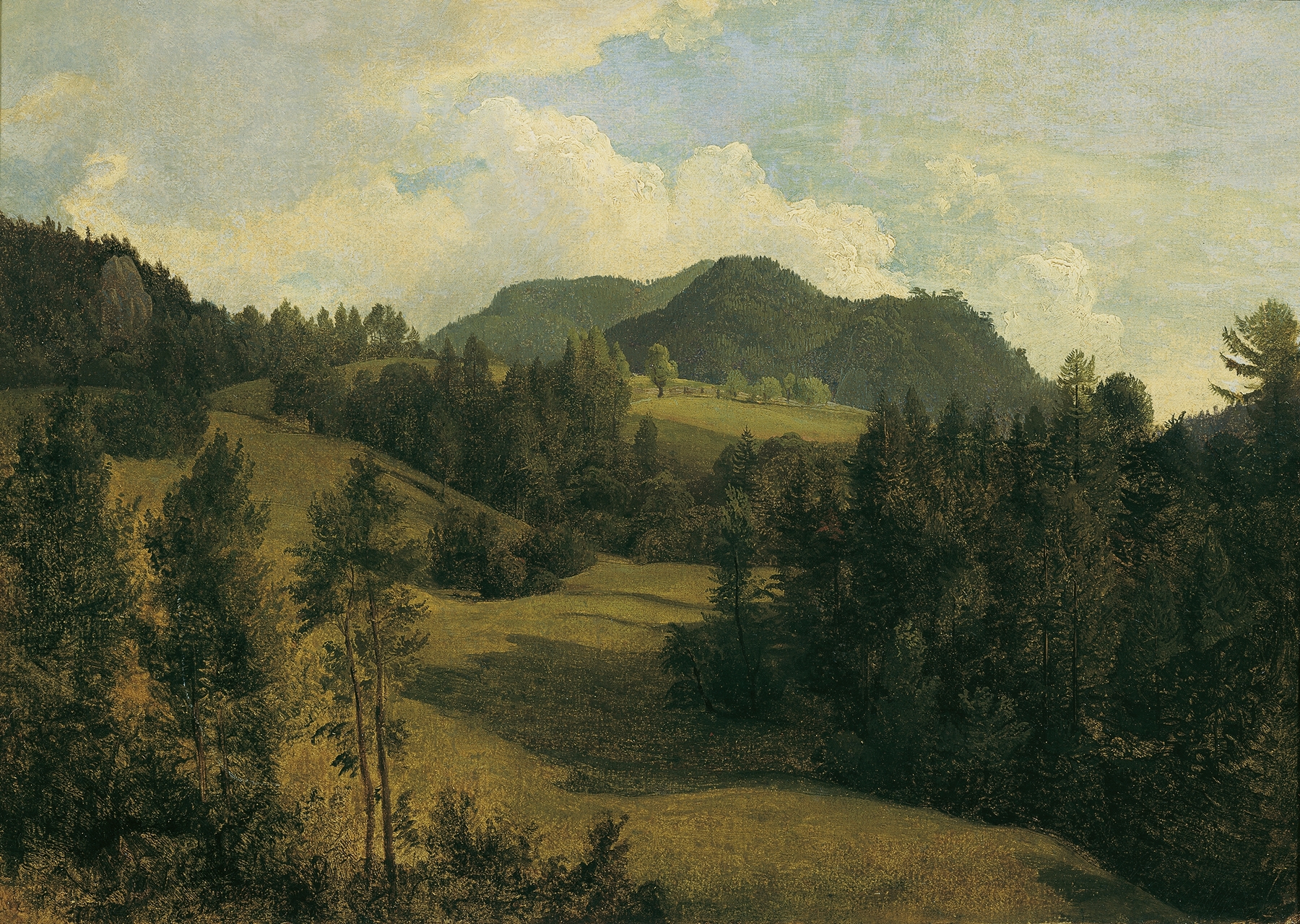
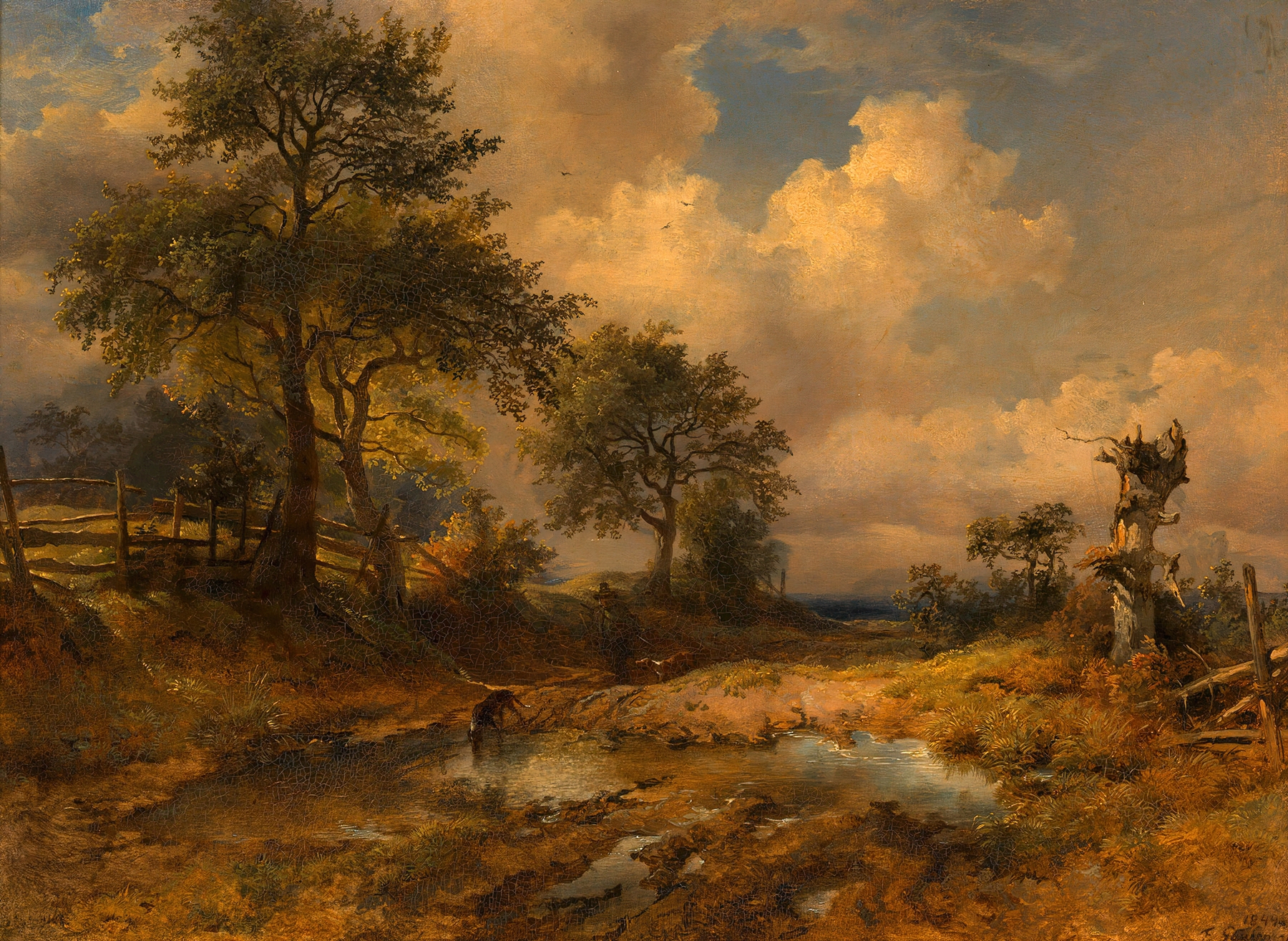
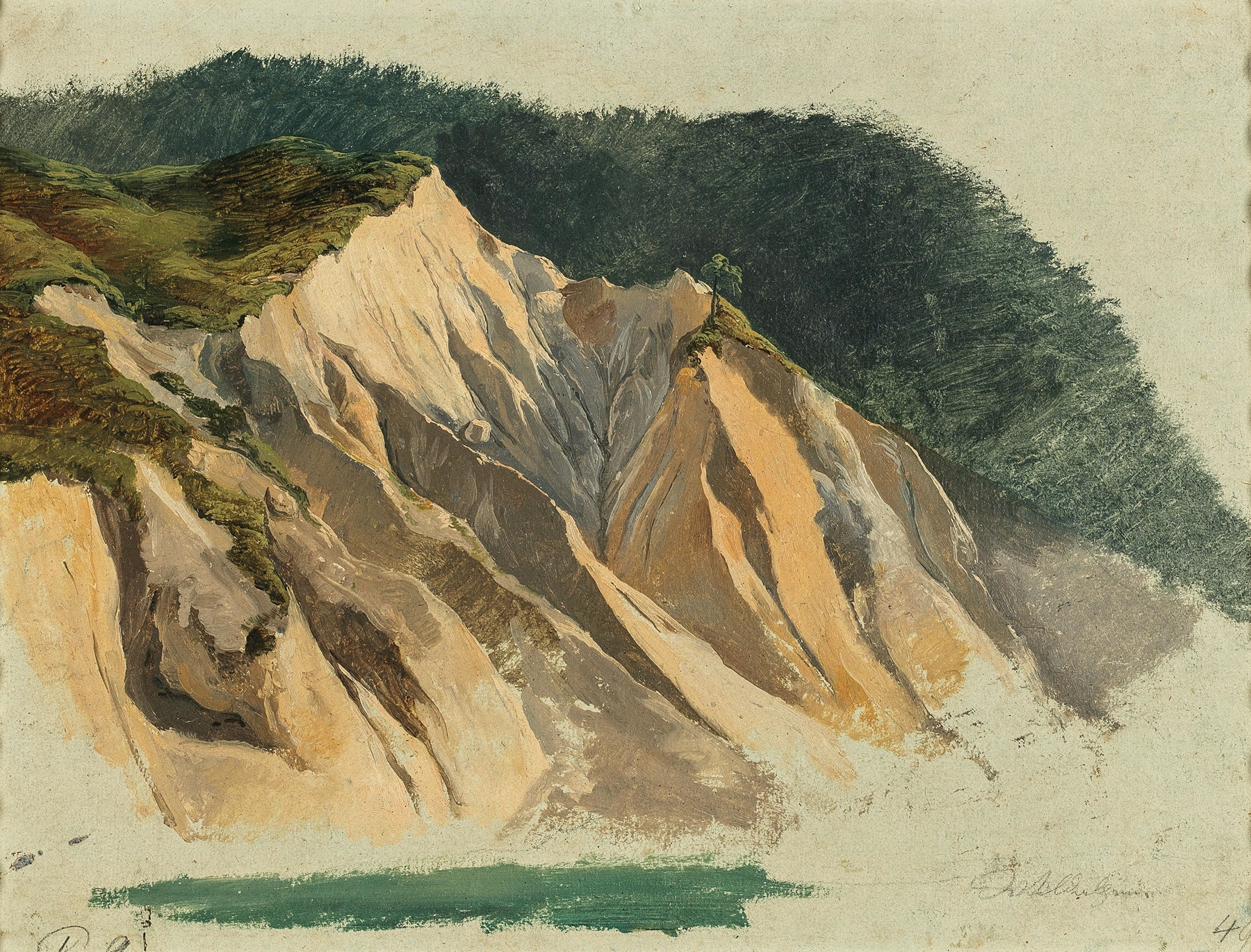
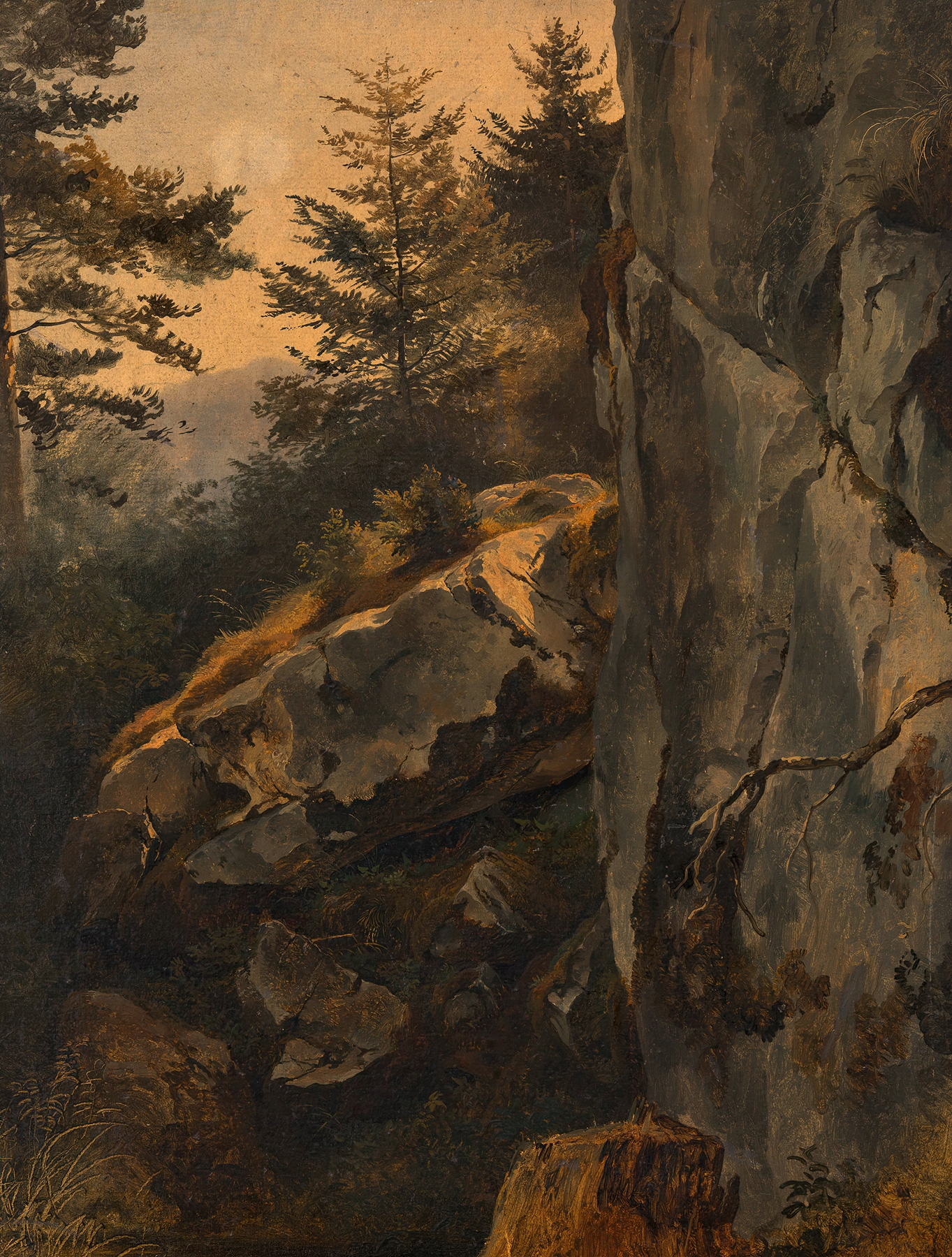
“Every silence here is a confession.” In the stillness of a mountain lake, light becomes the unspoken witness to nature’s contemplative dialogue. Focus on the luminous reflections on the water’s surface, where the surrounding peaks meet the lake. The gentle ripples capture the vibrant greens and soft blues, leading the eye to the majestic Höllengebirge. Notice how the foreground is brought to life with delicate brushstrokes, contrasting the solid, imposing mountains in the background that stand resolute against the horizon.
The interplay between light and shadow invites a deep sense of tranquility, while hints of gold in the sky evoke a fleeting moment of dusk. Delve deeper into this landscape, and you’ll uncover the emotional tension between serenity and solitude. The lake, cradled by towering mountains, symbolizes both isolation and refuge, a sacred space for introspection. Each brushstroke reveals the artist’s reverence for nature, suggesting a connection that transcends mere observation.
The light, almost sentient, breathes life into the scene, revealing hidden depths of thought and feeling in every reflection and shadow. Created between 1828 and 1830, this artwork emerged as Friedrich August Matthias Gauermann navigated the evolving Romantic landscape in Austria. During this period, the art world was turning toward nature as both muse and subject, mirroring societal shifts towards introspection and the sublime. Gauermann’s commitment to capturing the grandeur of the natural world reflected a broader movement in art, where light and atmosphere began to take precedence over mere representation, marking a significant moment in the history of landscape painting.