Der Dachstein vom Plassen bei Hallstatt — History & Analysis
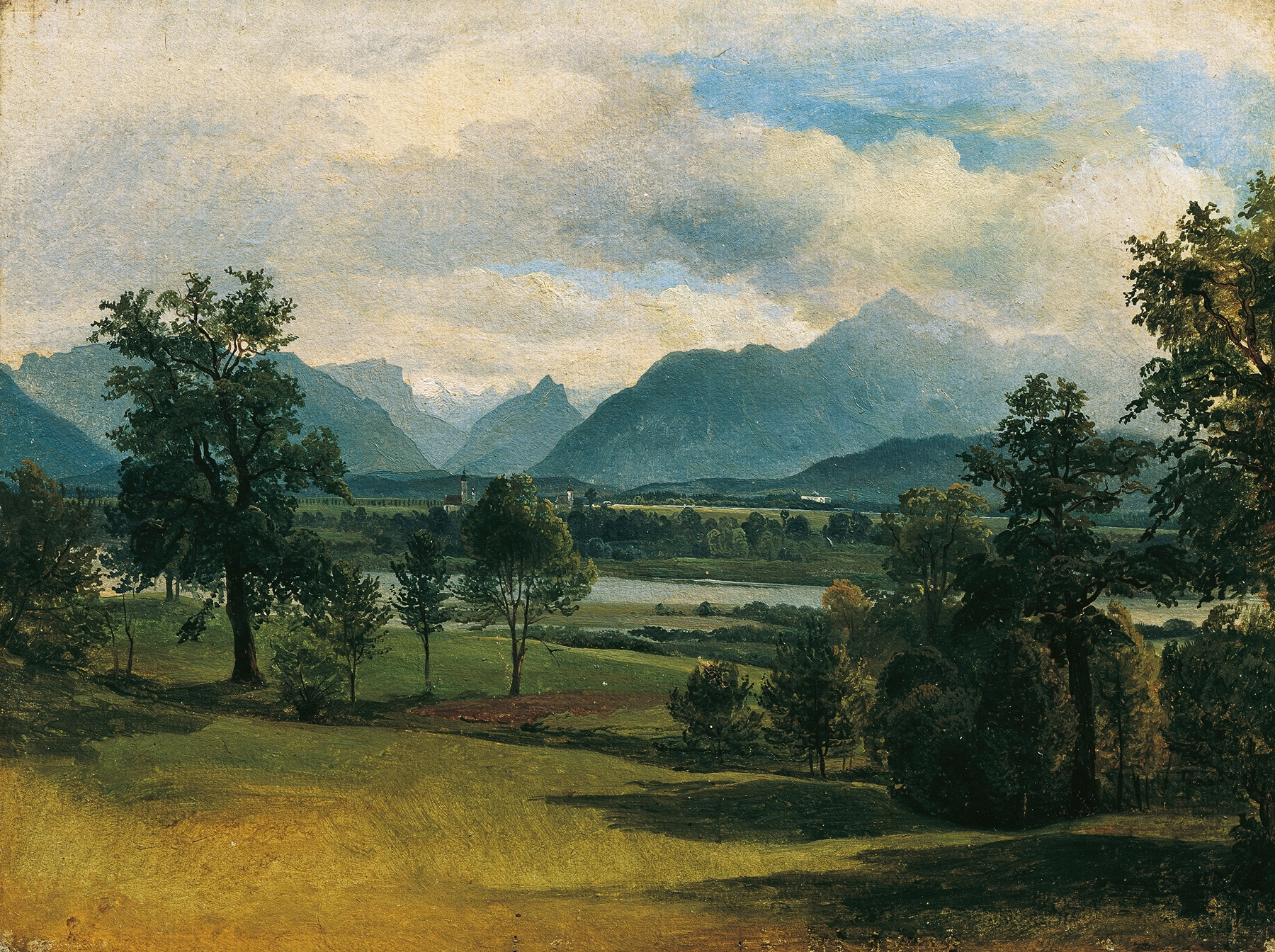
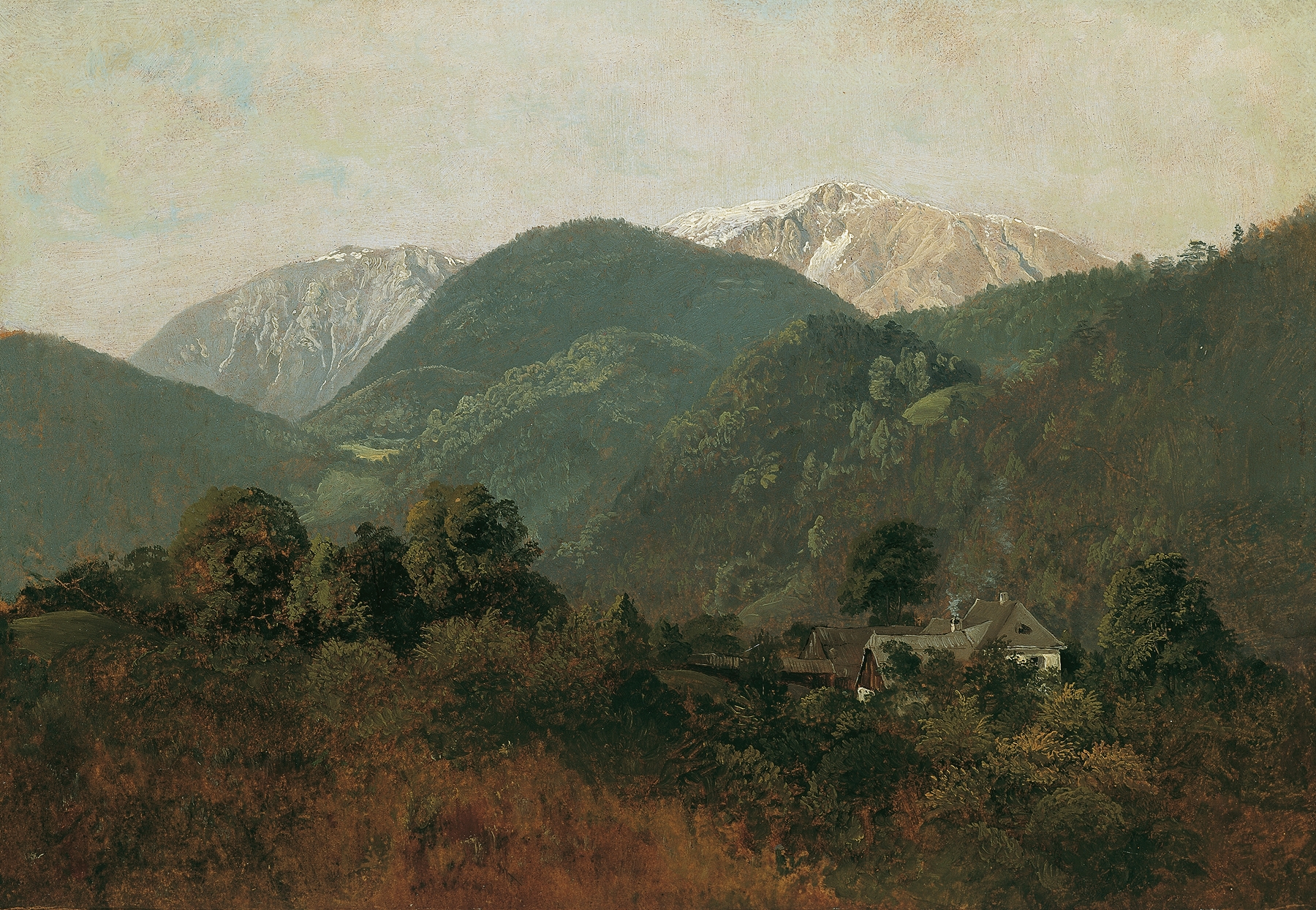
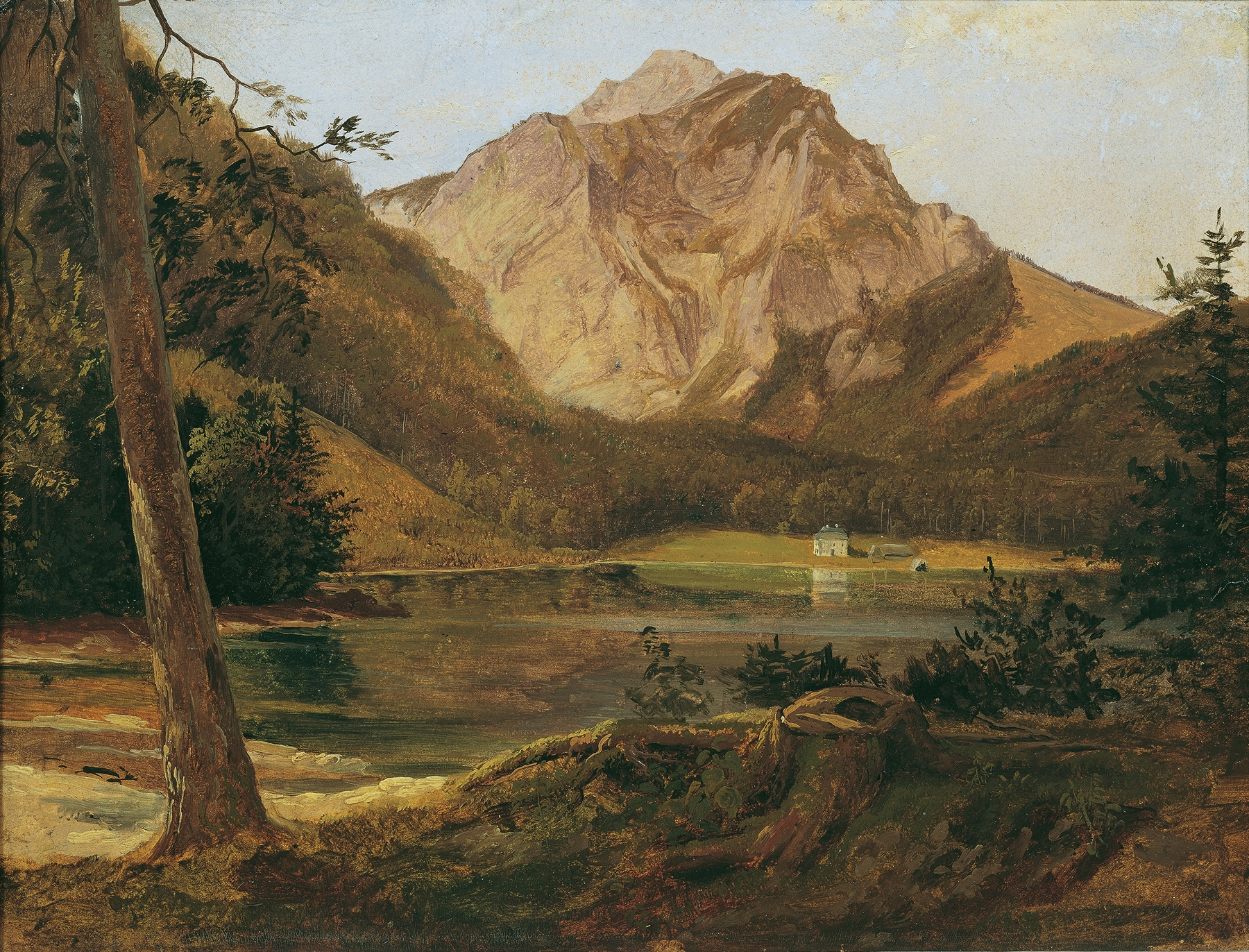
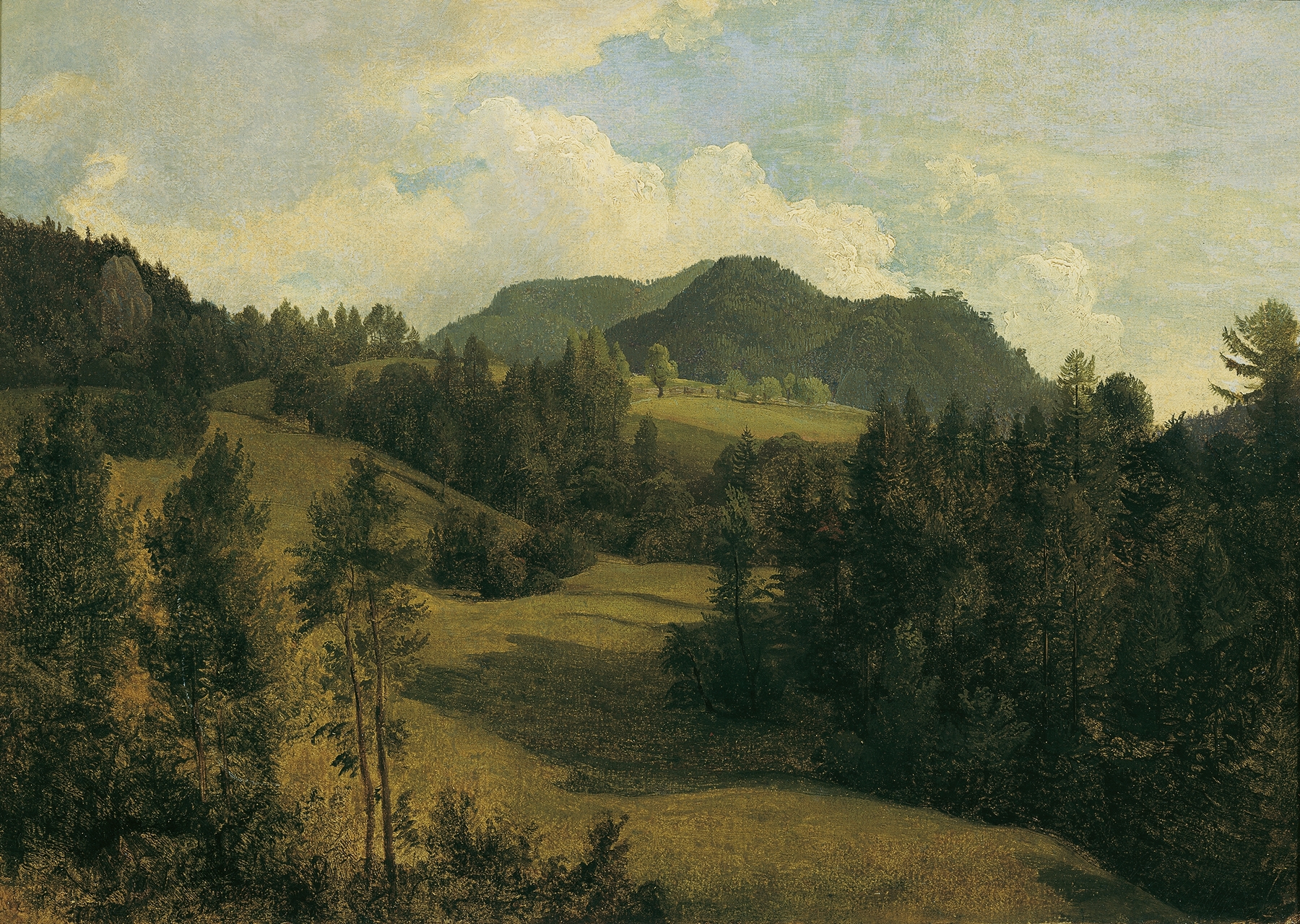
Who listens when art speaks of silence? In the stillness of a mountain landscape, the divine whispers through the brushstrokes, inviting contemplation and reverence. Focus first on the majestic peaks, where the rugged Dachstein rises dramatically against a serene sky. Notice the delicate interplay of light and shadow, which dances across the mountains’ craggy surfaces, revealing their texture and grandeur.
The muted color palette enhances the scene’s tranquility, while soft hues of blue and gray dominate, suggesting a peaceful yet powerful presence. This painting captures a profound connection between nature and spirituality. The towering mountains stand as sentinels, evoking a sense of awe that transcends time and invites the viewer to ponder their own place within the vastness of the universe. The contrast between the sharp, imposing cliffs and the gentle, flowing clouds enhances the emotional tension, reflecting the duality of human existence — both fragile and resilient in the face of nature’s magnificence.
In 1827, Gauermann created this work while living in Austria, a period marked by a burgeoning Romanticism that celebrated the sublime beauty of landscapes. Artists sought to evoke emotion through nature, reflecting the era's fascination with the divine and the spiritual. This painting emerged from a time when Gauermann was exploring the impact of light and atmosphere on his art, capturing the essence of a world that felt both immediate and eternal.