Wolkenstudie — History & Analysis
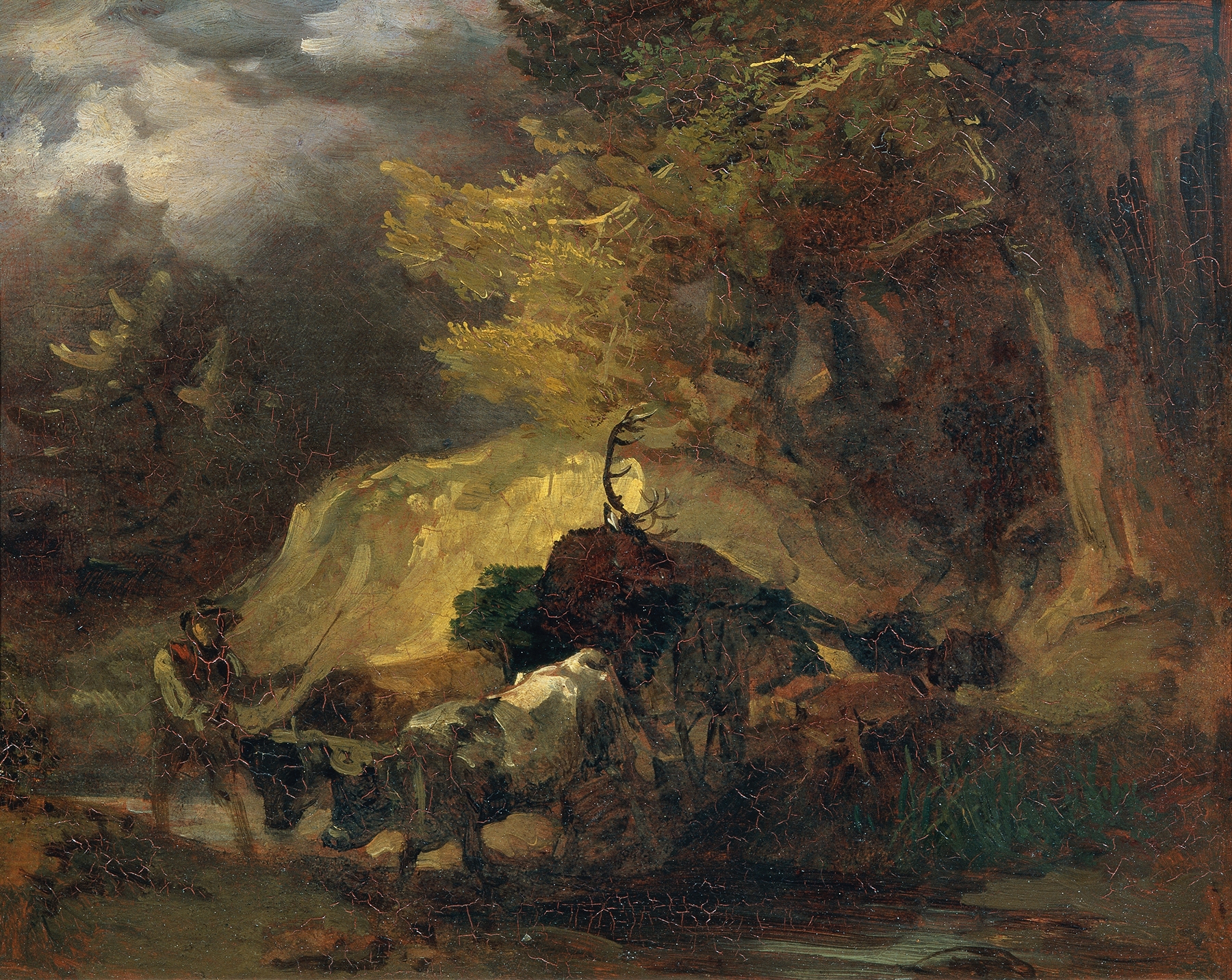
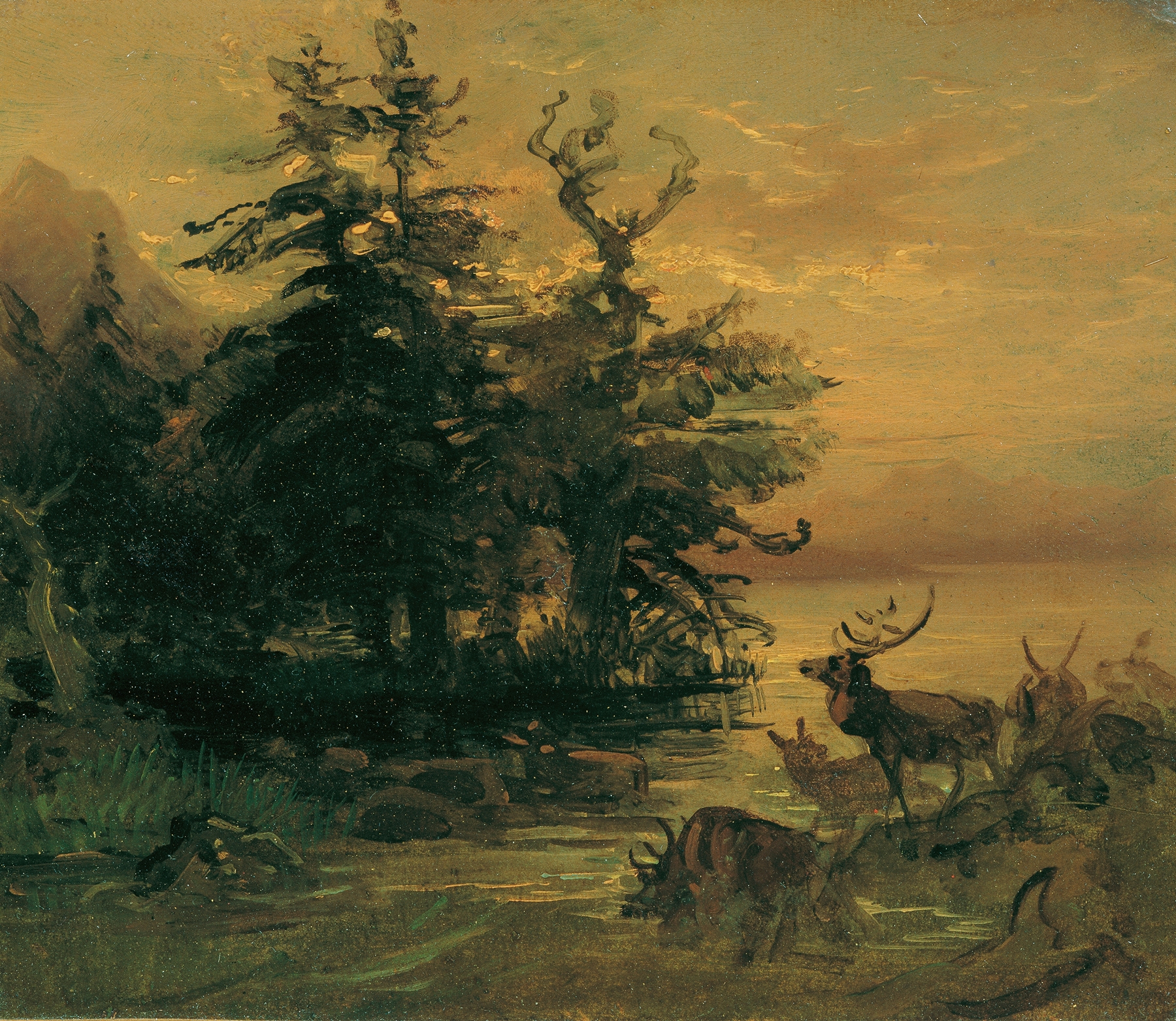
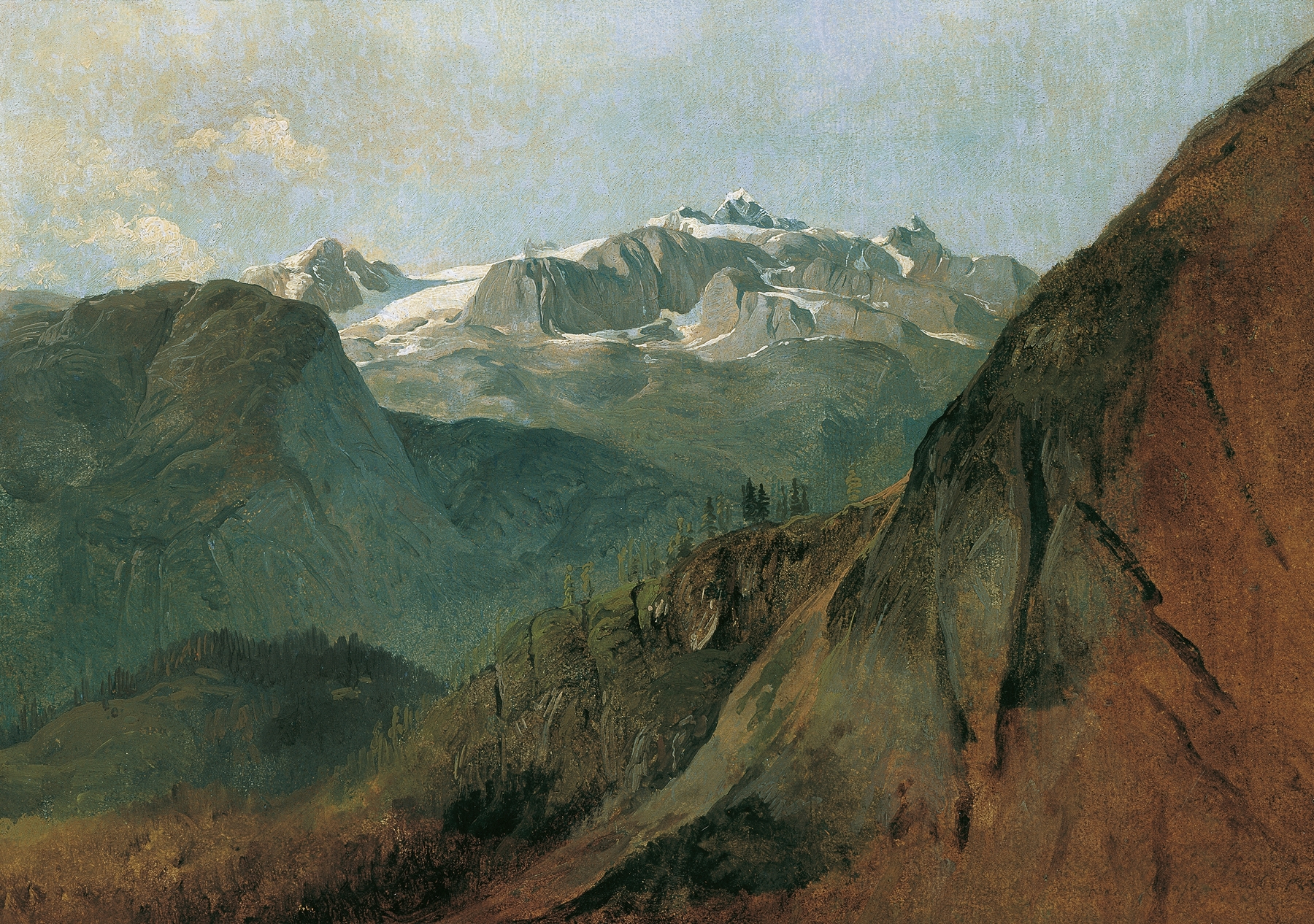
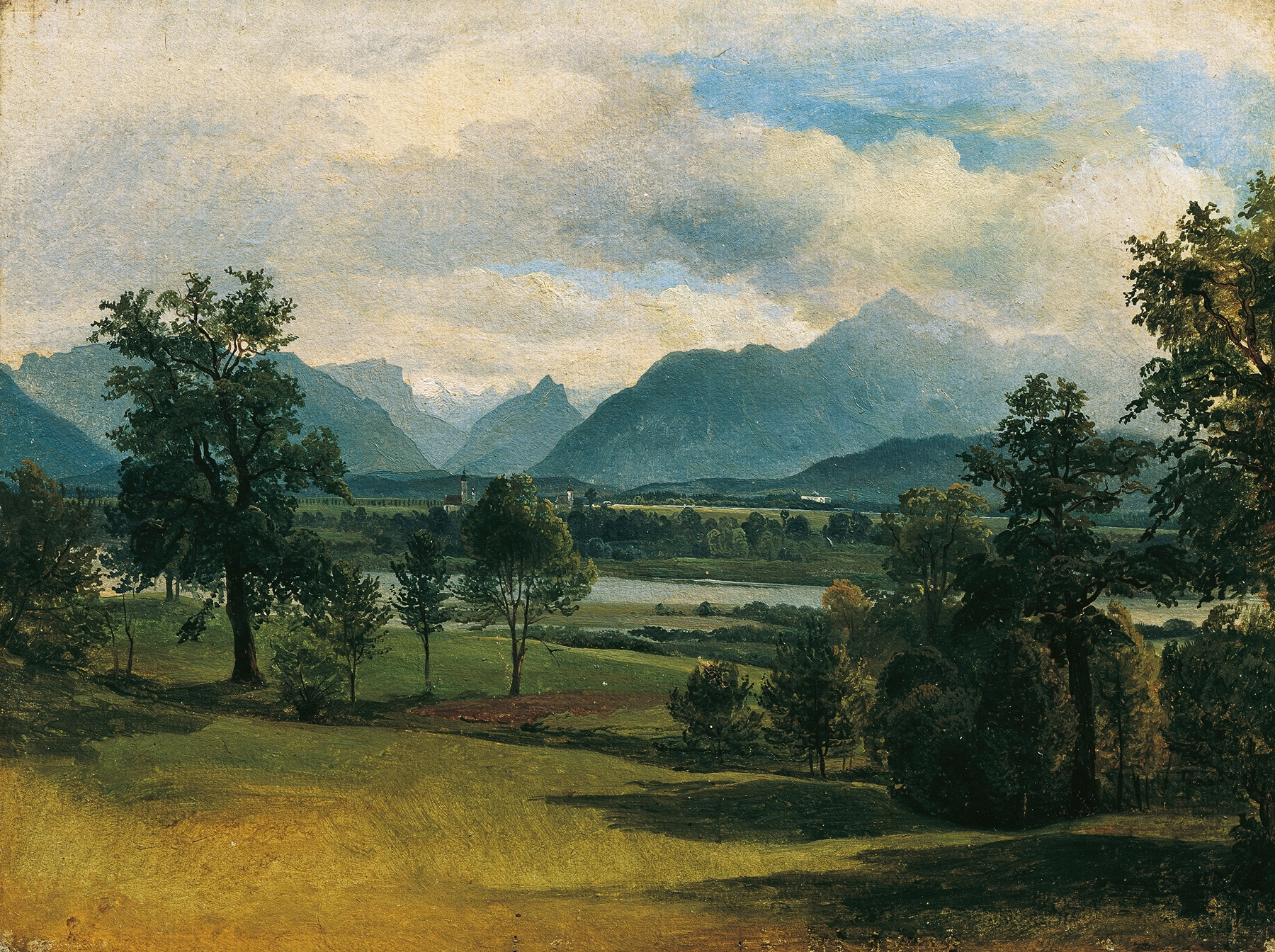
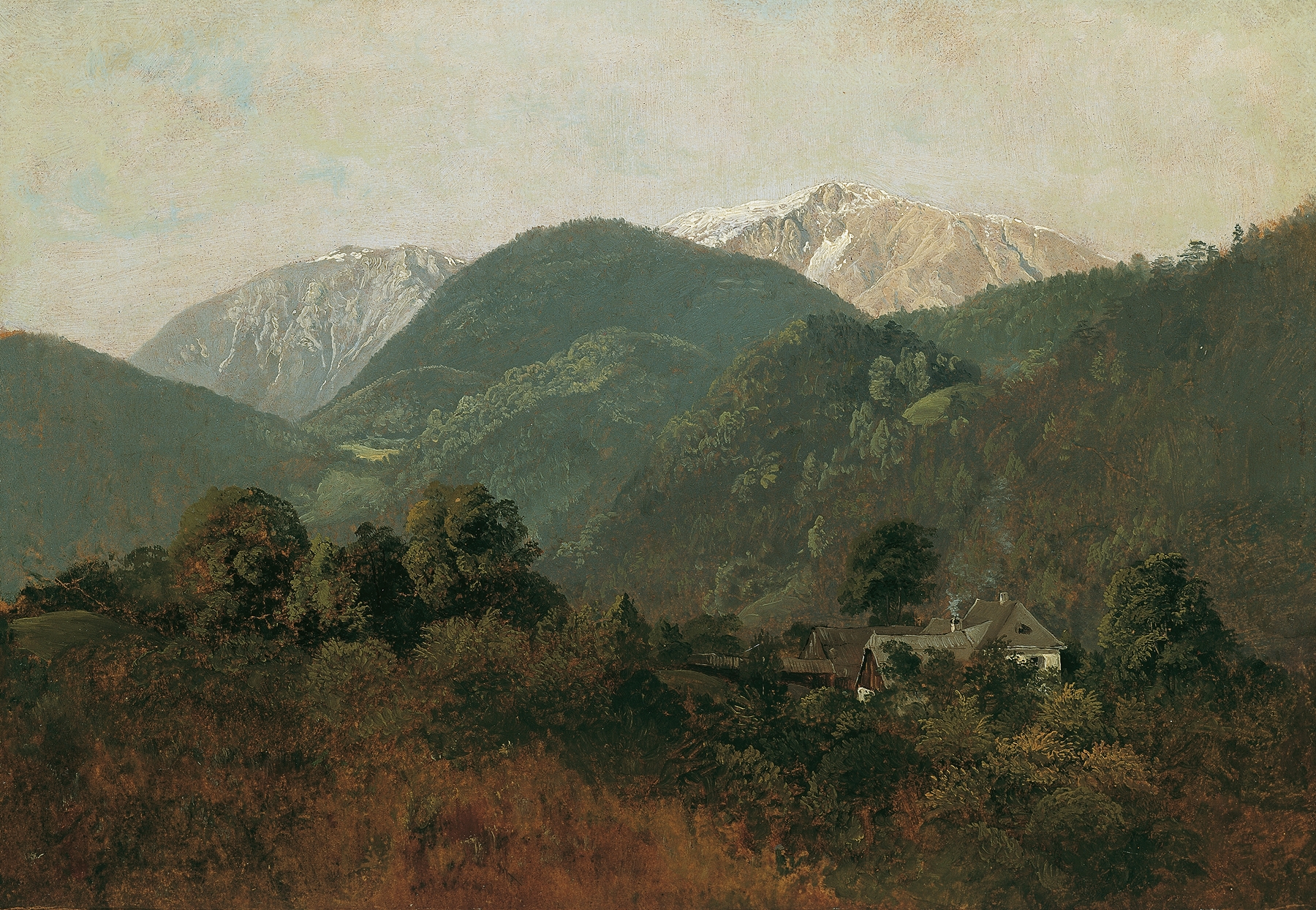
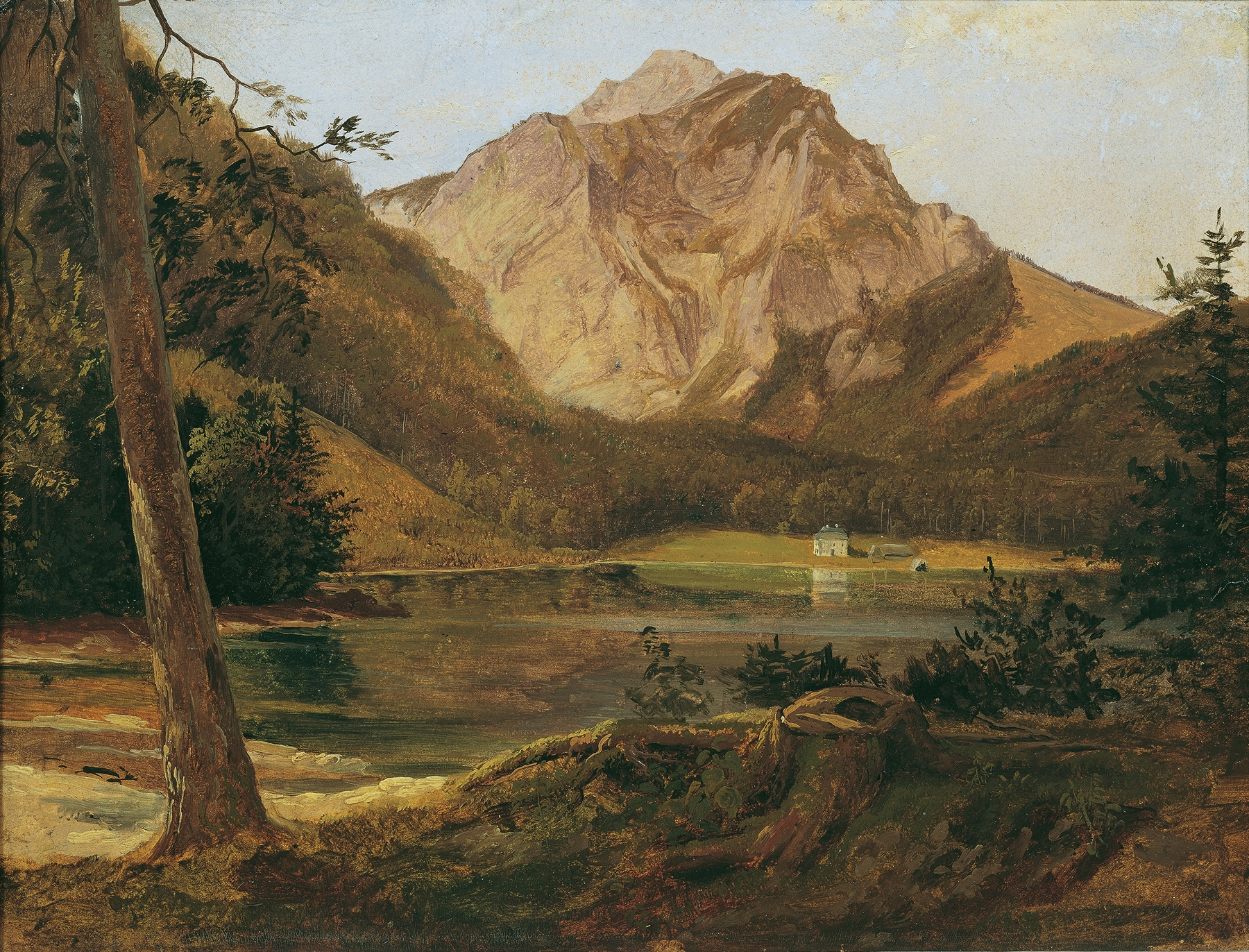
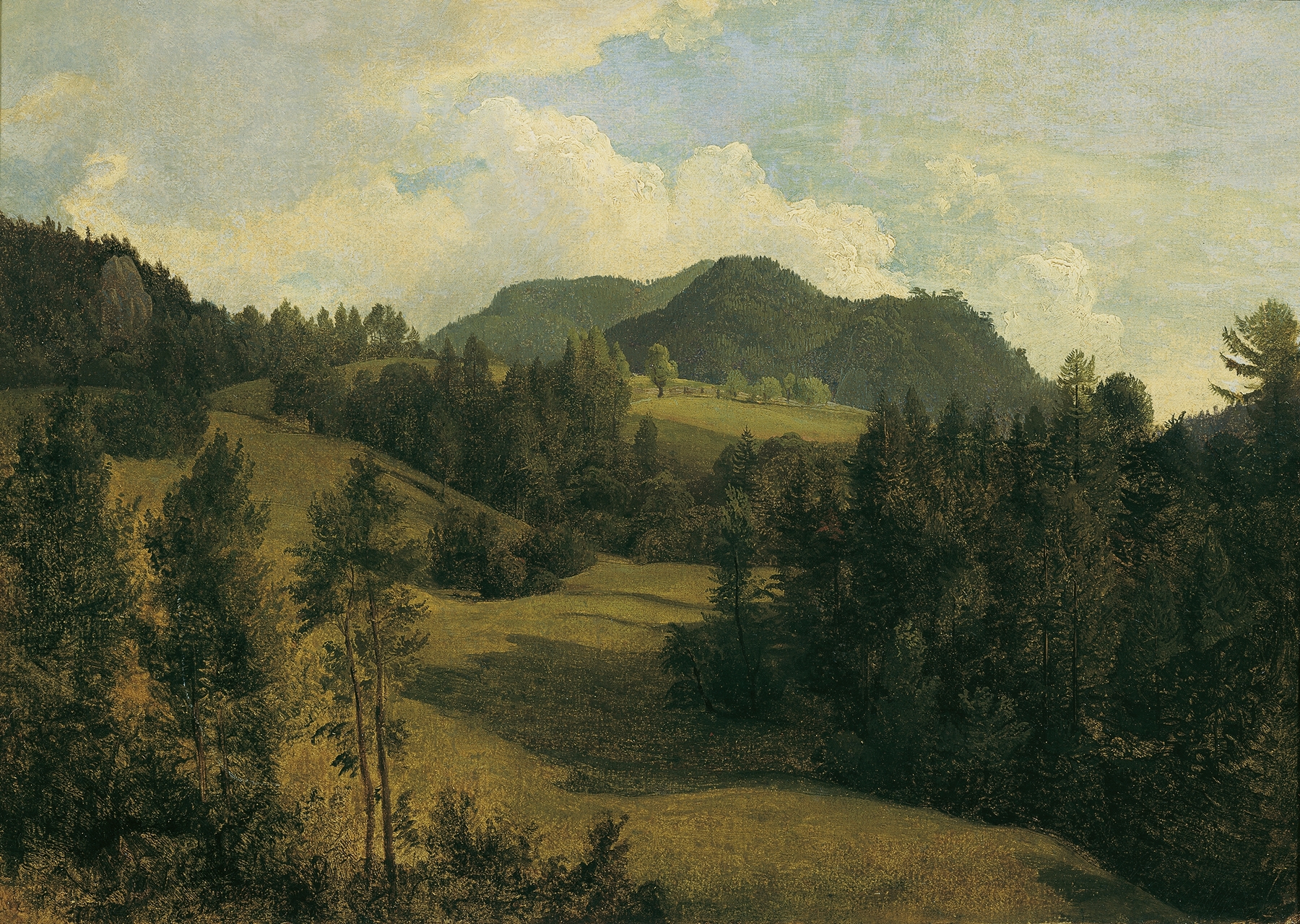
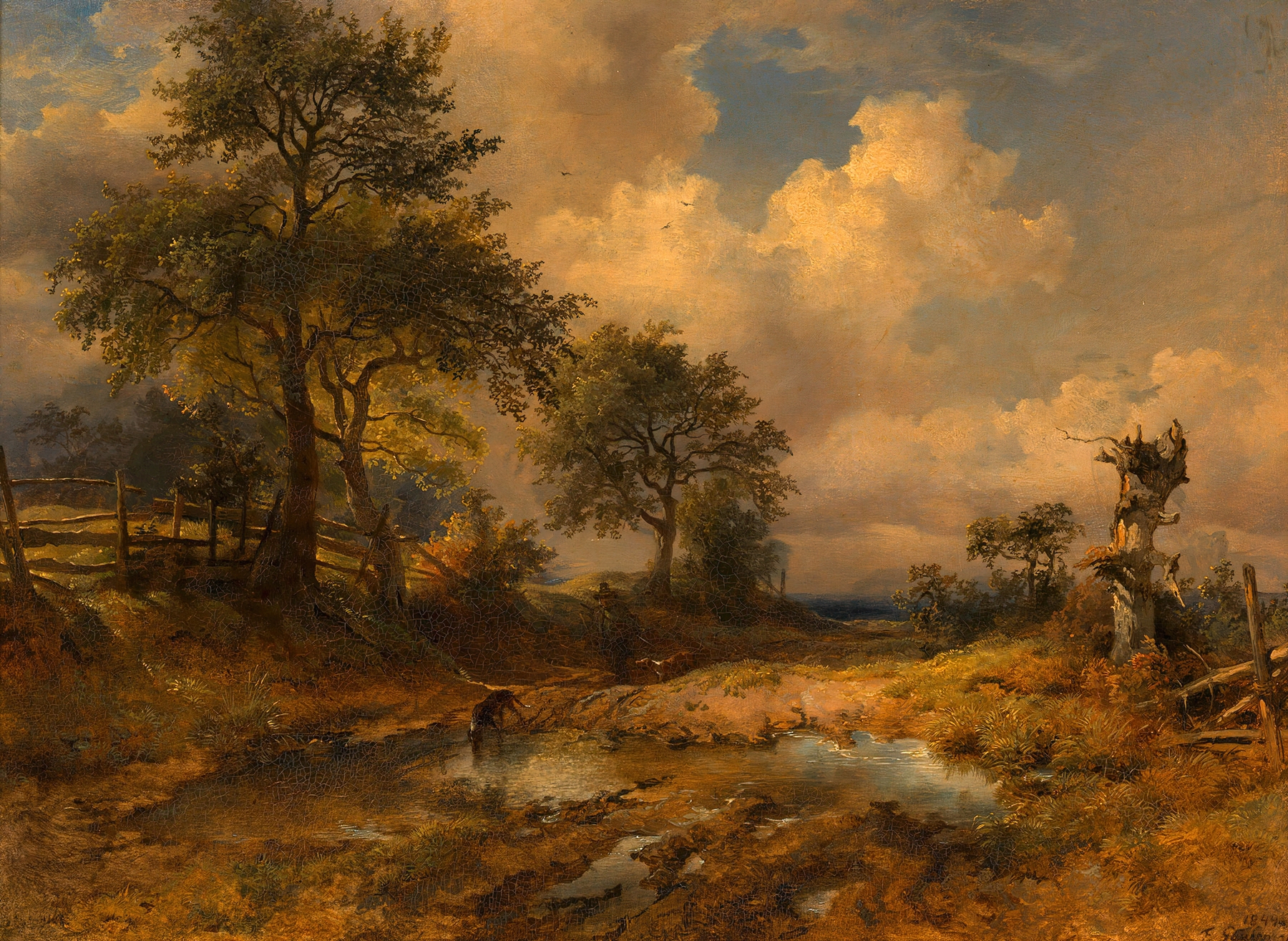
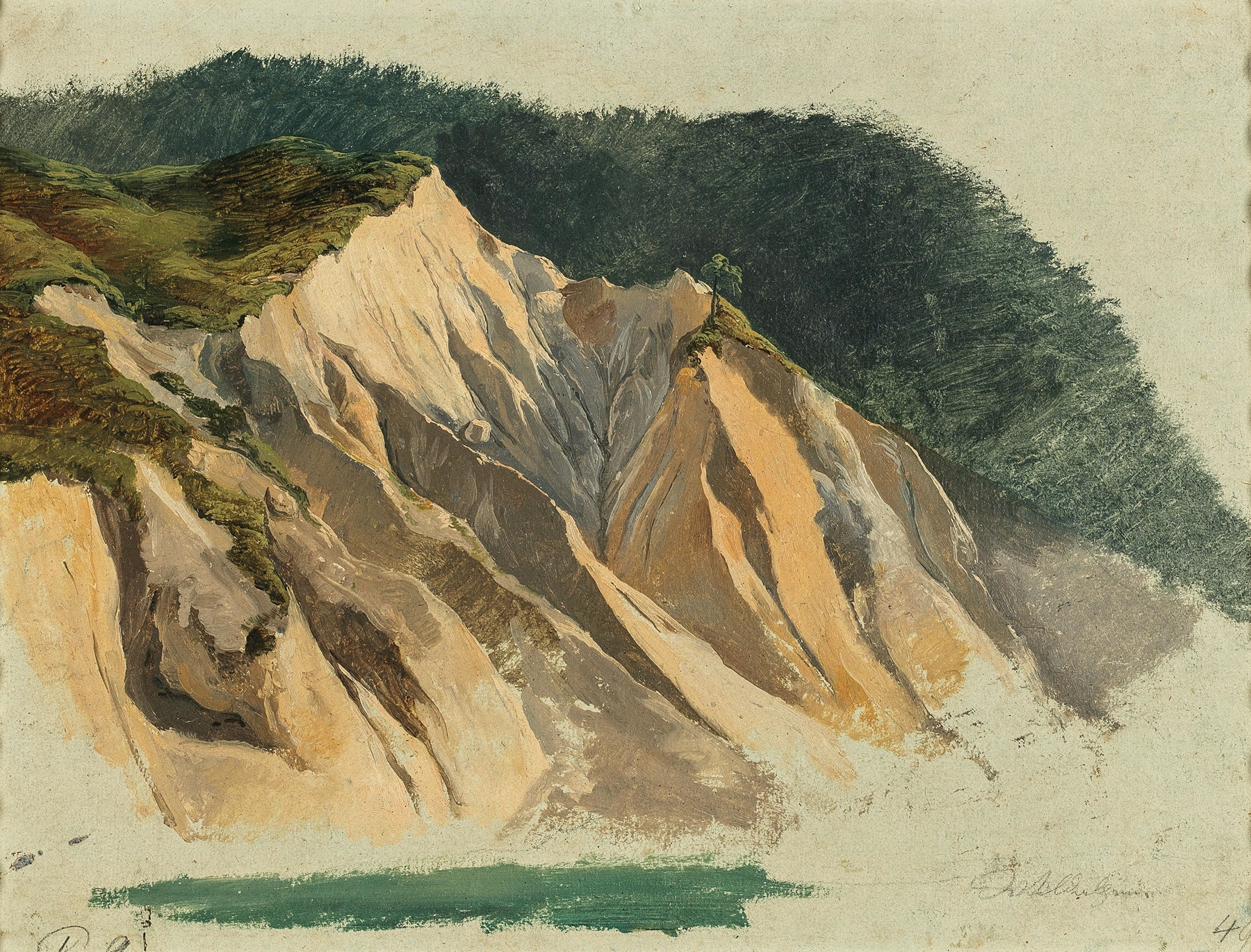
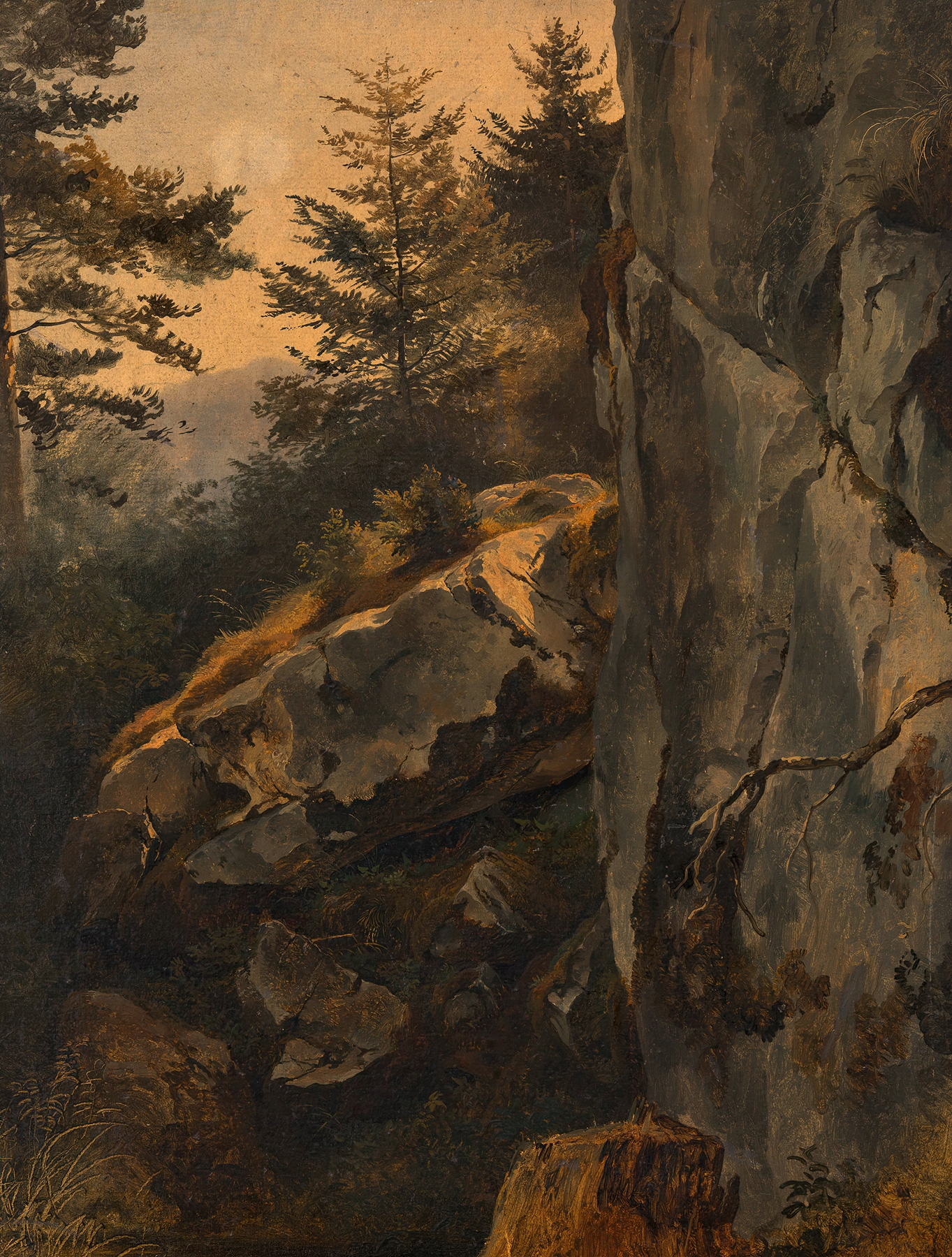
“The canvas doesn’t lie — it simply waits.” In these silent expanses of the sky, the unspoken revolution of nature unfolds. Each brushstroke carries the breath of the elements, whispering truths of the world above and the emotions tethered to its vastness. Focus first on the sweeping horizon, where shades of blue morph seamlessly into tender whites and soft grays. Notice how the clouds, with their billowing forms, create a rhythm that dances across the canvas, inviting the eye to wander. The meticulous layering of paint suggests an almost tangible texture, a contrast between the ethereal sky and the solid ground it overlooks.
Light filters through, illuminating the edges of the clouds, revealing the artist's deftness in capturing both the power and fragility of these celestial bodies. Within the interplay of light and shadow lies a deeper commentary on transformation and impermanence. The clouds embody both motion and stasis, reflecting the turmoil of an era marked by societal upheaval. Observe the subtle variations in color — deep grays hint at impending storm, while the lighter hues suggest hope and renewal.
This duality resonates with the viewer, evoking a sense of contemplation about change, both in nature and life itself. Created between 1830 and 1840, this work emerged during a time of artistic exploration in Europe, as Romanticism flourished. Gauermann, working in Vienna, straddled the line between realism and the emotive use of color typical of the Romantic movement. His focus on the skies not only highlights his fascination with nature’s grandeur but also mirrors the revolutionary sentiments of his time, as society grappled with the implications of industrialization and change.