Landschaft mit Felswand (Dürre Wand) — History & Analysis
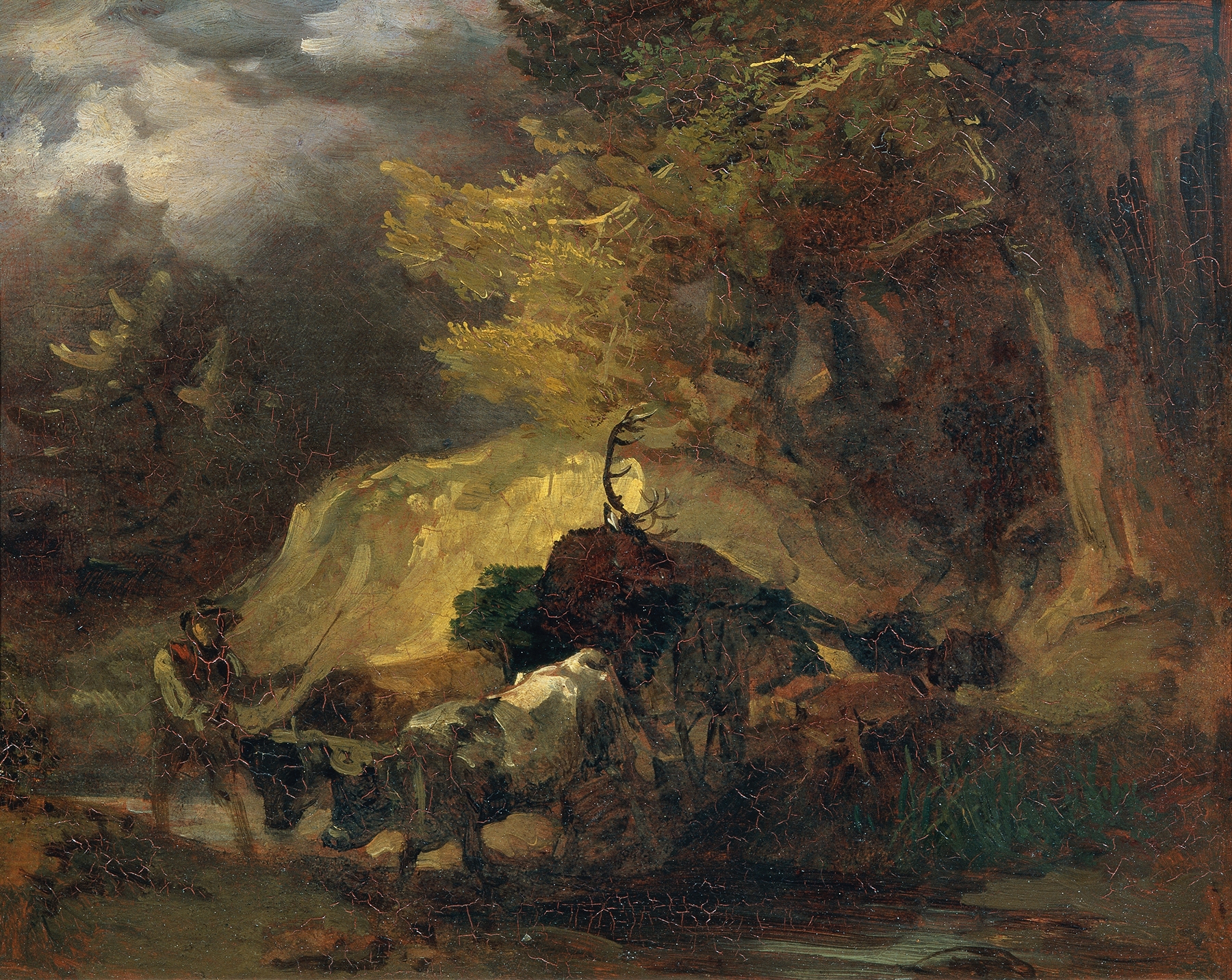
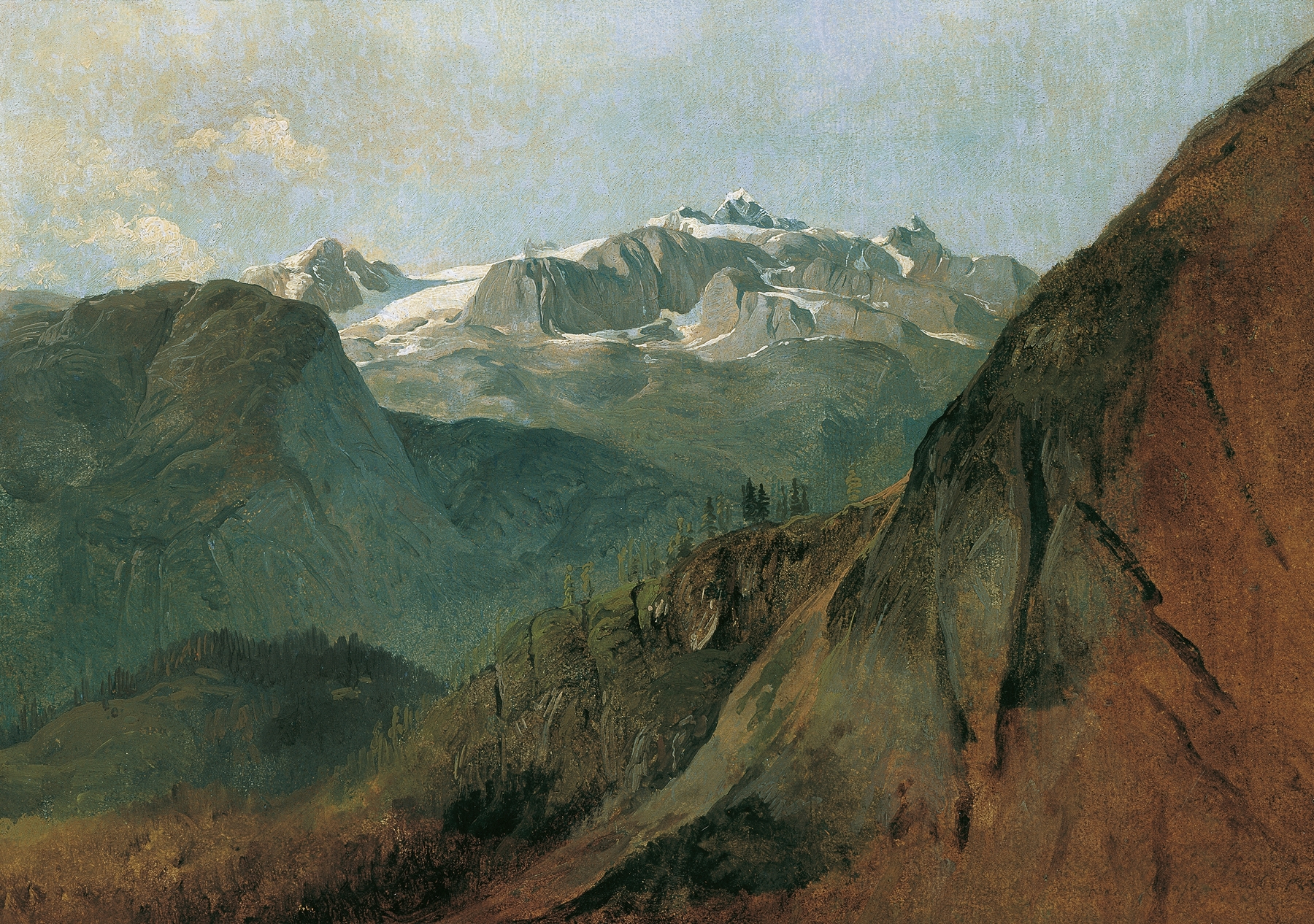
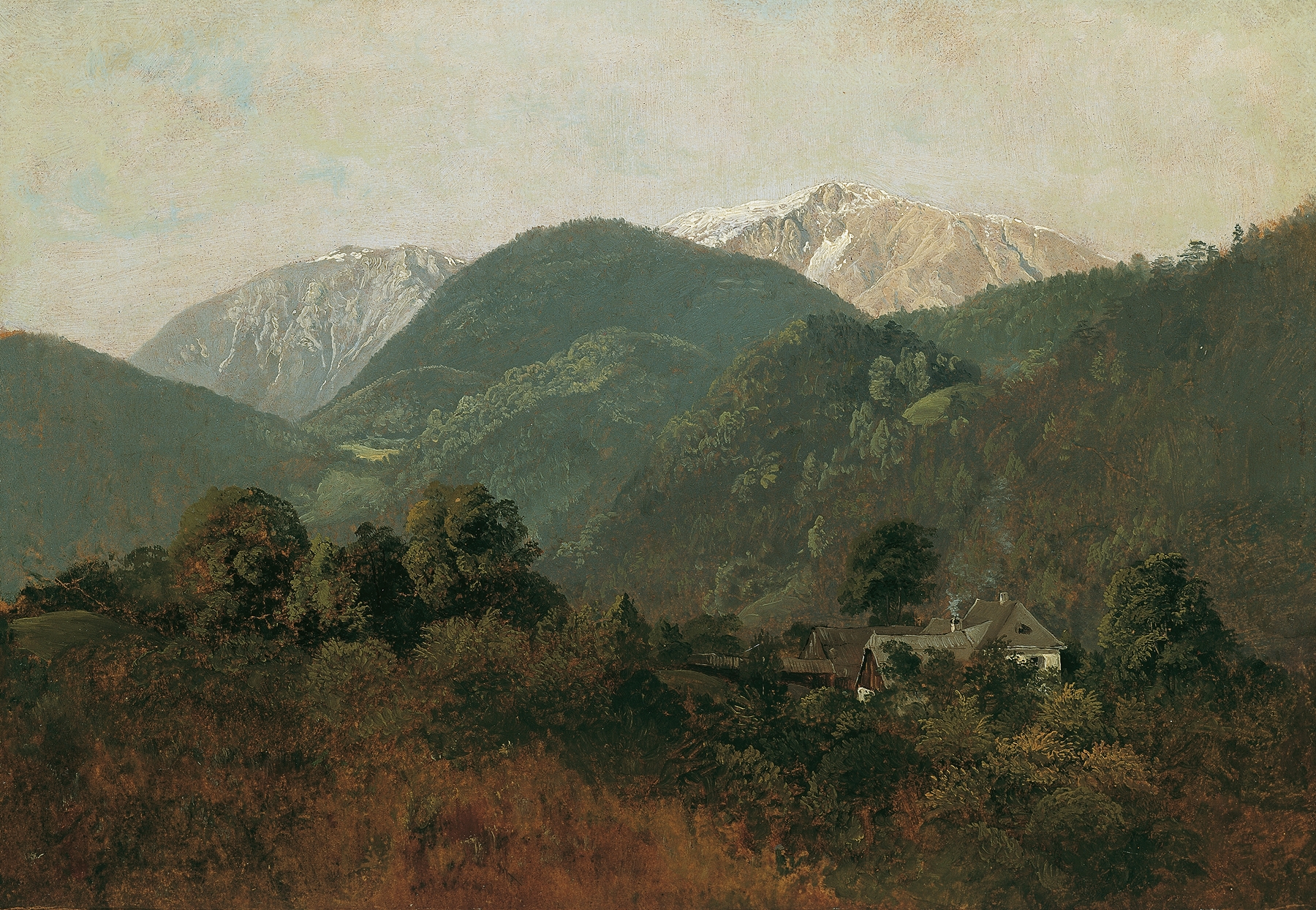
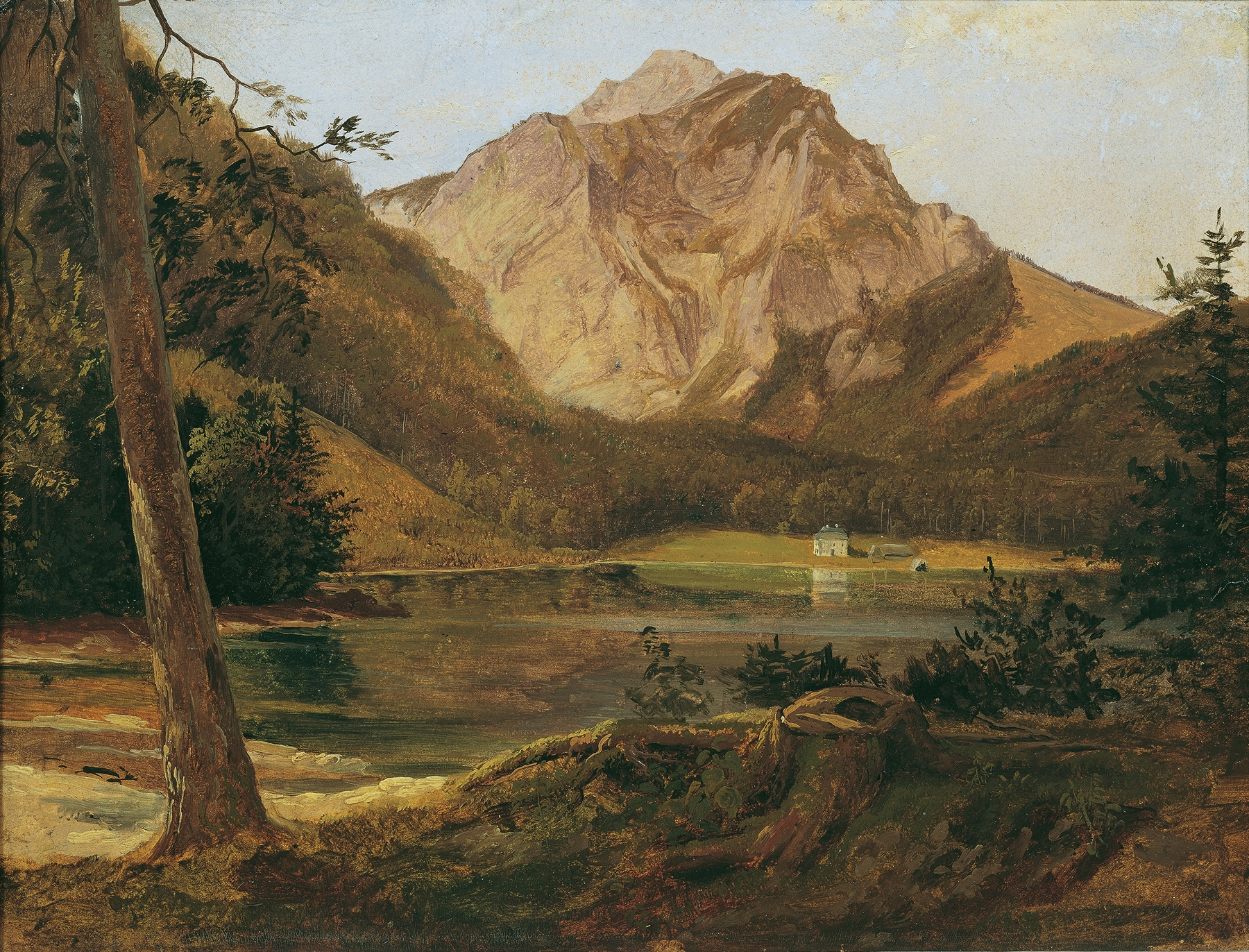
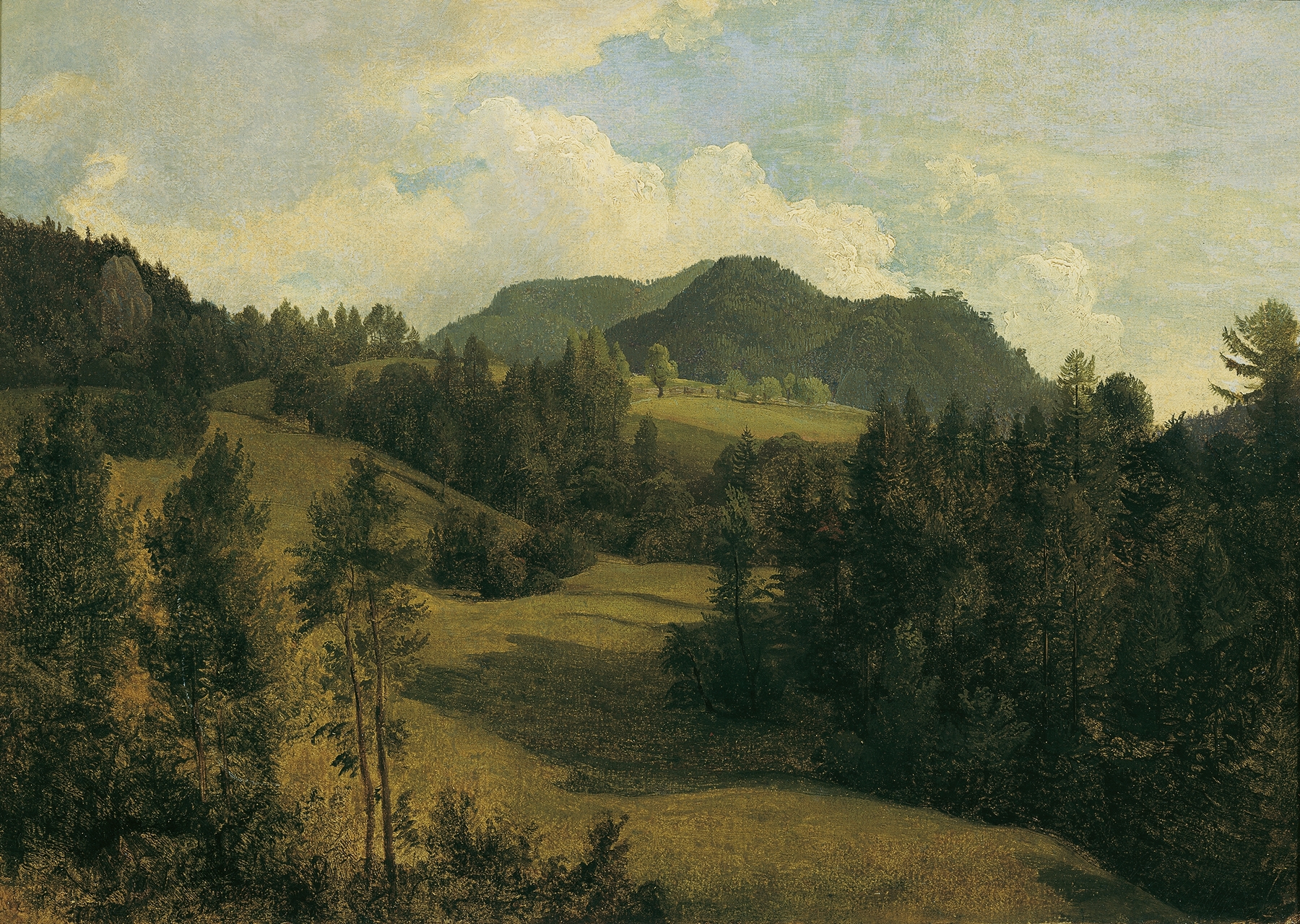
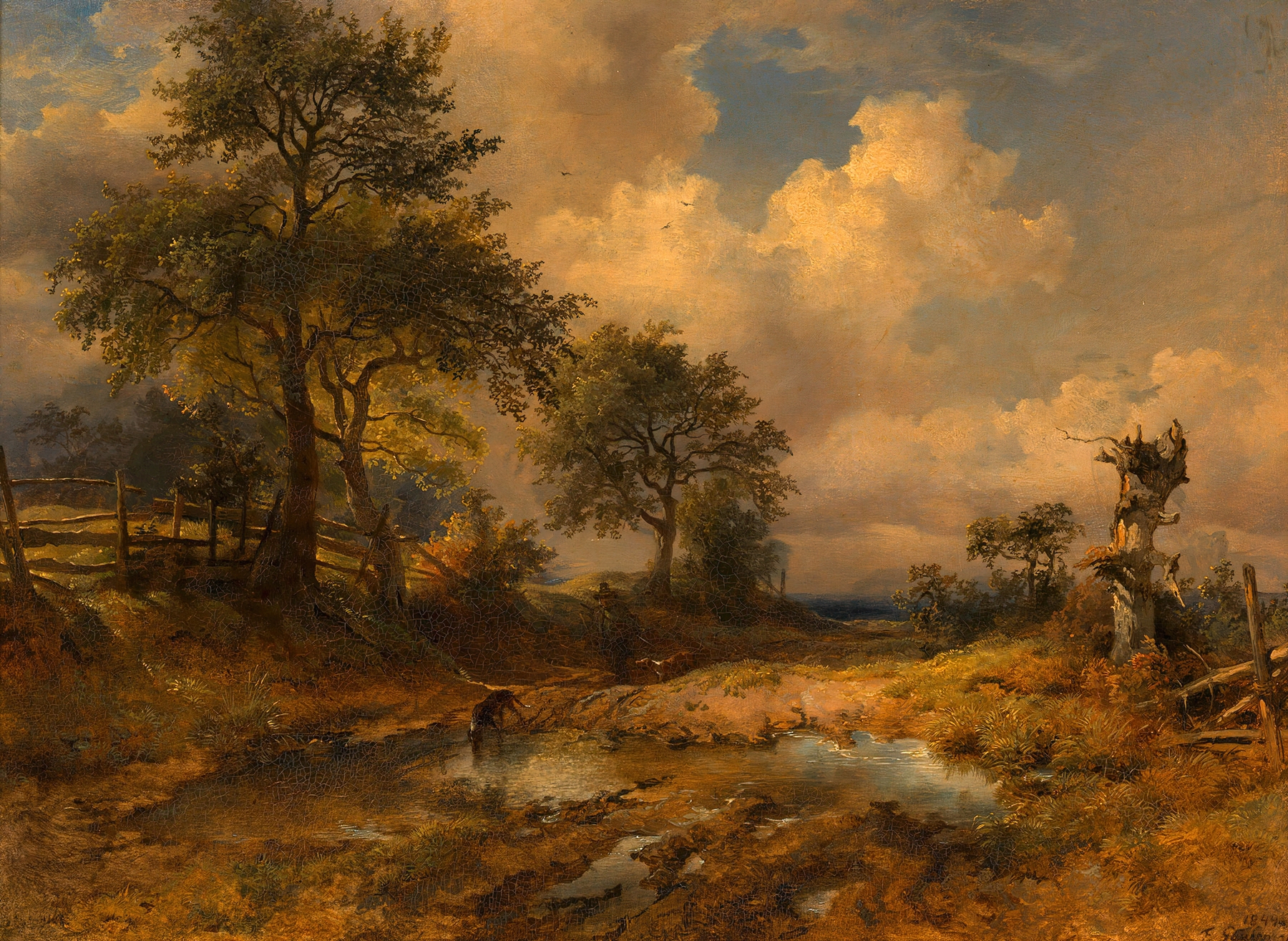
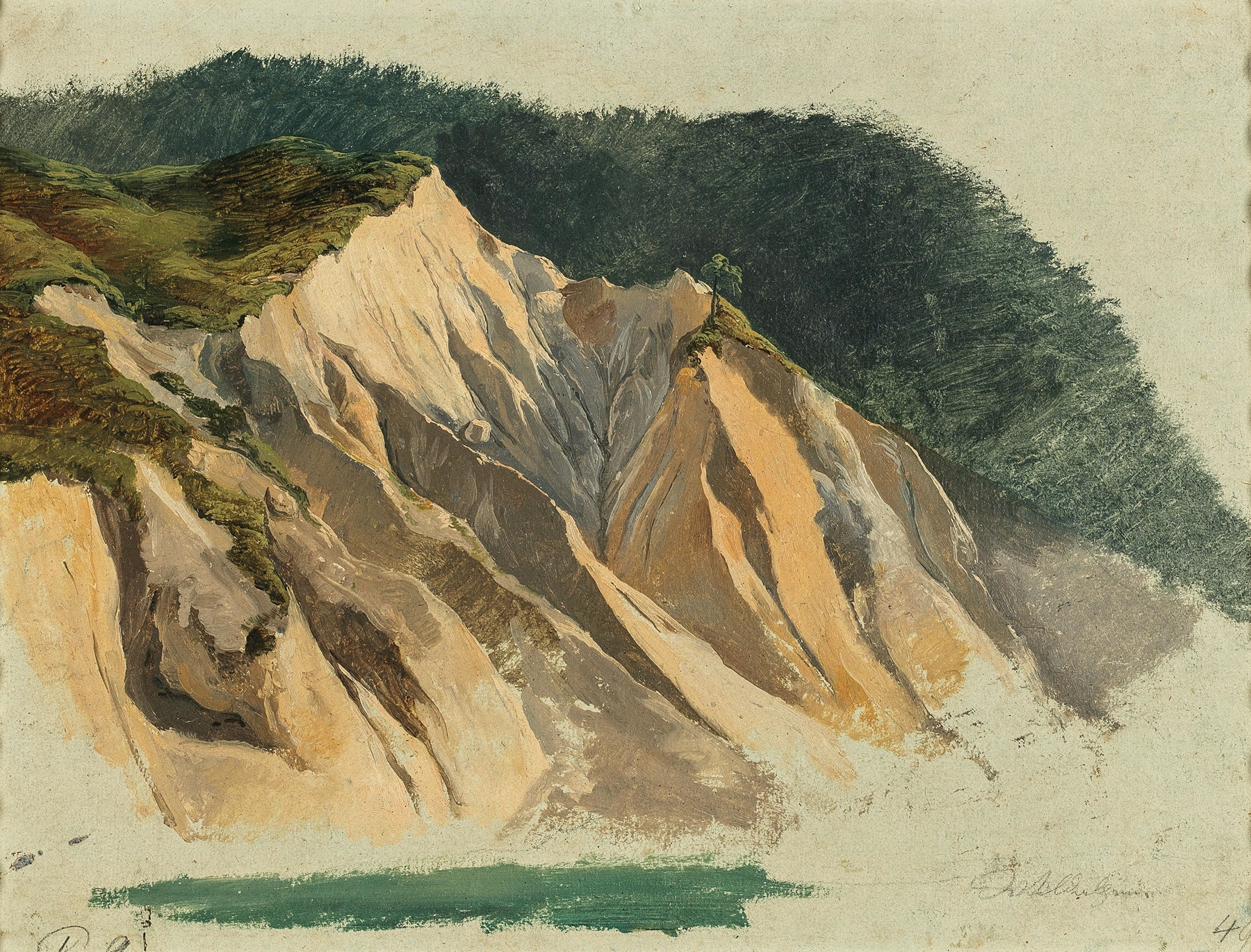
What secret hides in the quiet of the canvas? In the stillness of Landschaft mit Felswand (Dürre Wand), a profound awakening lingers, inviting contemplation and reflection. Look to the center, where the imposing rocky outcrop stands guard over the landscape, carved with intricate textures that invite your touch. The colors breathe life into the scene, with deep greens and warm browns contrasting against the cool gray of the stone.
Notice how the dappled light filters through the trees, casting gentle shadows that dance across the ground, creating a serene yet dynamic interplay that draws your gaze deeper into this tranquil world. Deeper insights emerge upon examining the delicate flora at the foreground, where tiny flowers bravely bloom amidst the rugged terrain, symbolizing resilience and the enduring beauty of nature. The rocky wall looms large, suggesting isolation, yet it is softened by the lush vegetation that clings to its base, illustrating the coexistence of strength and vulnerability. This tension between the firm earth and the delicate life it nurtures speaks to an awakening of hope amidst adversity.
Created in 1830, Gauermann painted Landschaft mit Felswand during a period when Romanticism thrived, emphasizing the connection between humanity and nature. Living in Austria, he sought to capture the majesty of his natural surroundings while reflecting a growing awareness of the emotional and spiritual dimensions of the landscape. This painting stands as a testament to his vision, bridging the gap between man’s inner world and the outer beauty of the earth.