Suhlende Hirsche am Ufer eines Bergsees — History & Analysis
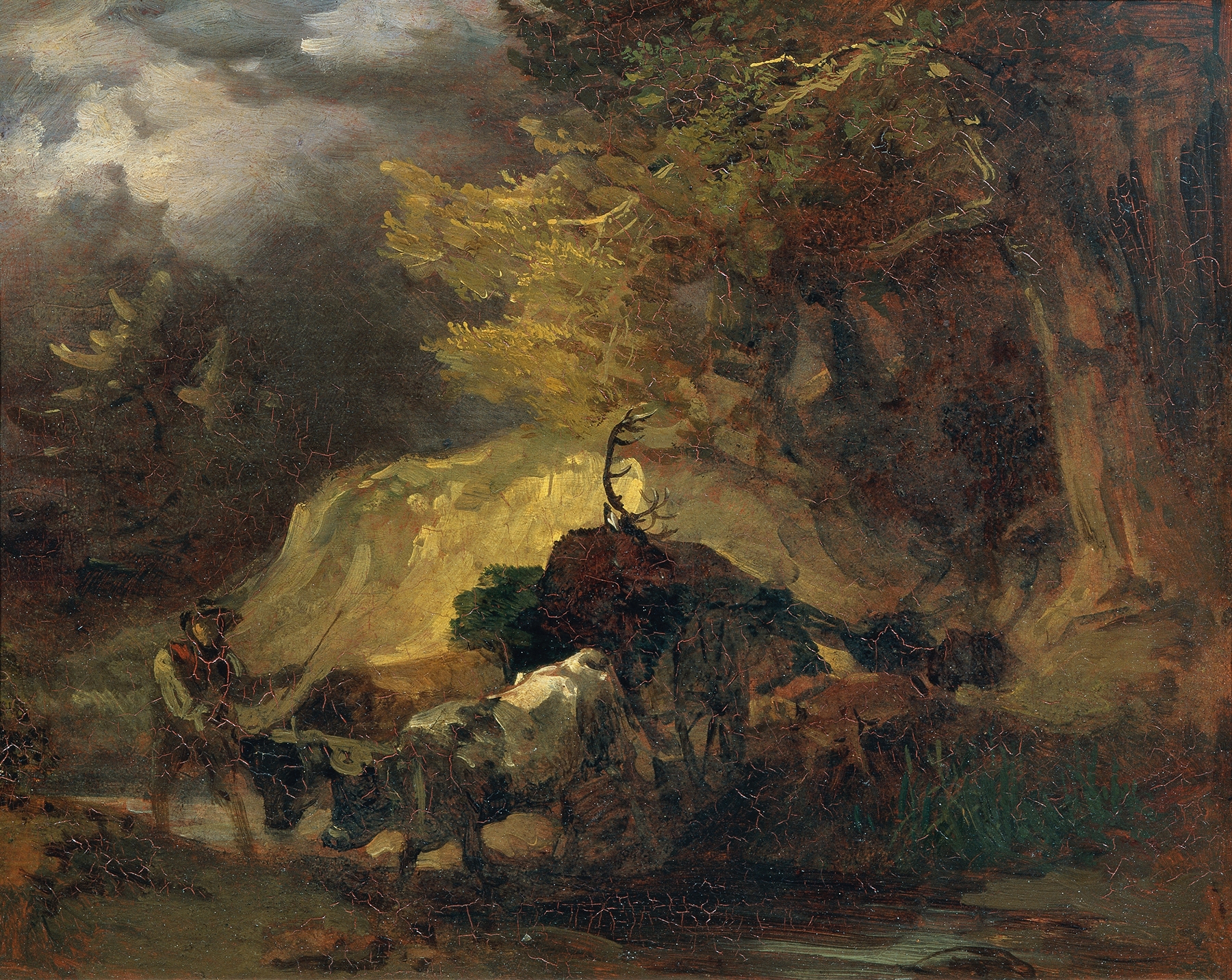
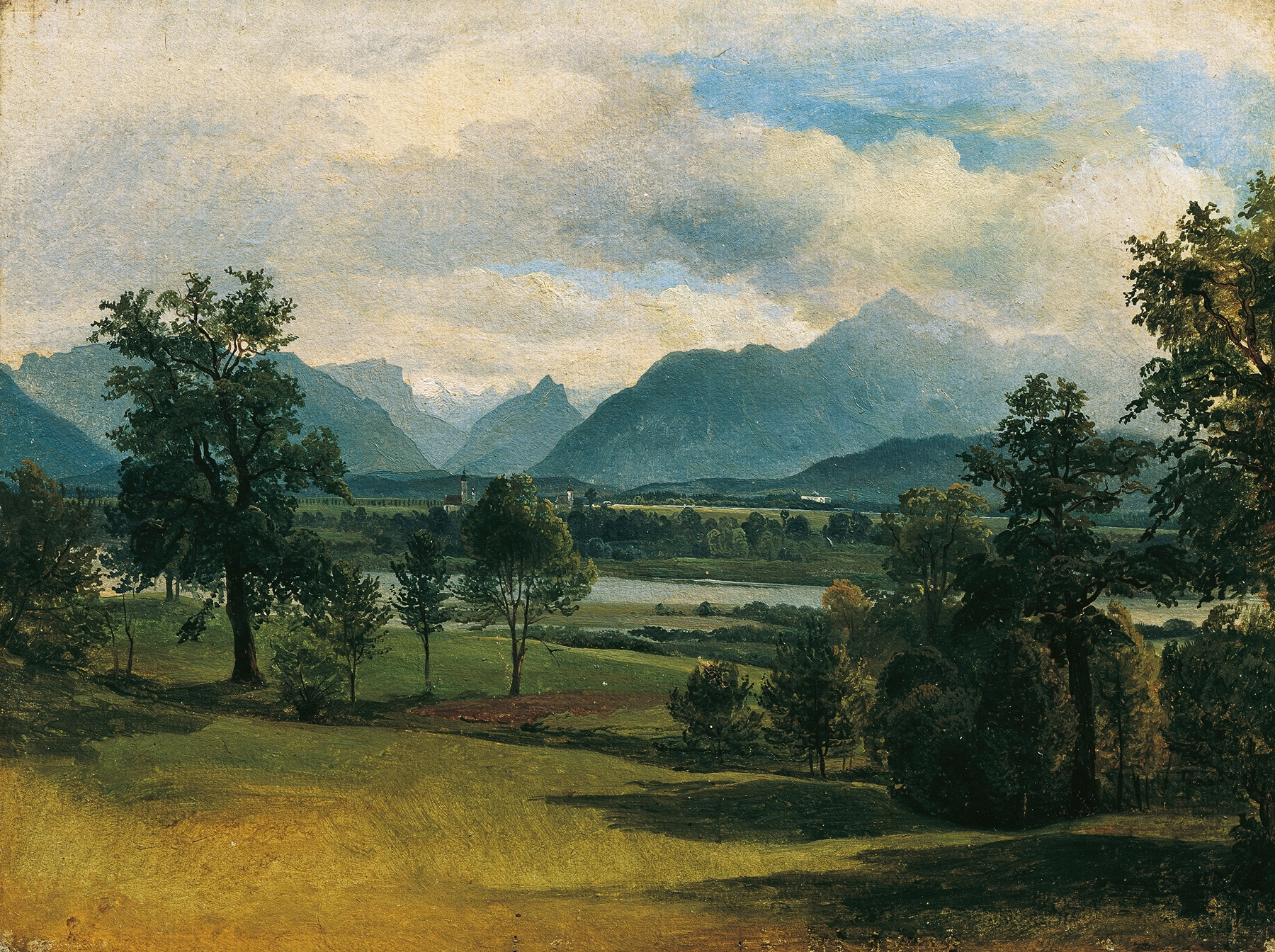
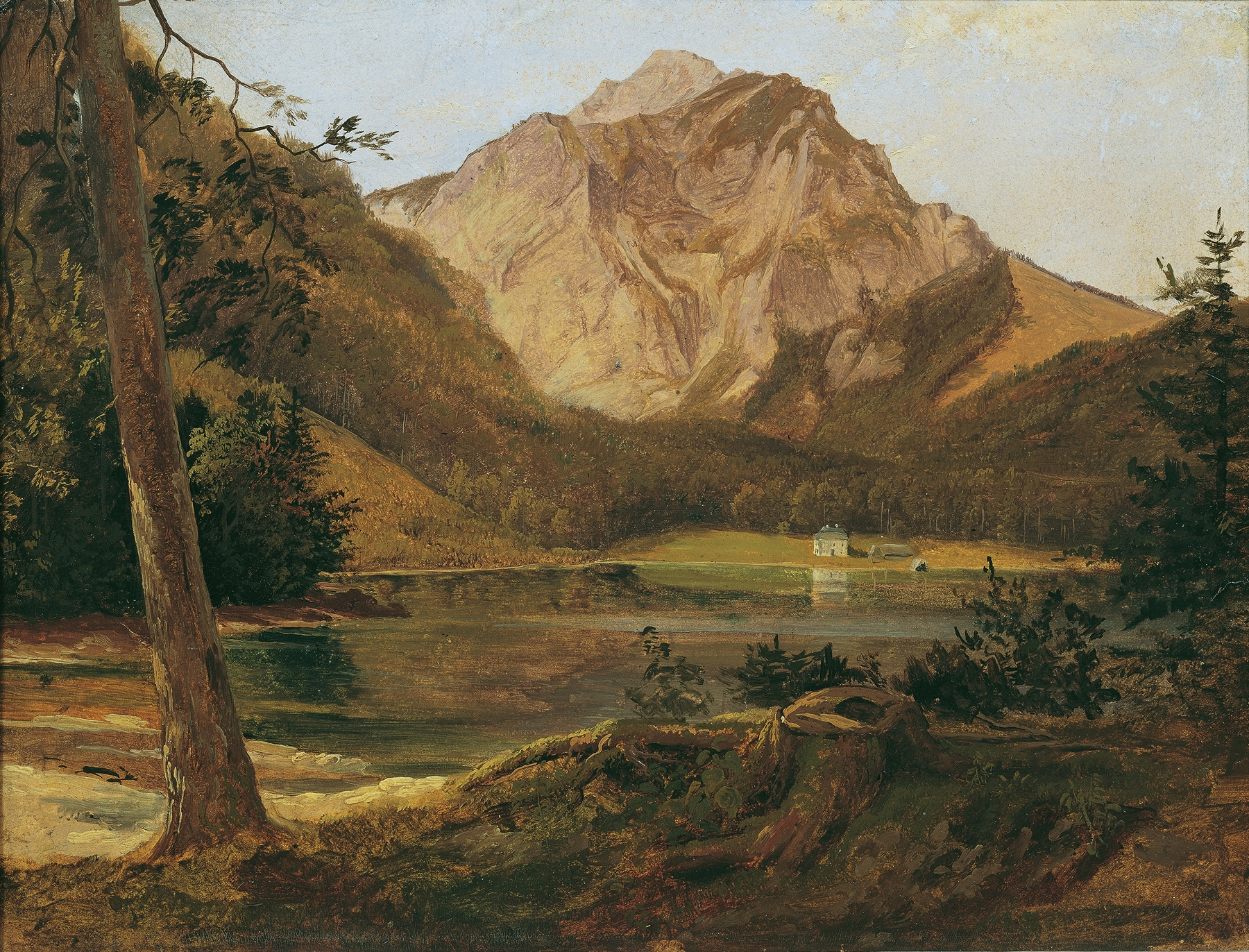
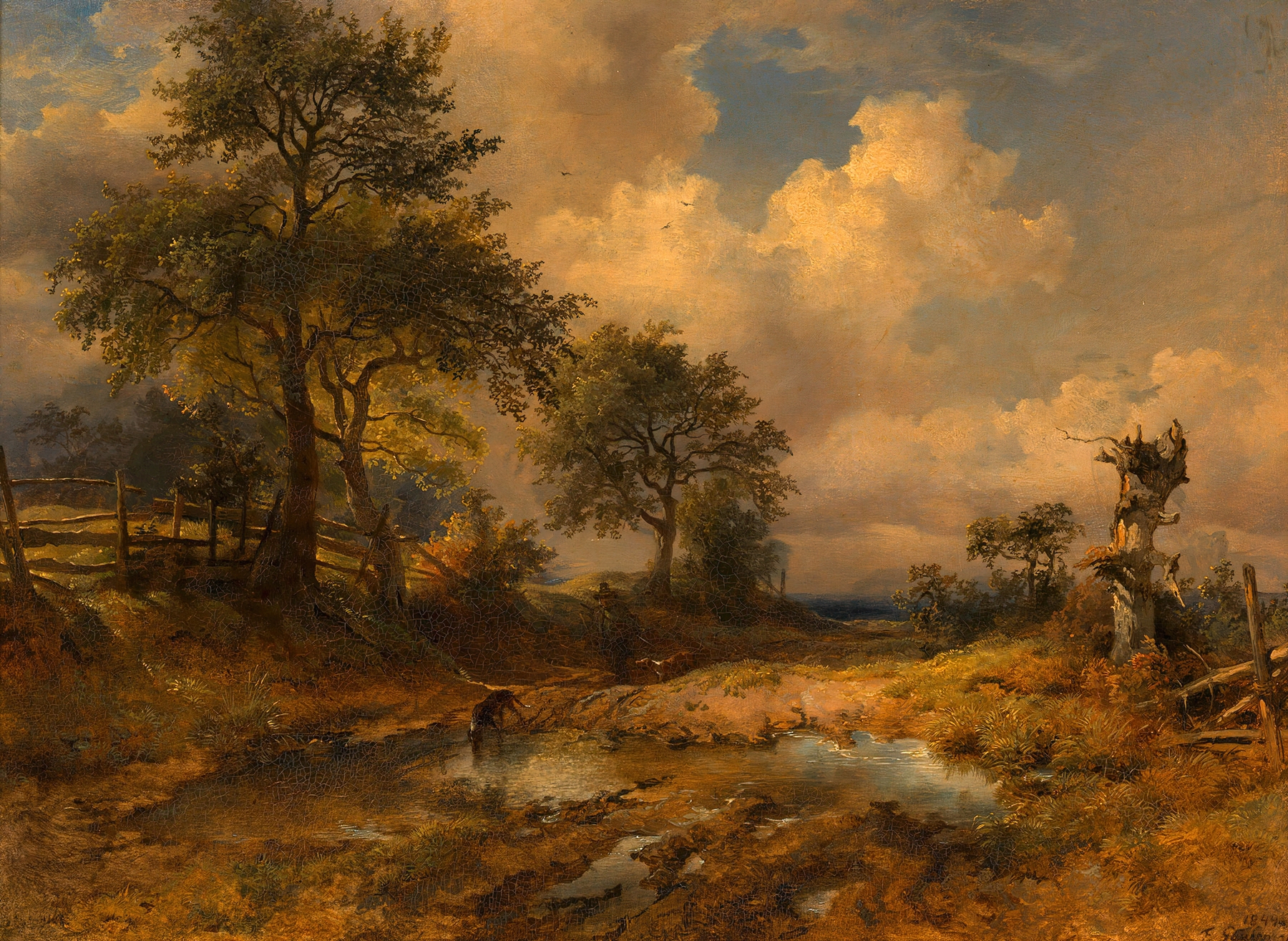
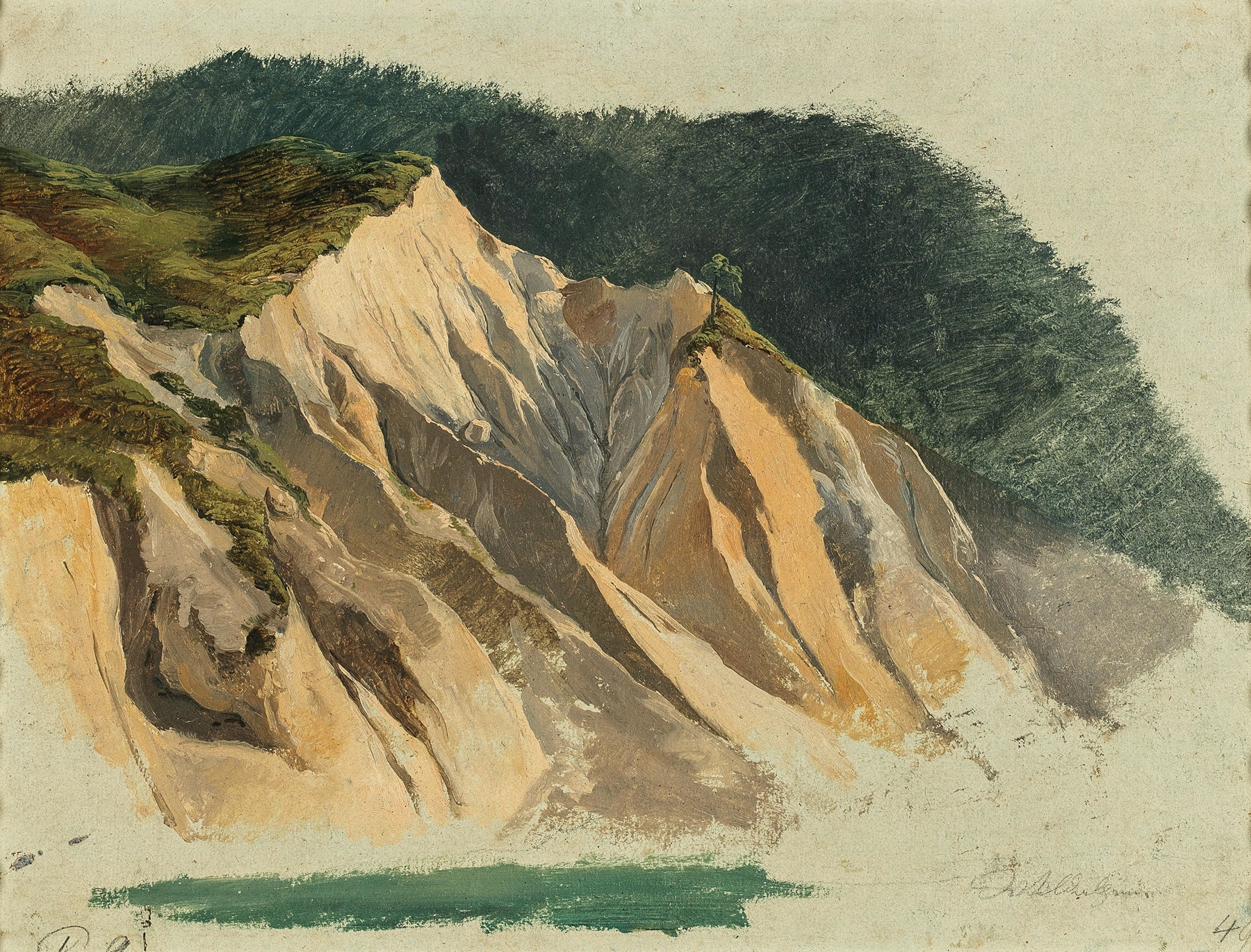
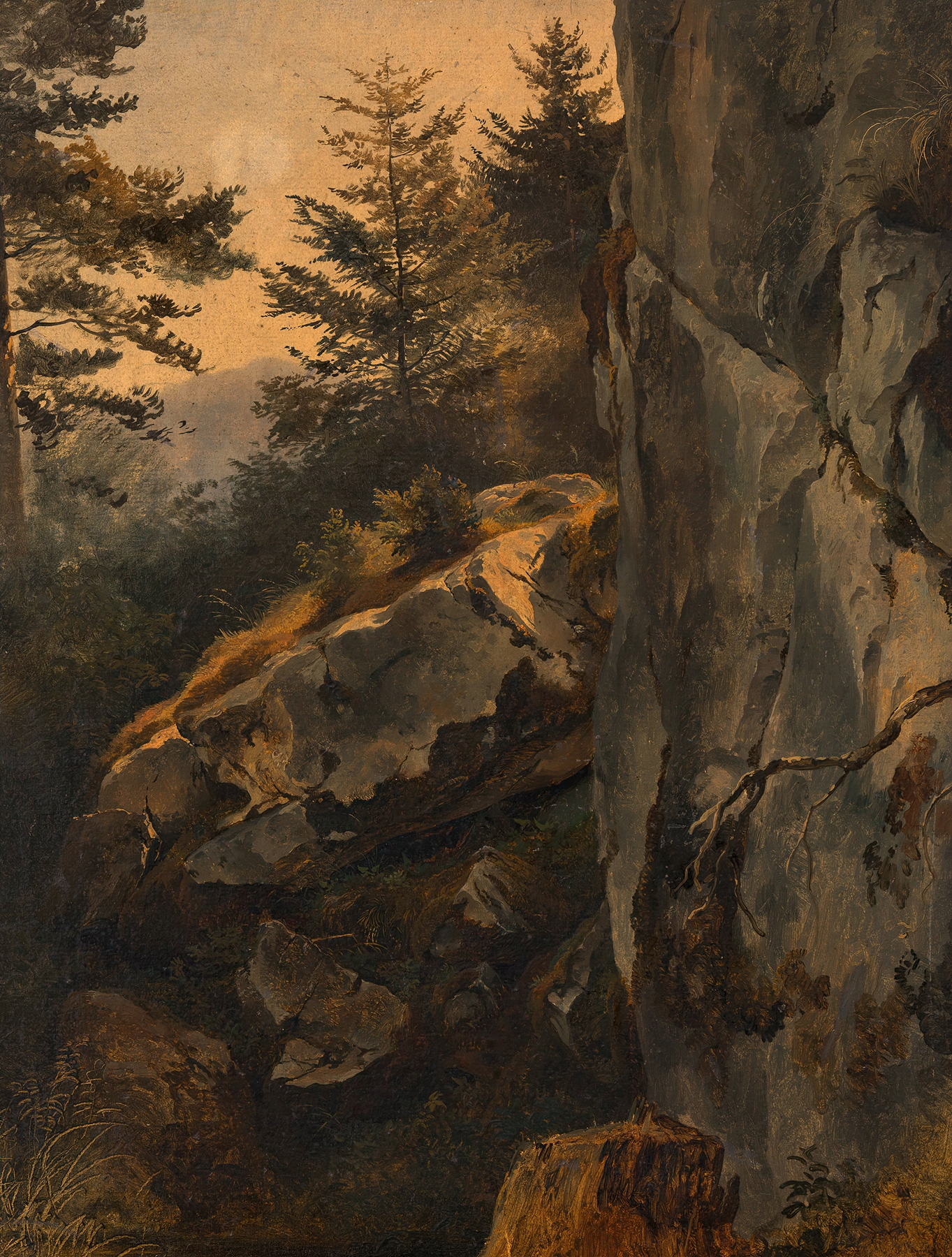
Could a single brushstroke hold eternity? In Suhlende Hirsche am Ufer eines Bergsees, Gauermann captures not just a moment but a serene dialogue with the passage of time, reflected in the tranquil beauty of nature. Look closely to the left at the luxurious green foliage, where light weaves through the leaves, allowing dappled sunlight to dance upon the forest floor. The majestic deer, resting by the crystalline lake, blend harmoniously with their surroundings, their soft browns and ambers echoing the earth tones of the landscape.
The subtle gradation of colors in the sky hints at the day's gentle transition, while the mirror-like water captures a perfect reflection, creating a sense of stillness that invites contemplation. Beneath the idyllic surface lies a deeper exploration of serenity and vulnerability. The deer, though at rest, embody a tension between tranquility and the ever-looming presence of time. Their peaceful existence is juxtaposed against the grandeur of the mountains that stand timeless and indifferent, reminding us of nature's cyclical rhythms.
The composition itself evokes a feeling of harmony, yet beneath this beauty lies an awareness of the fleeting nature of life. In 1850, Gauermann painted this work during a period marked by a growing fascination with Romanticism, which emphasized the sublime beauty of nature. Living in Austria, he was influenced by a landscape tradition that celebrated both the peaceful and tumultuous aspects of the natural world. This painting reflects his personal dedication to capturing the essence of nature while also resonating with the broader artistic movements of his time, where nature was seen as a refuge from an increasingly industrialized society.