Blick auf Liefering — History & Analysis
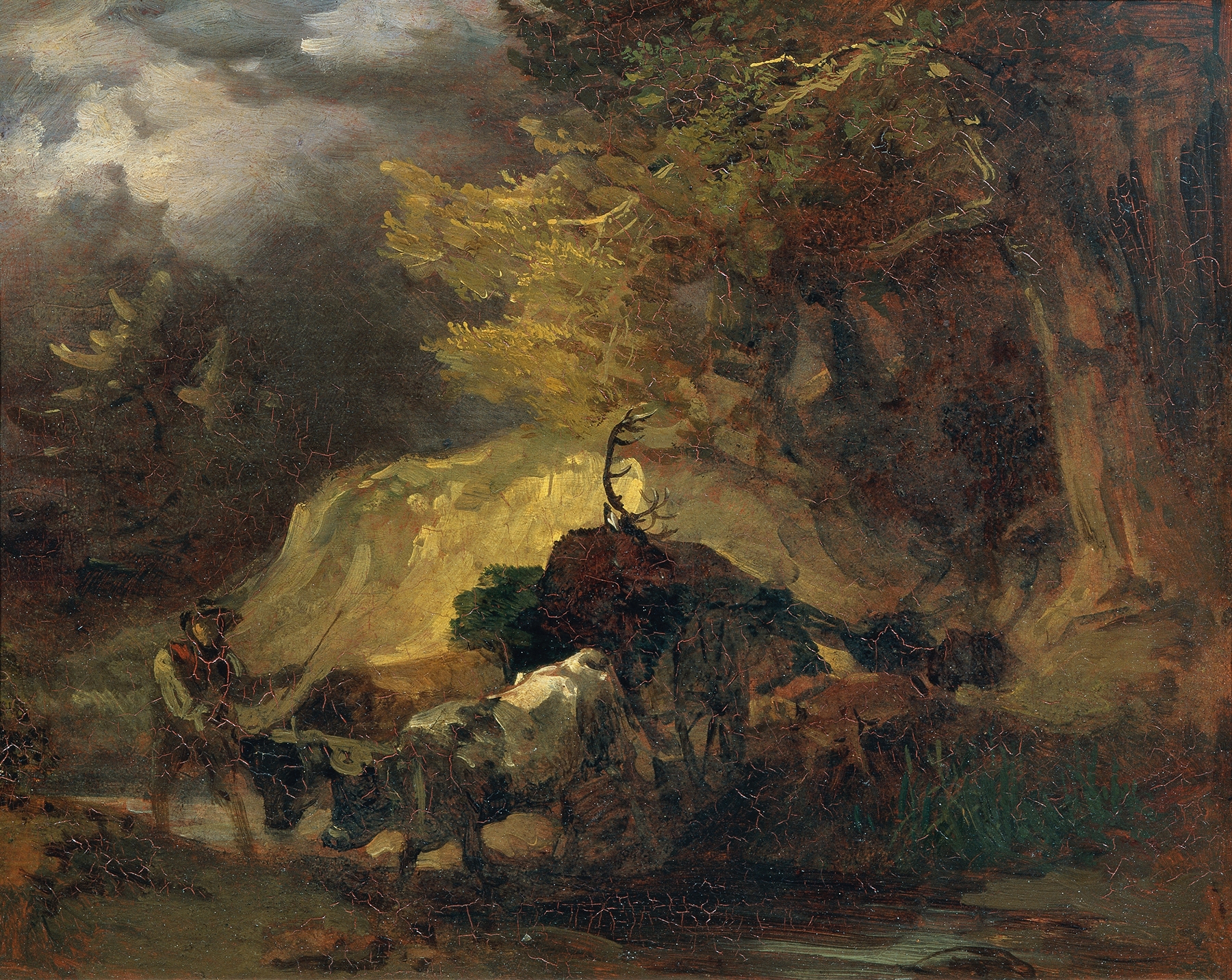
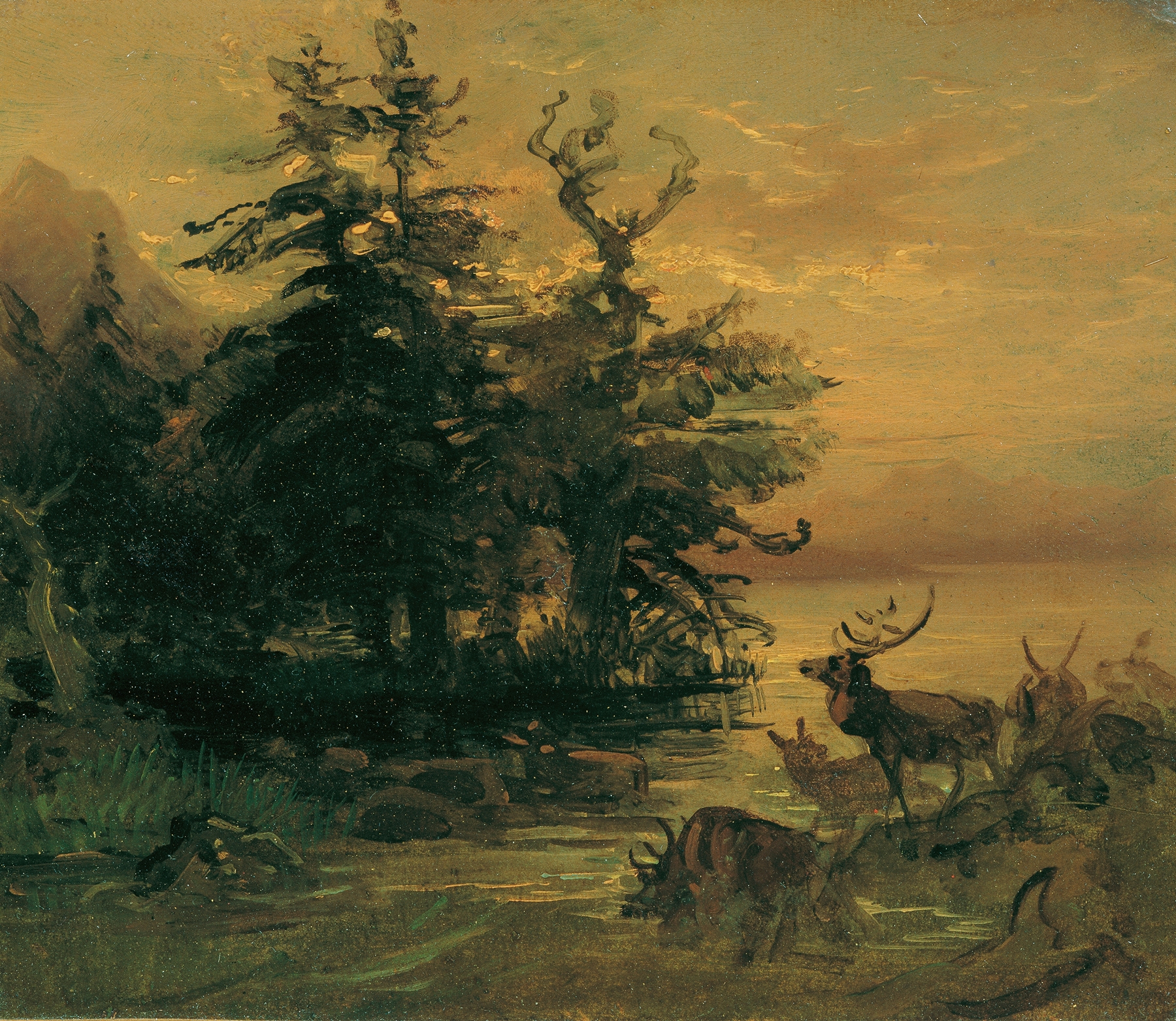
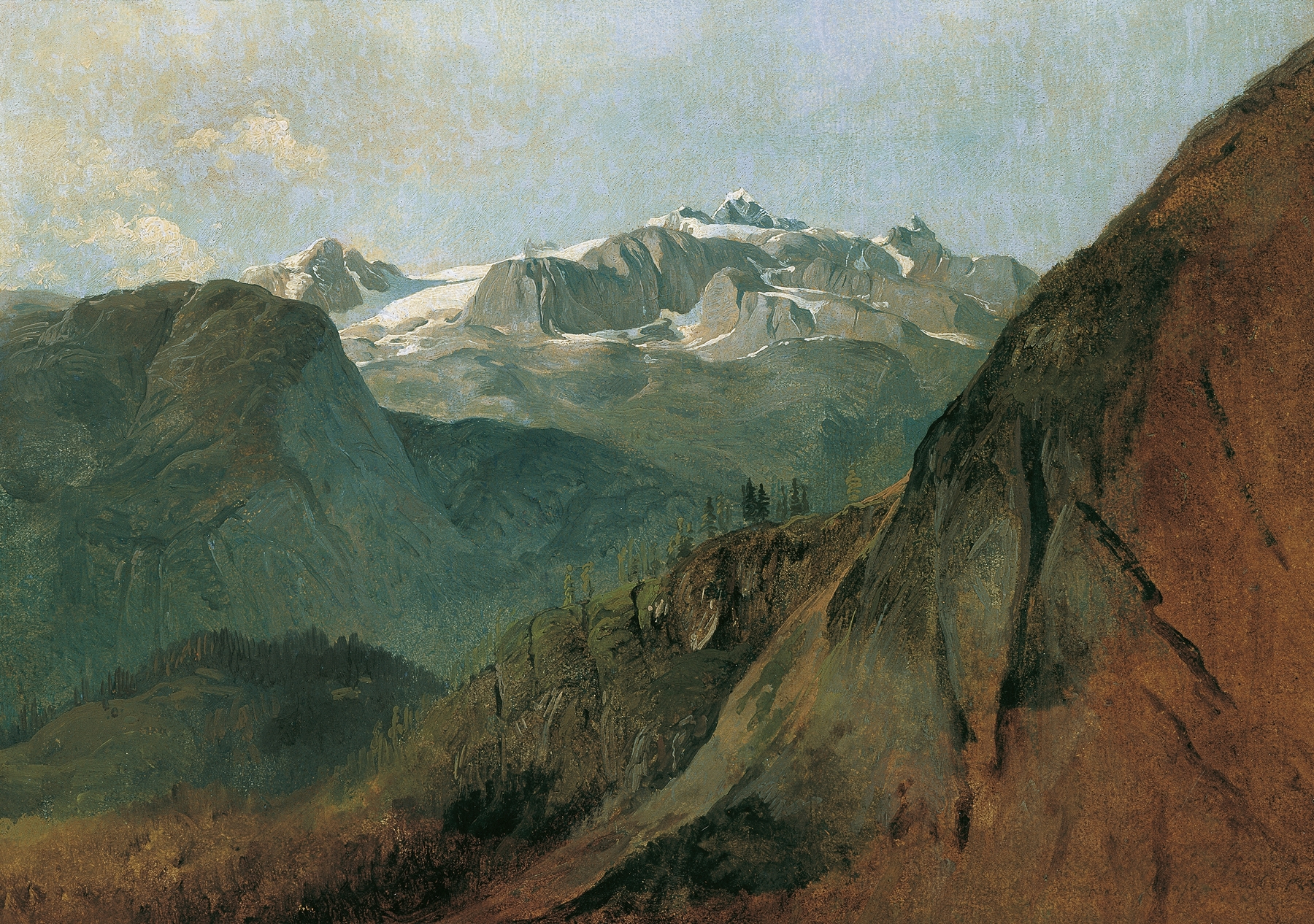
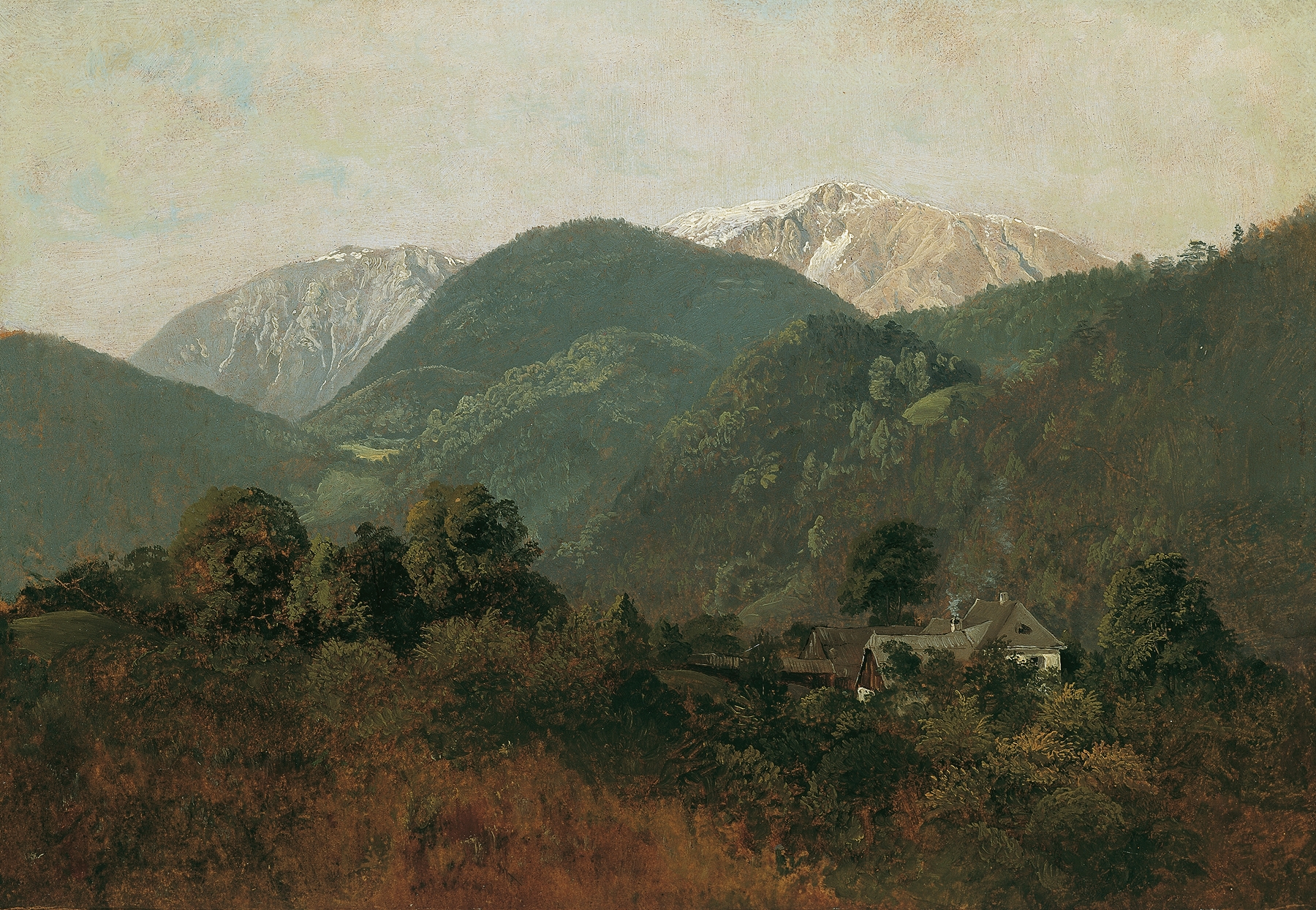
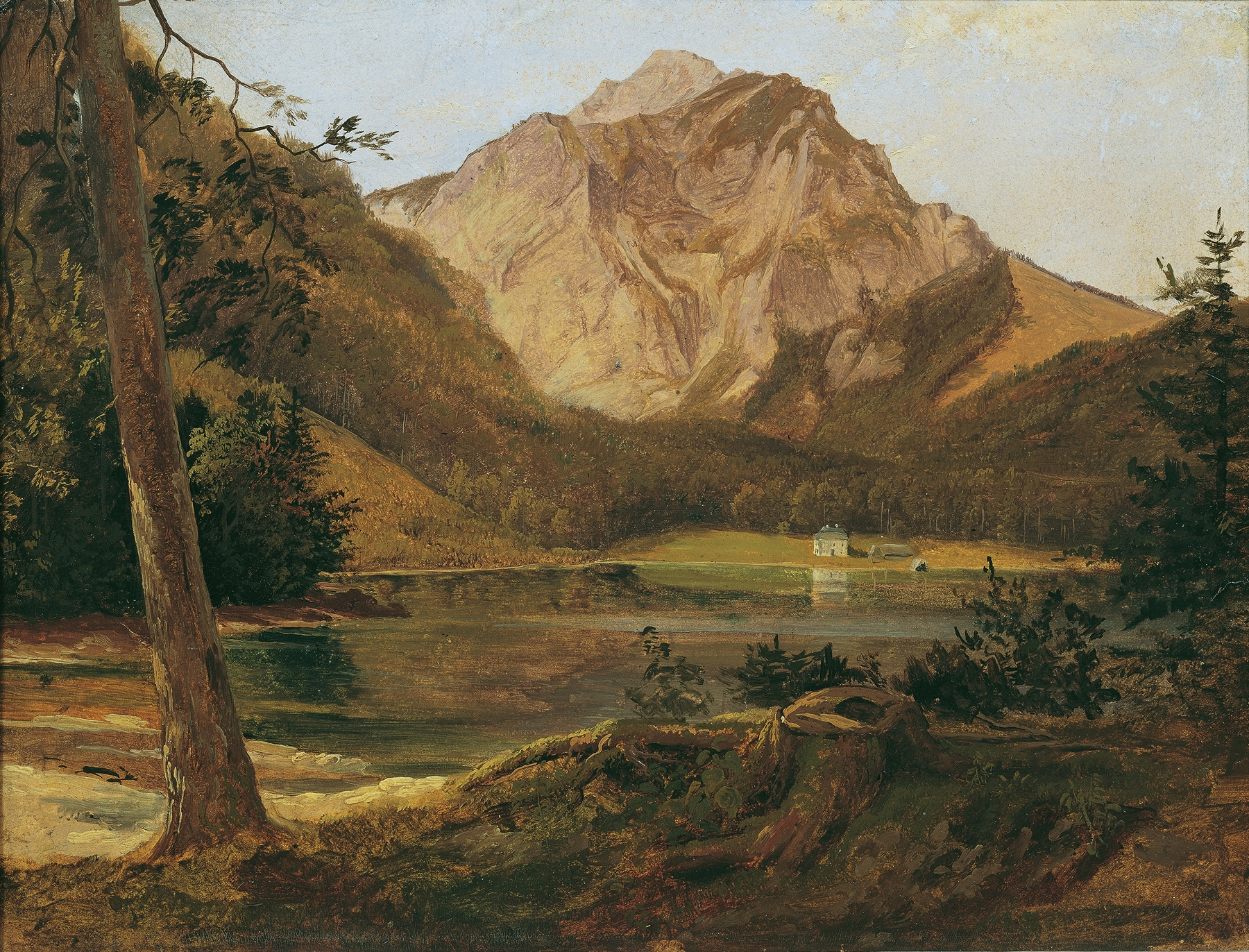
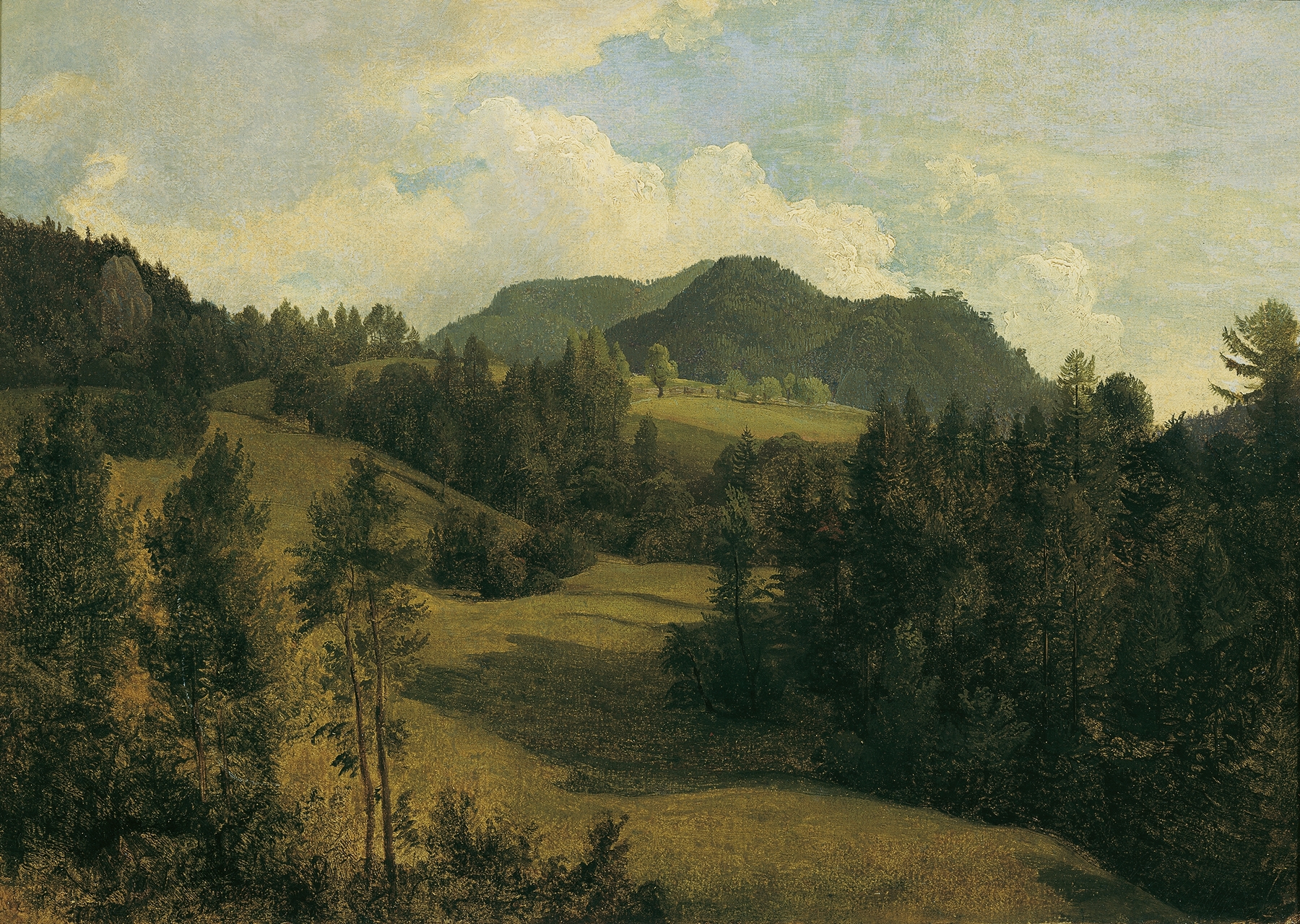
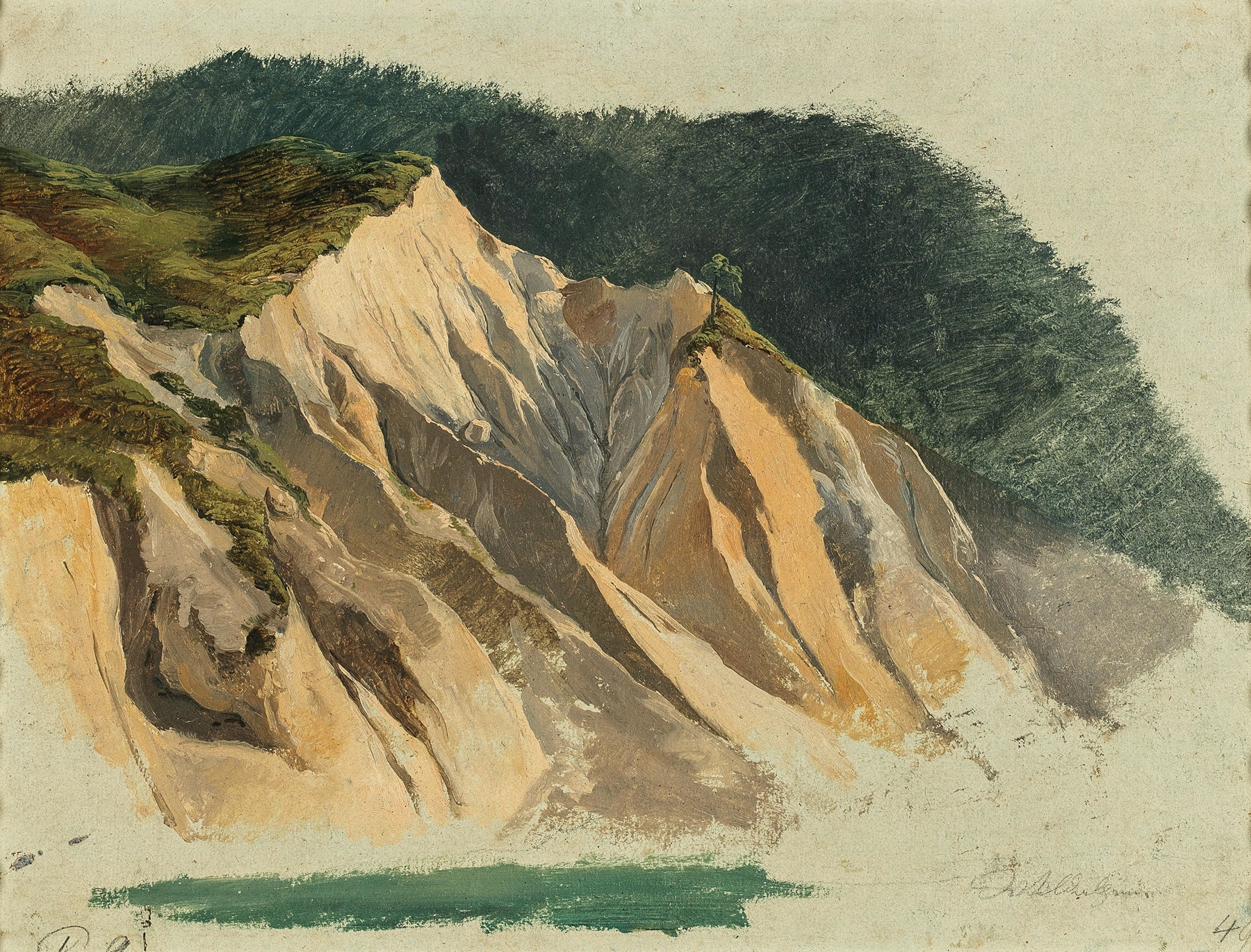
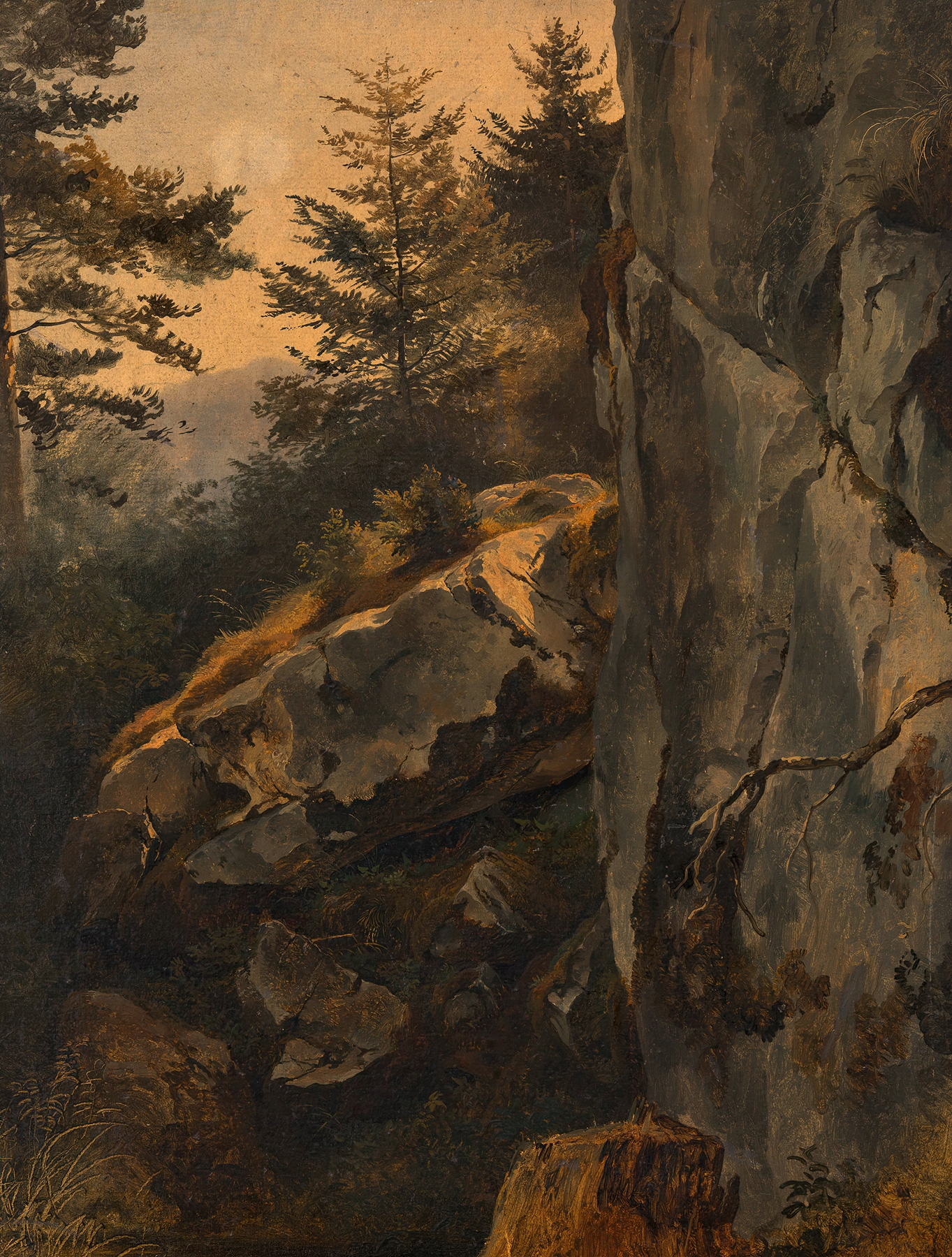
Did the painter know this moment would outlive them? In the hushed serenity of Blick auf Liefering, silence envelops the scene, inviting the viewer to pause and reflect on the stillness captured in time. Focus on the gentle curve of the landscape in the foreground, where rolling hills cradle a quaint village bathed in warm light. Notice how the soft greens and browns harmonize with the golden hues of the setting sun, creating a tranquil atmosphere.
The composition leads your eye toward the distant mountains, their cool blue tones contrasting with the warmth of the village, evoking a sense of both closeness and distance in perspective, as if the viewer is both part of the scene and an observer at once. Delve deeper into the subtleties of the artwork, where the interplay of light and shadow reveals emotional tensions. The stillness of the village contrasts with the looming mountains, suggesting a world beyond the tranquil moment—a reminder of nature's grandeur and the fragility of human life. Each brushstroke conveys a sense of time suspended, inviting contemplation about the fleeting nature of both daily life and the memories it holds.
In 1830, Gauermann painted this piece during a period of artistic exploration in Austria, where the Romantic movement flourished. The artist sought to capture the essence of rural life and the beauty of the Austrian landscape, reflecting a growing appreciation for nature in art. As he rendered Blick auf Liefering, Gauermann was immersed in a cultural milieu that celebrated both personal expression and the sublime, marking a significant chapter in his career.