Drury Lane — History & Analysis
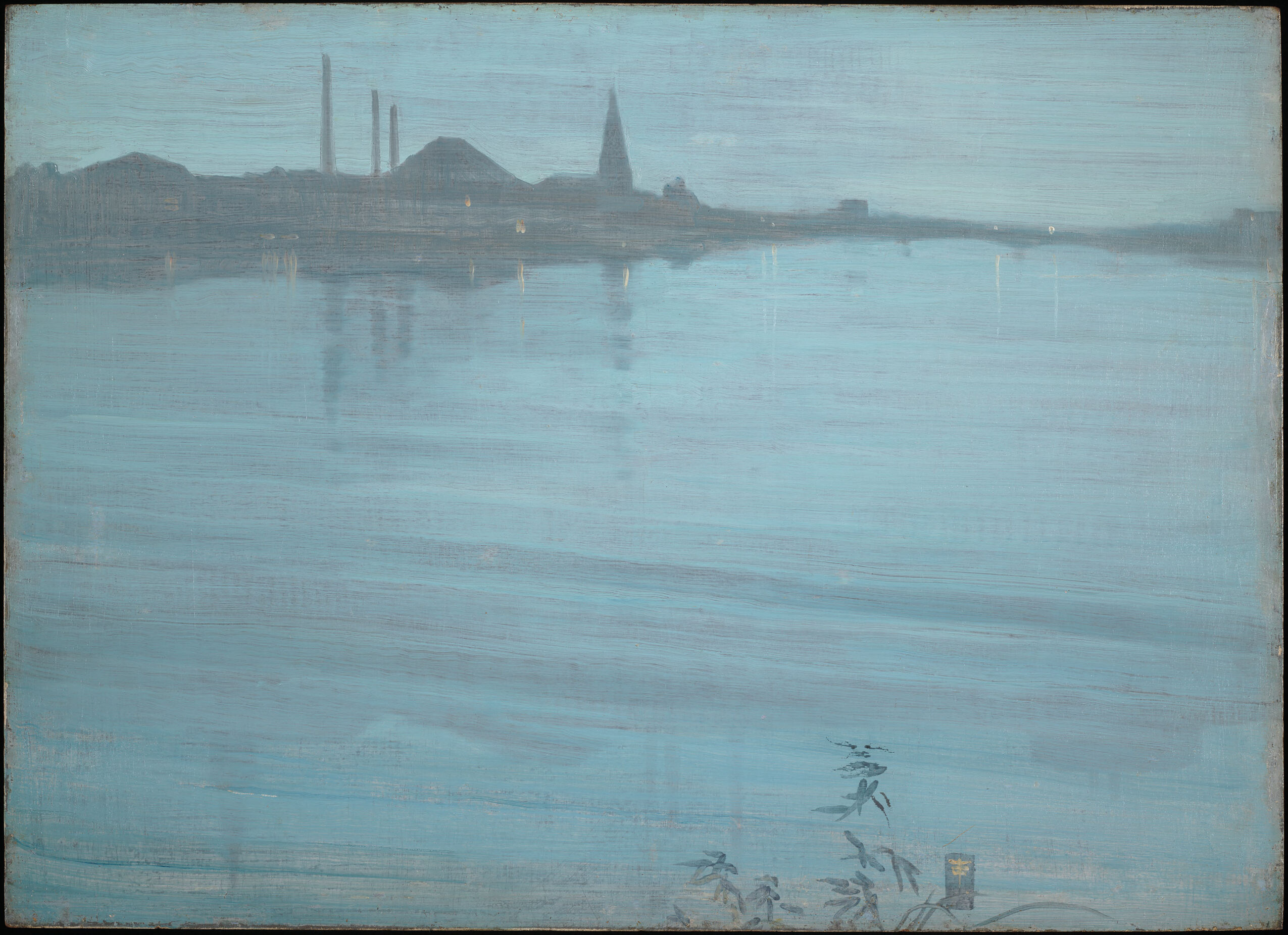
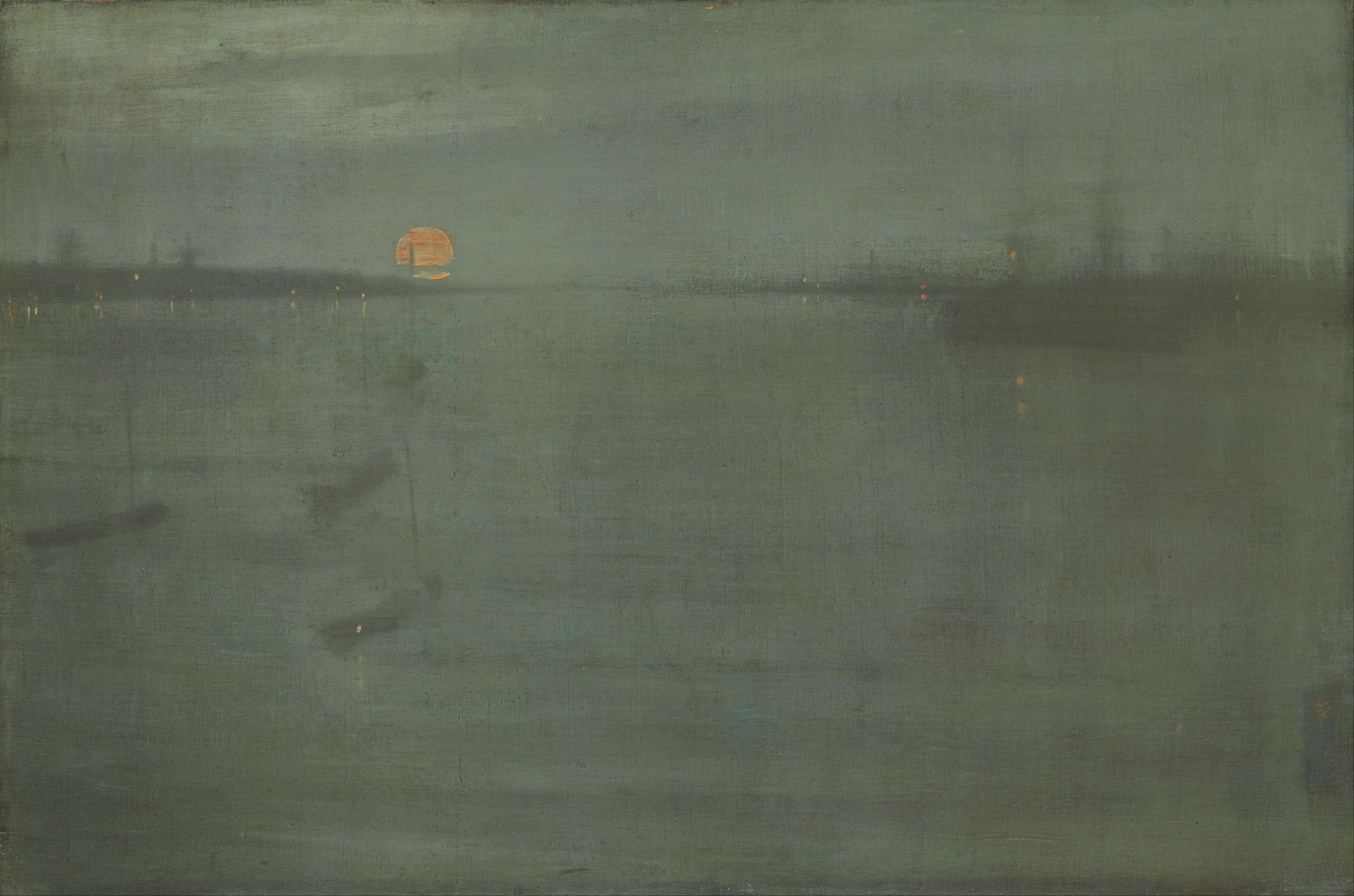
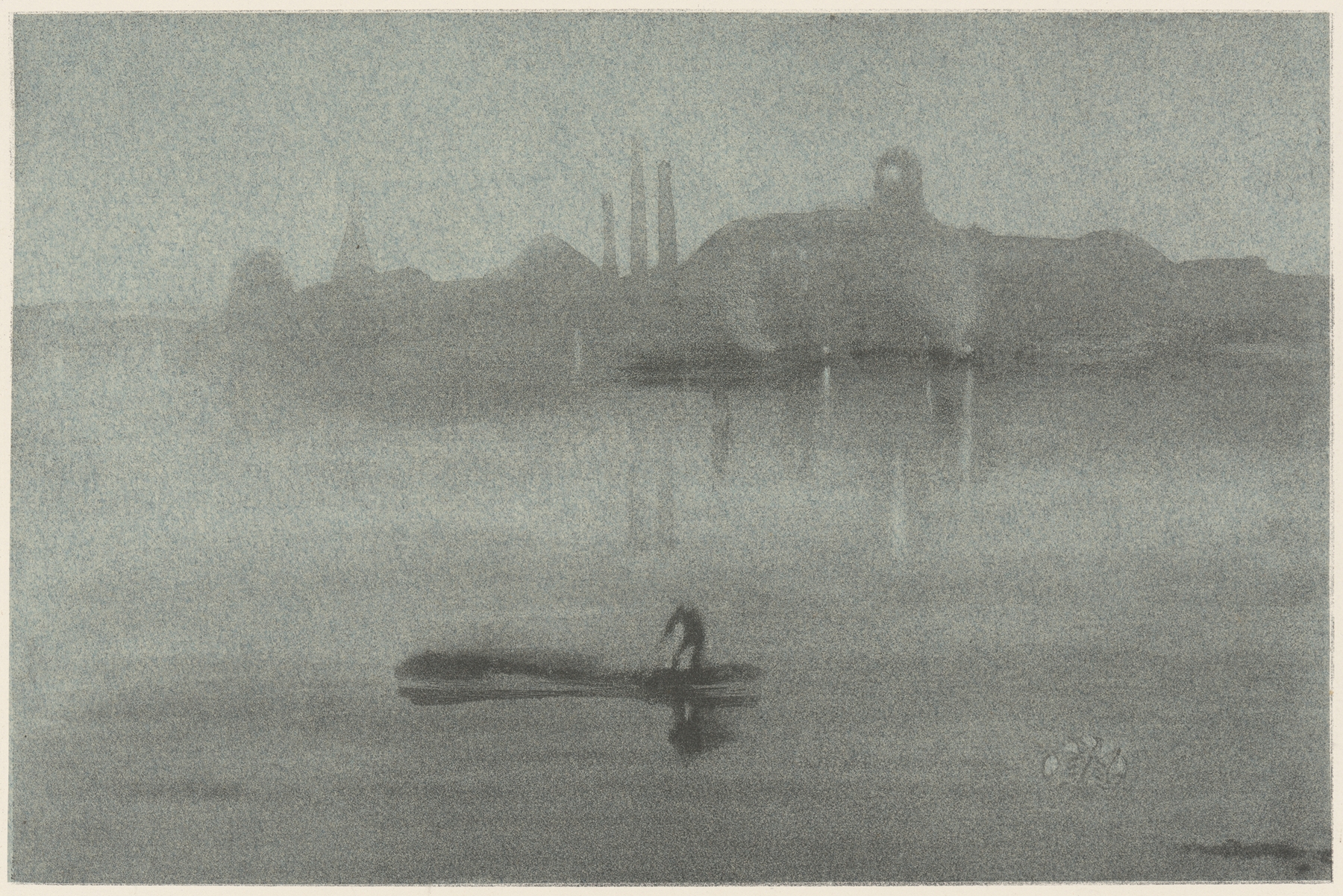
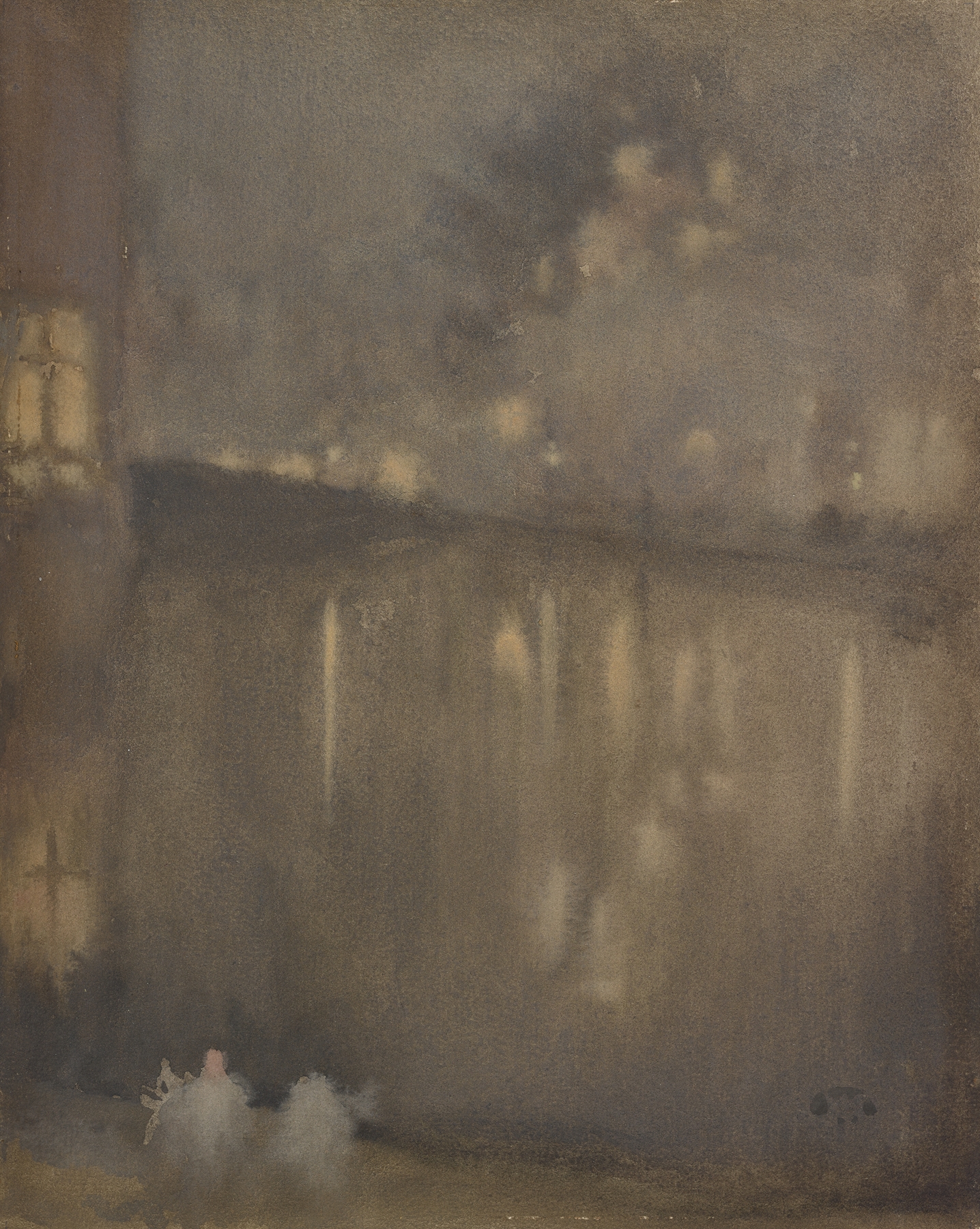
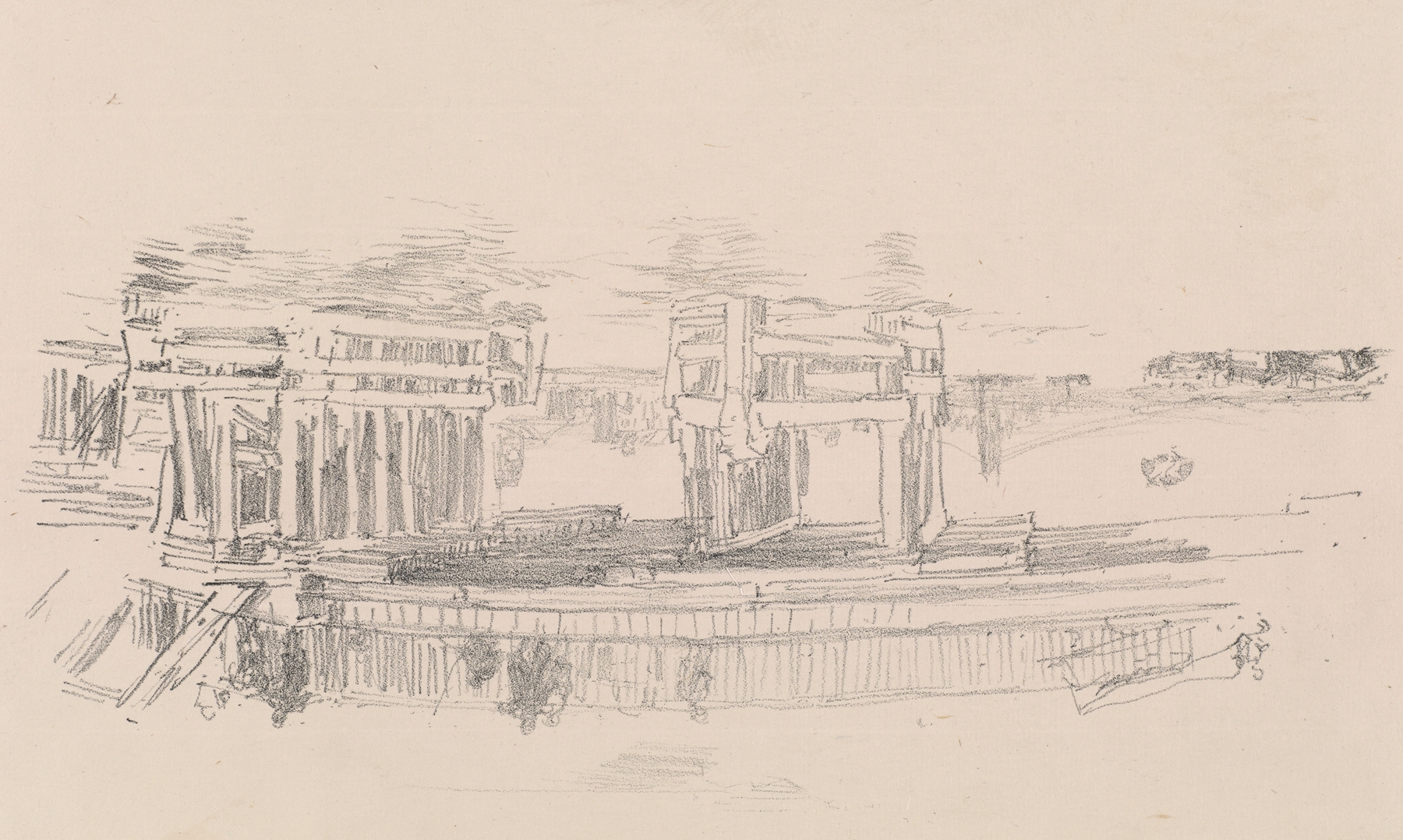
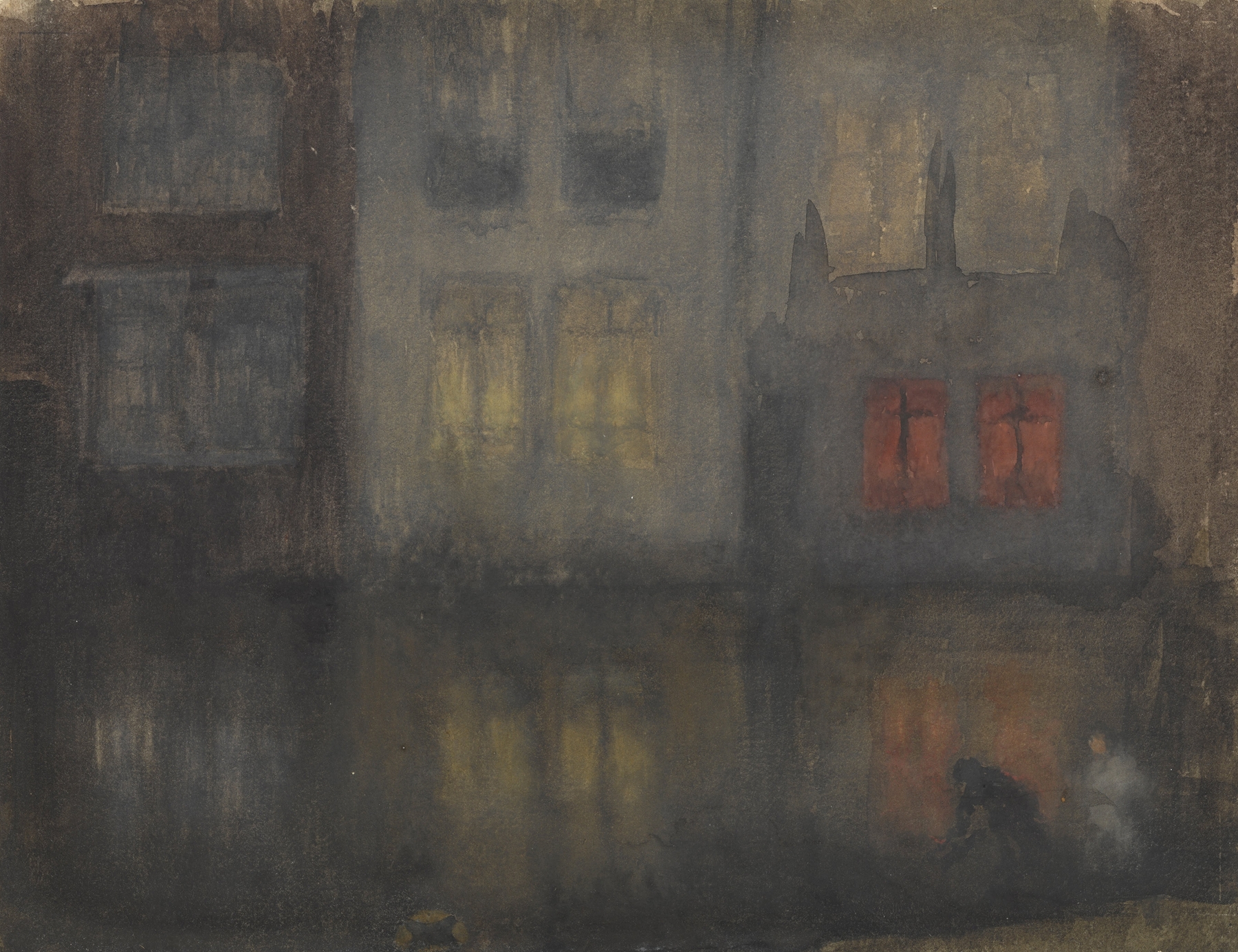
Did the painter know this moment would outlive them? The silent intimacy of Drury Lane evokes a world suspended in time, where yearning lingers in the air like a haunting melody. Look to the left at the gentle haze that envelops the figures, a delicate blend of warm browns and muted grays. Whistler's masterful brushwork creates an atmosphere that feels both intimate and expansive, inviting the viewer to step into the scene yet holding them at bay.
The play of light filtering through the fog highlights the expressions of the passersby, their faces caught in a moment of reflection and connection, while the architecture looms overhead, a ghostly presence that both shelters and isolates. The contrast between the dark shadows and the soft luminosity reveals a tension between the known and the unknown. Each figure seems to carry their own story, a silent dialogue of lost hopes and unfulfilled dreams. Whistler captures not just a street scene, but the essence of humanity—every glance and gesture speaks to a deeper longing for connection, evoking a bittersweet sense of nostalgia.
During the years 1880-1881, the artist, nestled in London, was at the forefront of the Aesthetic Movement, which celebrated beauty in art for art's sake. It was a period of personal triumph, yet Whistler faced tumultuous times, both in his career and personal life. This painting emerged as a response to the modernity around him, encapsulating the essence of urban existence while forging a distinctively intimate narrative connected to the broader human experience.