Dusk on the Dead Sea — History & Analysis
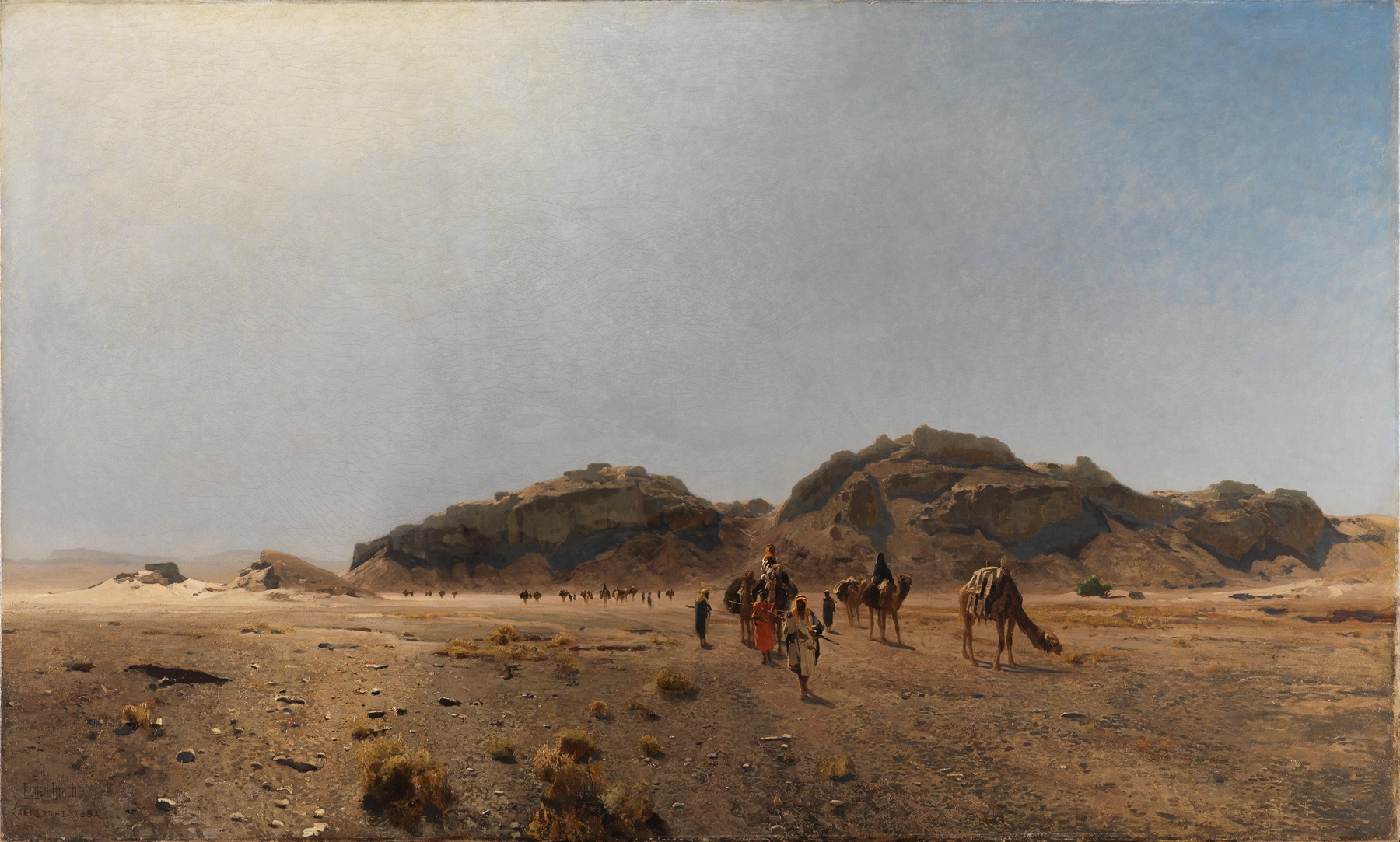
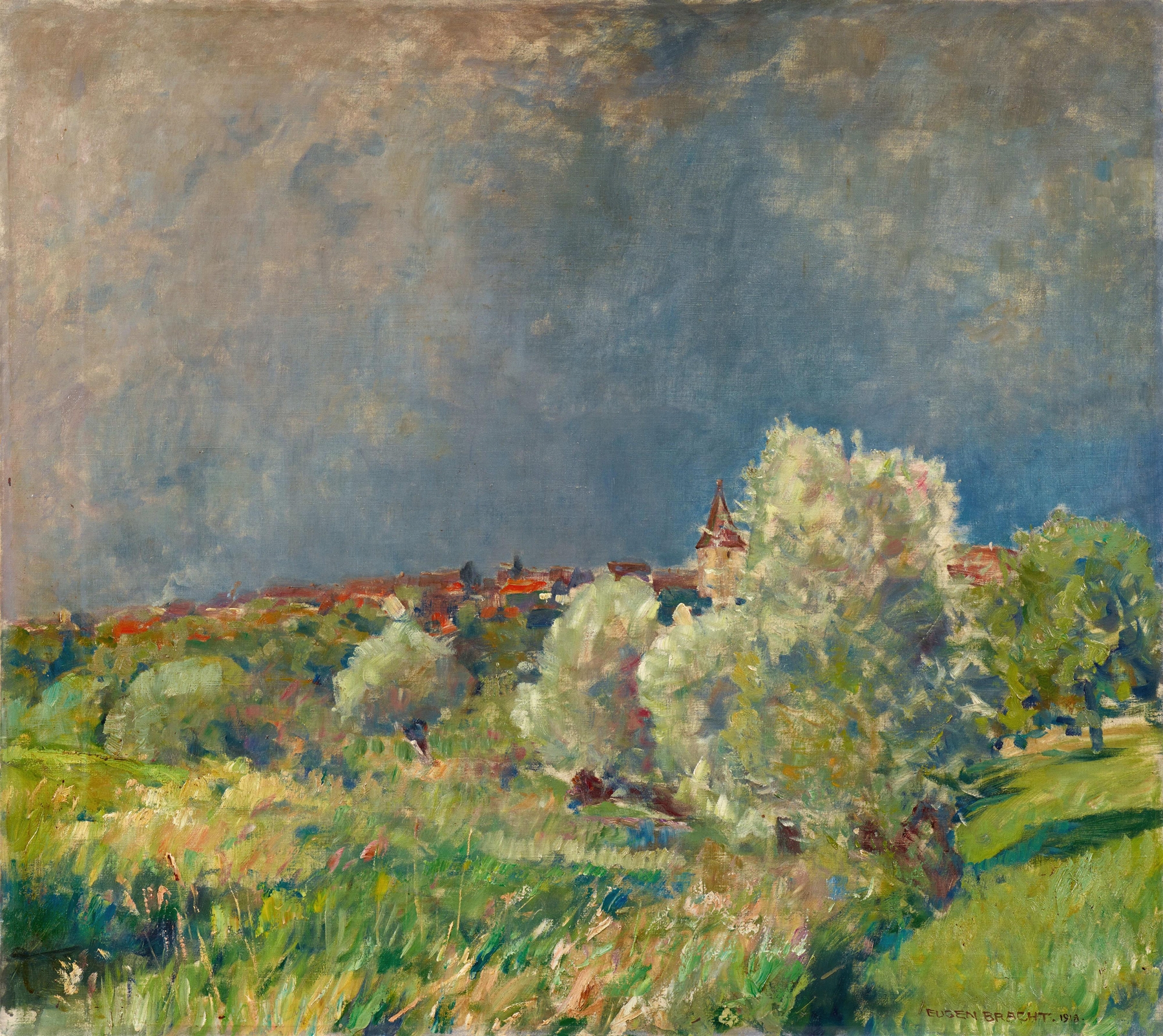
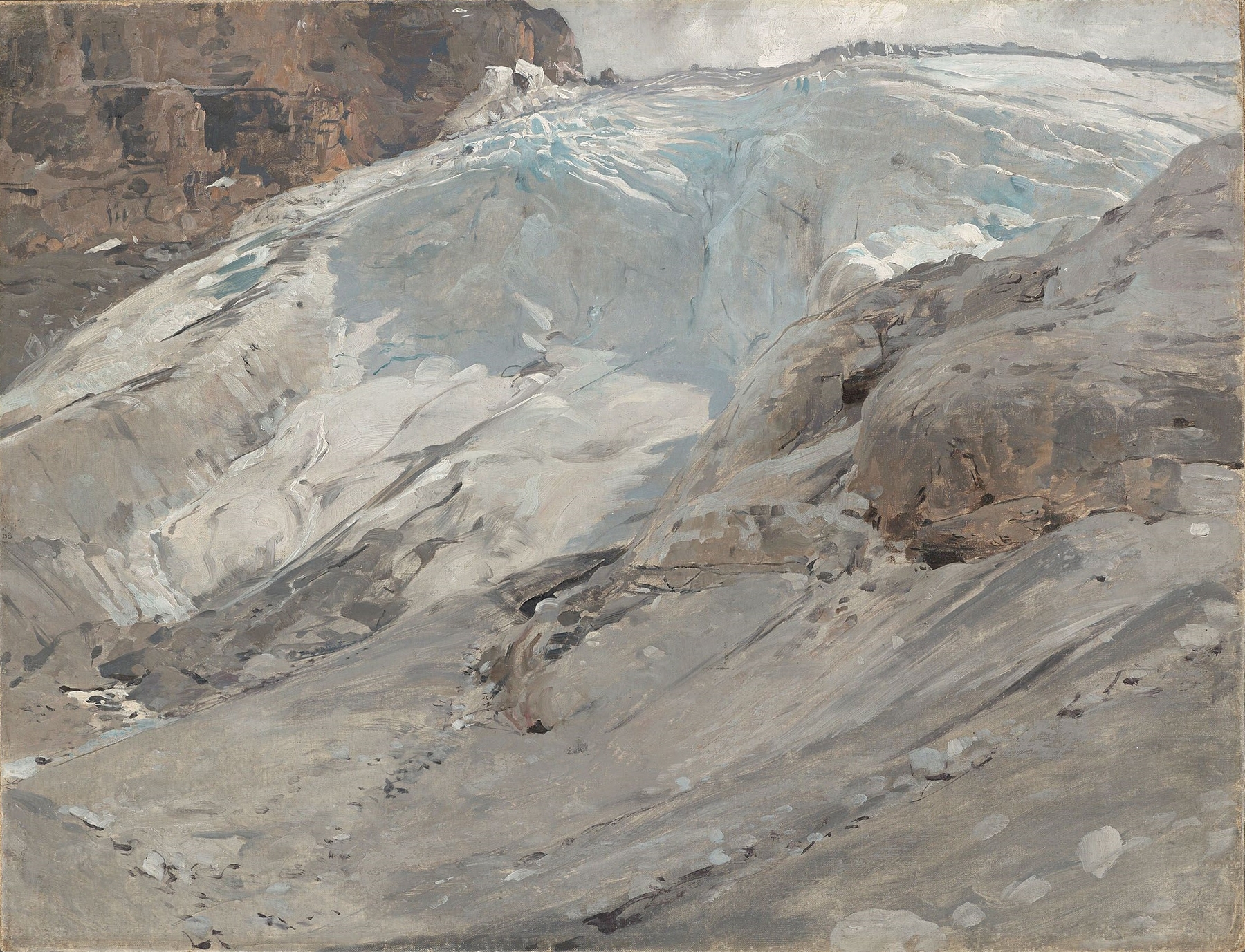
“Every silence here is a confession.” In the stillness of the twilight, the weight of grief lingers like the unyielding salt on the shores of an ancient sea. The fading light casts long shadows, illuminating the deep blues and warm purples as day surrenders to night, each hue layered with unspoken sorrow. Look to the center of the canvas, where the horizon kisses the water, a fluid boundary between the heavens and the desolation beneath. Notice how the light dances gently on the surface, creating a shimmering pathway that seems to lead into the unknown.
Bracht’s deft brushwork captures the essence of dusk, blending colors in a way that evokes both beauty and melancholy, inviting the viewer to lose themselves in the vastness. In the foreground, the salt-encrusted rocks stand resolute, their stark texture contrasting with the soft gradients of the sky. This juxtaposition symbolizes the tension between life's harsh realities and the ethereal beauty of the moment.
The quiet waves ripple softly, as if whispering secrets of loss, while the distant mountains loom like guardians of forgotten memories, adding to the painting's emotional depth. Eugen Bracht painted this masterpiece in 1881 while exploring the landscapes of the Holy Land, during a time when artists were increasingly drawn to the evocative power of nature. Influenced by the Romantic movement, he sought to express the spiritual and emotional weight of his surroundings, reflecting a world grappling with both wonder and lament.