Fishing Boats off a Rocky Coast — History & Analysis
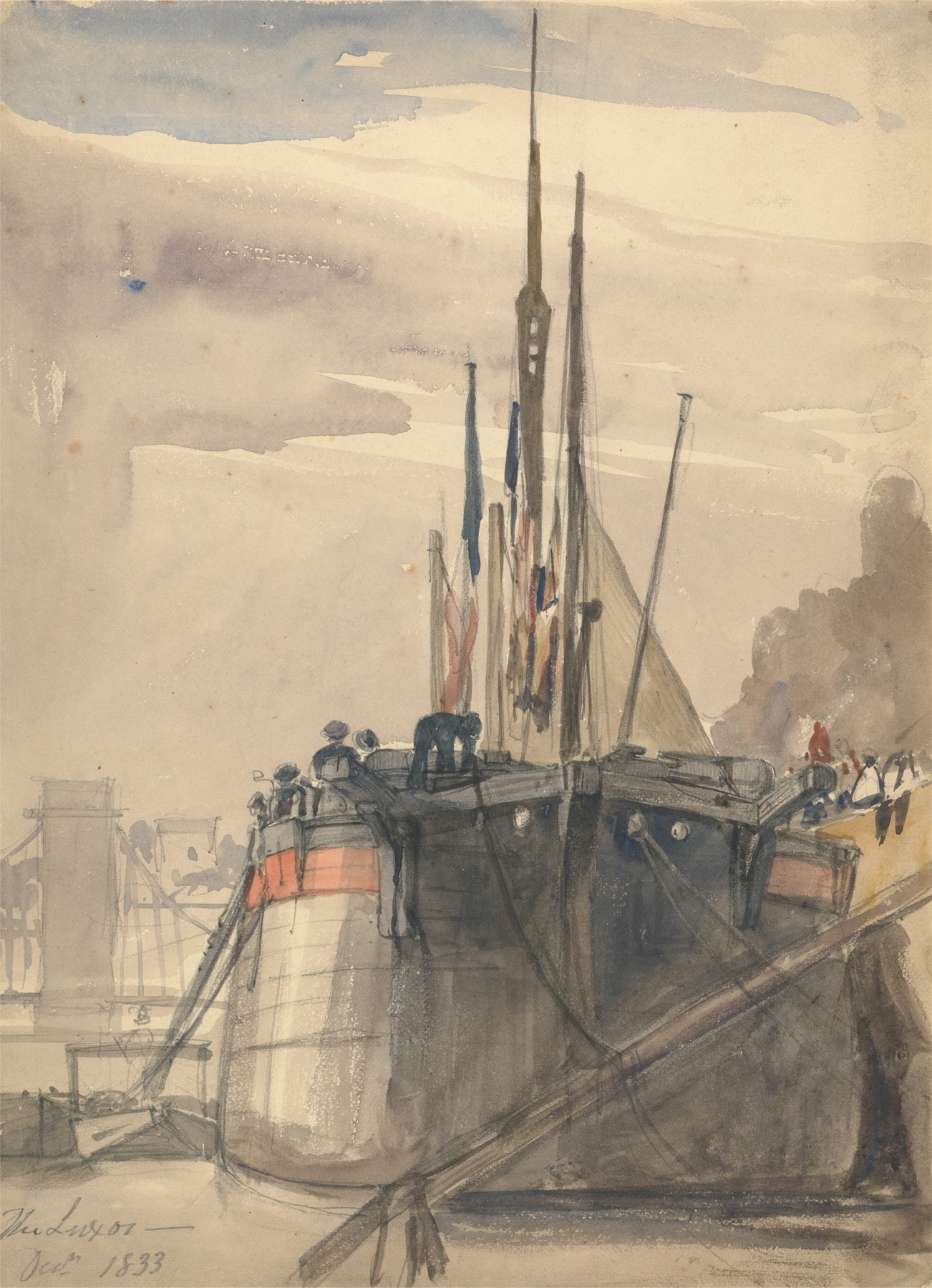
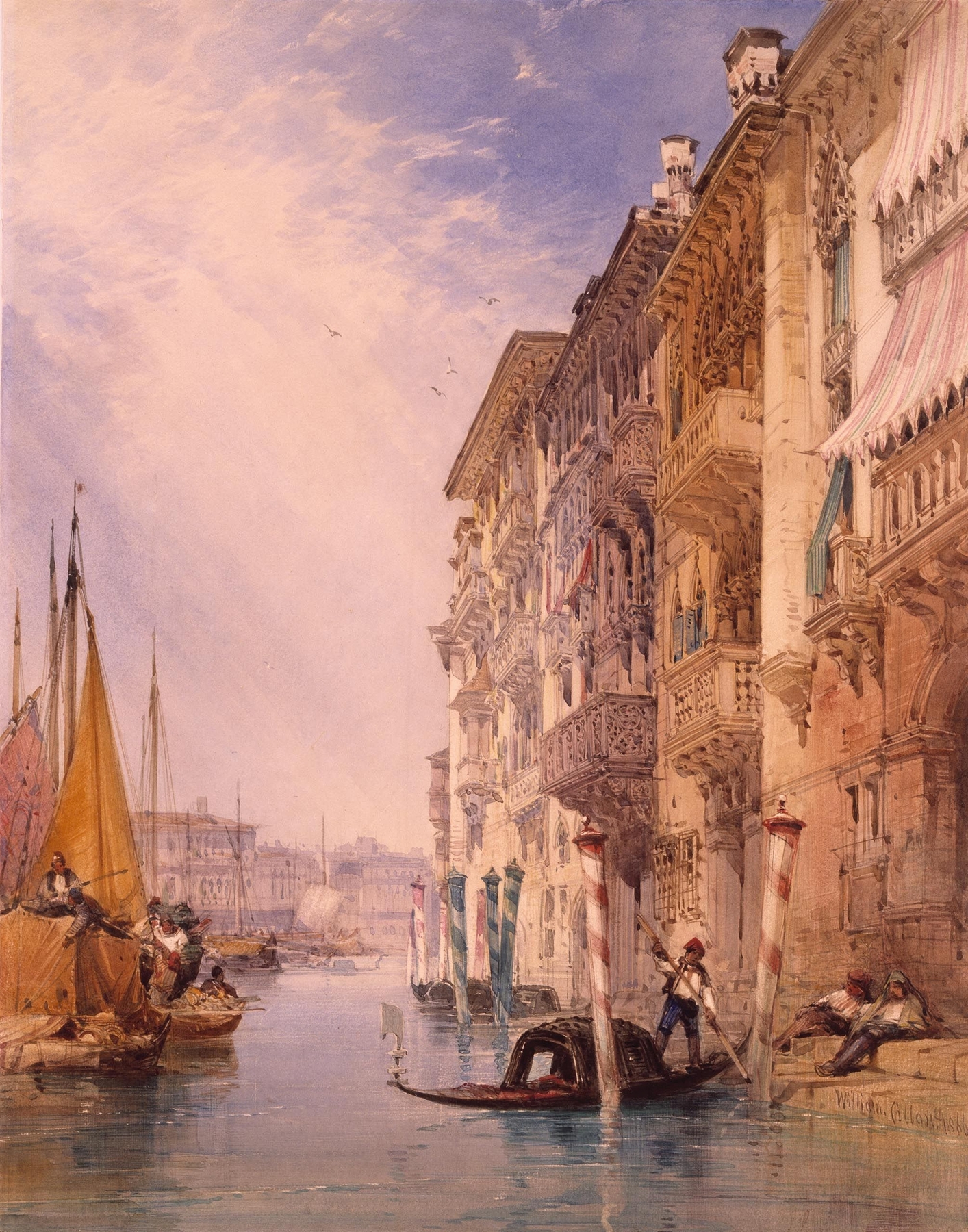
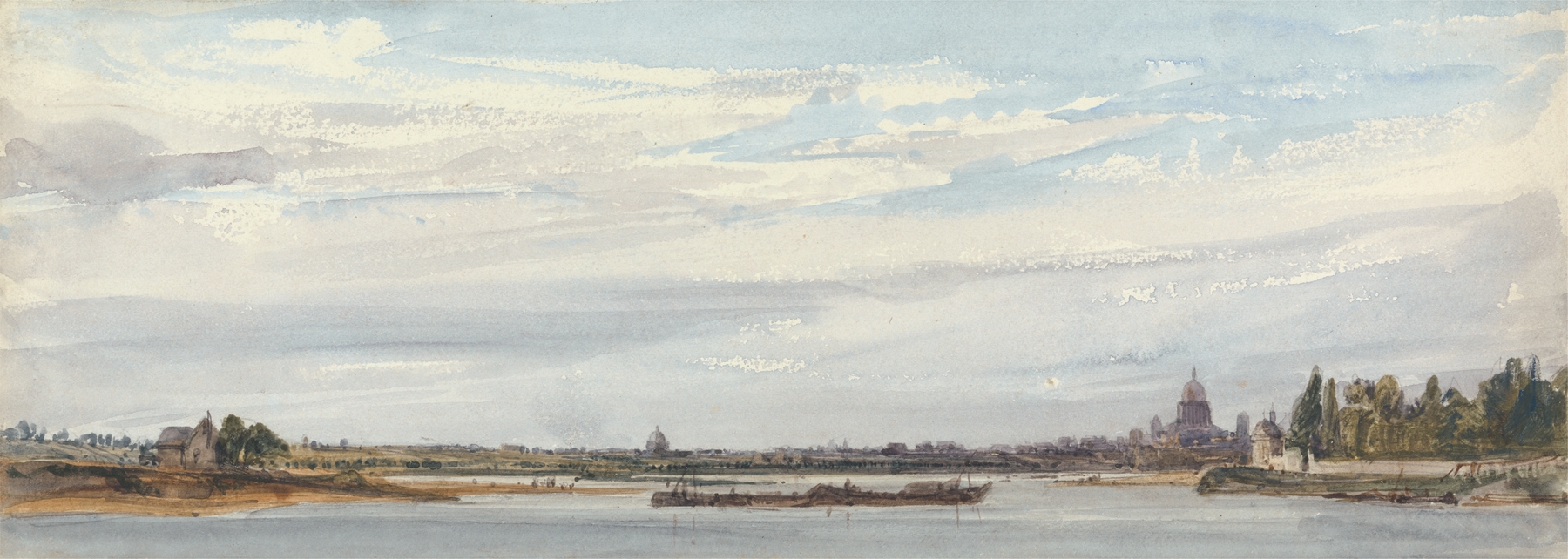
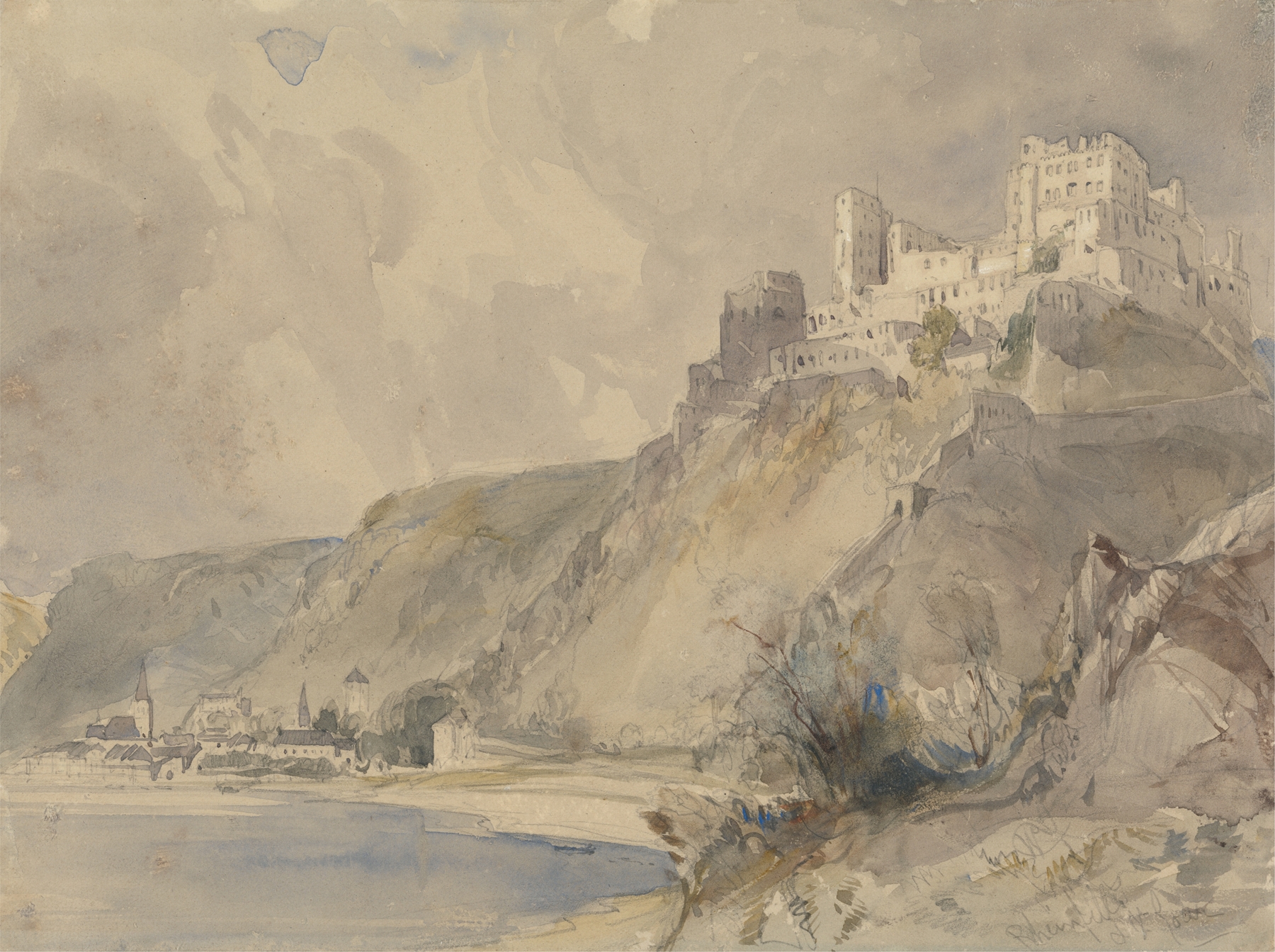
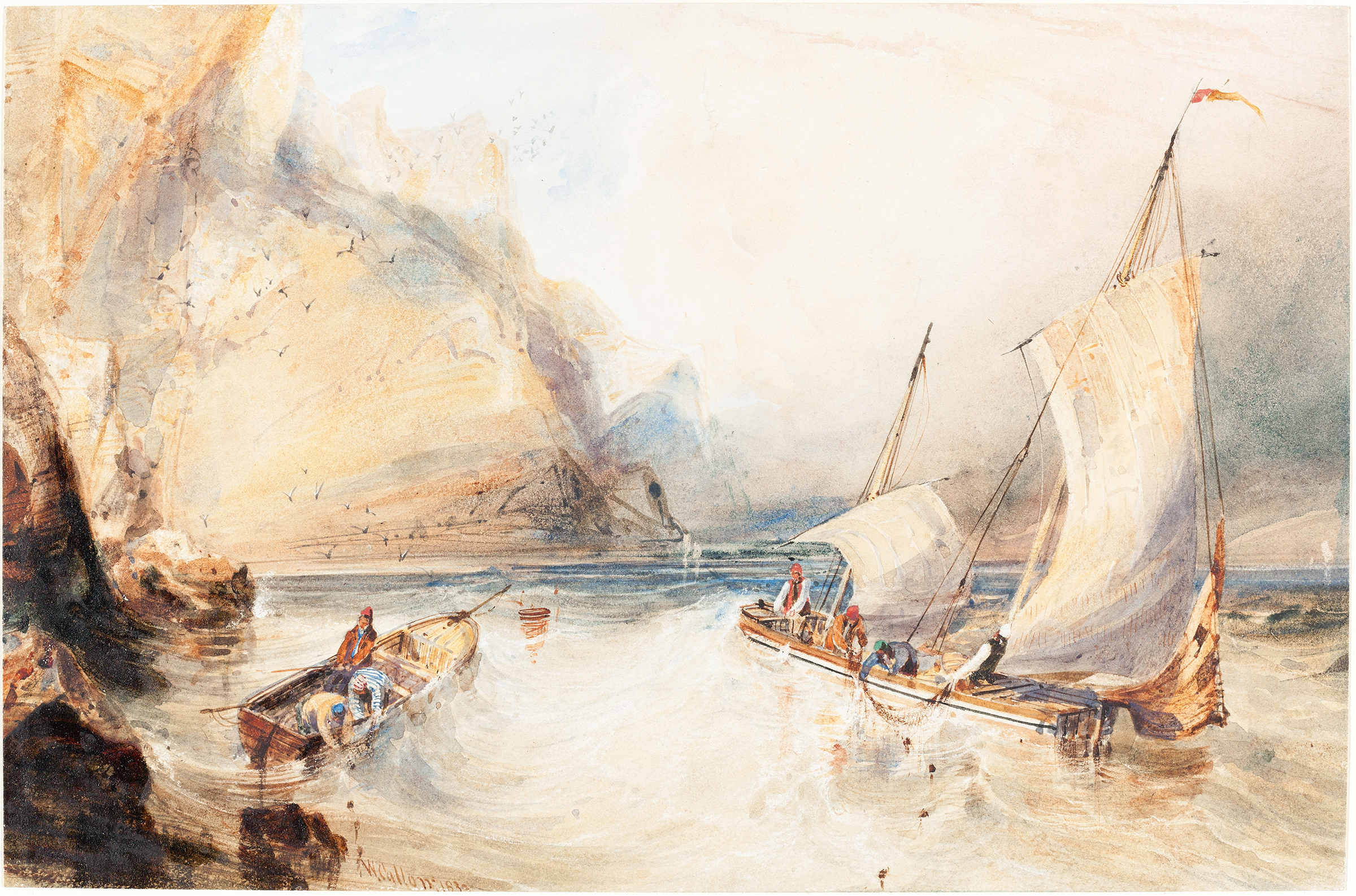
“Sometimes beauty is just pain, disguised in gold.” This sentiment echoes through the waves and shadows of a coastal scene that captures the heart’s inherent turmoil. The juxtaposition of serene beauty and underlying grief invites contemplation, urging the viewer to delve deeper into the narratives concealed beneath the surface. Focus first on the horizon, where subtle strokes of blue merge seamlessly with delicate wisps of cloud, creating a backdrop of tranquility. Now, shift your gaze to the sturdy fishing boats, their muted colors contrasting vividly against the rocky coast.
The artist’s brushwork conveys a sense of movement, as if the waves are whispering secrets to the weary vessels. Pay attention to the way light dances across the water, illuminating the boats while casting dark shadows upon the rocks—this interplay of light and shadow reflects the duality of hope and despair. In these elements lie hidden meanings: the boats represent resilience, navigating the unpredictable sea, while the rugged coastline serves as a metaphor for life's challenges and losses. The soft yet somber palette evokes a sense of nostalgia, evoking memories of journeys undertaken and the grief of those left behind.
The stillness of the scene is almost palpable, reminding us that beauty can often mask sorrow, and yet it is in this contrast that we find our humanity. William Callow painted this piece in 1833 while residing in England, during a time when Romanticism flourished. His exploration of landscapes, marked by emotional depth and atmospheric nuances, reflected both the personal challenges he faced and the broader societal changes of the era. The painting encapsulates a moment in which nature becomes a canvas for human emotion, intertwining the artist's experience with the elements he so passionately portrayed.