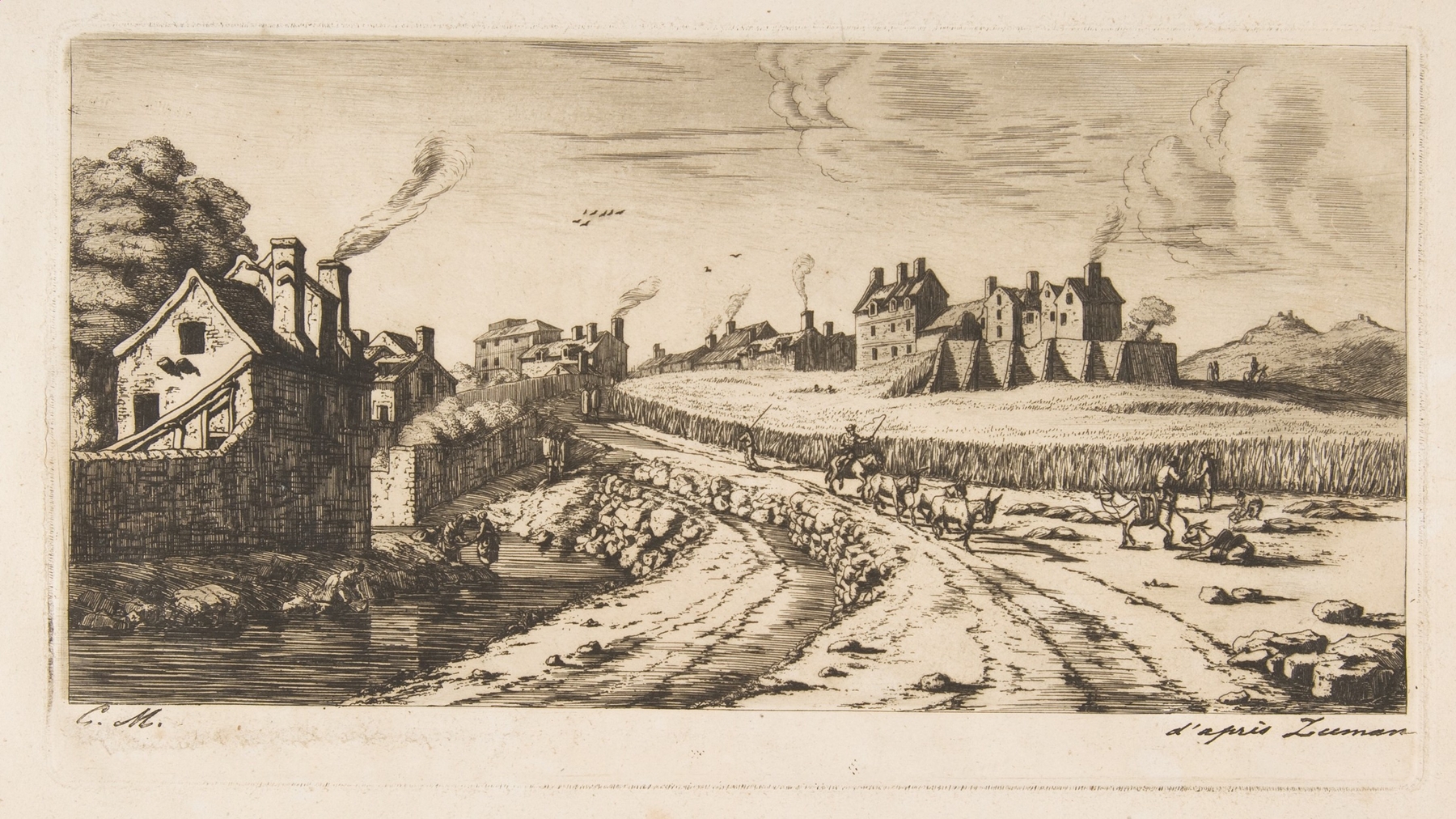
Entrance to the Faubourg Saint-Marceau, Paris — History & Analysis
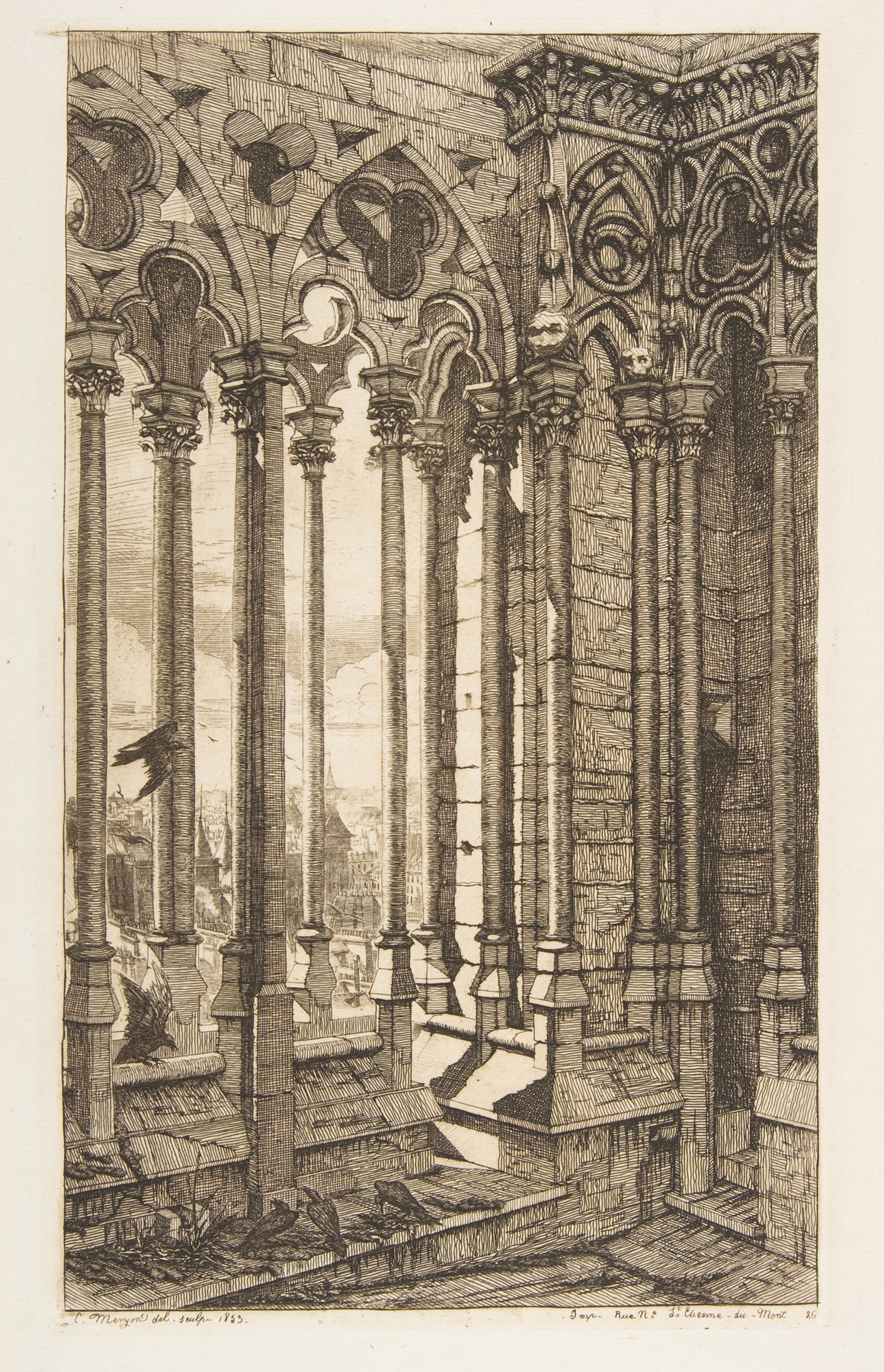
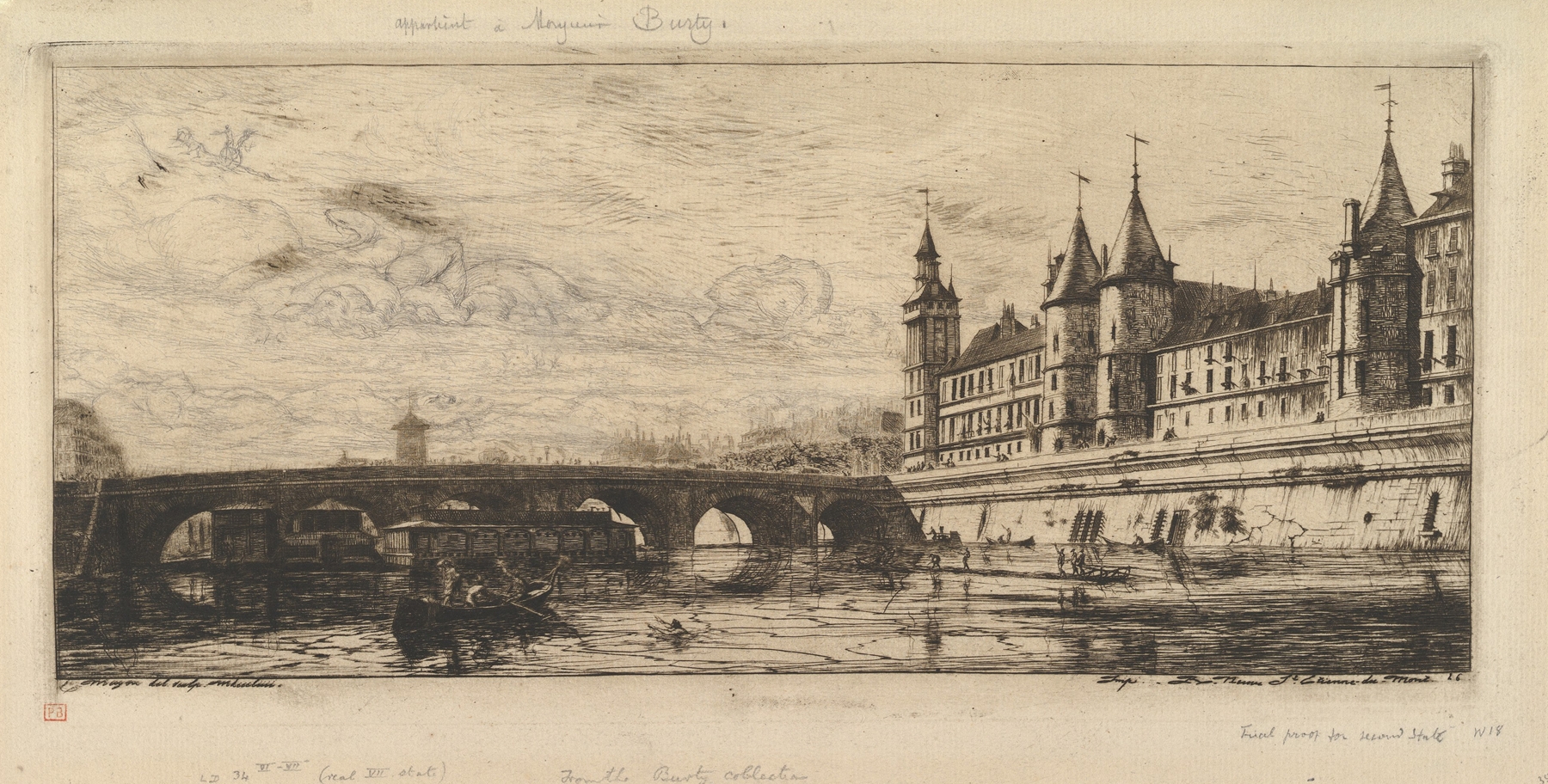
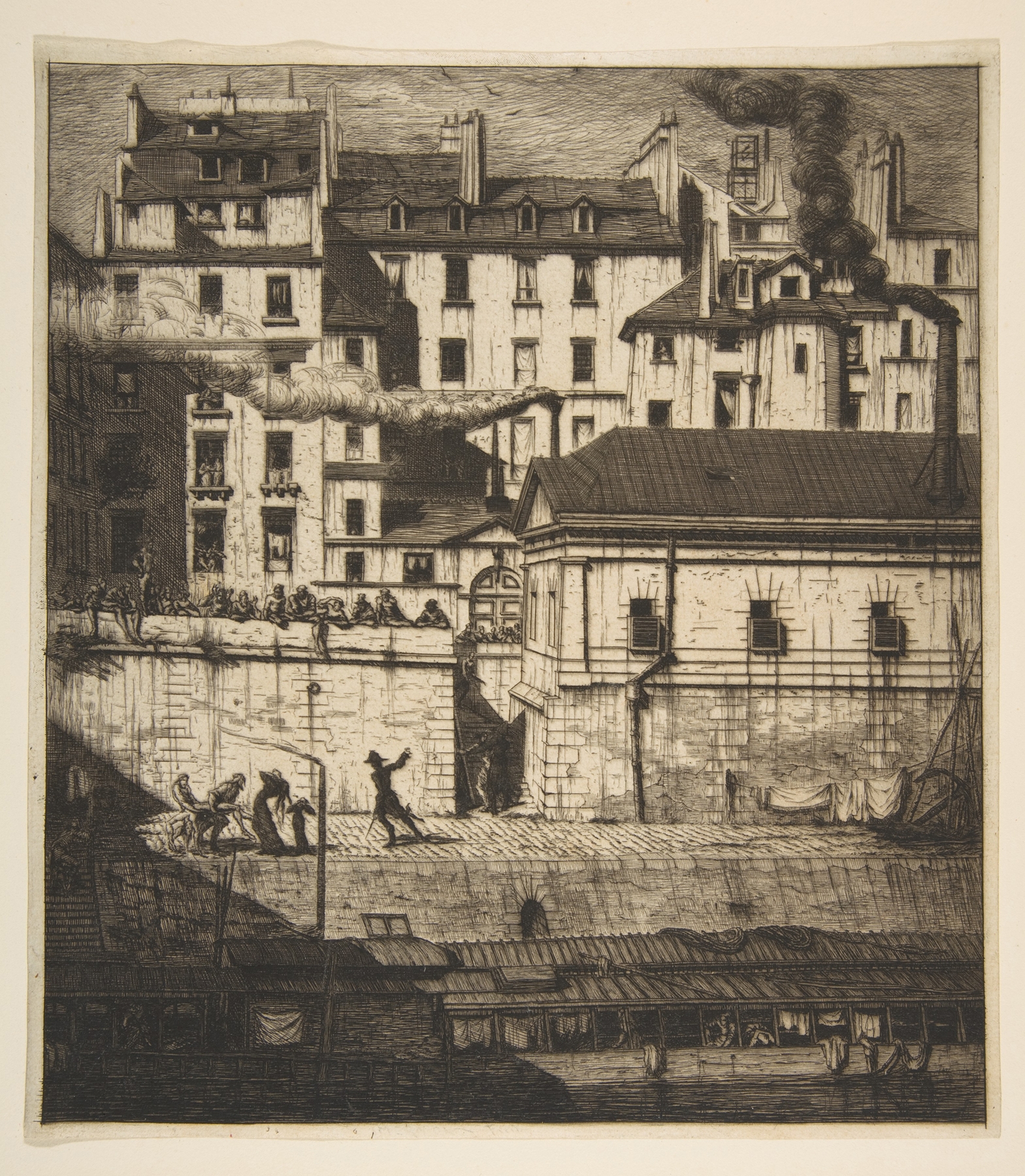
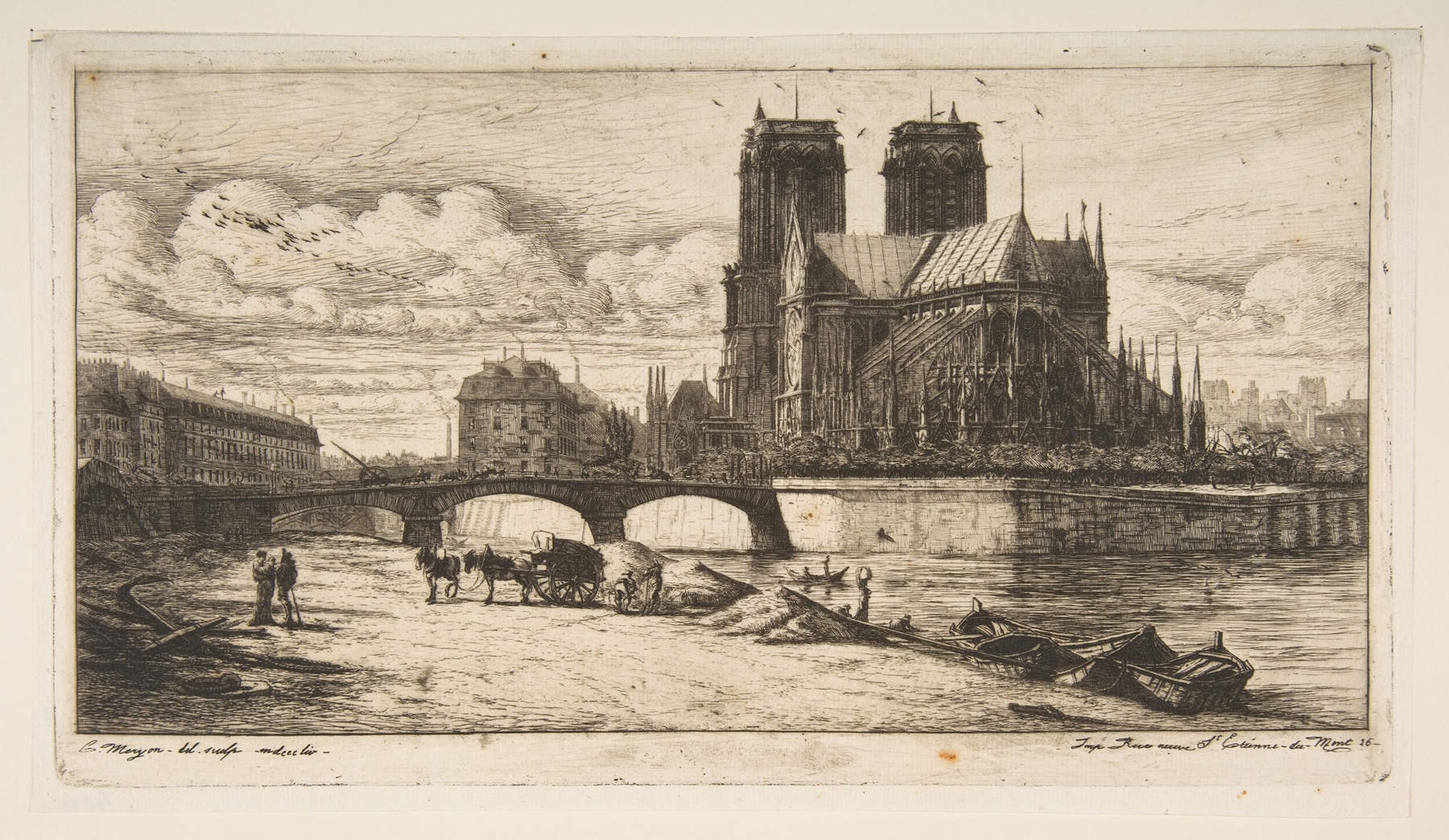
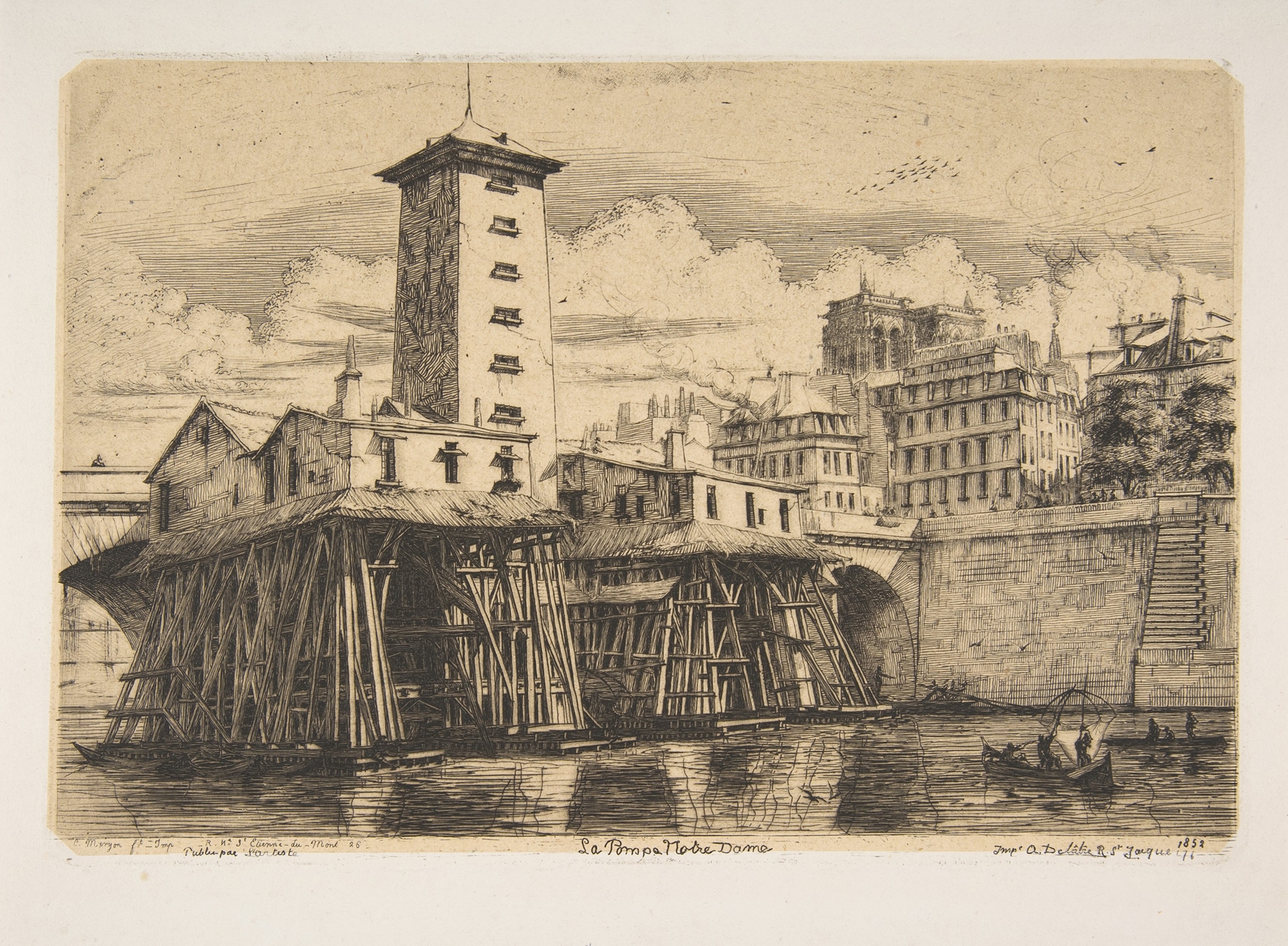
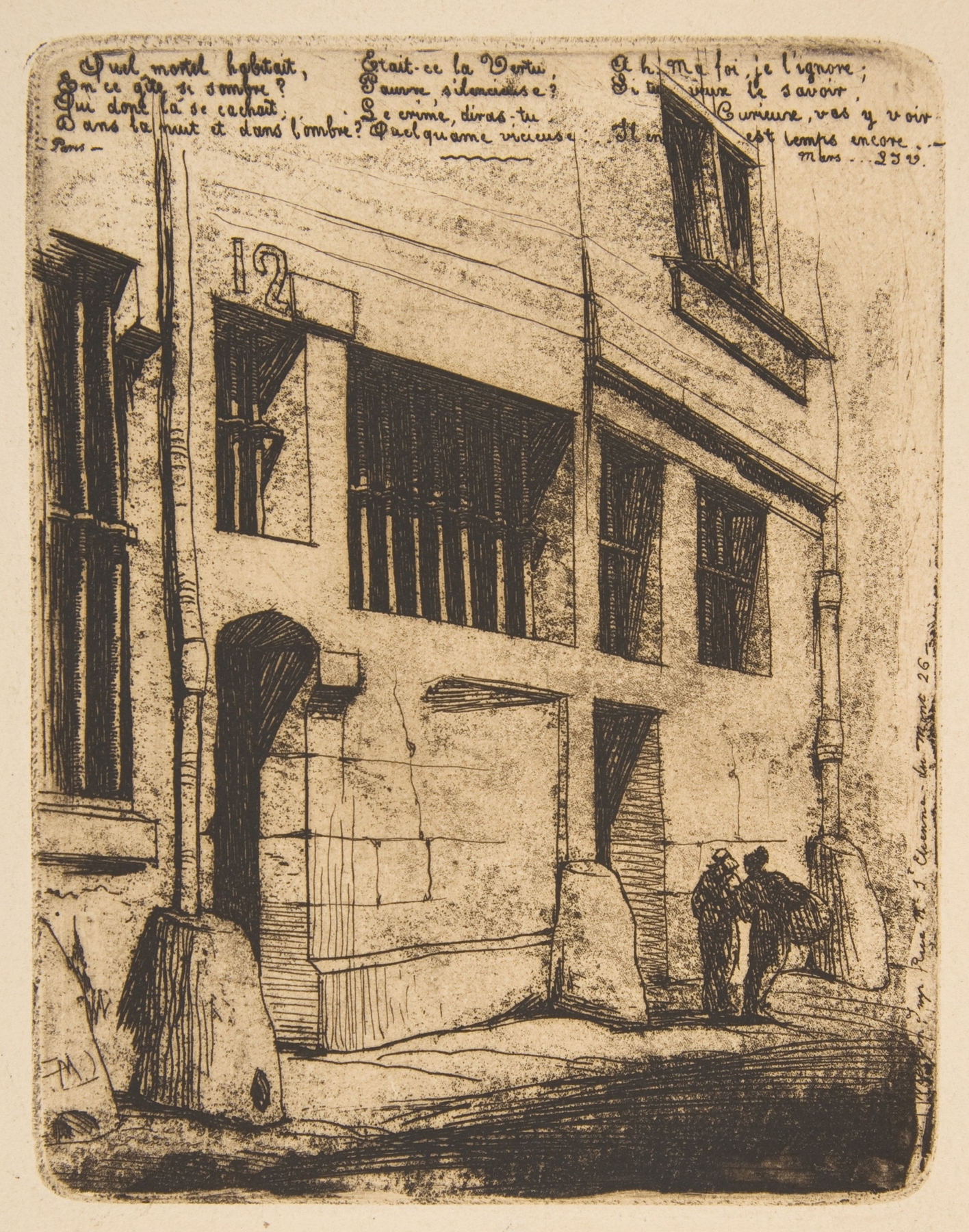
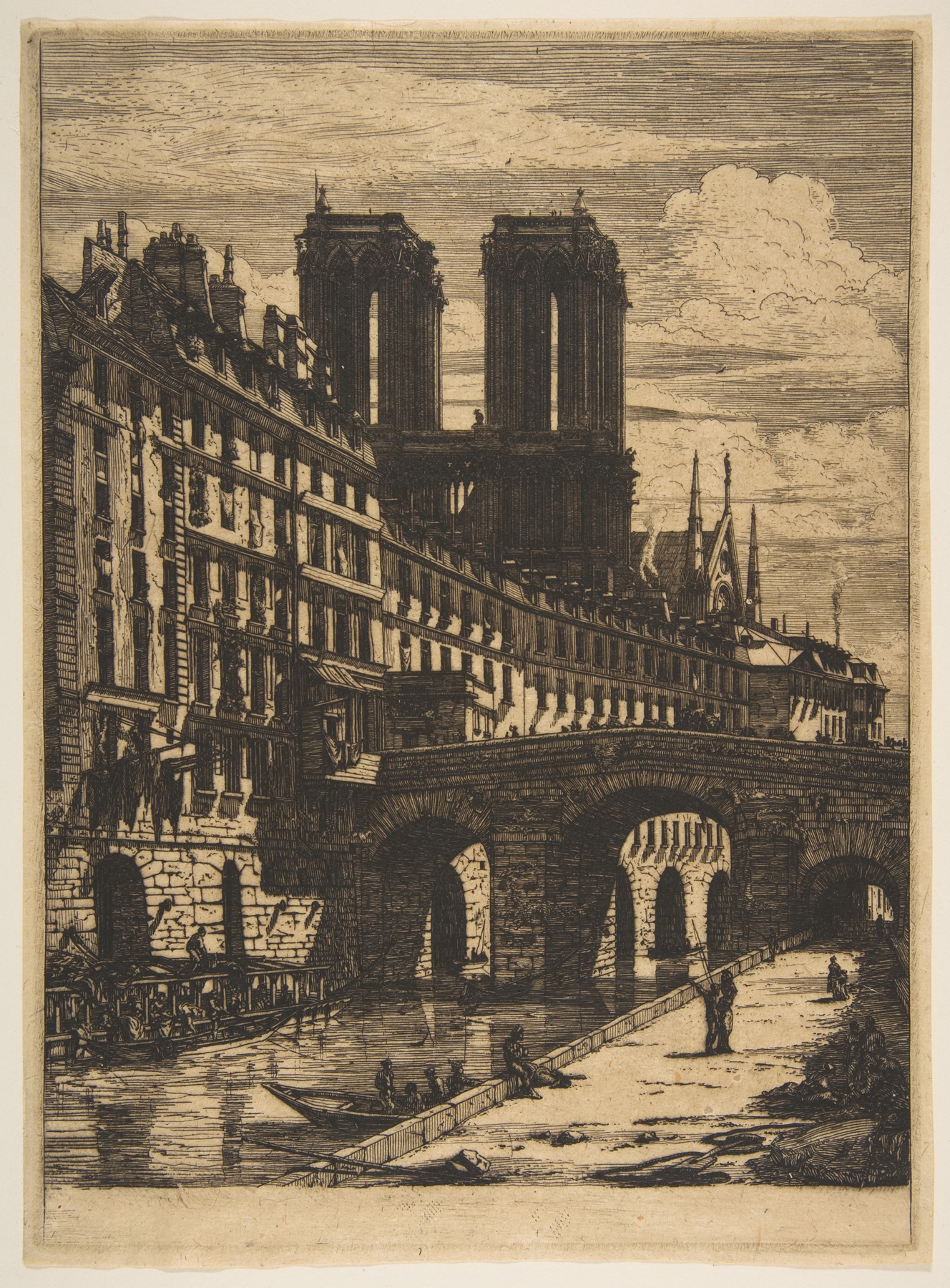
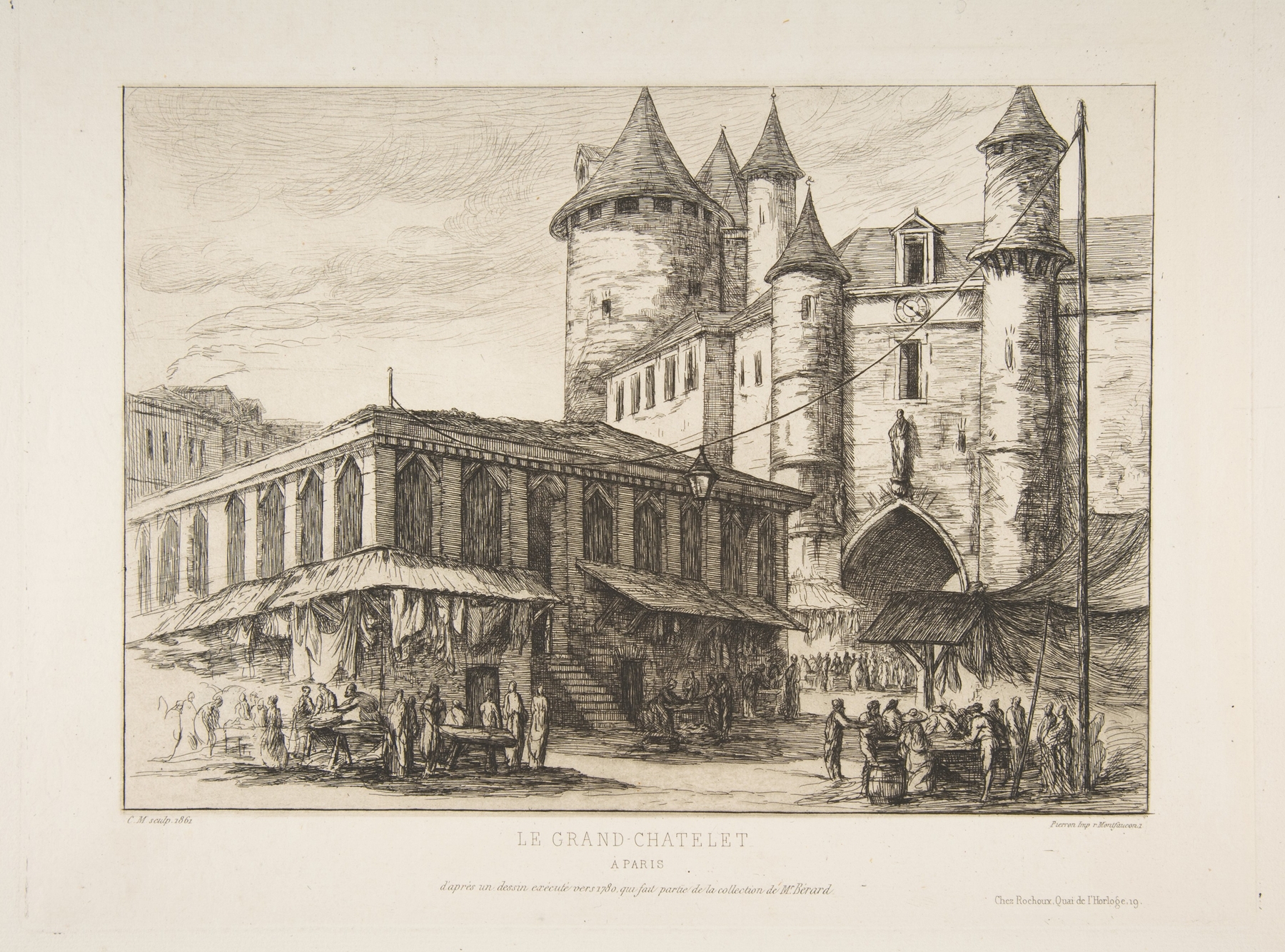
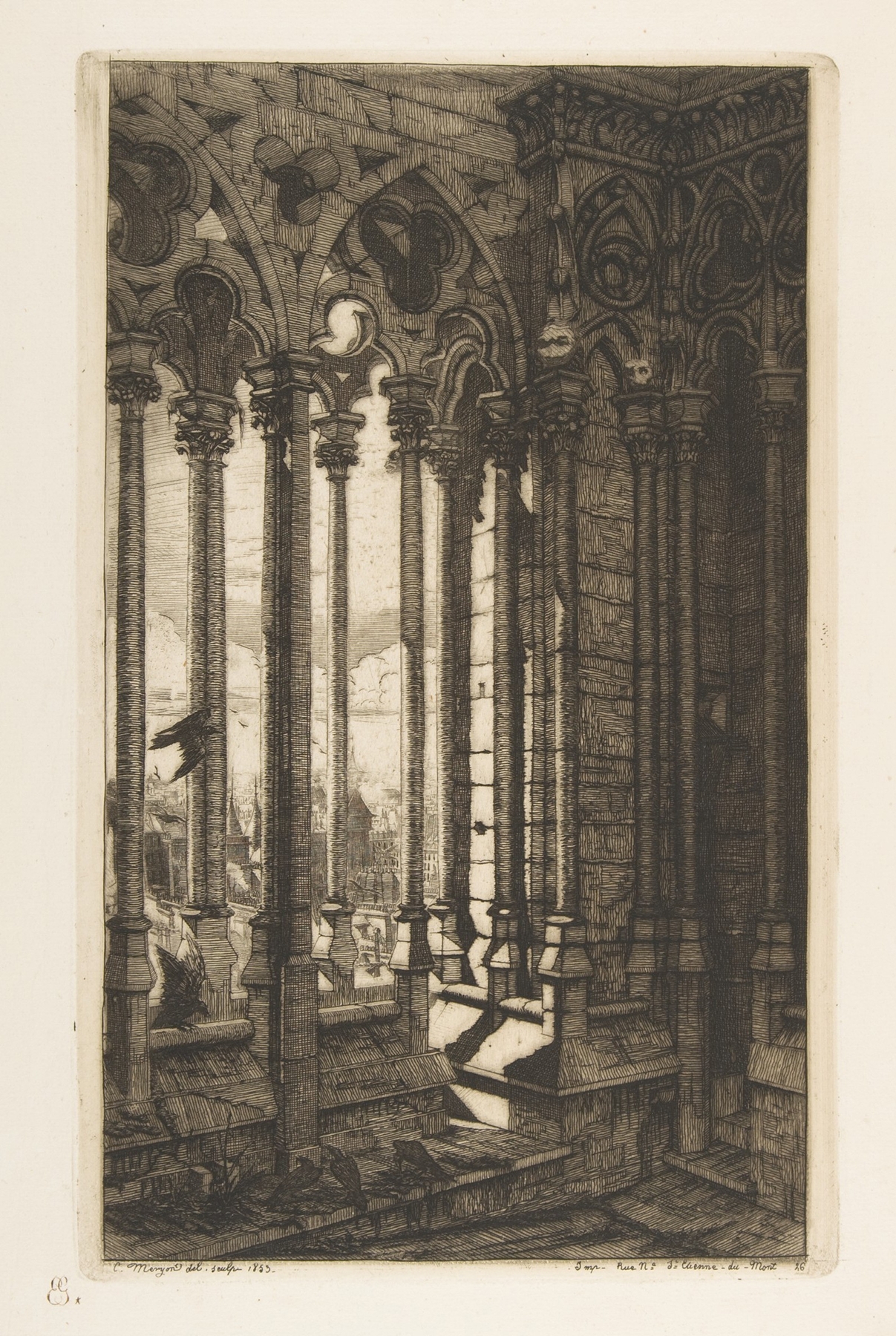
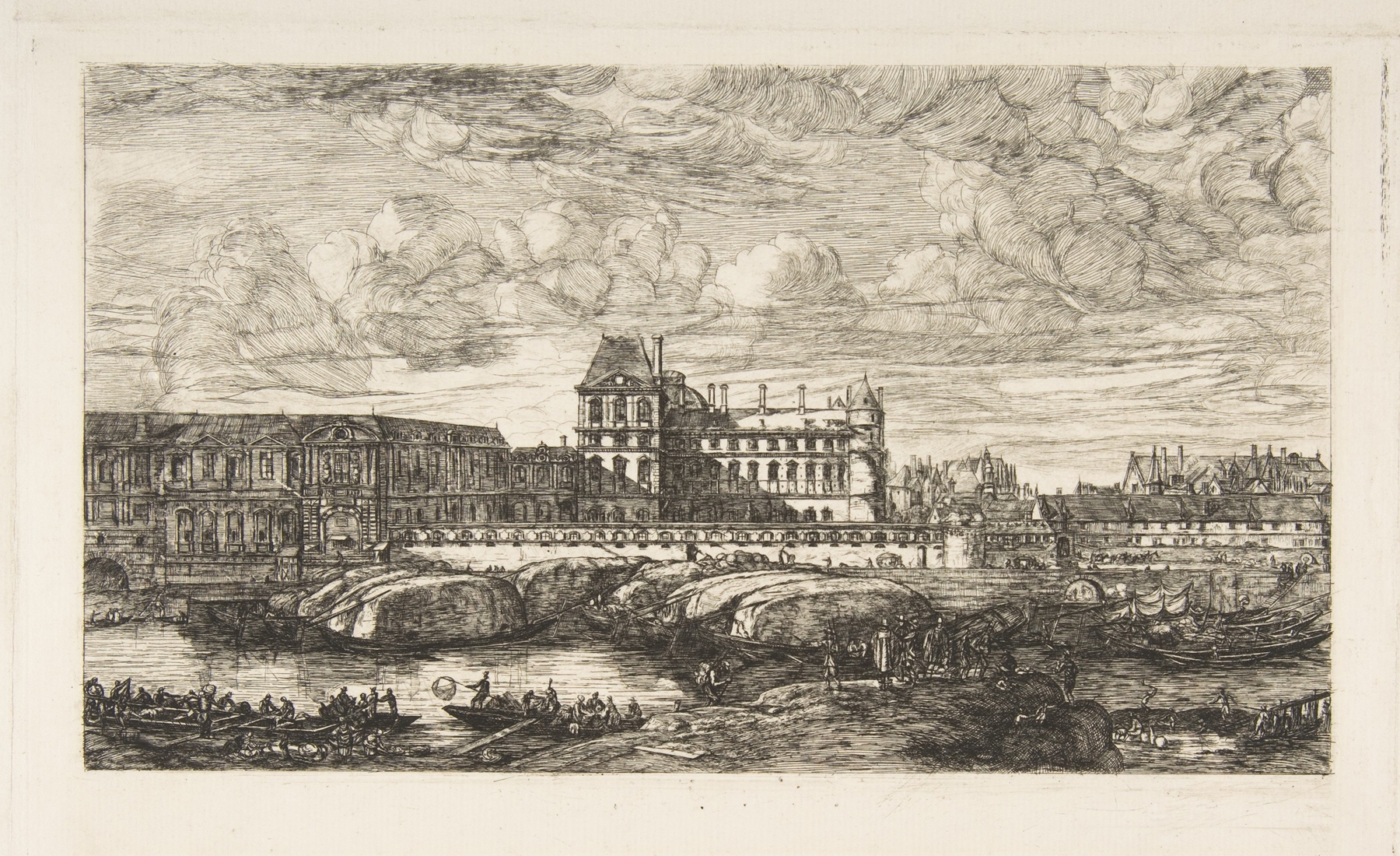
“Under the brush, chaos becomes grace.” The remnants of silence and order hover within the void of a bustling Parisian street, where the narratives of countless lives converge. A city awakens, yet stands on the precipice of a transformation, teetering between the serenity of its architecture and the chaotic ebb of human movement. Look closely at the foreground, where the intricate lines of the buildings rise like sentinels guarding the street. Notice how the light dances across the edifices, casting shadows that emphasize their towering presence and create a rhythm within the composition.
The delicate etching technique captures both the solidity of stone and the fluidity of life, inviting viewers to explore the layers of this urban tapestry. The muted tones of grey and brown evoke a sense of nostalgia, anchoring the scene in a specific time while hinting at the vibrancy and energy just beneath the surface. Yet within this ordered chaos lies an exploration of absence. The void between figures speaks volumes; it is a reminder of the stories left untold, the whispers of lives that pass without recognition.
Shadows linger where people once stood, hinting at the transient nature of urban existence. The interplay between presence and absence weaves a complex narrative, capturing both the essence of a moment and the larger story of a city in flux. Created in 1850, during a period of significant social and political change in France, Meryon found his voice amid the shifts in the art world from Romanticism to a burgeoning realism. Living in Paris, he was deeply influenced by the city’s architecture and its dramatic transformations, using his artistry to document the juxtaposition of urban life and the quietude that still persisted in its shadows.