Entrée de l’exposition universelle de 1889 — History & Analysis
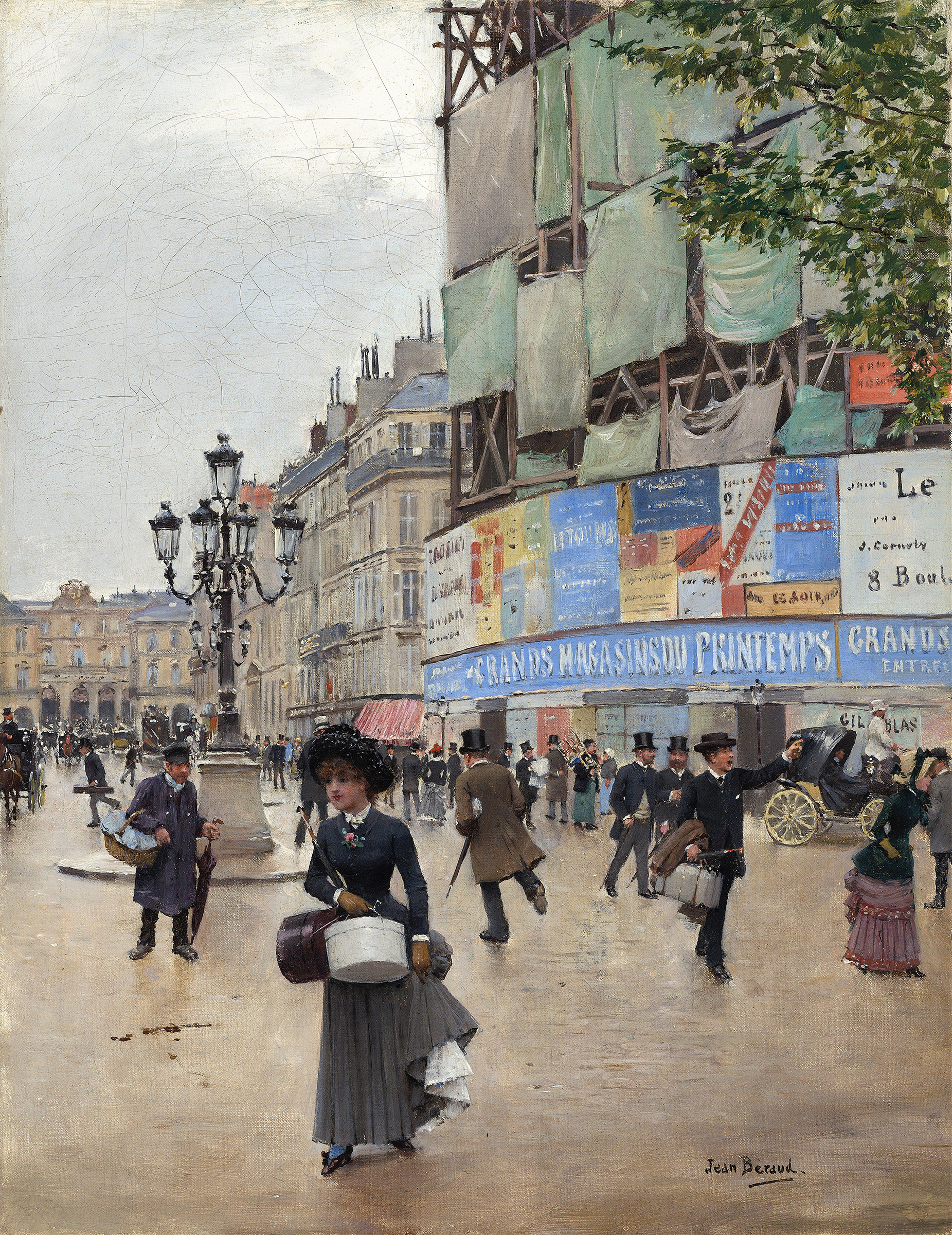
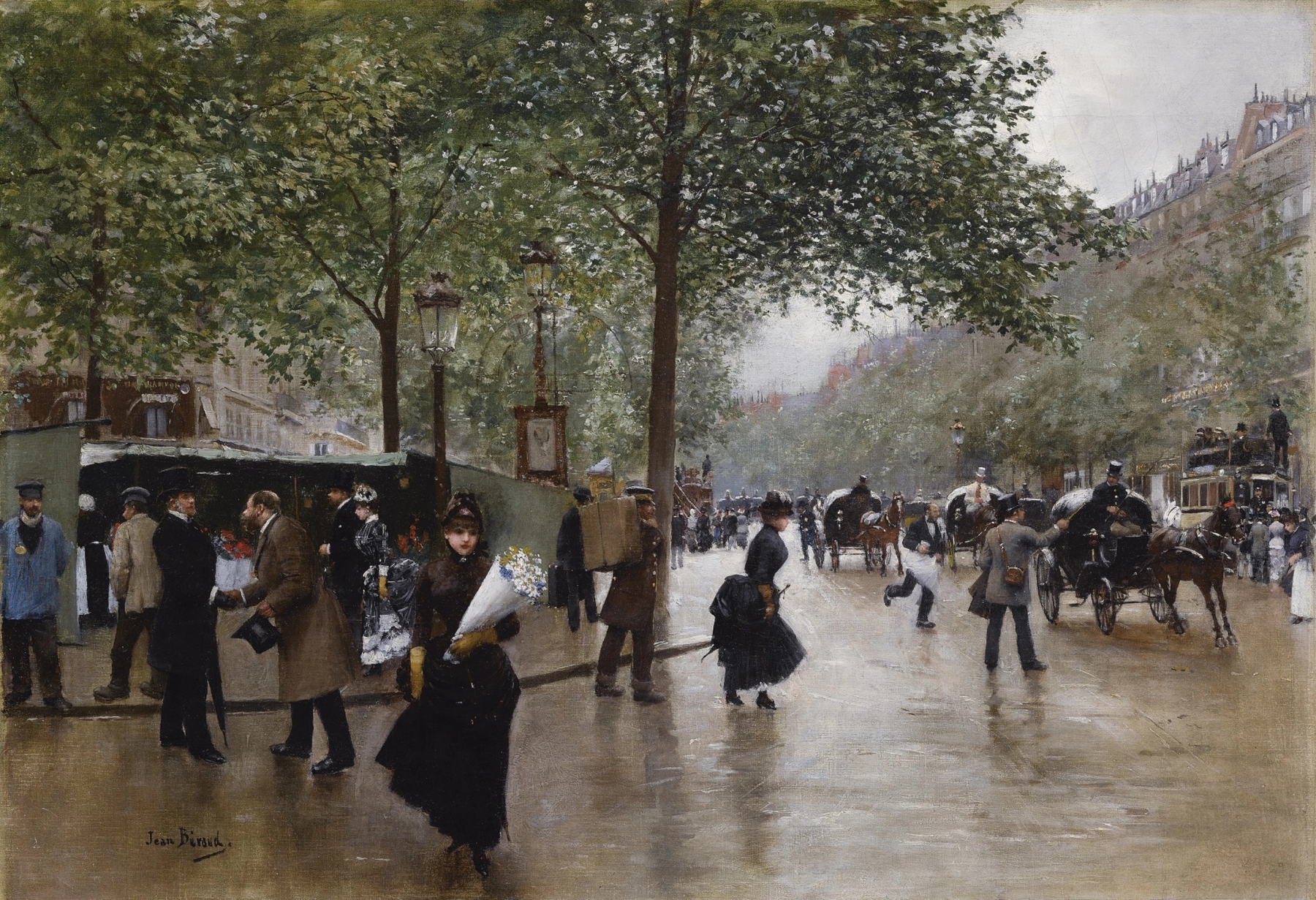
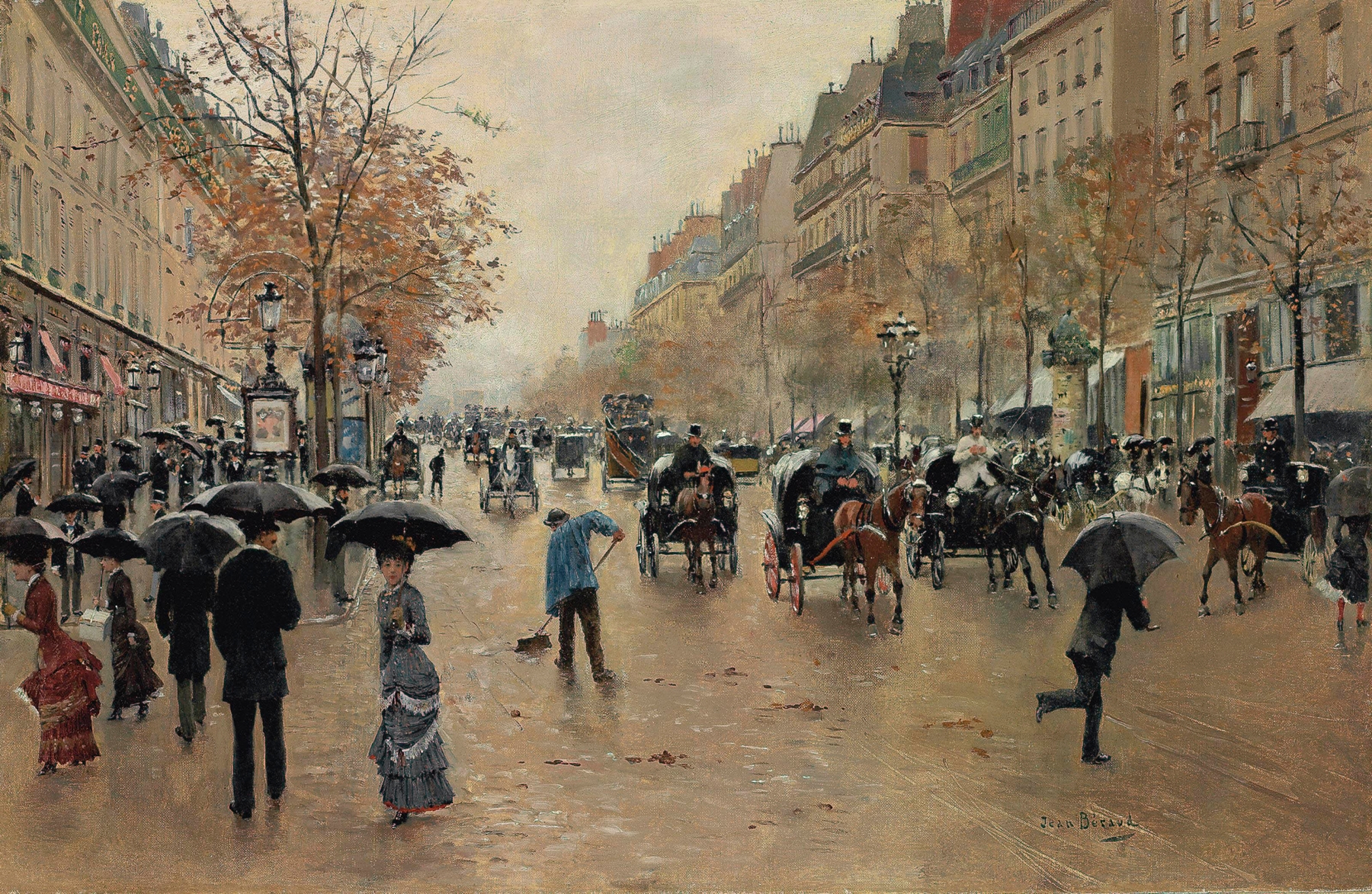
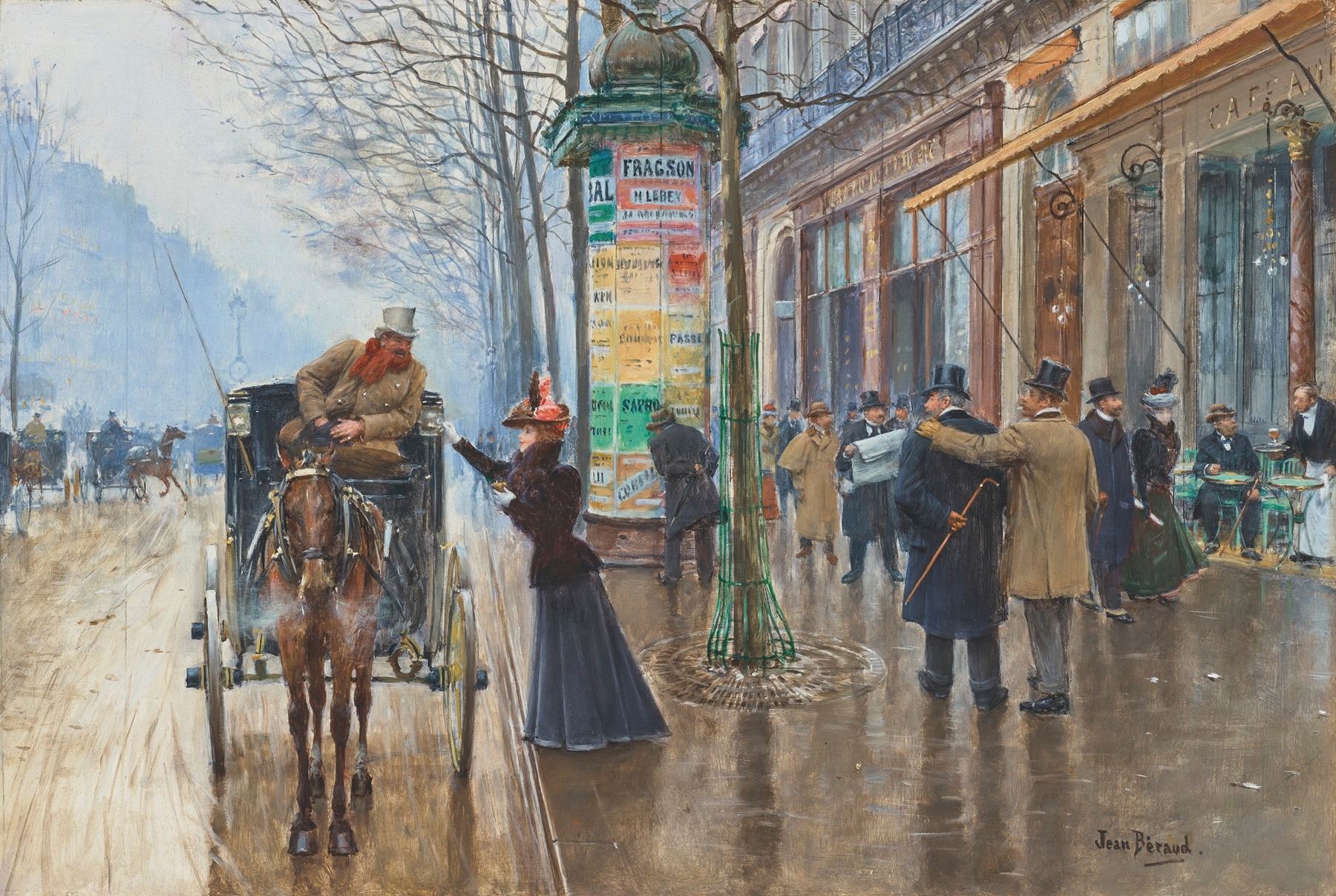
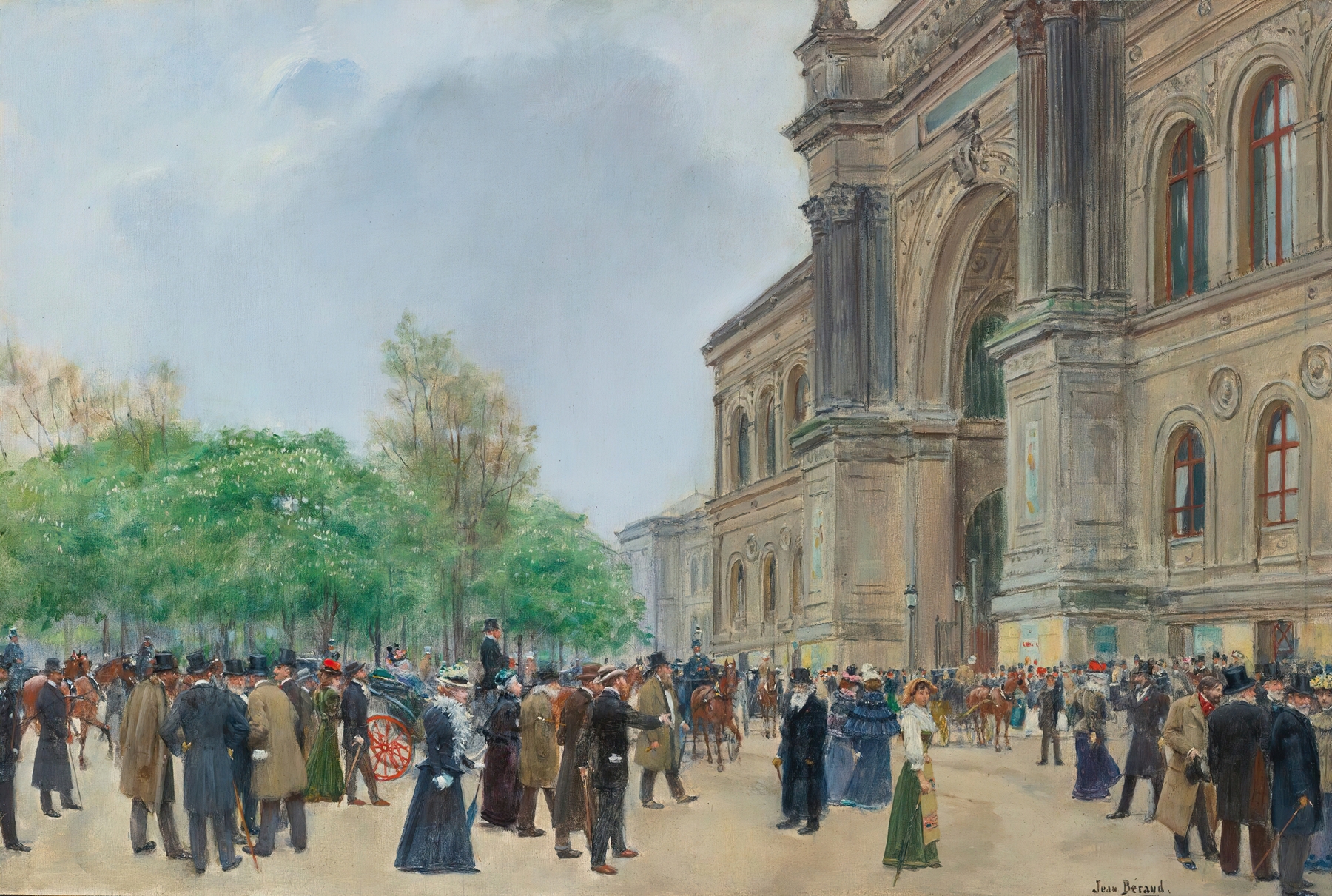
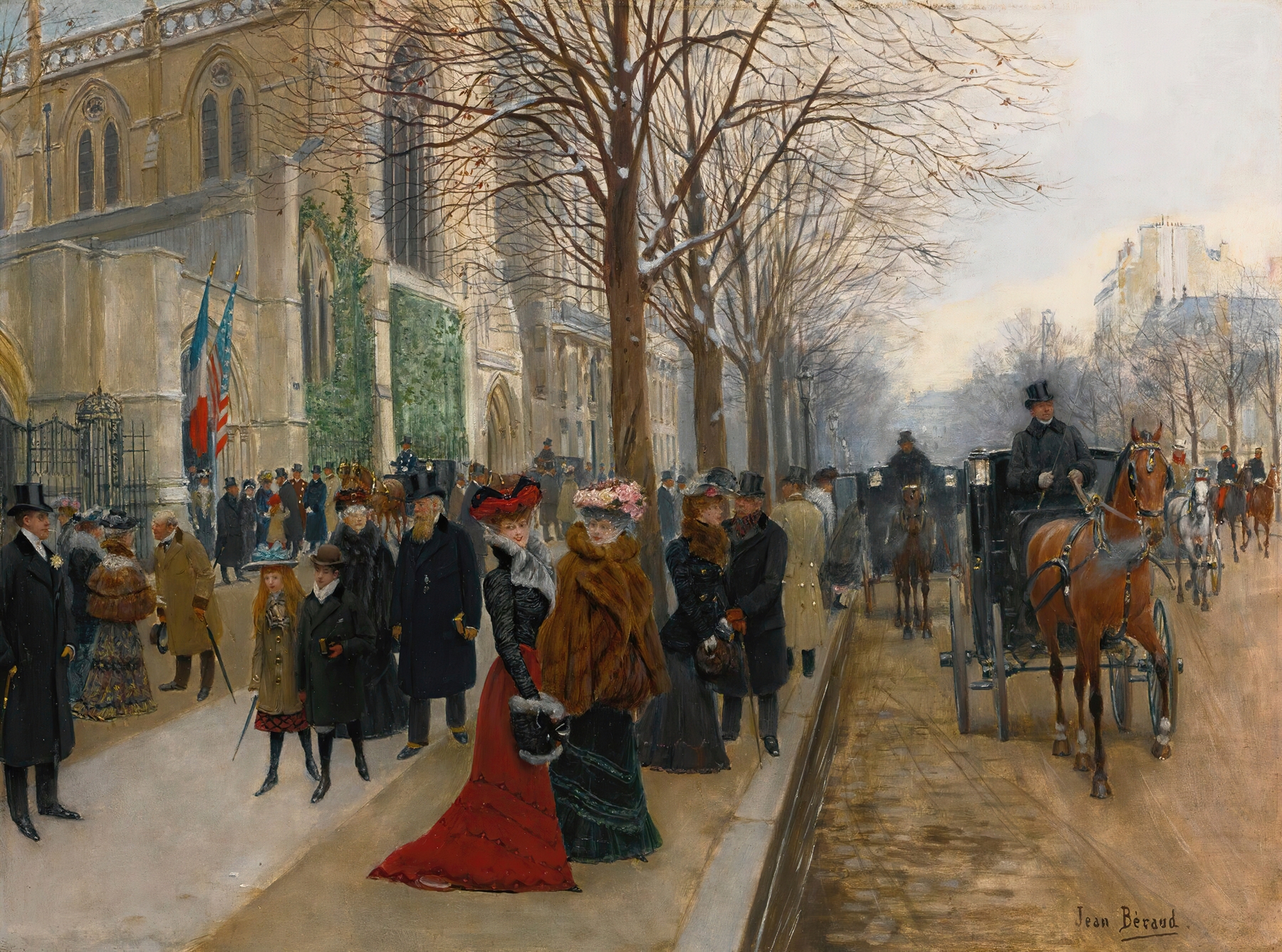
Did the painter know this moment would outlive them? The grand entrance to the 1889 Universal Exhibition, a testament to human innovation, stands immortalized in the brushstrokes of history. Look to the right at the towering iron lattice of the Eiffel Tower, rising like a spirited invitation into the sky. The vibrancy of the scene is painted in rich hues, with crowds gathering, their silhouettes filled with promise and anticipation. Notice how the sunlight bathes the figures, creating a contrast between their animated gestures and the stoic monument that dominates the canvas.
The composition balances movement and stillness, threading the bustling life of the exhibition against the steadfastness of progress. Details reveal layers of meaning woven into the fabric of this moment. The array of diverse attendees, from elegant women in their finery to working-class men, underscores an era of unity as much as division. The juxtaposition of the modern marvel with the human faces hints at the fragile nature of progress—each joyful celebration shadowed by the unspoken fears of what lies ahead.
The painting encapsulates a transitional moment, where excitement mingles with uncertainty, celebrating the dawn of a new age. In 1889, when this work was created, Béraud found himself amid a Paris reshaped by revolutionary architecture and industrial advancement. The Universal Exhibition marked not only a showcasing of invention but was also a fervent call to push the boundaries of what was possible in a rapidly changing world. As the city embraced modernity, the artist captured a fleeting yet significant moment in history, one that would resonate long after his own footsteps faded.