L’Arc de Triomphe, Champs-Elysées — History & Analysis
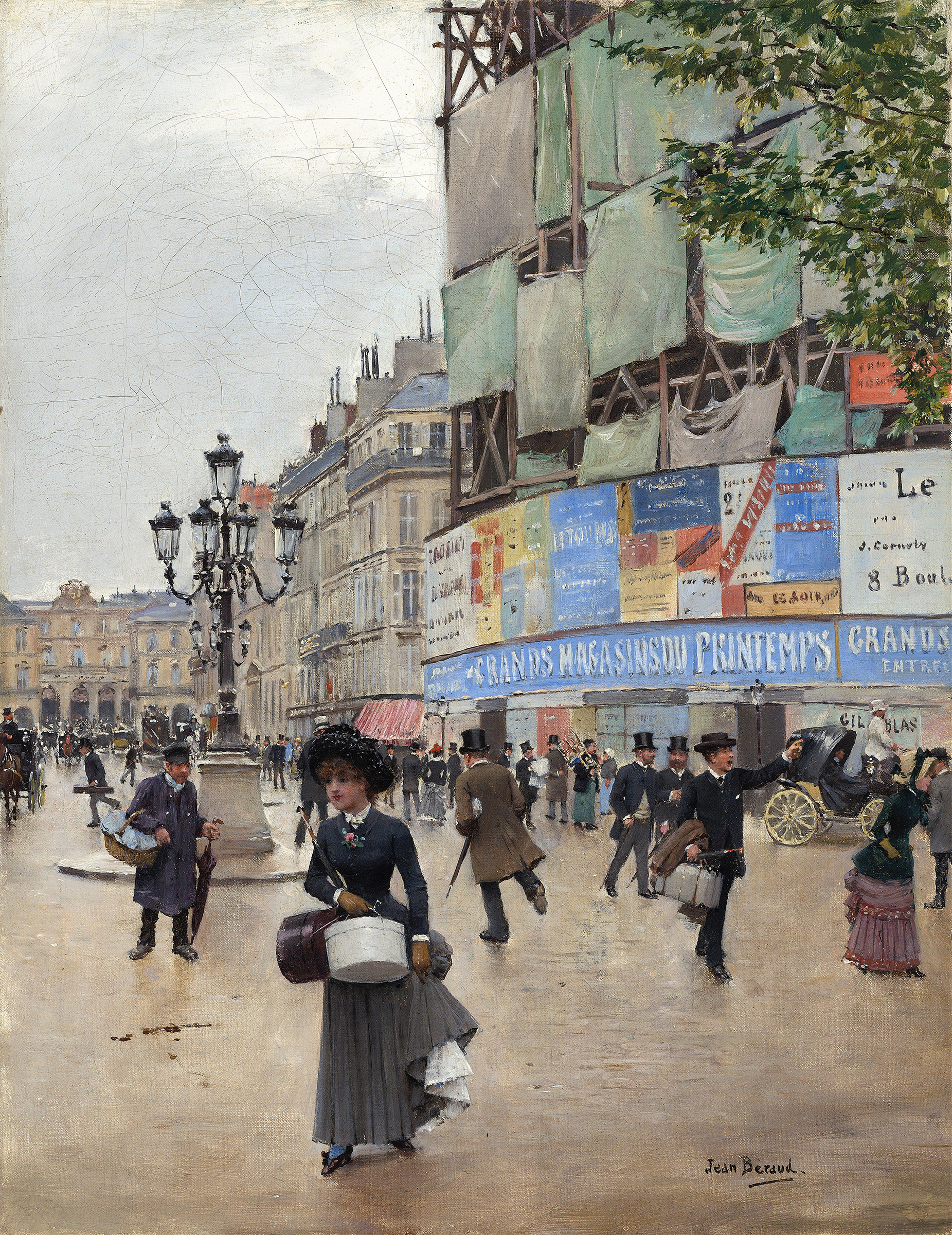
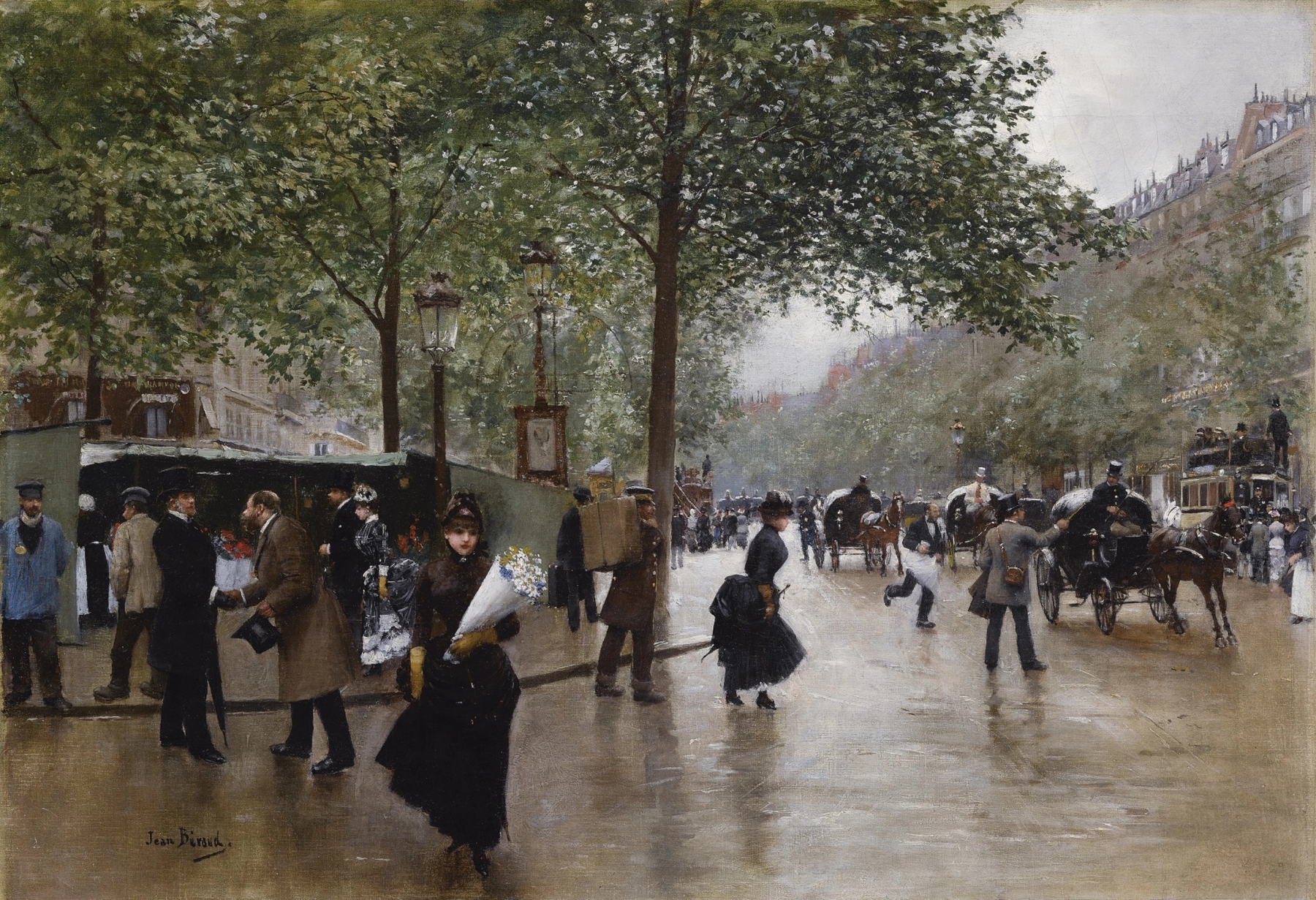
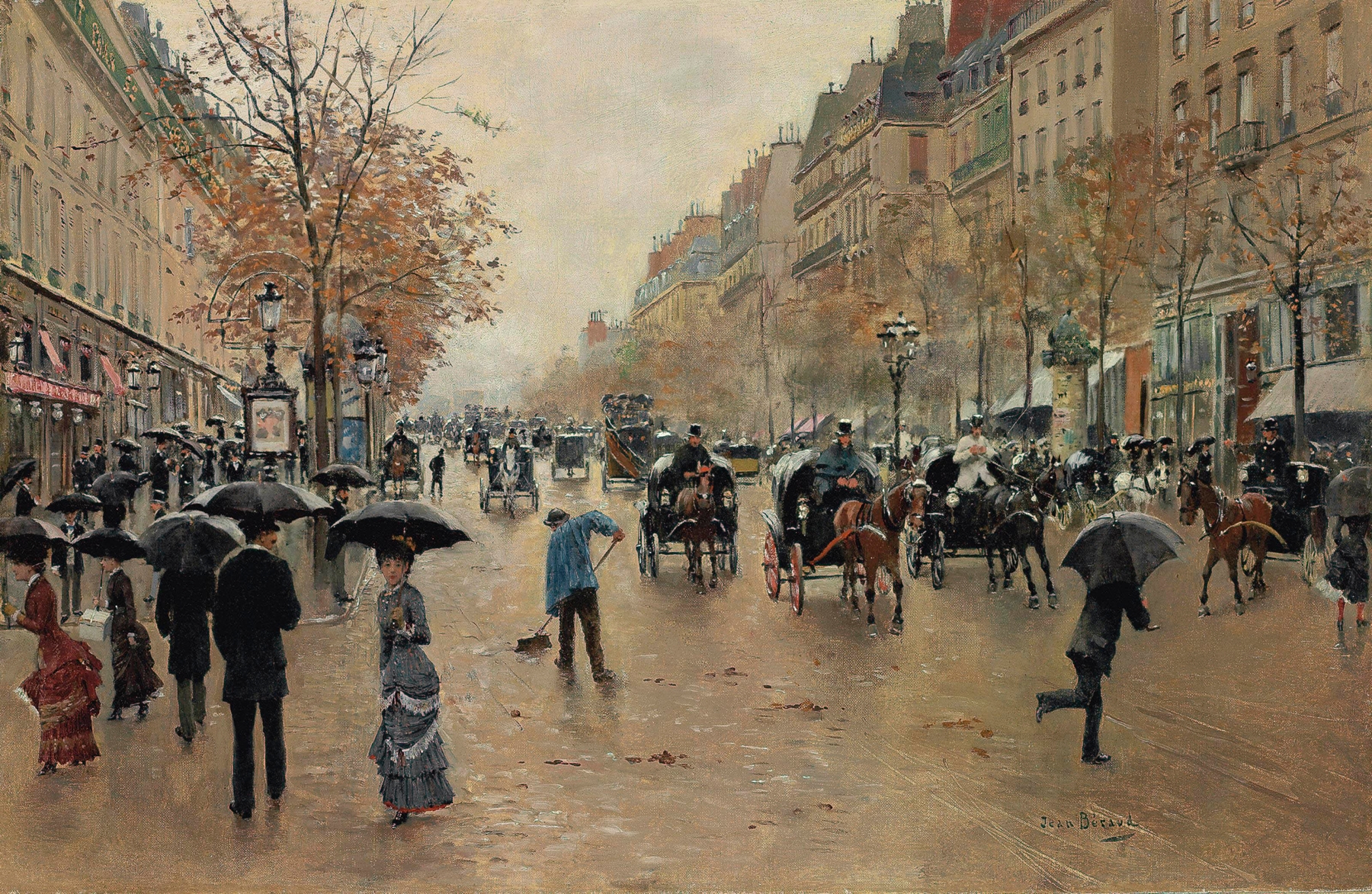
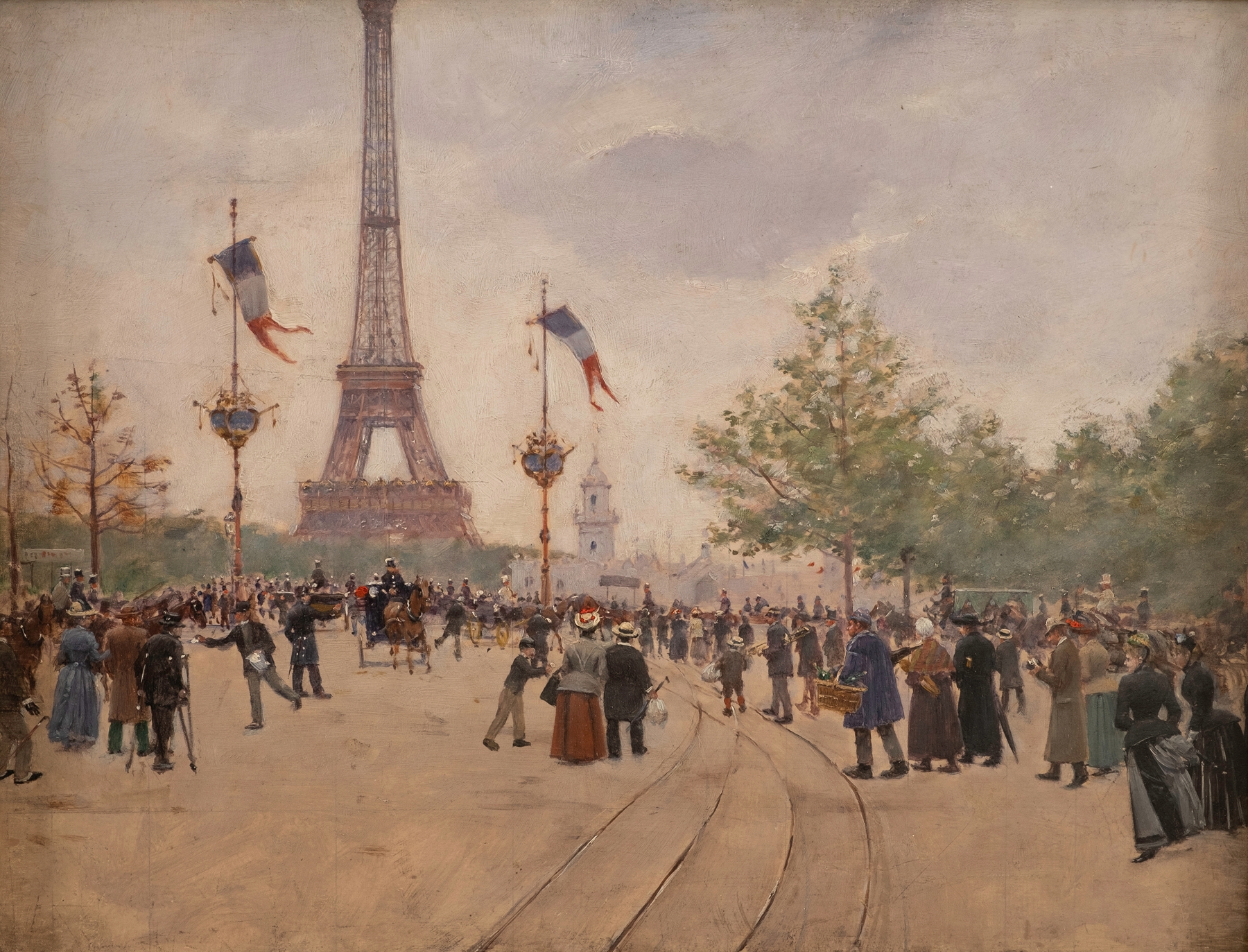
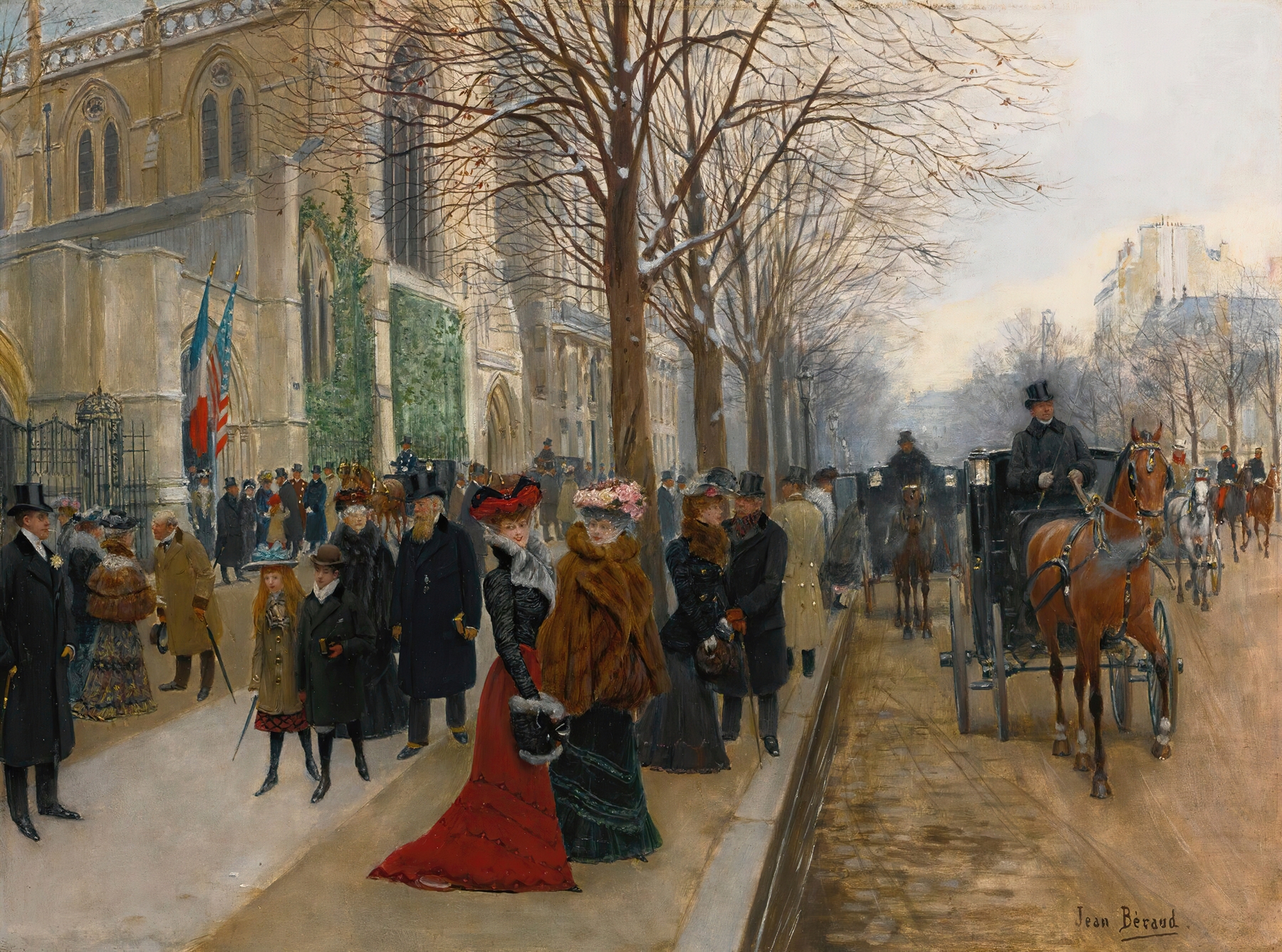
Can beauty exist without sorrow? In the majestic embrace of the Arc de Triomphe, a delicate dance between triumph and transience unfolds, whispering the tales of lives lived and lost under its storied arch. Look to the center, where the grand structure commands attention, its colossal form punctuating the bustling scene. The artist brilliantly captures the play of light on the stone, highlighting intricate carvings that celebrate history while casting long shadows that speak to mortality.
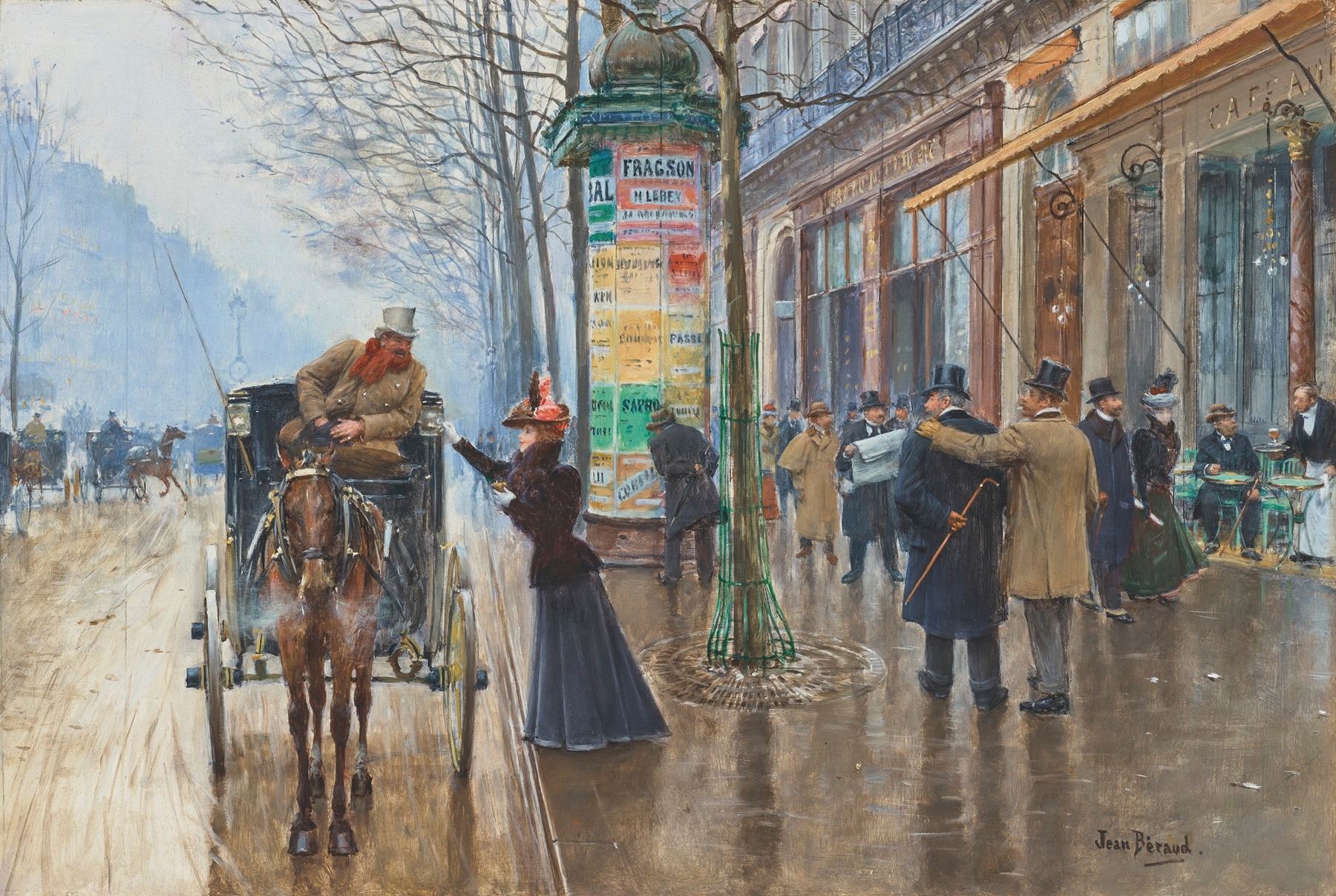
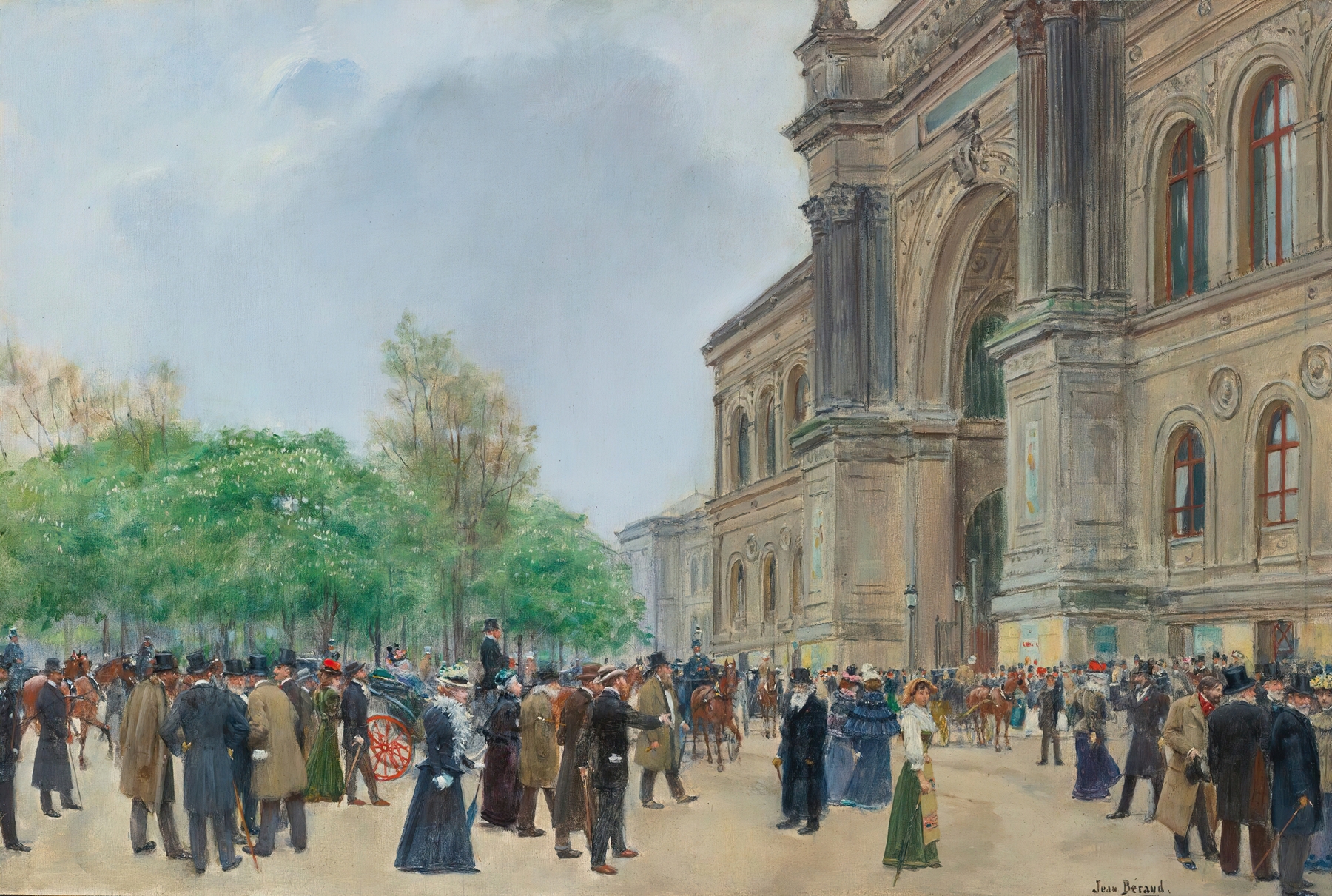
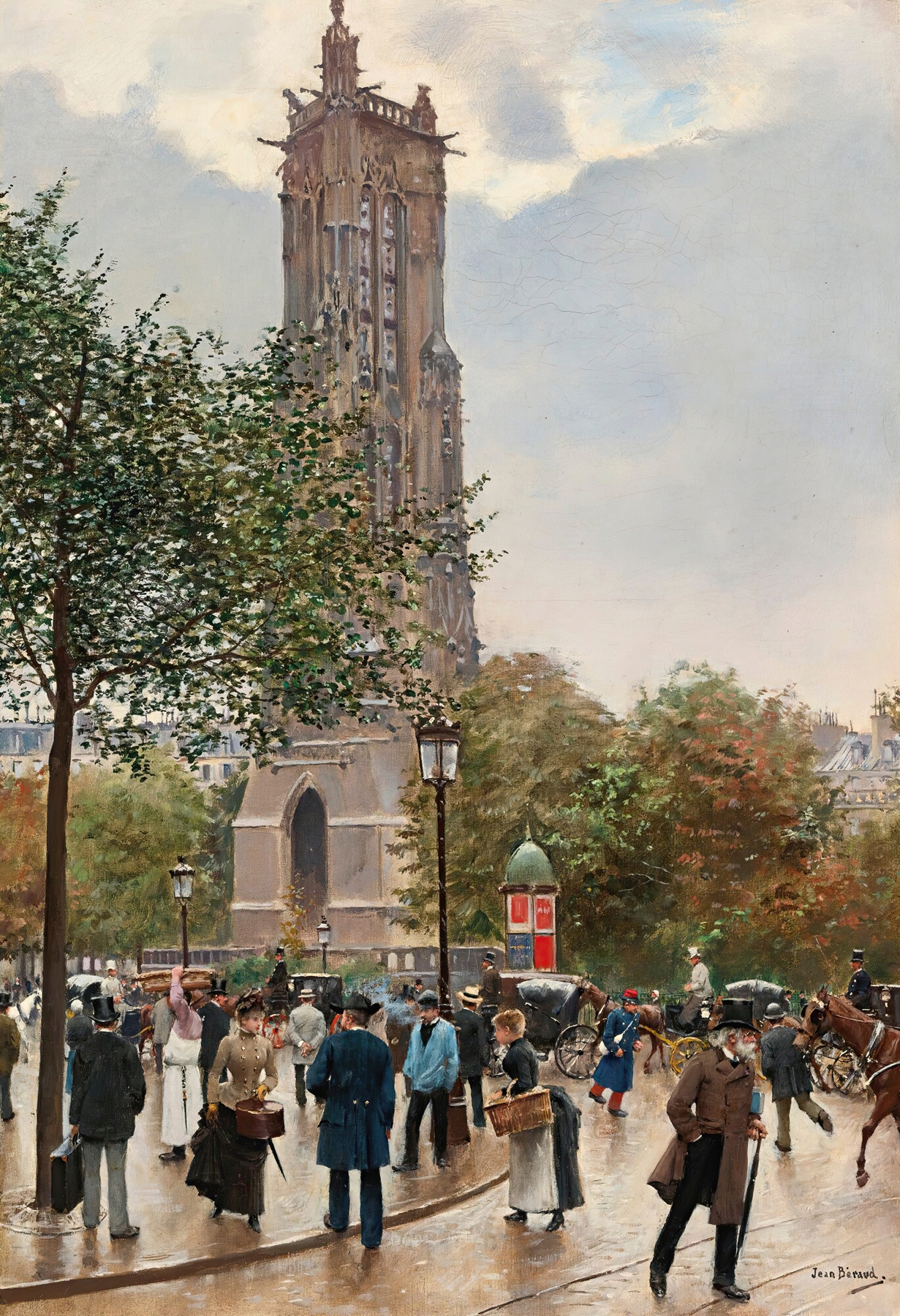
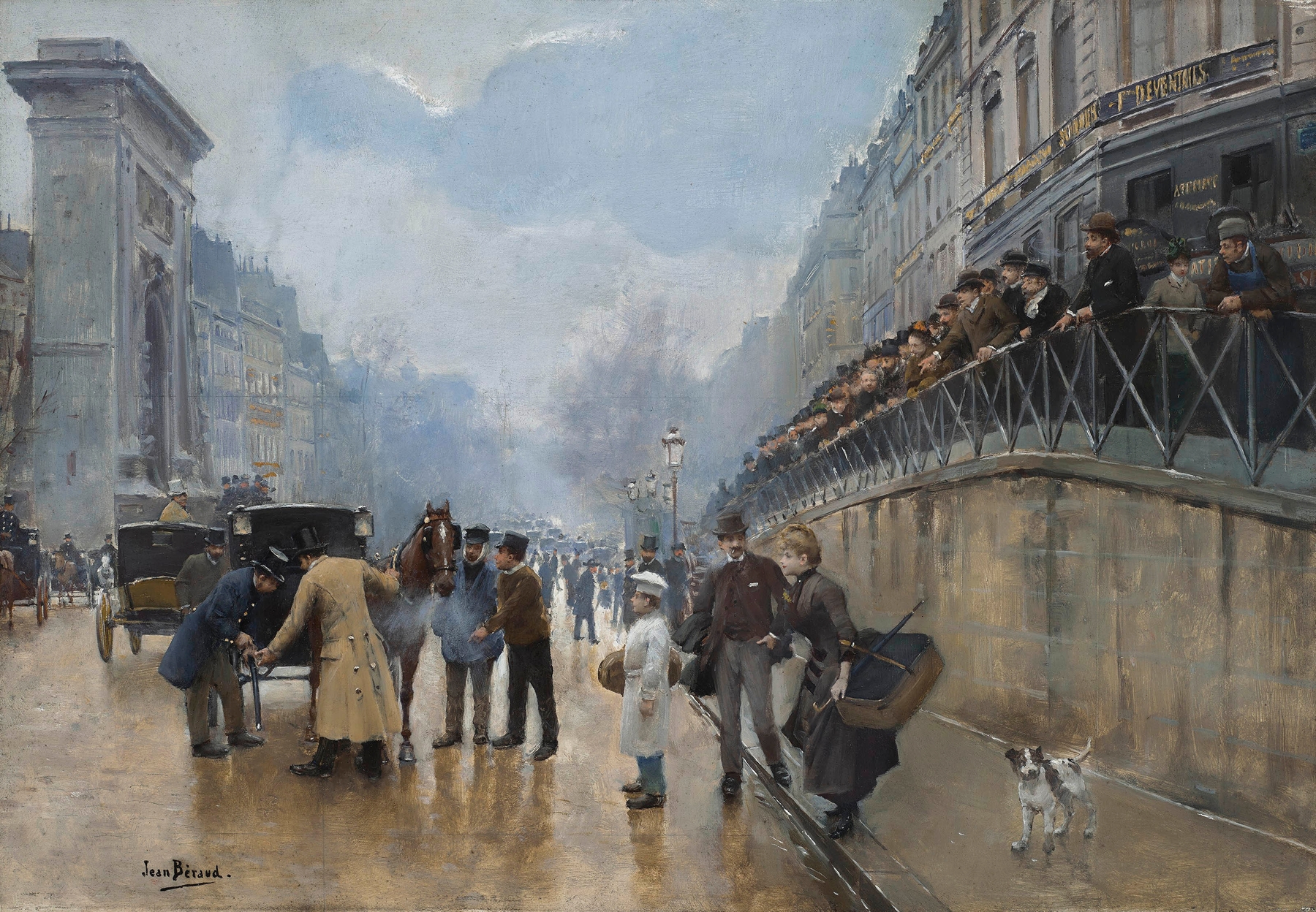
Notice how the vibrant colors of the passersby contrast starkly against the muted tones of the monument, creating a dynamic yet harmonious tableau of life bustling around the solemnity of remembrance. Béraud’s work encapsulates a poignant dichotomy: the vibrancy of the modern Parisian life plays out against the enduring, stoic presence of the arch, symbolizing both victory and the fleeting nature of existence. The subtle interactions of figures, their gestures imbued with unspoken stories, reveal a collective experience marked by joy, loss, and the weight of history. The bustling energy around the monument evokes a sense of celebration, yet the arch remains a constant reminder of the sacrifices made for the very freedom the city enjoys.
Created between 1882 and 1885, this painting emerged during a period of significant transformation for Paris, as the city underwent modernization and expansion. Béraud was deeply engaged in capturing the everyday life of the French capital, reflecting the social and political changes of the time. His commitment to realism and the human experience positioned him among the notable artists of the era, offering a glimpse into a world teetering between nostalgia and progress.