Paris,rue du Havre — History & Analysis
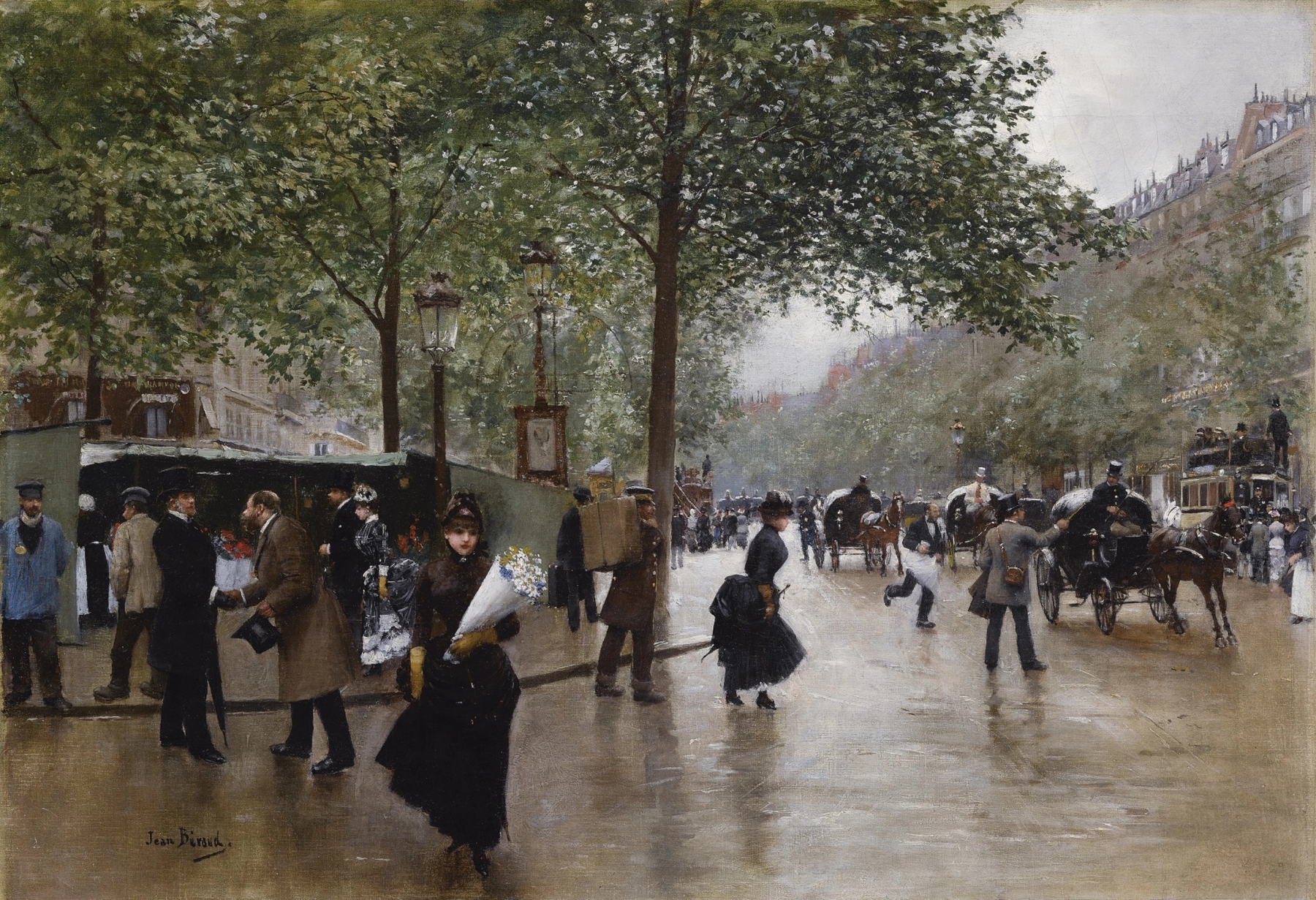
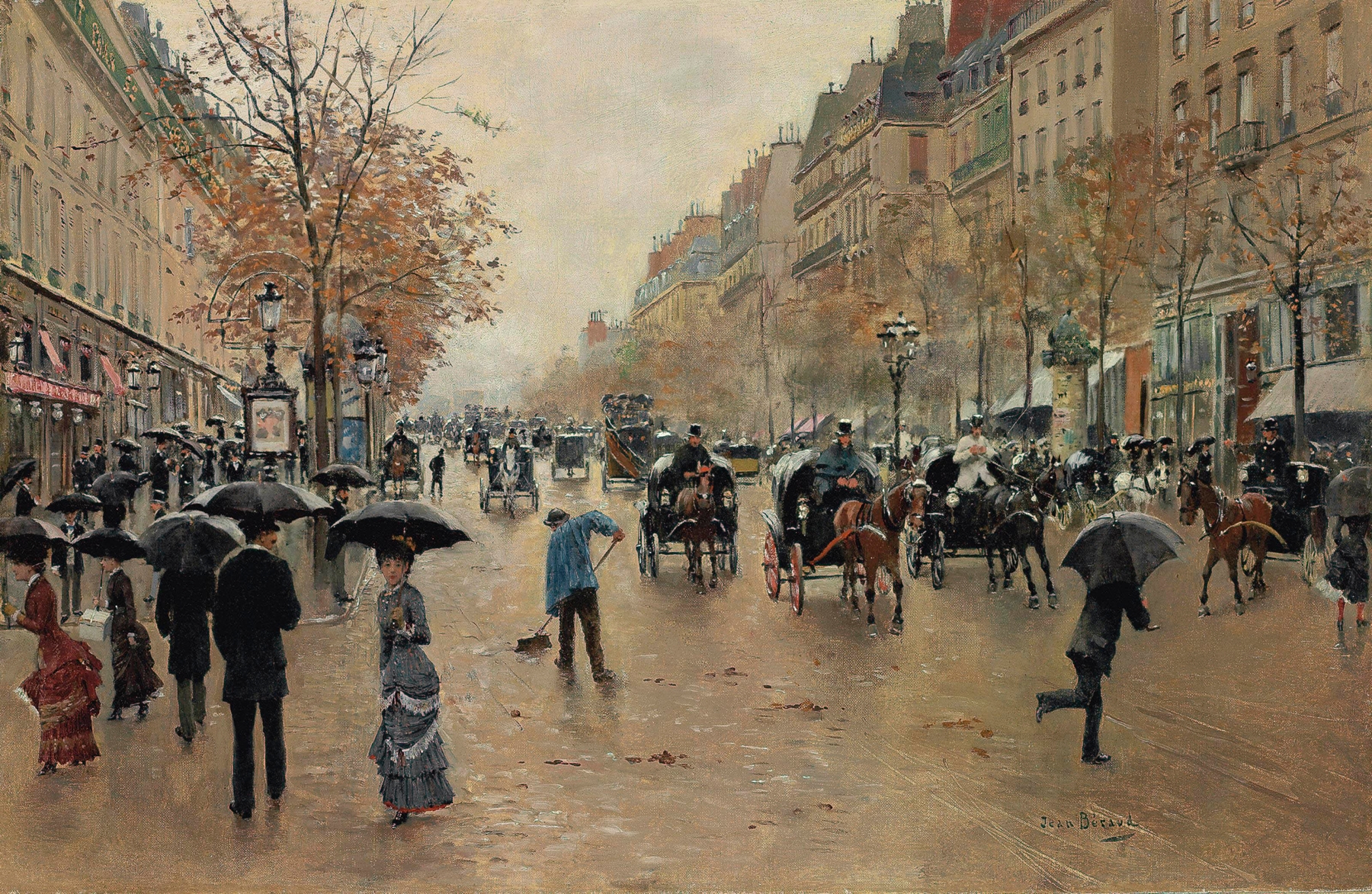
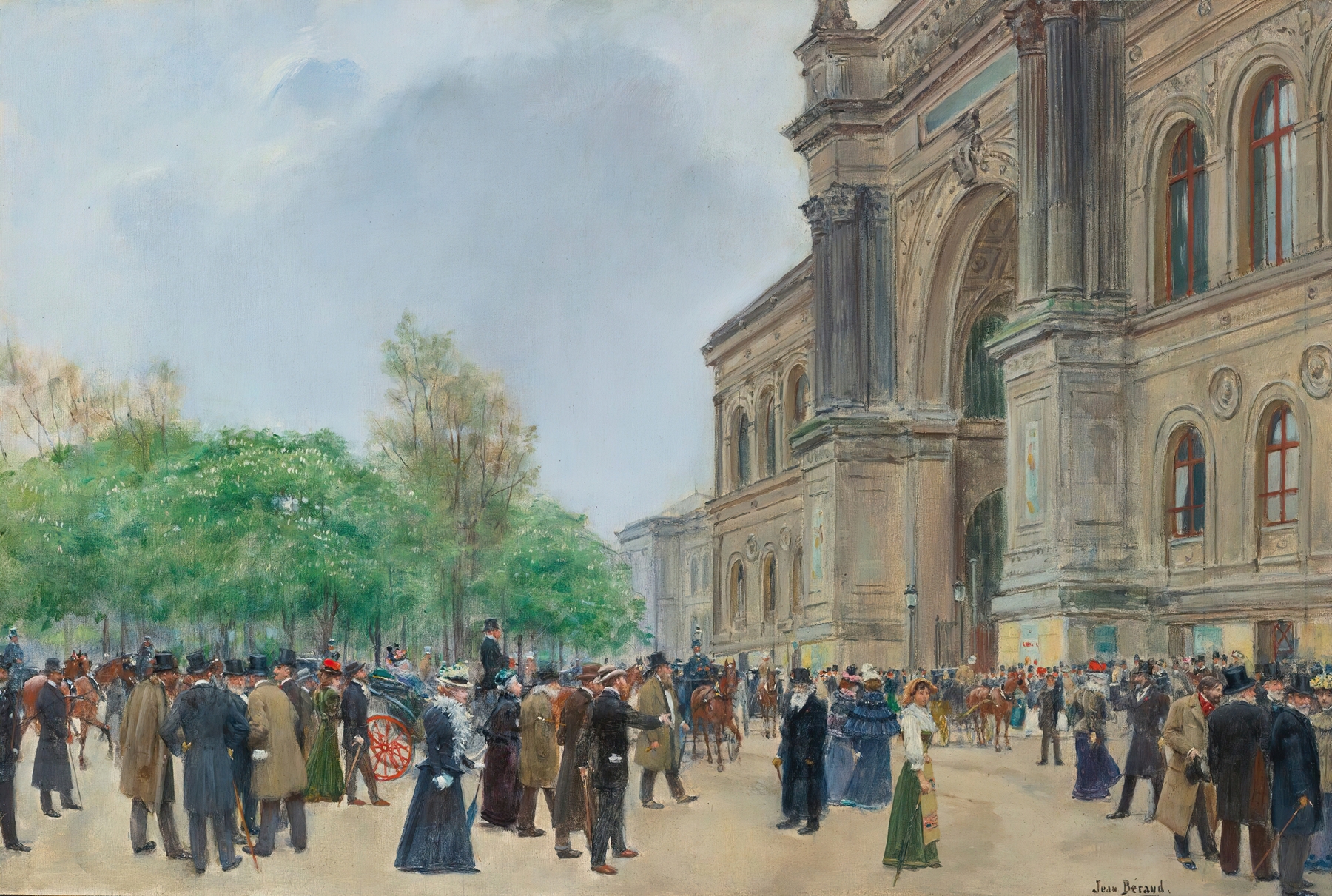
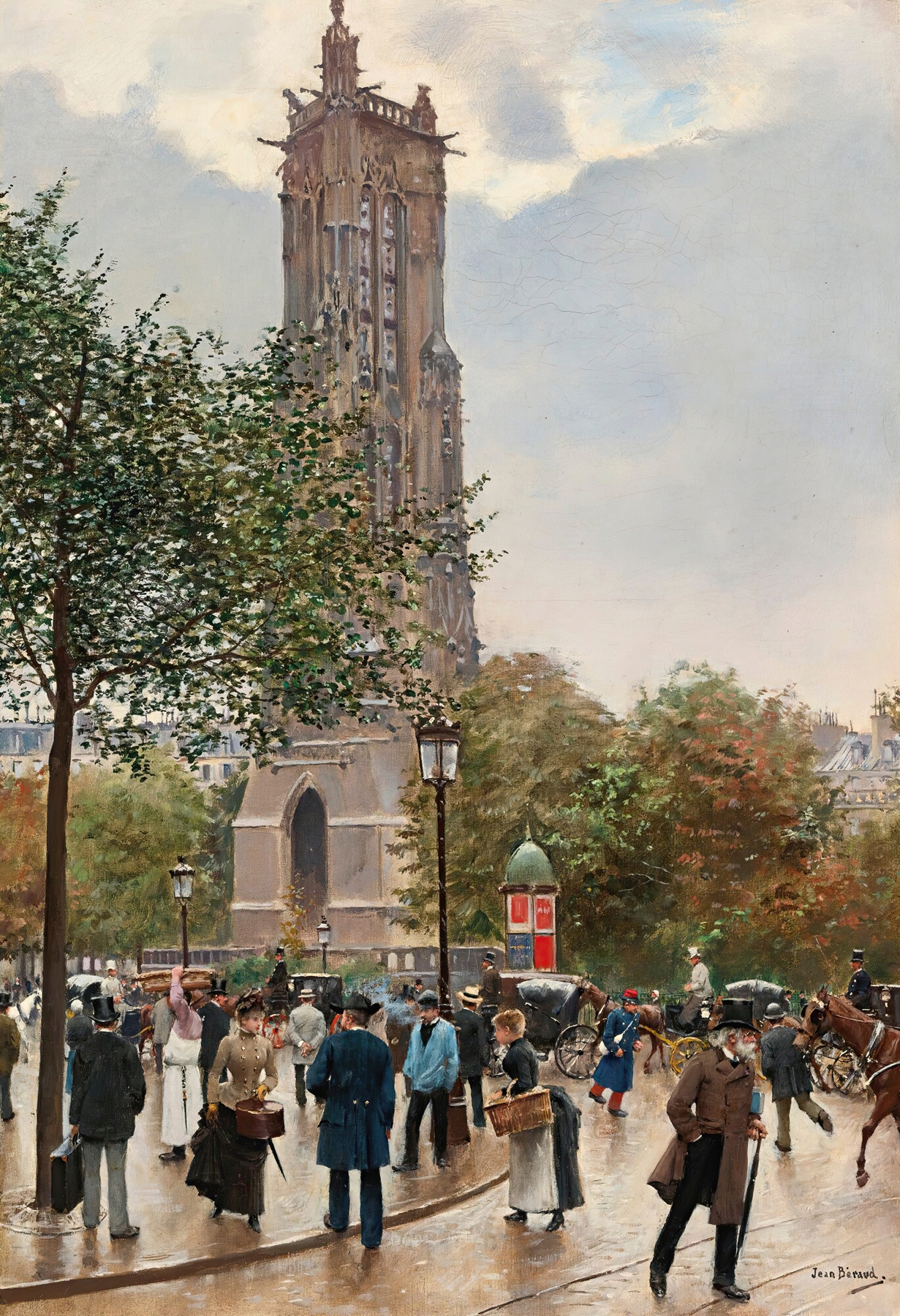
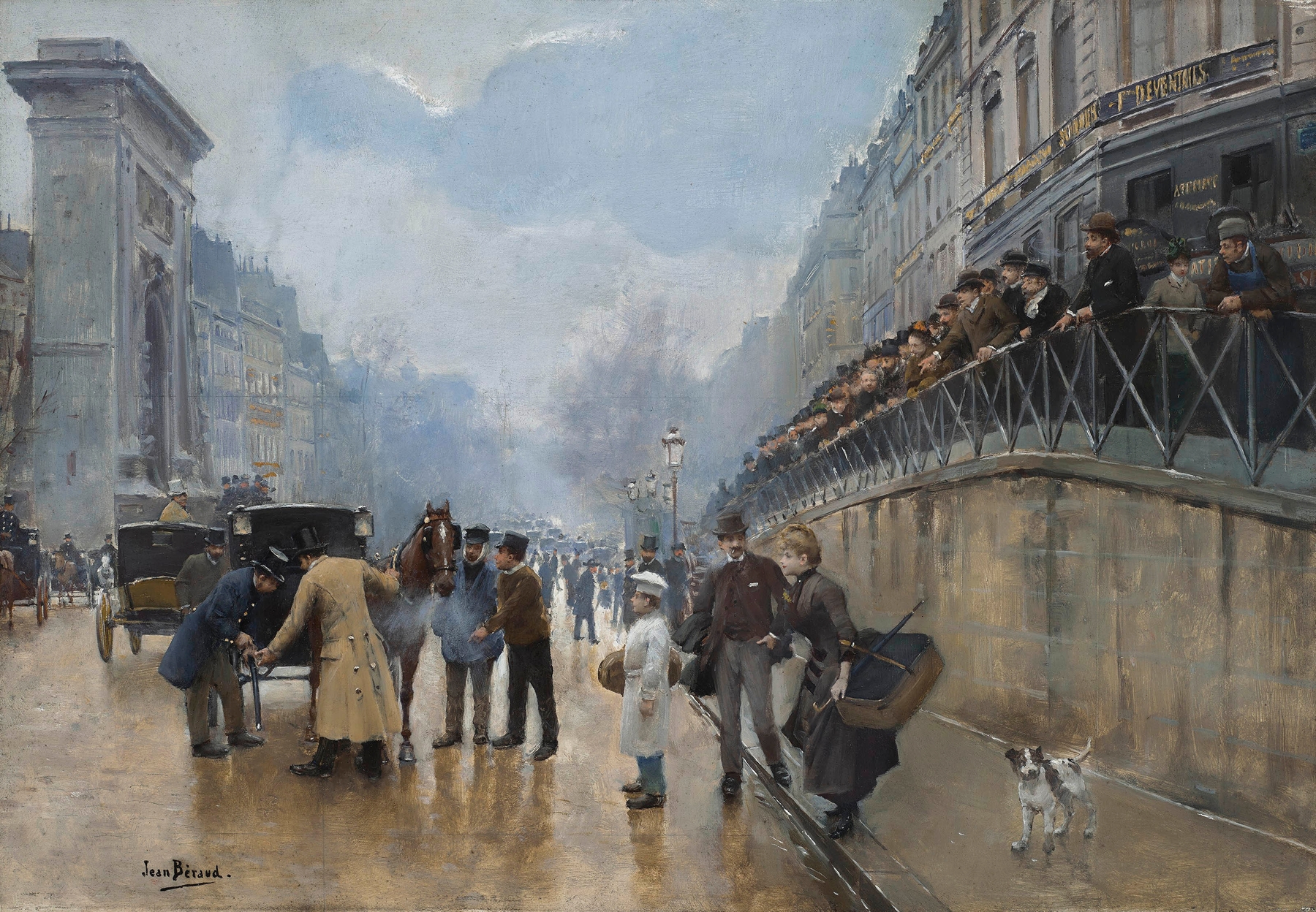
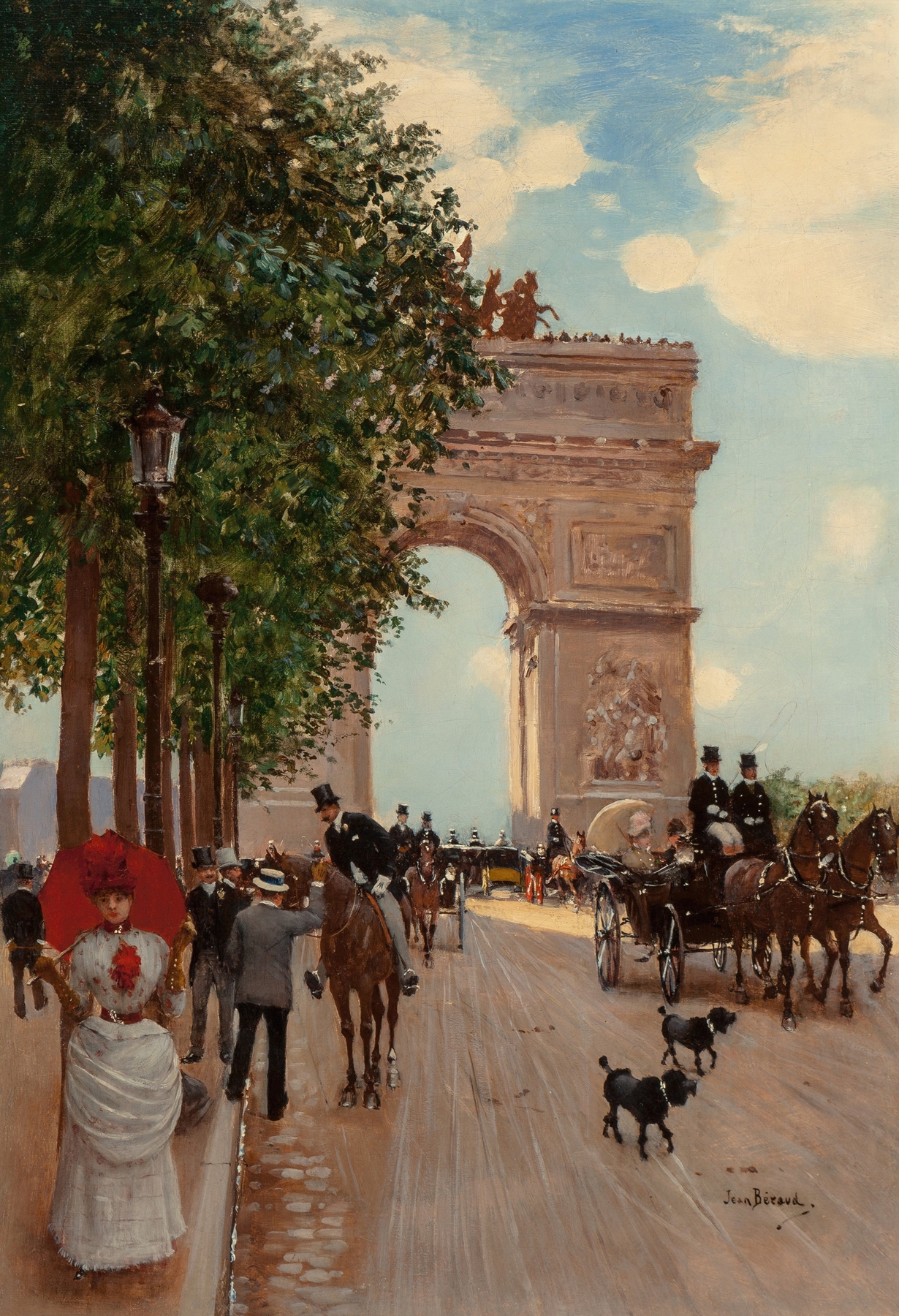
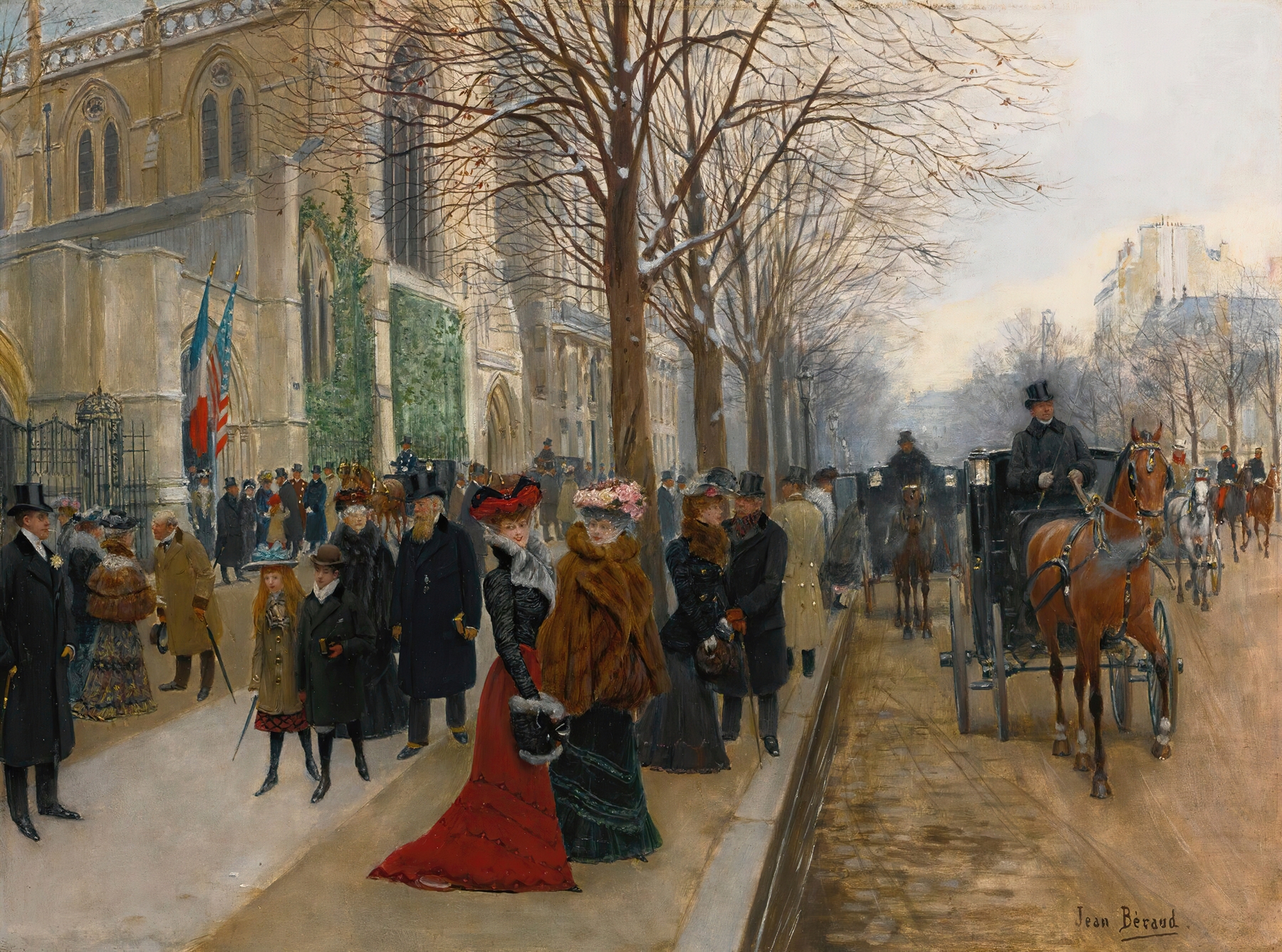
“Art reveals the soul when the world turns away.” In a bustling city, serenity often eludes the heart, yet it quietly lingers in the shadows of urban life. Here, a moment captured transcends the chaos of Paris, inviting us to pause and reflect. Look to the left, where the gentle curve of a street invites the viewer’s gaze down a sun-drenched avenue. Notice how the light dances upon the cobblestones, casting a warm glow that contrasts with the cool, muted colors of the buildings.
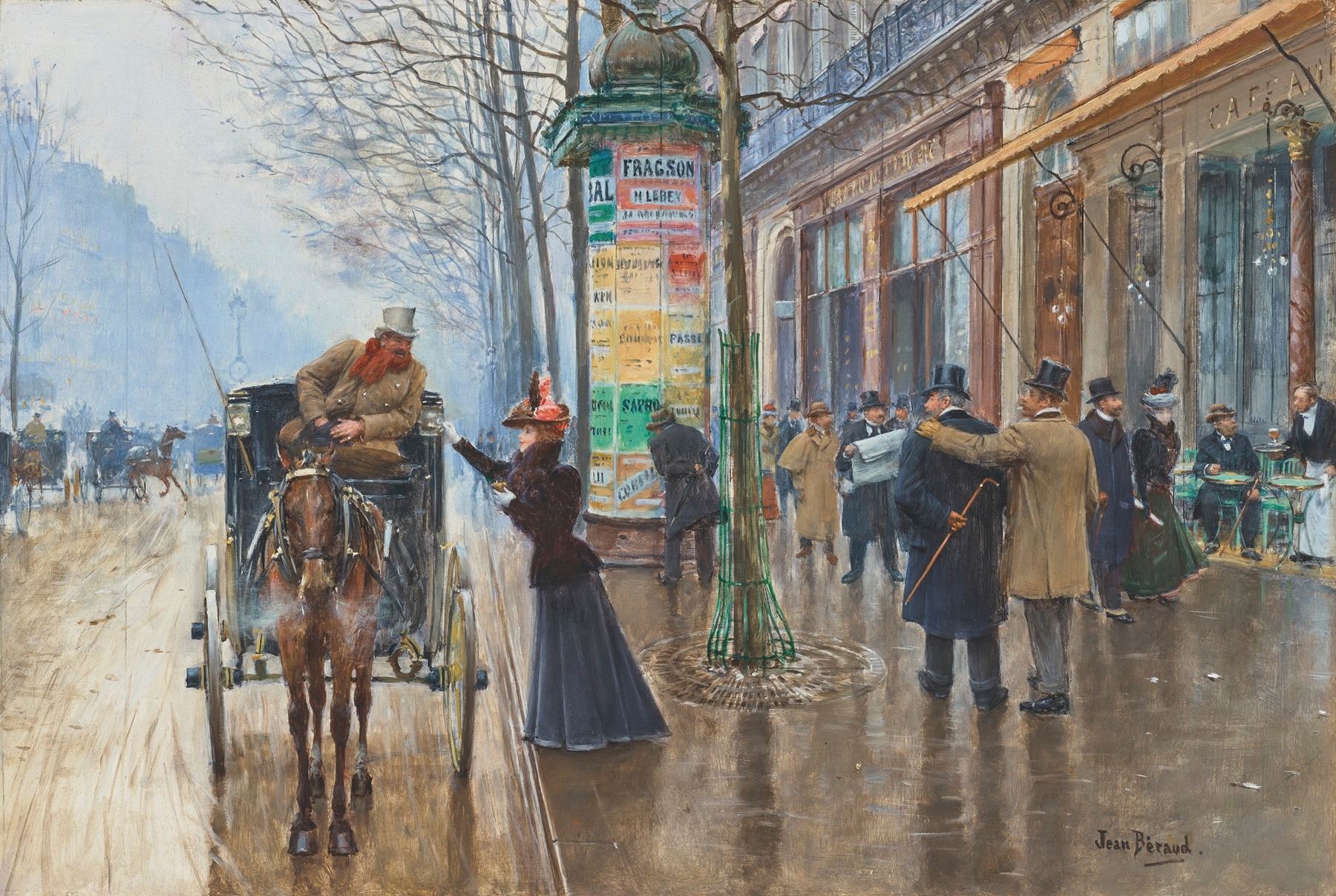
The figures stroll casually, their gestures relaxed against the backdrop of a vibrant city, embodying the harmony that exists amidst the movement. Each brushstroke reveals the artist's adeptness at blending realism with an impressionistic touch, creating a scene that feels both alive and timeless. Delve deeper into the painting's emotional layers, where the juxtaposition of the lively street and the solitary figure in the foreground speaks to a universal search for tranquility. The outstretched hand of the woman, poised in conversation, suggests connection yet reflects a moment of introspection.
Here, the soft hues and detailed textures contrast with the hurried pace of life outside, emphasizing the delicate balance between solitude and society, presence and absence. Jean Béraud created this piece around 1882, during a period marked by the rapid modernization of Paris. He was deeply influenced by the vibrancy of urban life yet sought to capture its quieter moments. At the time, he was gaining recognition for his unique ability to portray the essence of Parisian life, breaking away from conventional depictions to reveal the subtleties of human interaction within the city's dynamic landscape.