La Tour Saint Jacques — History & Analysis
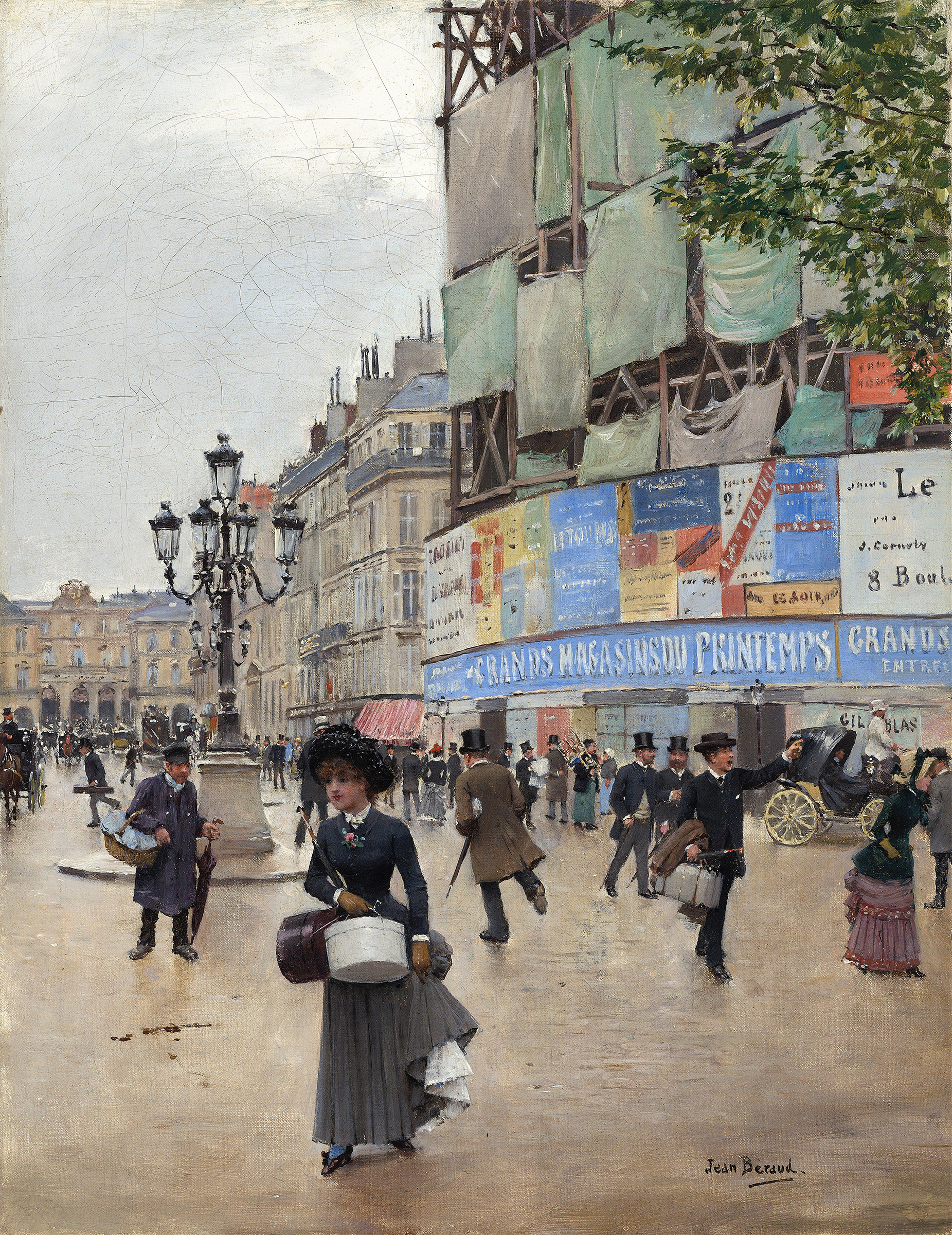
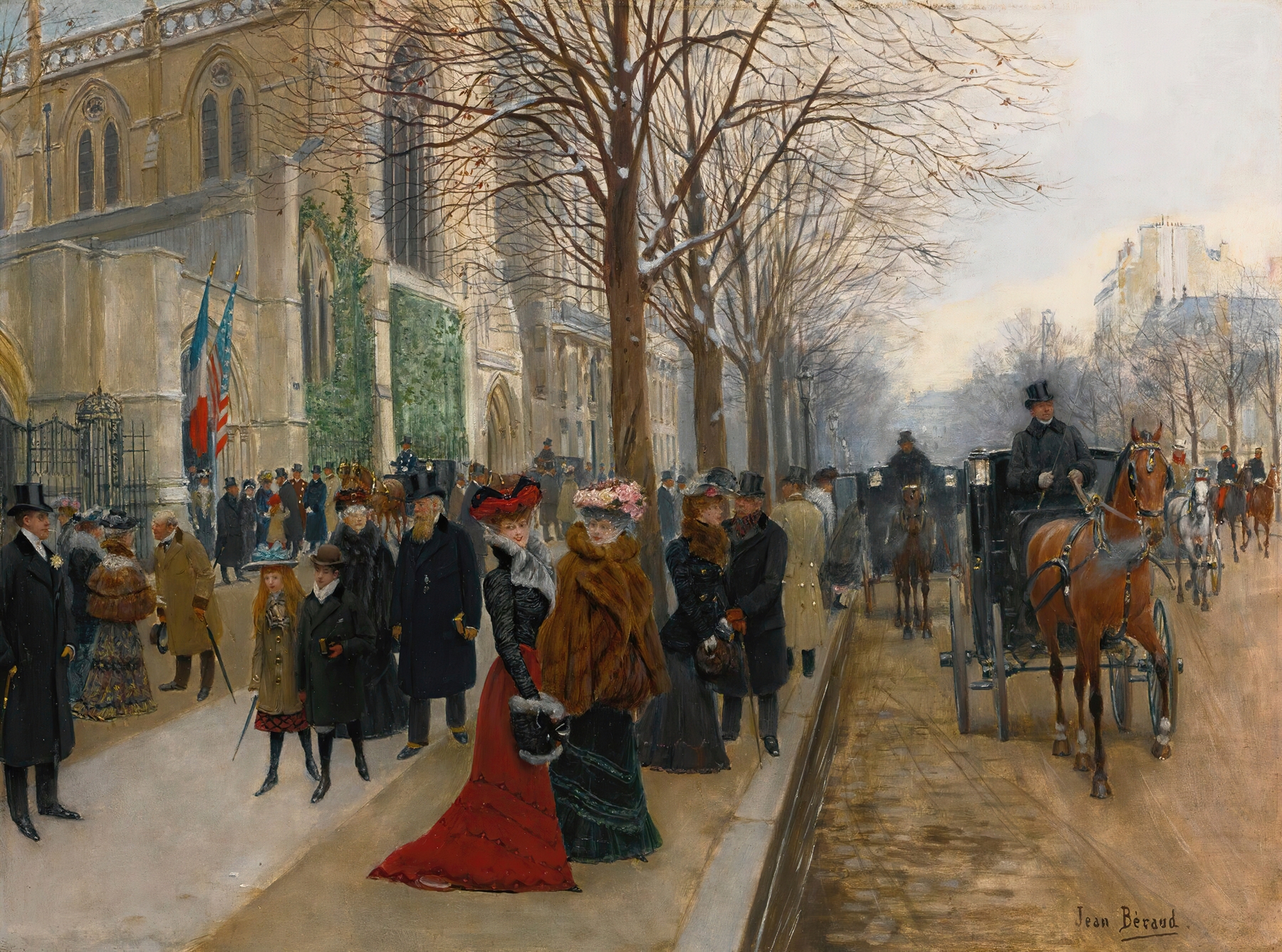
“The canvas doesn’t lie — it simply waits.” In a world where time marches forward, decay emerges as the silent witness, capturing the essence of fleeting beauty. Look to the foreground, where a solitary figure stands, partially shrouded in shadow. The muted colors of gray and brown create a somber atmosphere, revealing the worn cobblestones and the crumbling architecture of the Tour Saint Jacques. Notice how the light almost hesitates to touch the surfaces, casting a gentle glow that highlights the texture of the aged stone.
This interplay of light and shadow draws the eye into the depths of the scene, inviting contemplation of the passage of time. Hidden within this urban landscape lies a poignant commentary on mortality and the inevitable decline that nature bestows upon human creations. The juxtaposition of the steadfast tower against the ephemeral figures wandering below hints at the disparity between permanence and transience. Each detail—the peeling paint, the weathered stones—whispers stories of both existence and oblivion, provoking a visceral response to our relationship with the past.
During the time La Tour Saint Jacques was created, Jean Béraud was working in late 19th-century Paris, a city undergoing significant transformation. As modernity encroached upon the historic architecture, the artist observed these changes with a keen eye, reflecting societal tensions through his depictions of urban life. The painting encapsulates a moment of reflection amidst rapid evolution, revealing the delicate balance between progress and decay that marked this pivotal era.