Après L’office À L’église De La Sainte Trinité, Noël 1890 — History & Analysis
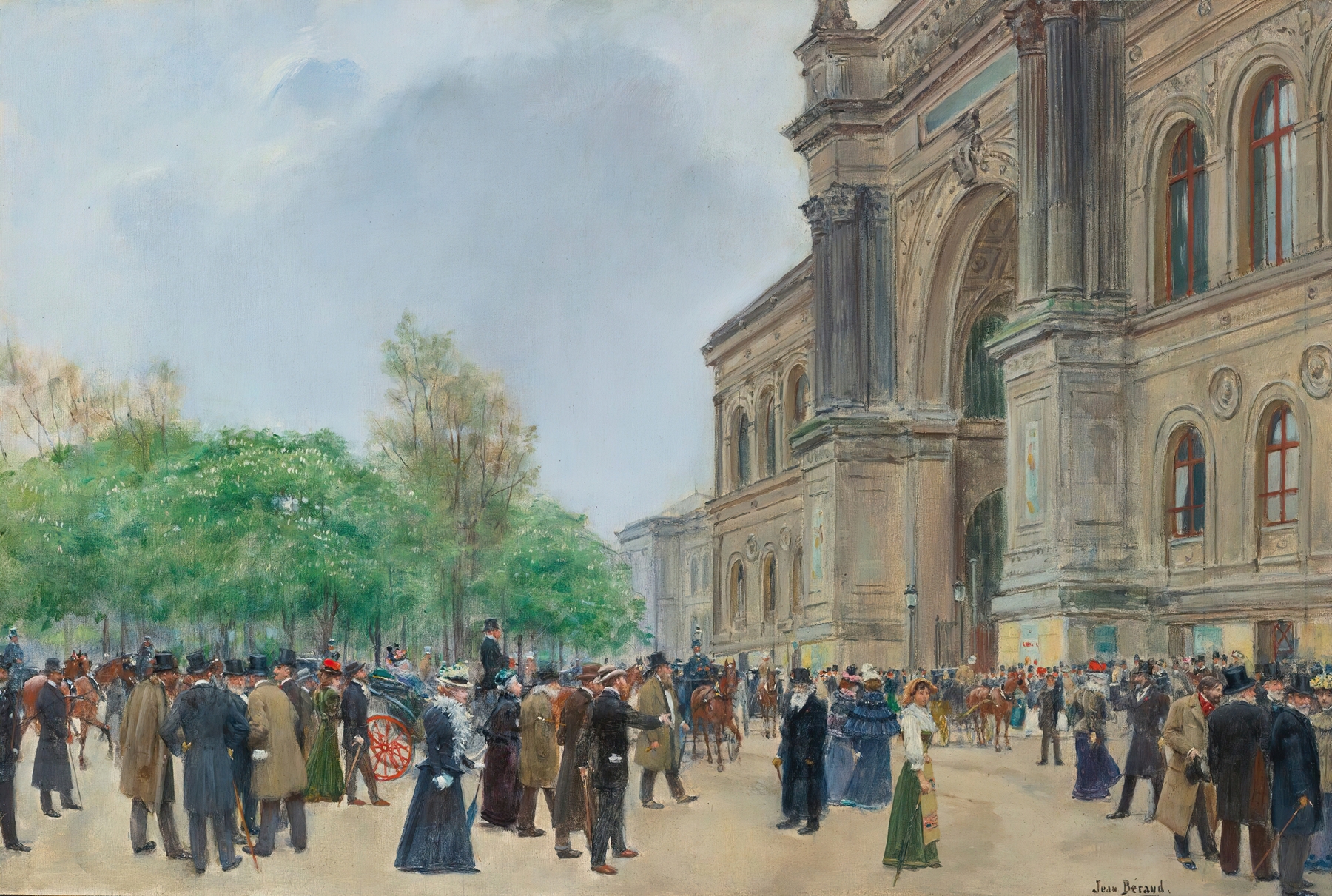
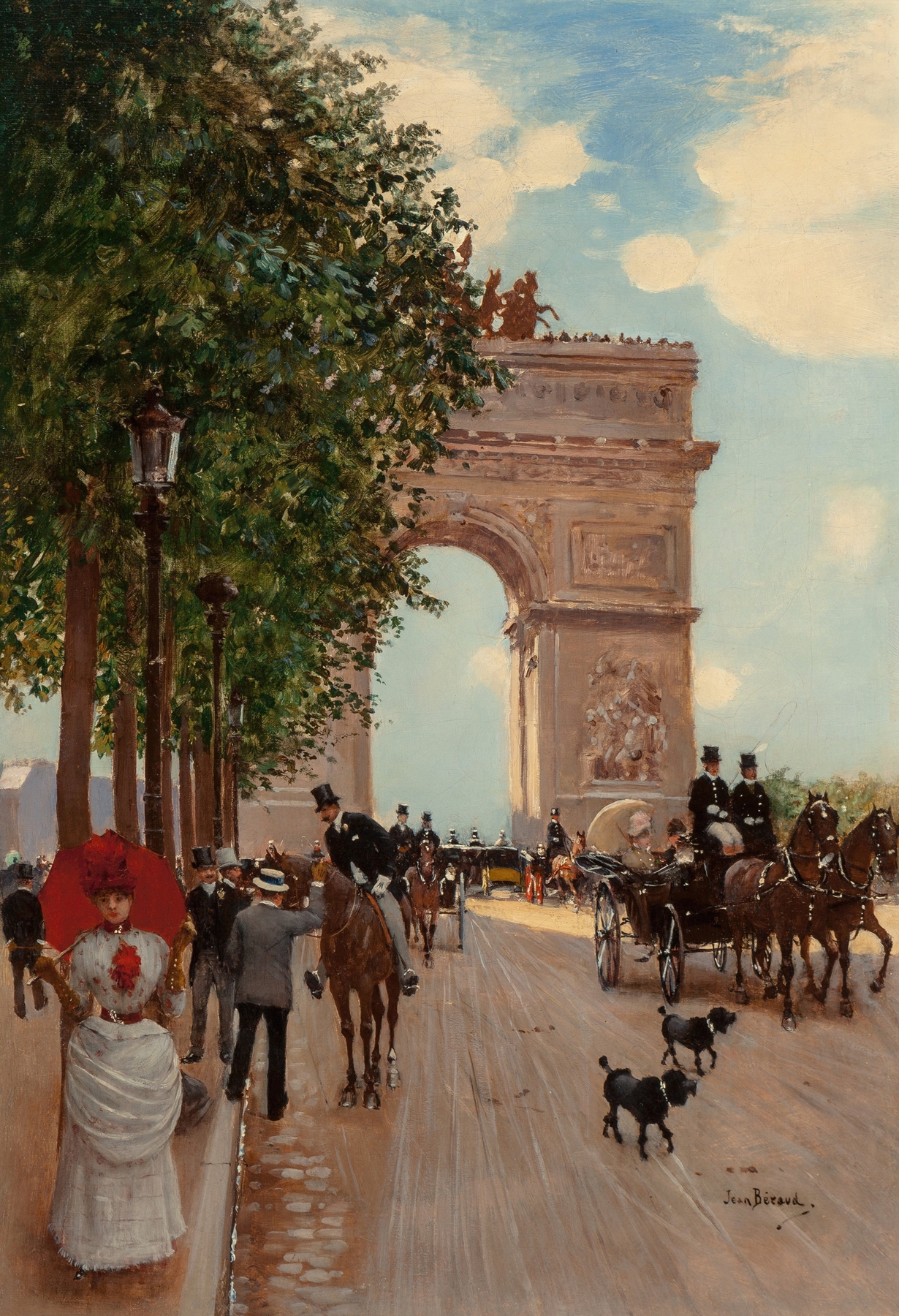
“Sometimes beauty is just pain, disguised in gold.” This sentiment echoes through the heart of the observer, resonating with the muted elegance of a moment captured in time. Here, the sacred and the sorrowful intertwine, revealing layers of human experience that linger long after the surface fades. Look closely at the figures gathered, their faces a blend of reverence and longing. The soft light filtering through stained glass illuminates the scene, casting gentle hues on the polished wooden benches and the delicate draping of the attendees’ clothing. Notice how the artist employs a palette of somber tones, punctuated with golden highlights that suggest both warmth and a sense of loss.
Each character embodies a narrative, their postures and expressions steeped in a shared silence that speaks volumes. Within this congregation, hidden tensions emerge. The juxtaposition of the exterior light against the darkened interior symbolizes the dichotomy of faith and doubt, hope and despair. In the subtle details—a hand clasped tightly, a distant gaze, the way a shawl is wrapped—lies a haunting melancholy.
Each element contributes to a collective story, where the beauty of the setting contrasts sharply with the unspoken burdens of the soul, inviting profound reflection. In 1890, Jean Béraud painted this poignant scene during a period marked by both personal and artistic evolution. Living in Paris, he was navigating the complexities of modern life while capturing the everyday moments that defined the era. The rise of Impressionism, which celebrated light and spontaneity, influenced him, yet he remained anchored in the themes of human emotion and societal observation, as evidenced in this deeply evocative work.