The Opening Day Of The Salon — History & Analysis
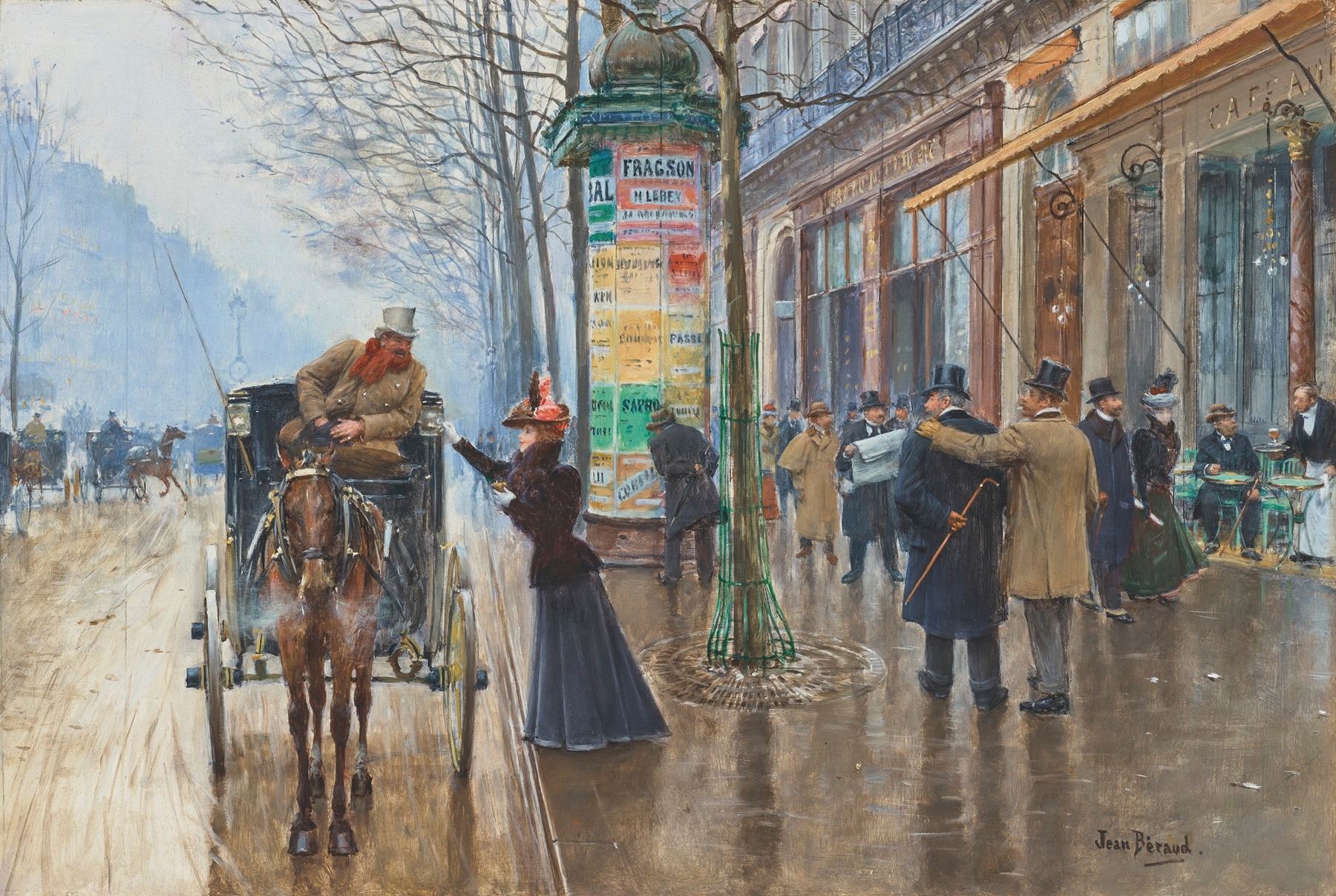
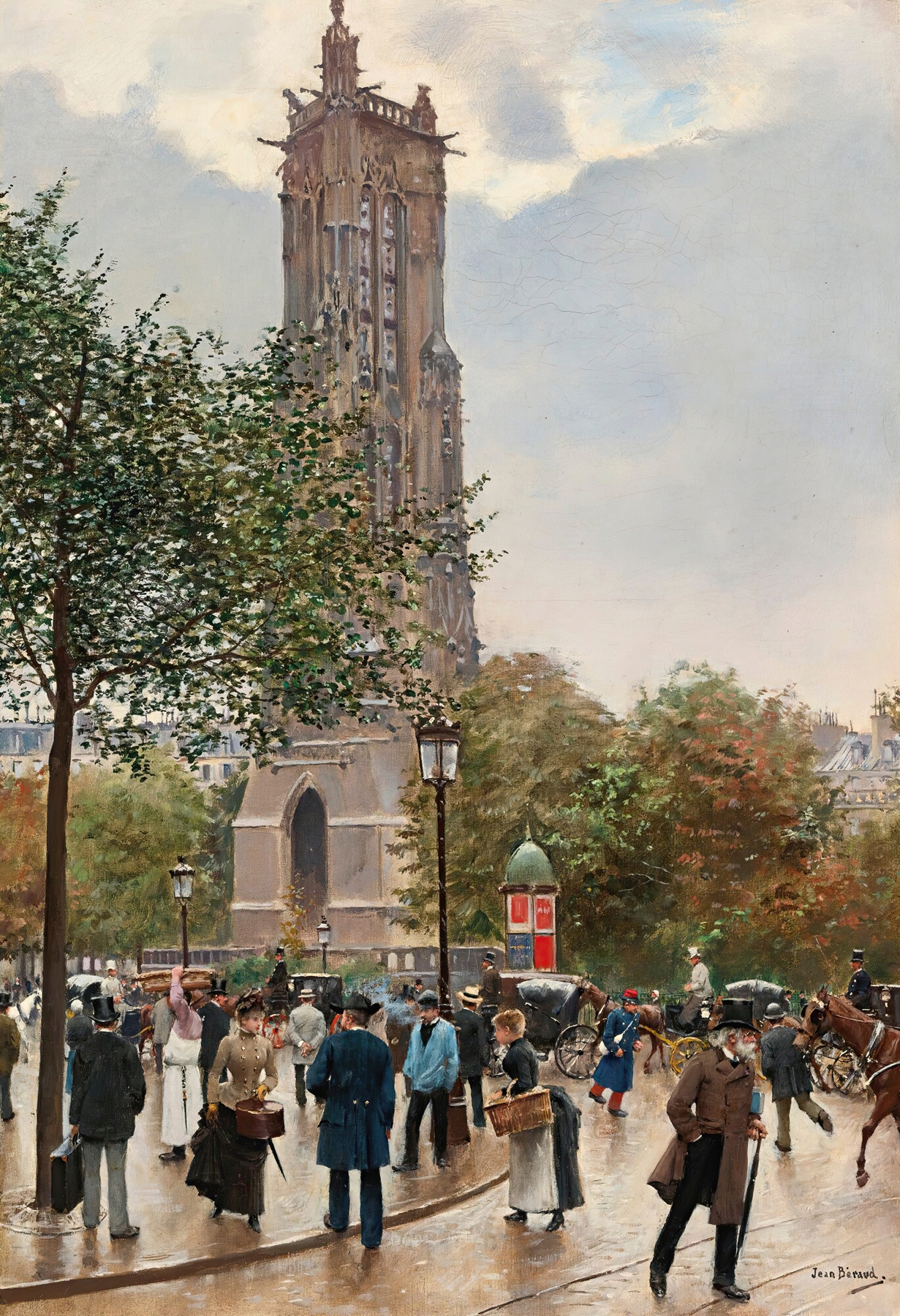
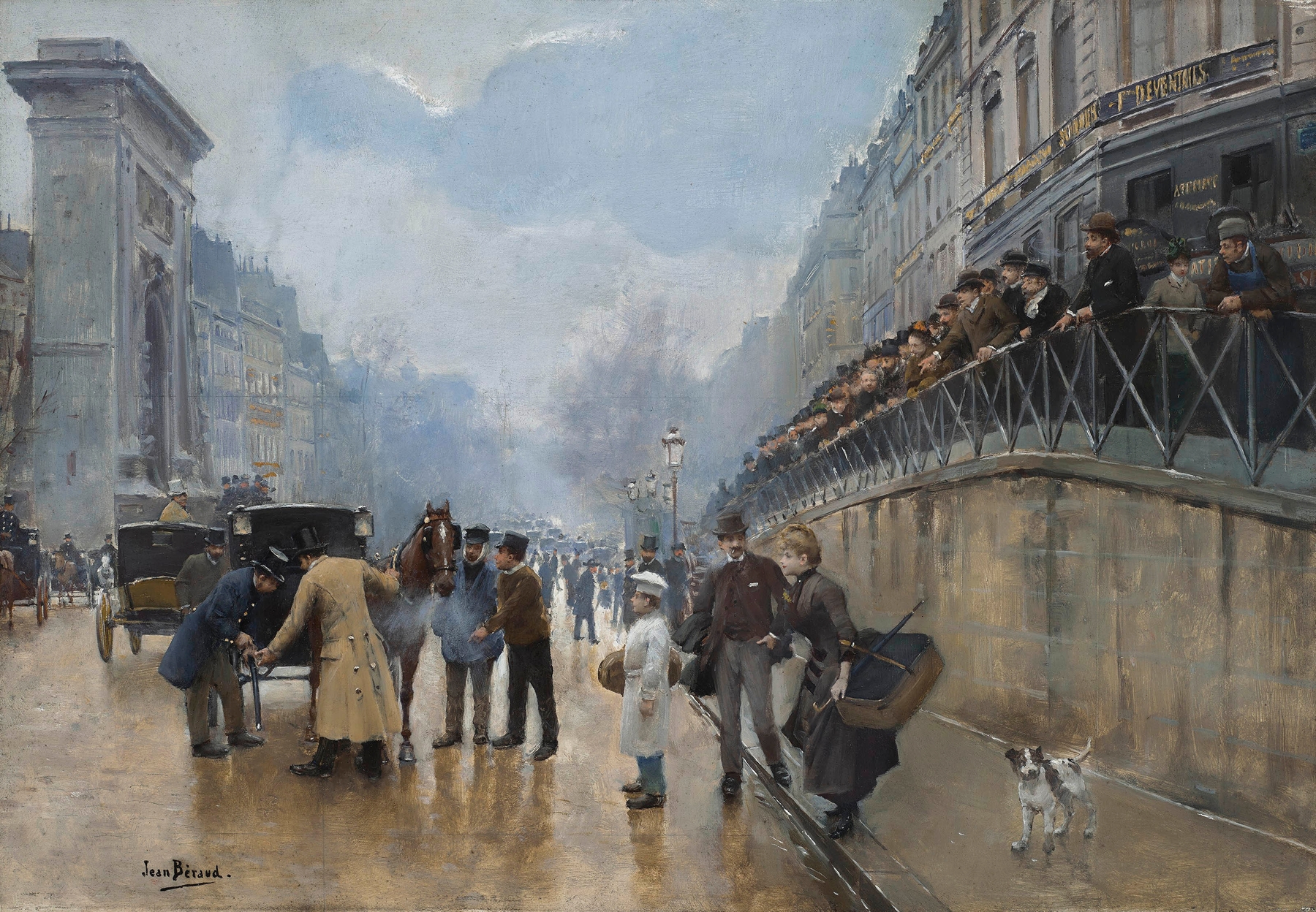
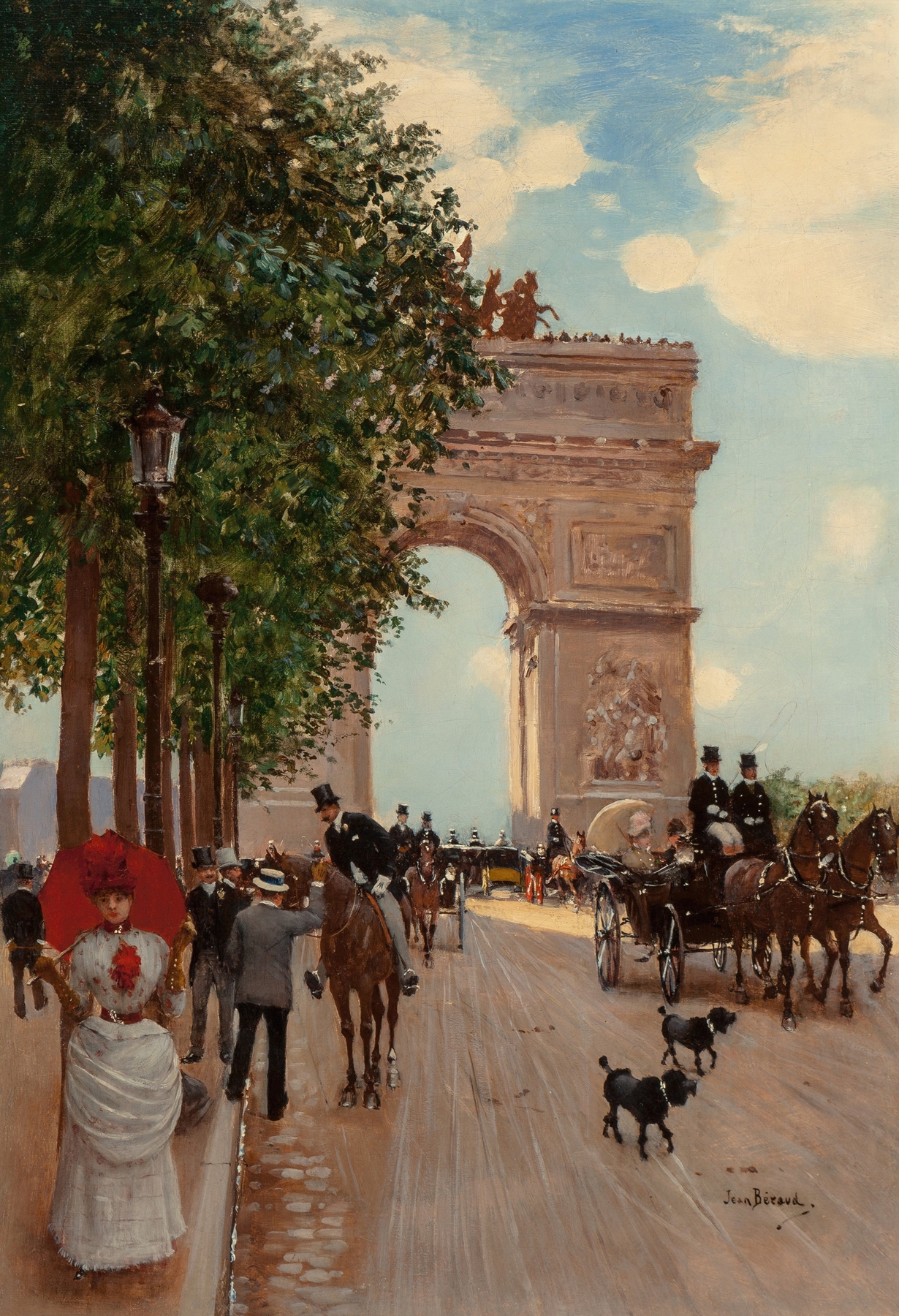
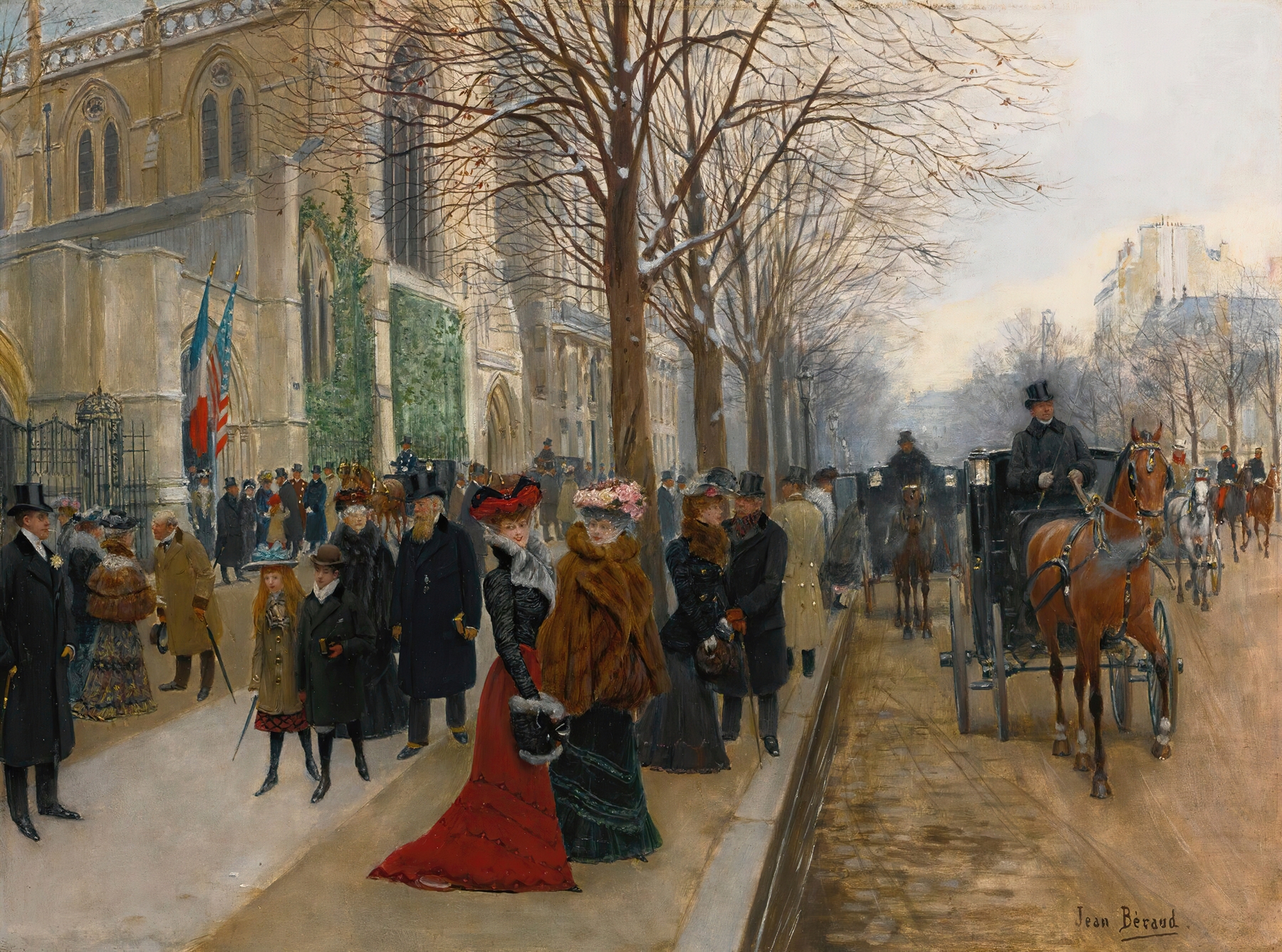
“Every silence here is a confession.” In the grand expanse of the art world, countless stories linger in the air, suspended like the dust motes illuminated by the soft light of a gallery. Among the throngs of the curious, the enraptured, and the indifferent, the question lingers: what lies beneath the surface of every brushstroke? Focus on the central figures as they engage in hushed conversations, their faces an array of emotions — admiration, envy, curiosity. Notice the meticulous detail in the drapery of their garments, contrasting with the vibrant hues of the paintings that surround them.
The artist's use of light subtly enhances the grandeur of the salon while casting an intimate glow on the crowd, allowing us to witness their reactions as they navigate this temple of creativity. Delve deeper into the expressions of the onlookers; they reflect not just appreciation but the weight of mortality, the fleeting nature of beauty and success. A seemingly minor detail — a single hand resting on a chin, a furrowed brow — speaks volumes about the anxieties of artists and patrons alike, each grappling with their own legacy in a space that both venerates and critiques. The lavishness of the salon contrasts sharply with the ephemeral nature of artistic recognition, offering a poignant commentary on the pursuit of artistic immortality.
At the time this scene was created, the artist found himself amidst the cultural pulse of Paris, exploring the complexities of societal norms and the evolving nature of art. The Salon was a significant event for artists to showcase their work; however, it also revealed the fierce competition and pressures of public opinion. This period marked a transitional phase in the art world, as traditional boundaries began to blur, allowing Béraud to capture the tension of anticipation and introspection in an ever-changing landscape.