Esne — History & Analysis
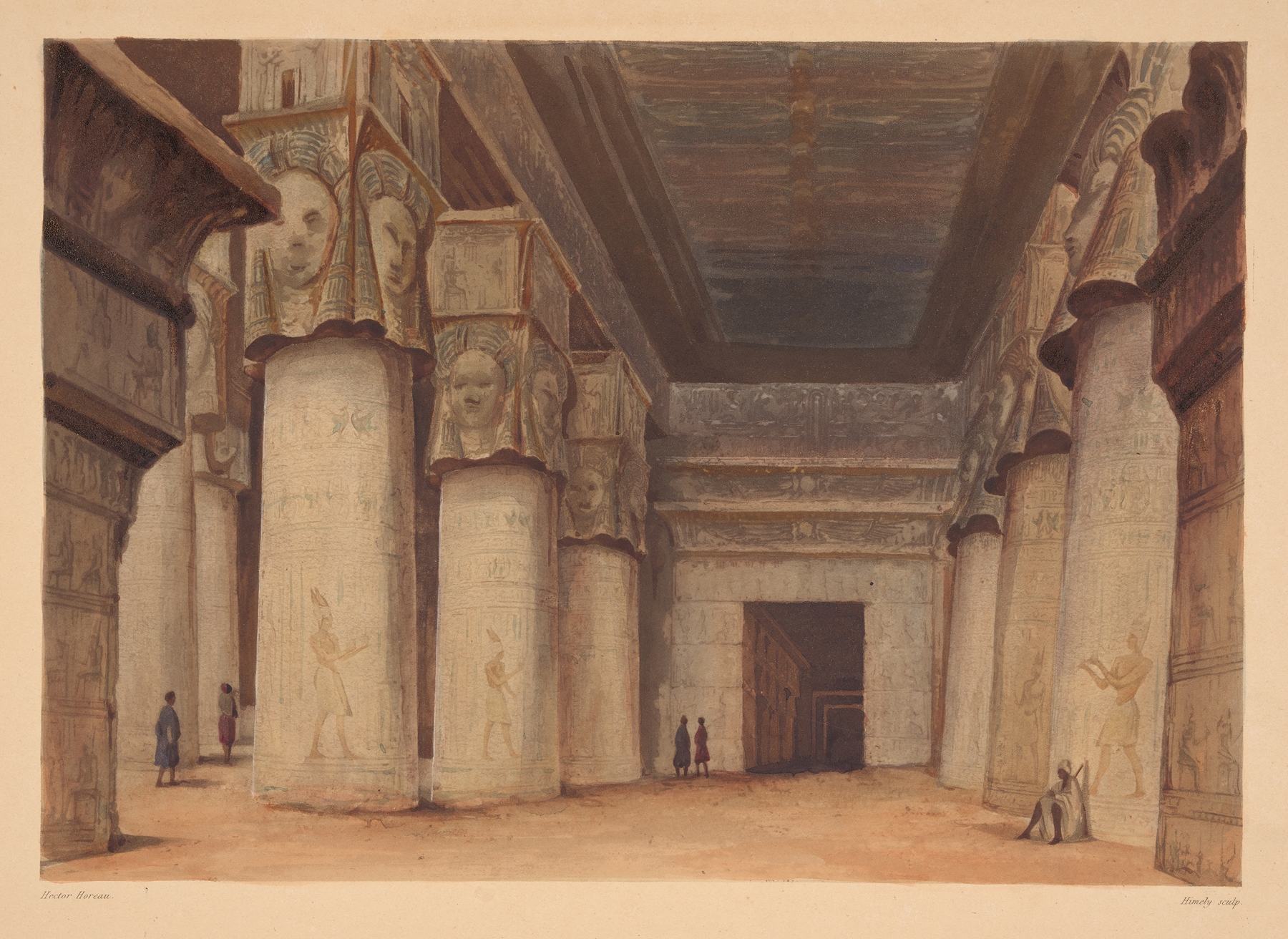
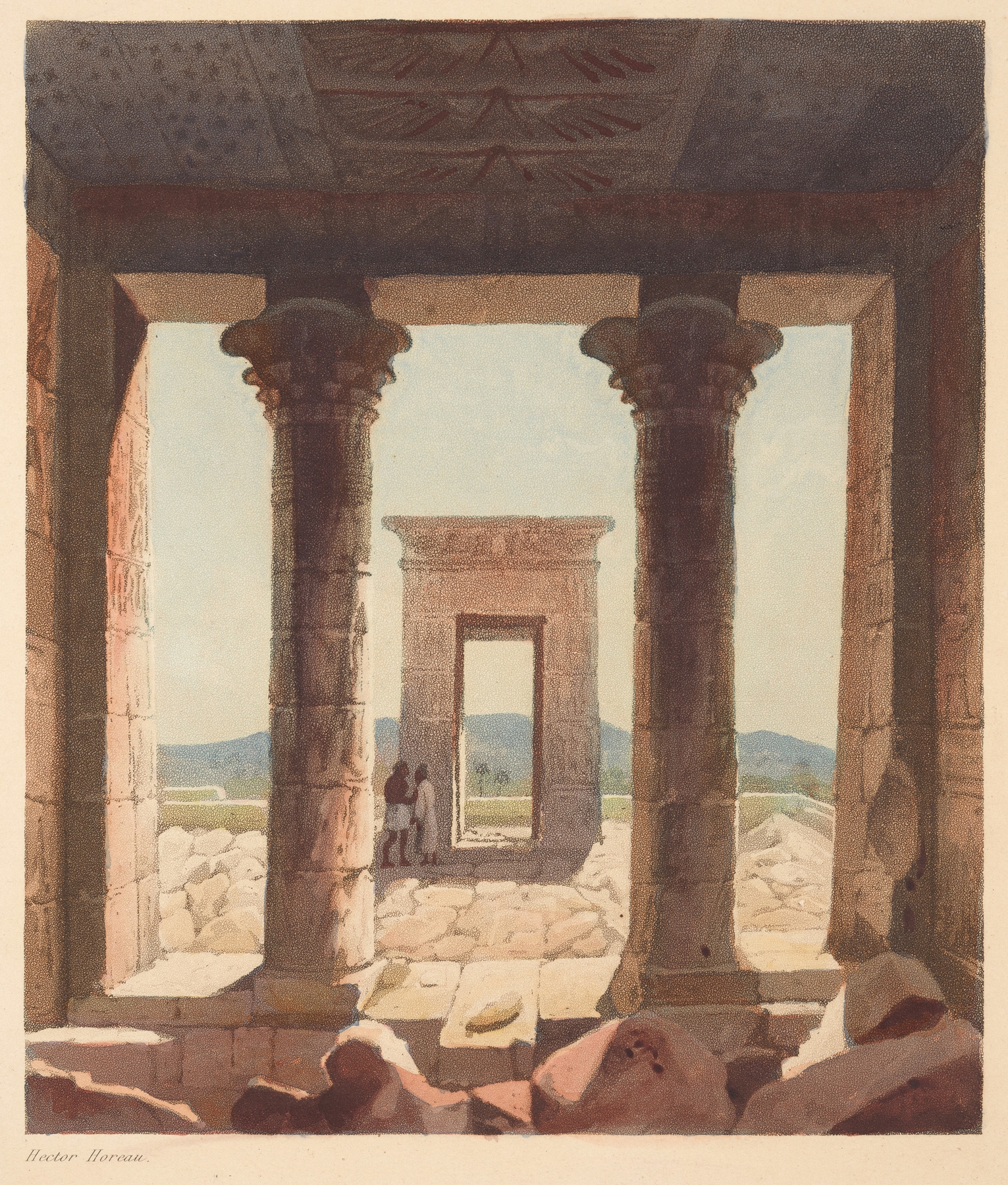
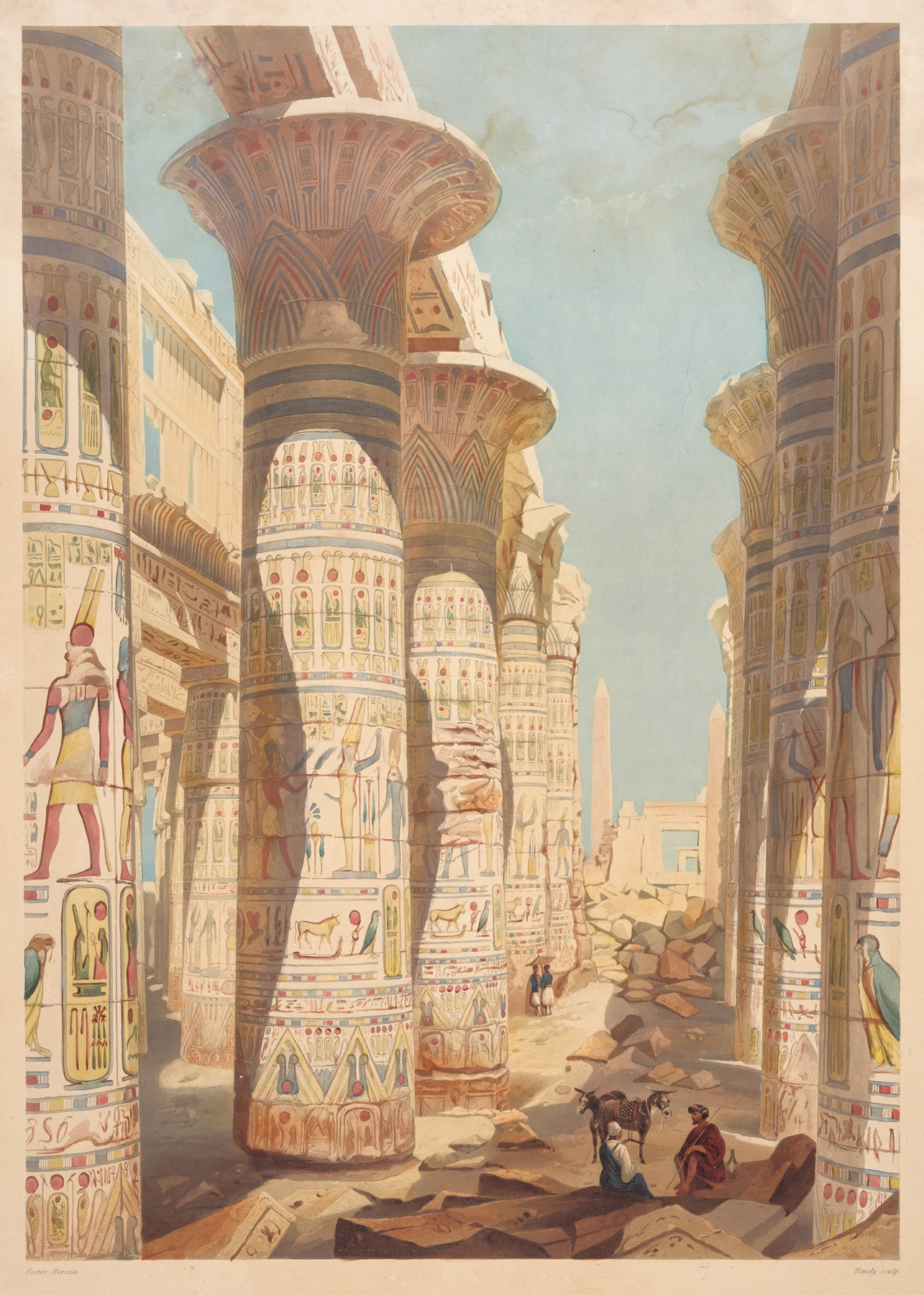
Could a single brushstroke hold eternity? In Esne, the notion of loss unfolds with quiet intensity, revealing the weight of absence that lingers in the air. Look to the center of the canvas, where a faint silhouette emerges from a wash of muted blues and grays. The figure, almost ghostlike, seems to float in space, embodying both presence and emptiness. Notice how the edges of the form blur into the background, creating a sense of detachment from the world around it.
The delicate interplay of light and shadow highlights the contours of sorrow, while soft, swirling brushstrokes evoke a dreamlike quality, inviting viewers to ponder what once was. Beneath this haunting image lies a deep emotional resonance. The isolation of the figure speaks to universal themes of separation and longing. Scattered around are hints of vibrant colors, perhaps remnants of joy or memories that have faded over time, contrasting starkly with the predominant palette.
This dichotomy between vibrancy and desolation encapsulates the artist’s exploration of how loss transforms not only the individual but the very fabric of memory itself. During an uncertain time in the 19th century, Hector Horeau created Esne, likely while grappling with personal and societal upheavals. As an artist known for blending realism with a touch of the ethereal, Horeau was influenced by the Romantic movement, which sought to express deep emotional experiences. In this work, he channels the essence of his era's struggles, transforming them into a poignant meditation on the nature of existence and the lingering shadows of what we leave behind.
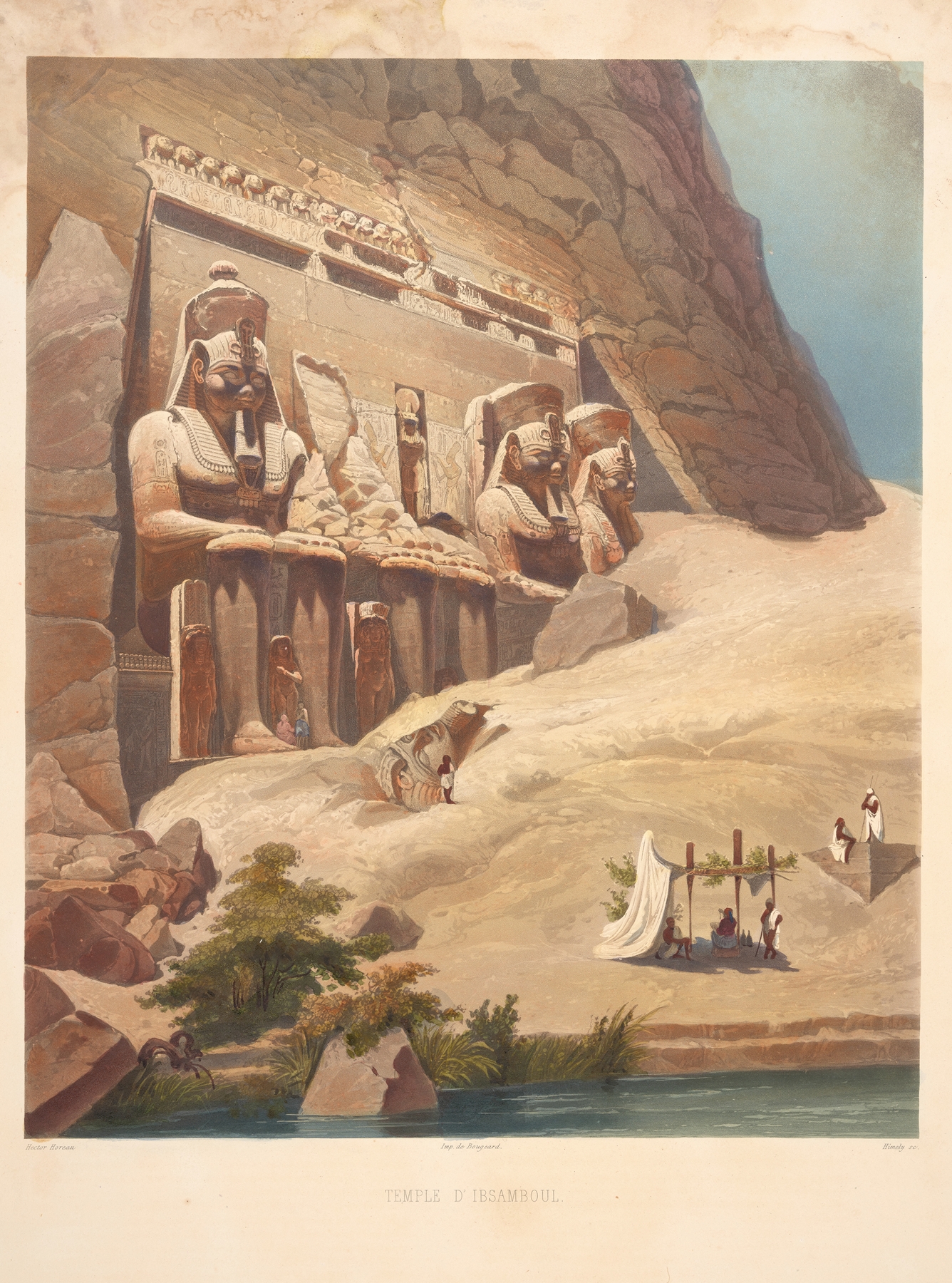
![Temple d’Ibsamboul [Interior view] (Temple of Abu Simbel), by Hector Horeau, public domain](https://froigstrpvutwqtqikzt.supabase.co/storage/v1/object/public/art-images/artworks/3156dbe8015f5681be442de2c2c50af40c84d5e10e8f68f04f9a54d6d857255f.jpg)