Excavation at Night — History & Analysis
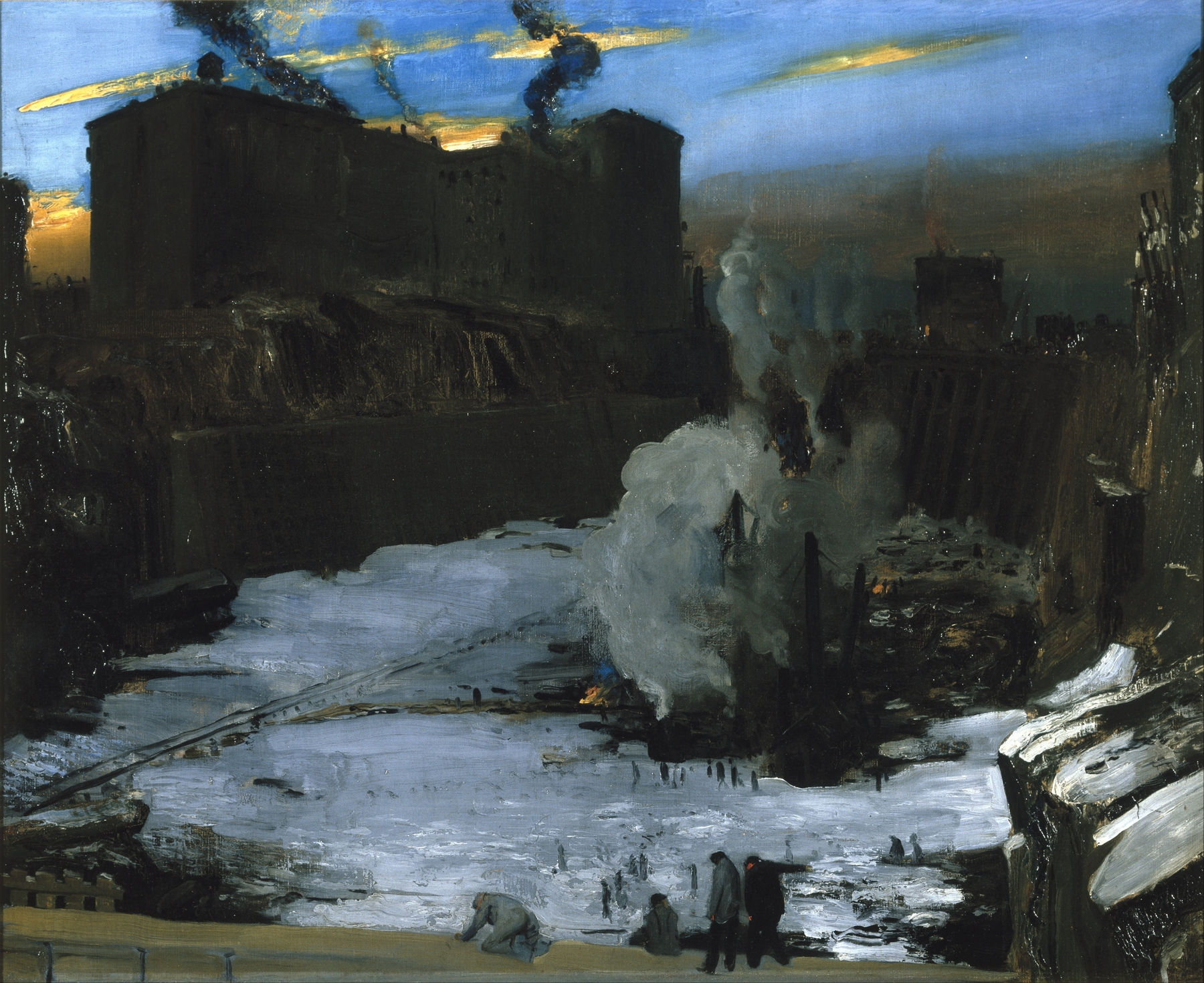
When did color learn to lie? In the depths of silence, where the night cradles both chaos and calm, a haunting glow emerges, revealing the hidden truths of labor and struggle. Look to the center of Excavation at Night, where workers toil beneath a shroud of darkness, illuminated by an otherworldly light. The pale, almost ghostly hues of yellow and white contrast starkly with the surrounding shadows, drawing your eye to the figures’ strained expressions and sinewy forms.
Notice how the brushwork evokes motion; the swirling strokes create a sense of urgency and fatigue, encapsulating the relentless spirit of those laboring through the night. Yet, beneath this vibrant chaos lies a profound tension. The workers, though engaged in their task, seem suspended in a moment of introspection, caught between the demands of their labor and the quiet isolation of the night. The juxtaposition of their physical exertion against the eerie tranquility invites reflection on the paradox of human struggle—how the vibrancy of color can both celebrate and conceal the melancholy of their existence.
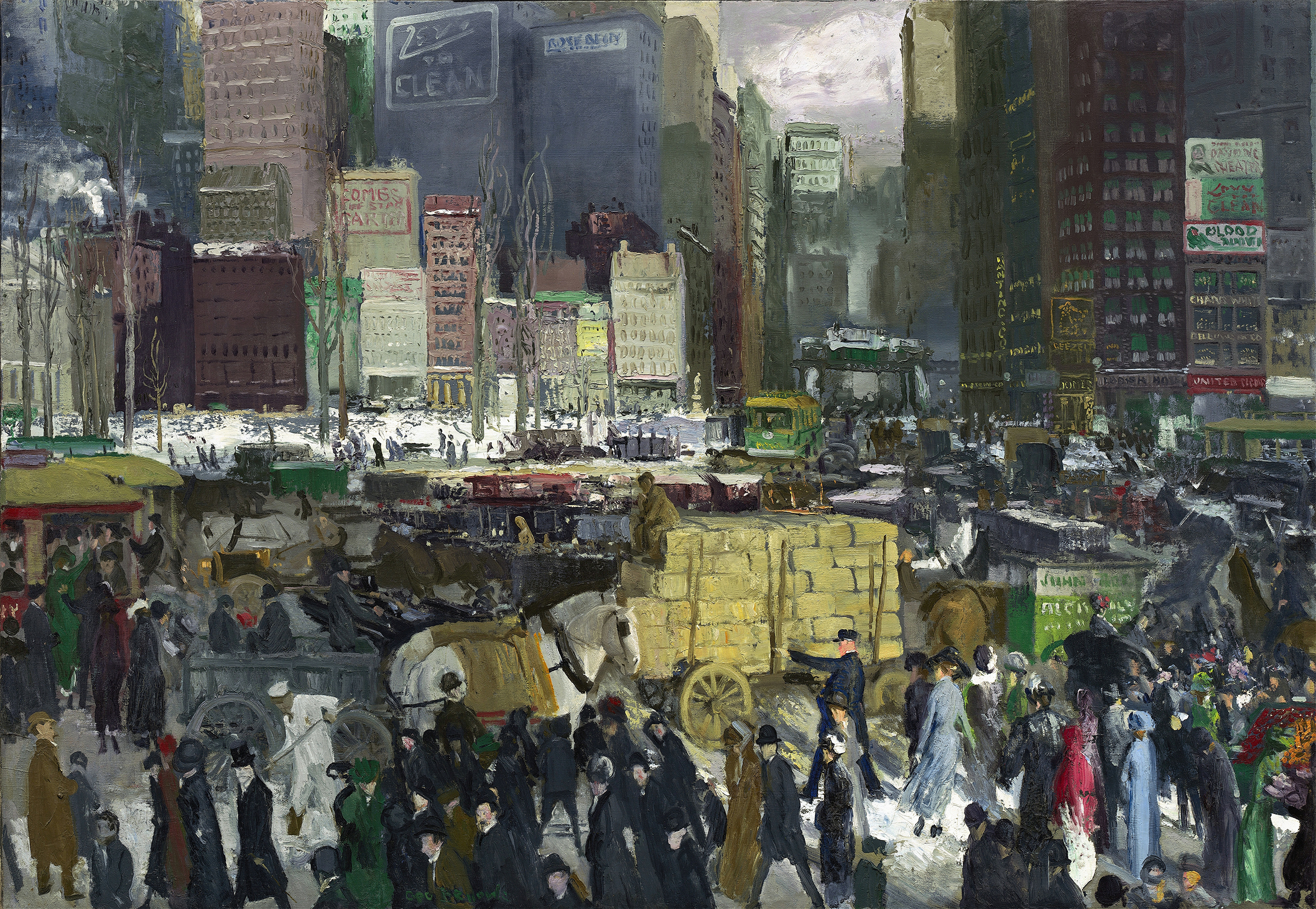
Each stroke whispers the reality of their labor, yet the silence of night amplifies their anonymity. In 1908, George Wesley Bellows created this work during a transformative period for American art, as it began to embrace modern themes and urban experiences. Living in New York City, where industrialization was reshaping society, he captured the gritty essence of life in the metropolis. His involvement with the Ashcan School, a movement focused on depicting the lives of everyday people, fueled his desire to explore the complexities of human emotion against a backdrop of evolving cityscapes.