Farmhouse in Nuenen — History & Analysis
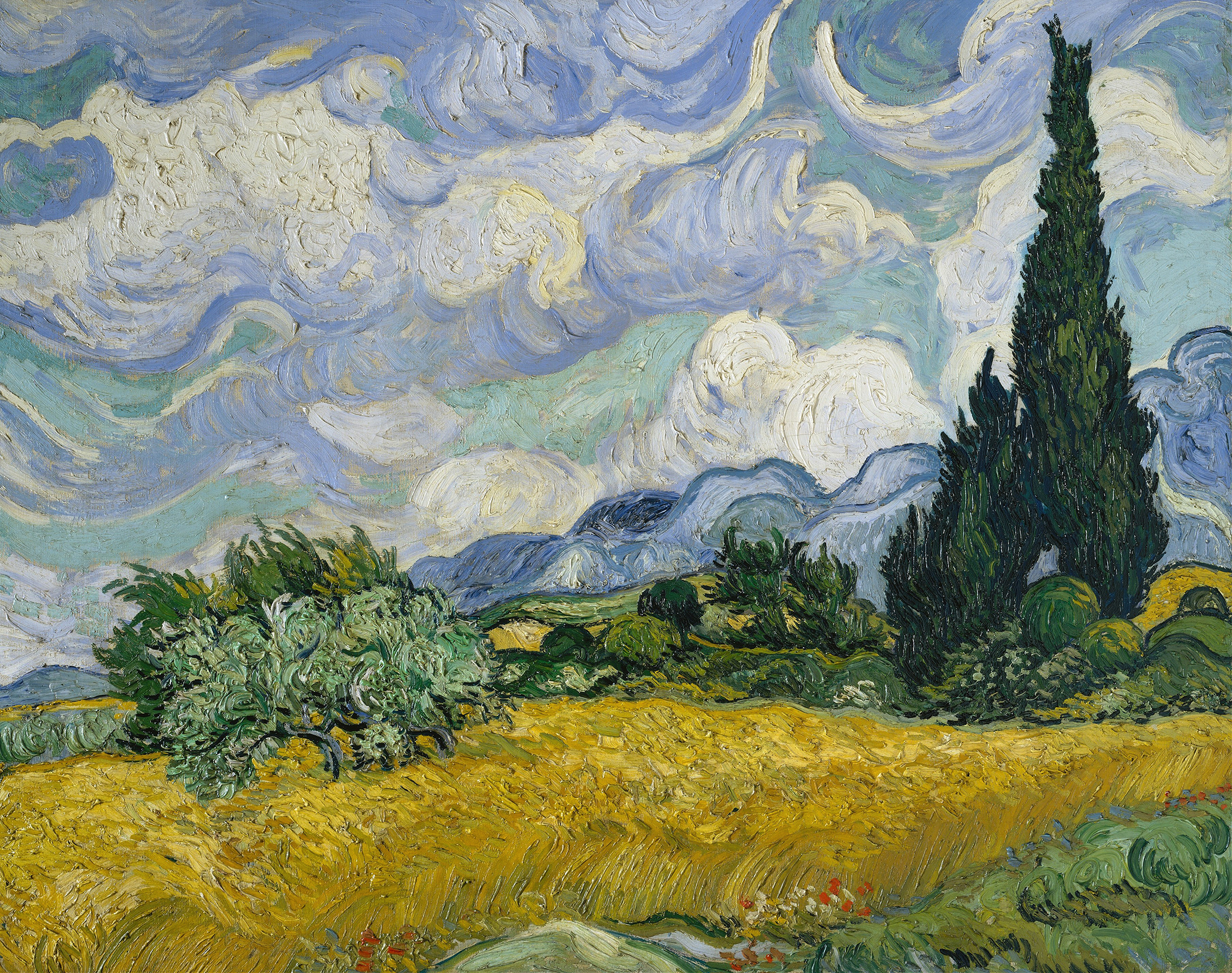
Can beauty exist without sorrow? In Farmhouse in Nuenen, the very essence of life and labor intertwines with the raw truth of existence, revealing the profound complexities of rural life. Look to the left at the rustic farmhouse, its worn walls speaking of countless seasons weathered and memories etched in wood. Notice the muted palette; earthy browns and deep greens blend seamlessly, embodying the struggle and resilience of the land.
The brushwork is textured yet deliberate, leading your gaze to the modest windows that seem to stand vigil over the fields, embodying a silent witness to the toil beneath the expansive sky. Beneath the surface of this tranquil scene lies a tension between solitude and community. The absence of human figures invites contemplation of the lives intertwined with this setting, suggesting both a deep connection to the land and an underlying loneliness. The juxtaposition of the sturdy farmhouse against the delicate beauty of nature challenges the viewer to reflect on the bittersweet relationship between labor and art, where joy often coexists with hardship.
In 1885, Vincent van Gogh painted this piece while living in Nuenen, where he sought to depict the struggles of peasant life and the sincerity of rural existence. This period was marked by his deep engagement with themes of labor and human connection, as he aimed to portray the raw emotion and truth encapsulated within everyday scenes. The work serves as a poignant reflection of his evolving style and philosophy amidst the vibrant shifts occurring in the art world around him.