Starry Night — History & Analysis
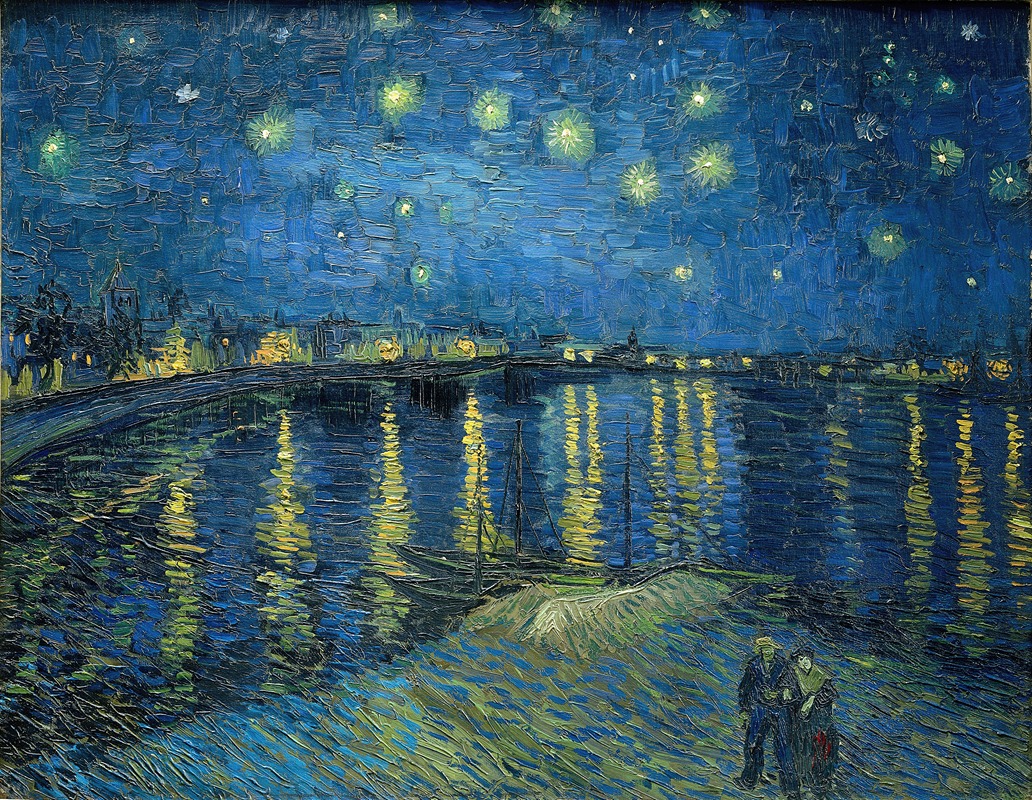
What if silence could speak through light? In Starry Night, the swirling cosmos seems to echo the quiet turmoil of the soul, illuminating the darkness with a celestial whisper. Look to the center, where the luminous crescent moon hangs like a guardian over the village below. Notice how the brushstrokes create an ethereal movement; they pulse with energy, as if the night air itself is alive.
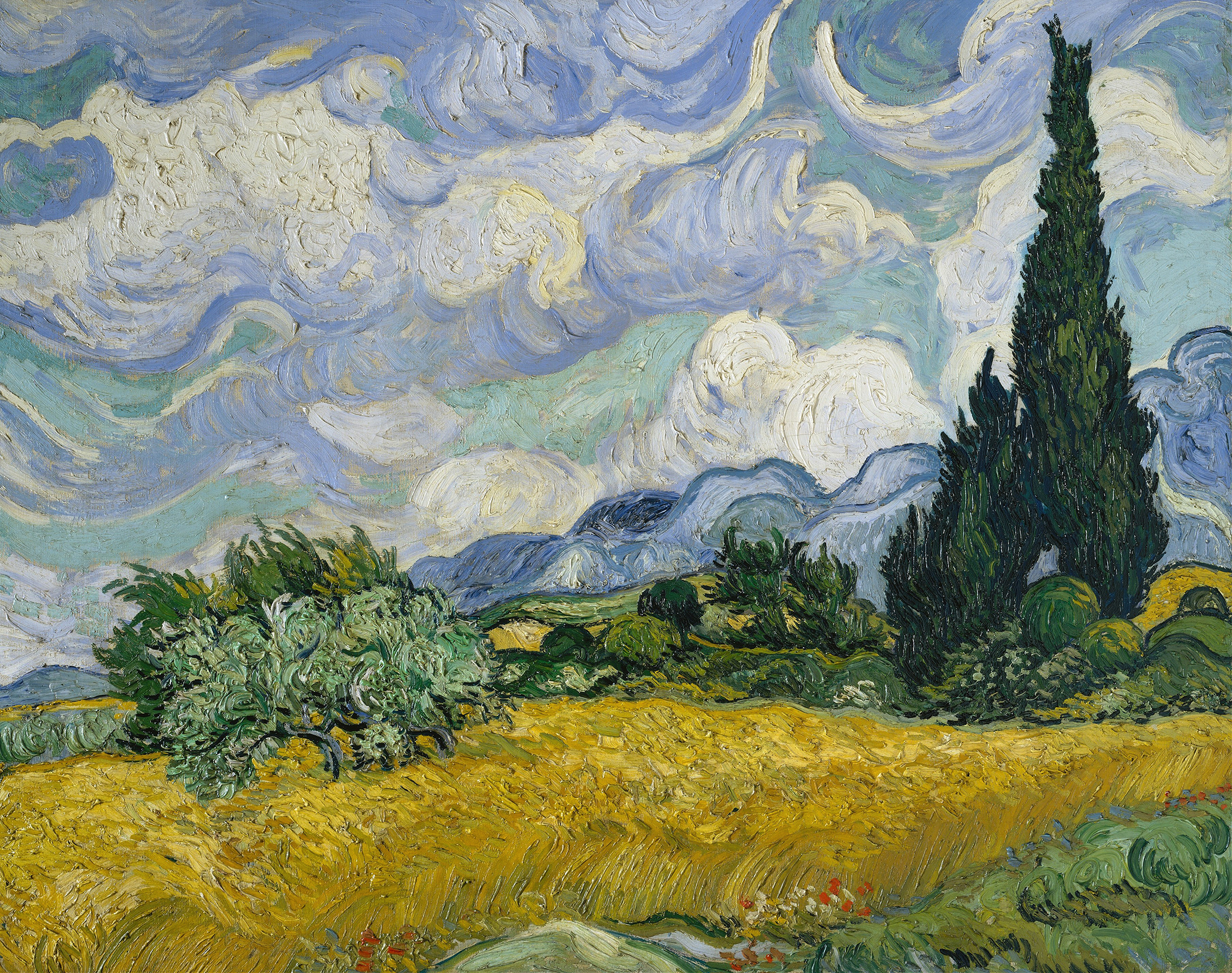
The bold blues and yellows collide in a dance of color, capturing a moment that transcends time. The cypress tree in the foreground stretches upwards, connecting the earthly realm to the vastness above, drawing the eye into the depths of the sky. Delve deeper into the painting’s contrasts: the tranquil village juxtaposed against the chaotic sky. The peaceful houses, with their warm lit windows, suggest a sense of safety, while the tumultuous stars and swirling clouds create an emotional tension, hinting at deeper existential questions.
Shadows play a crucial role here, contrasting the vibrant light; they are both a source of comfort and a reminder of the unknown that lurks beyond the familiar. During the summer of 1889, while residing in the Saint-Paul-de-Mausole asylum in Saint-Rémy-de-Provence, the artist experienced profound instability yet also immense creativity. This piece emerged during a period when he felt isolated but was simultaneously seeking solace in nature and the cosmos. At this time, Van Gogh stood at the forefront of post-impressionist art, eager to express his inner world through innovative techniques and emotional depth.