Wheatfield with Crows — History & Analysis

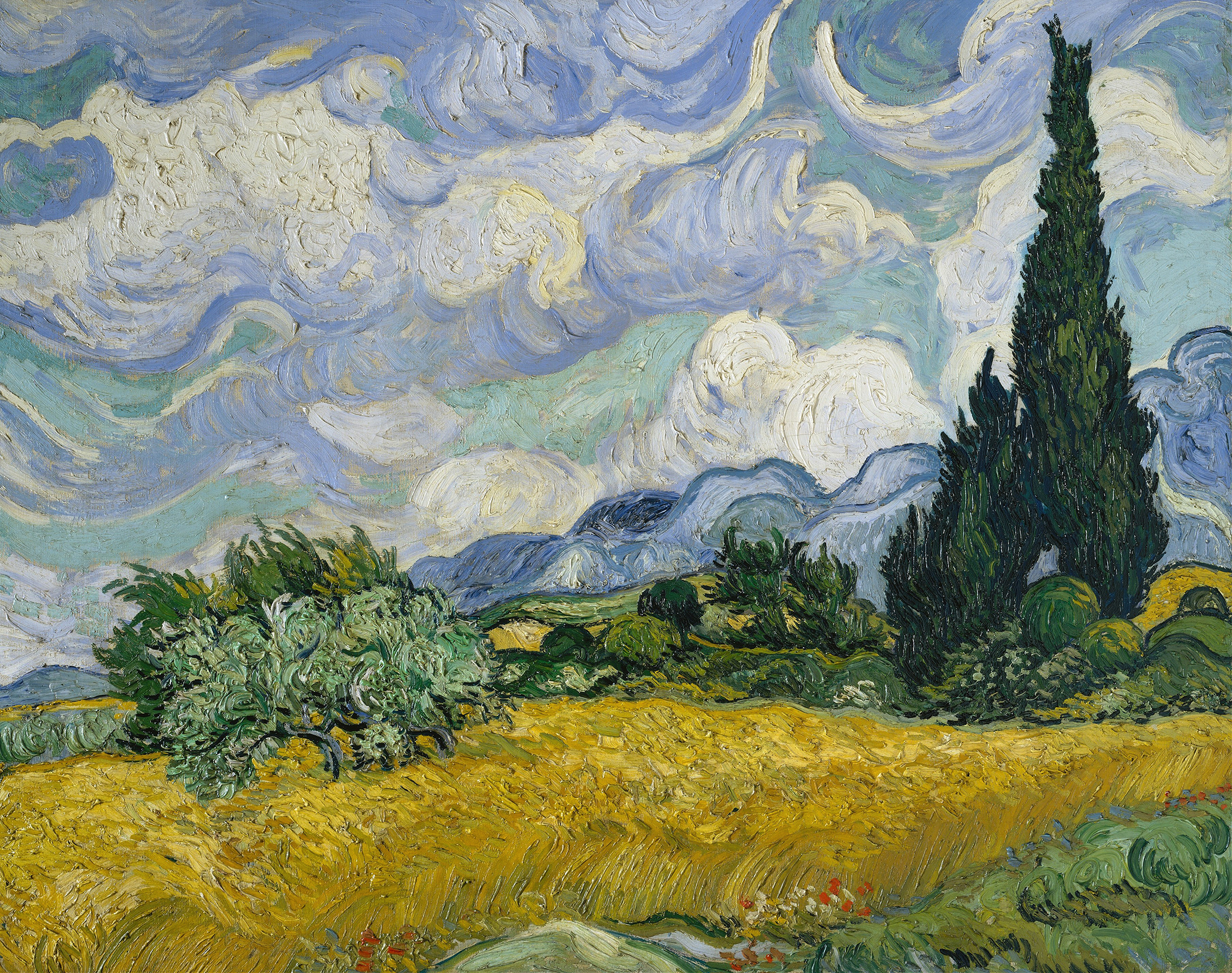
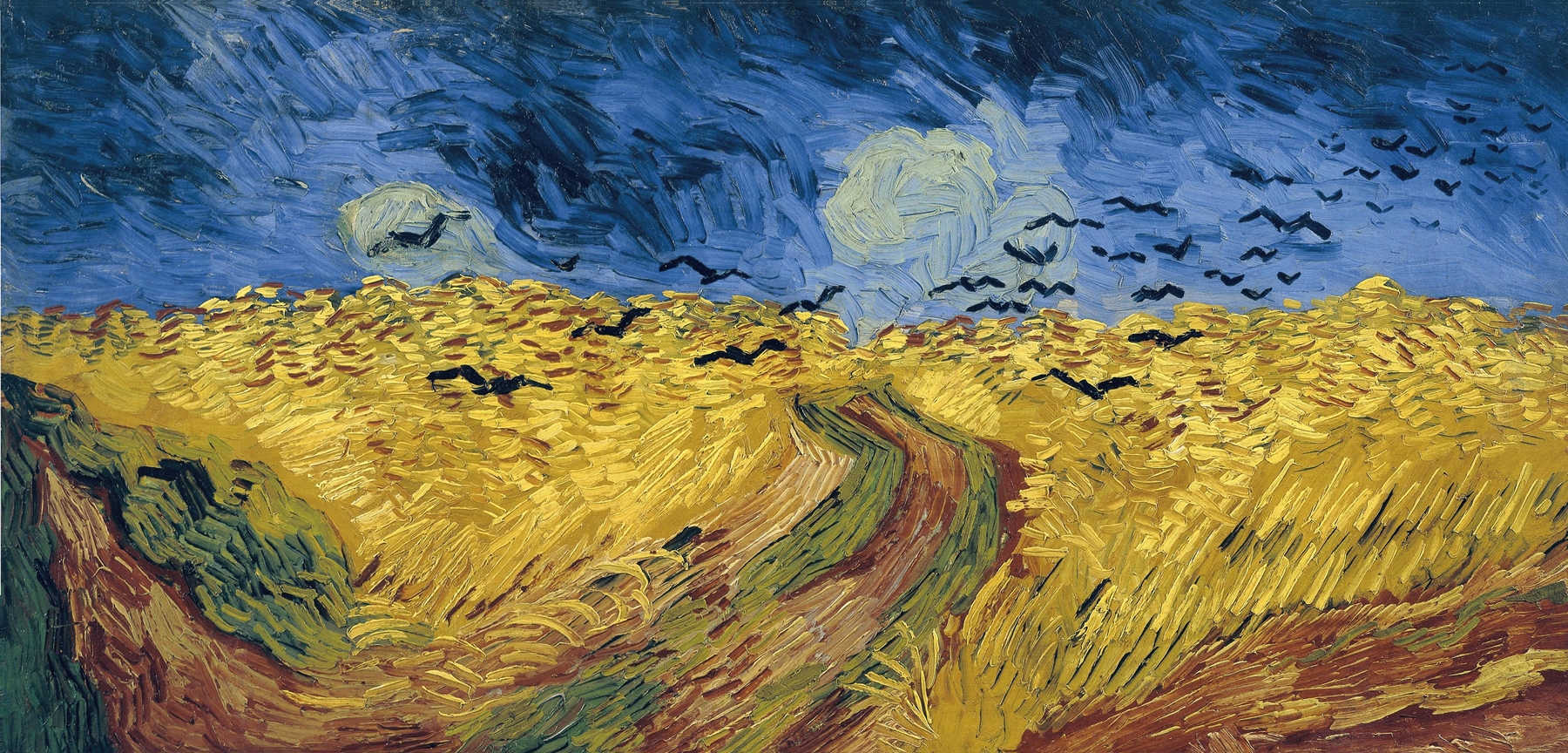
Did the painter know this moment would outlive them? In Wheatfield with Crows, vibrant yellows clash with ominous blacks, creating a dialogue between life and foreboding. The wheat waves and bends under a brooding sky, as if nature holds its breath, inviting reflection on the fragility of existence. Look to the foreground, where golden stalks sway rhythmically in the wind, casting a rich, sunlit glow.
Then, shift your gaze to the turbulent clouds overhead, painted in deep, dramatic blues and blacks that swirl with a sense of urgency. The crows, dark silhouettes against the brightness, seem to pierce the tranquility of the landscape, introducing an unsettling, almost claustrophobic tension. Van Gogh’s vigorous brushstrokes lend a sense of movement, almost as if the landscape itself is alive and breathing. The juxtaposition of vibrant life and the dark foreboding sky speaks to the artist’s turbulent inner world.
Each stroke captures a vivid emotion: the stark contrast between the warmth of the wheat and the coldness of the approaching storm reflects the duality of hope and despair. The crows, symbols of both mystery and foreboding, call to mind themes of mortality, urging the viewer to contemplate the transient nature of beauty and life itself. In the summer of 1890, while living in Auvers-sur-Oise, Van Gogh painted this work during a period of profound personal turmoil and mental instability. It was a time when he felt isolated from the art world and society, yet his artistic voice continued to evolve, pushing boundaries with vivid colors and emotive compositions that would later influence generations of artists.