Figures with Horses by a Stable — History & Analysis
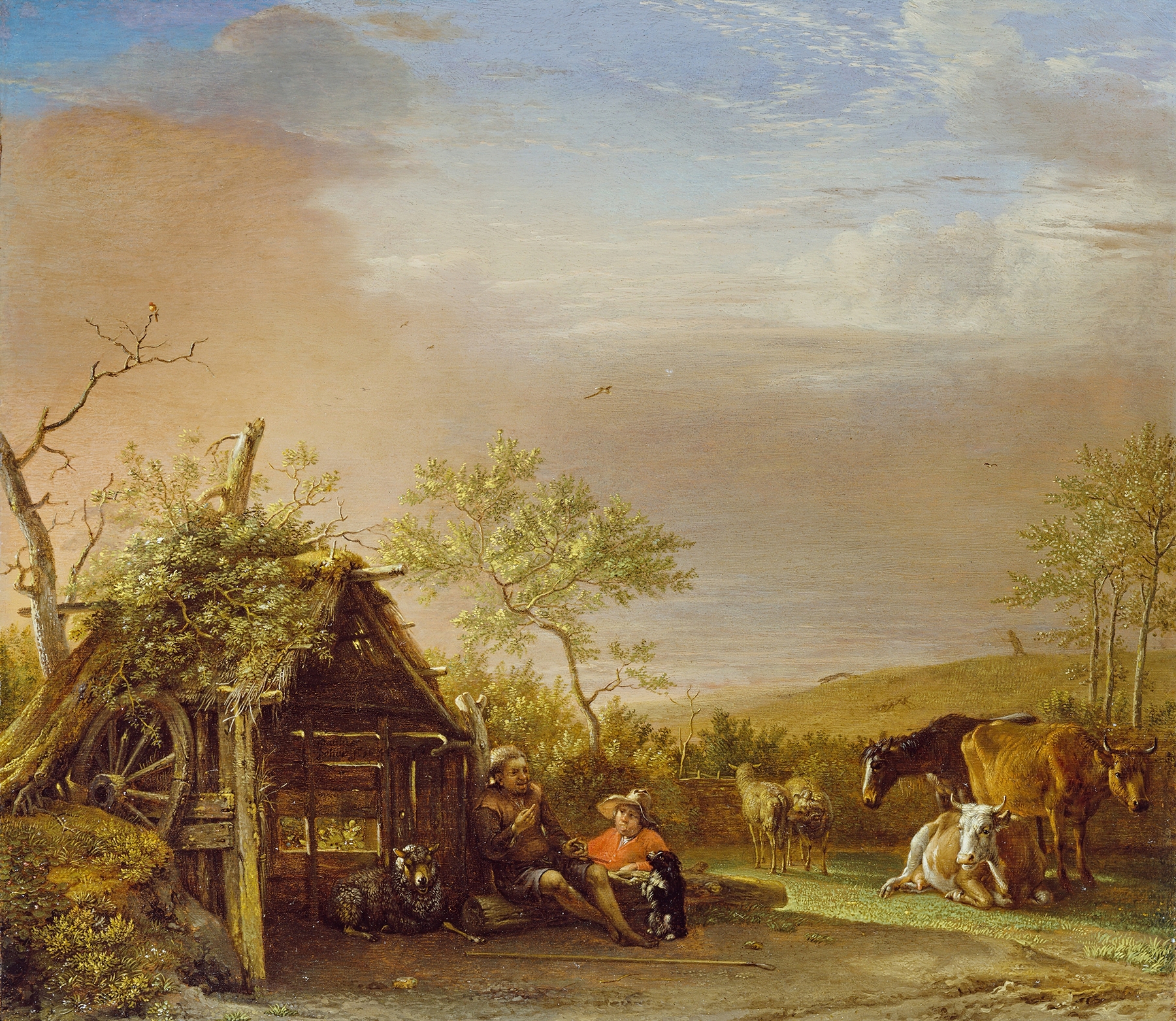
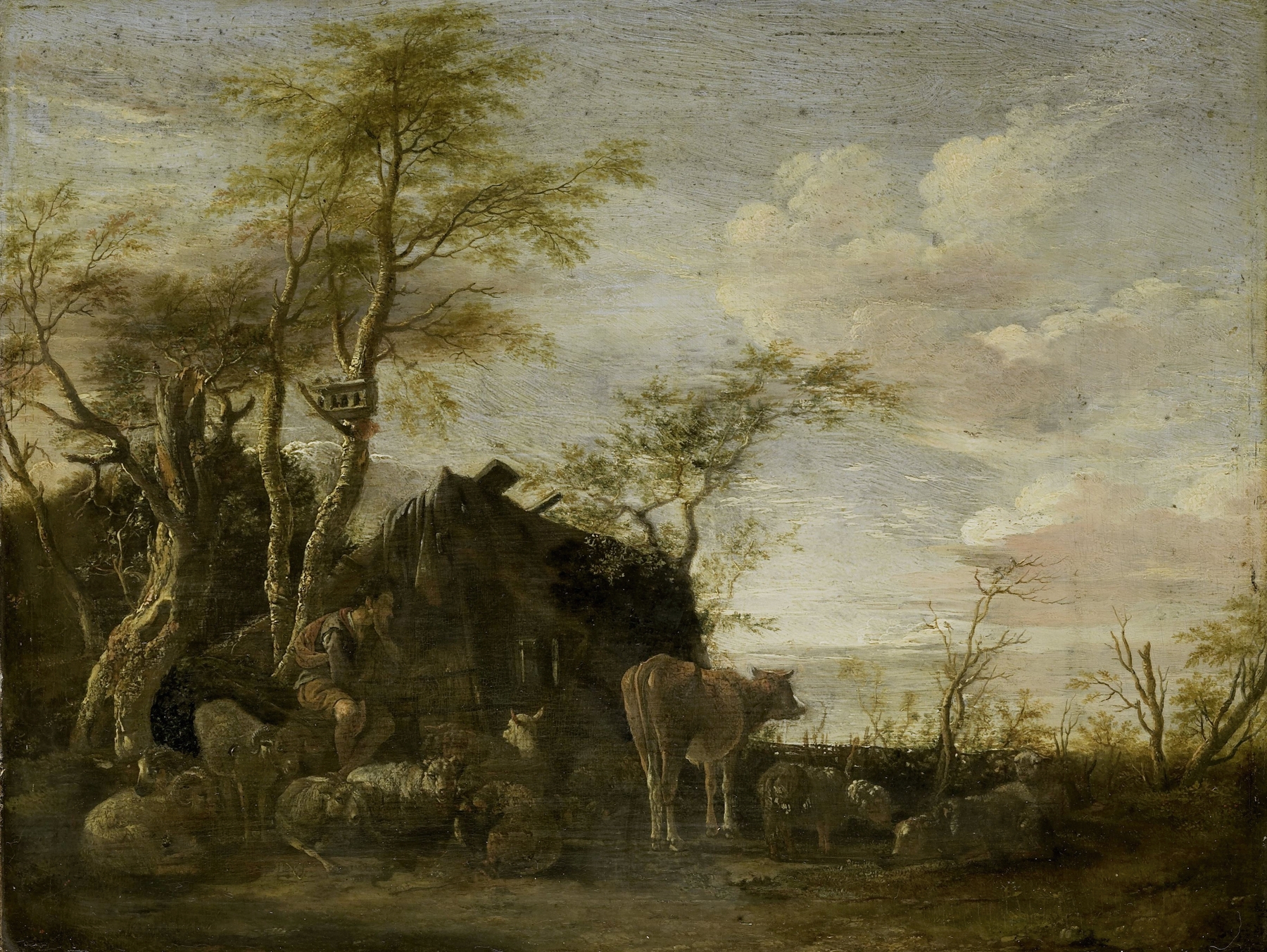
What if silence could speak through light? In Figures with Horses by a Stable, the stillness of the moment resonates with an unspoken sense of loss, enveloping the viewer in the tranquility of the scene. Look to the left at the tender interaction between the figures and the horses, their bodies poised in a delicate balance of movement and stillness. The warm, earthy tones of browns and greens contrast sharply with the ethereal light that filters in, casting soft shadows that suggest the presence of something beyond the immediate frame.
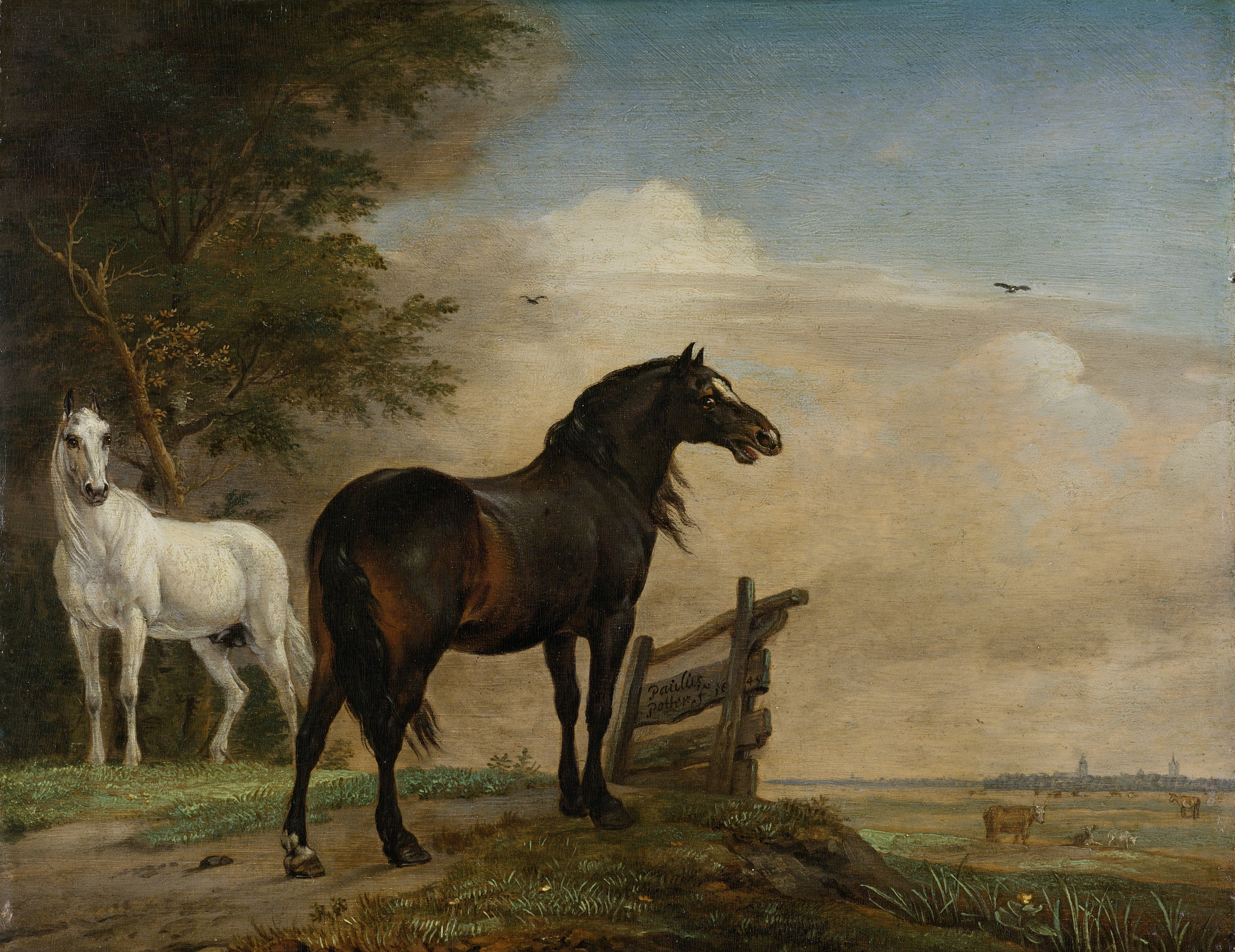
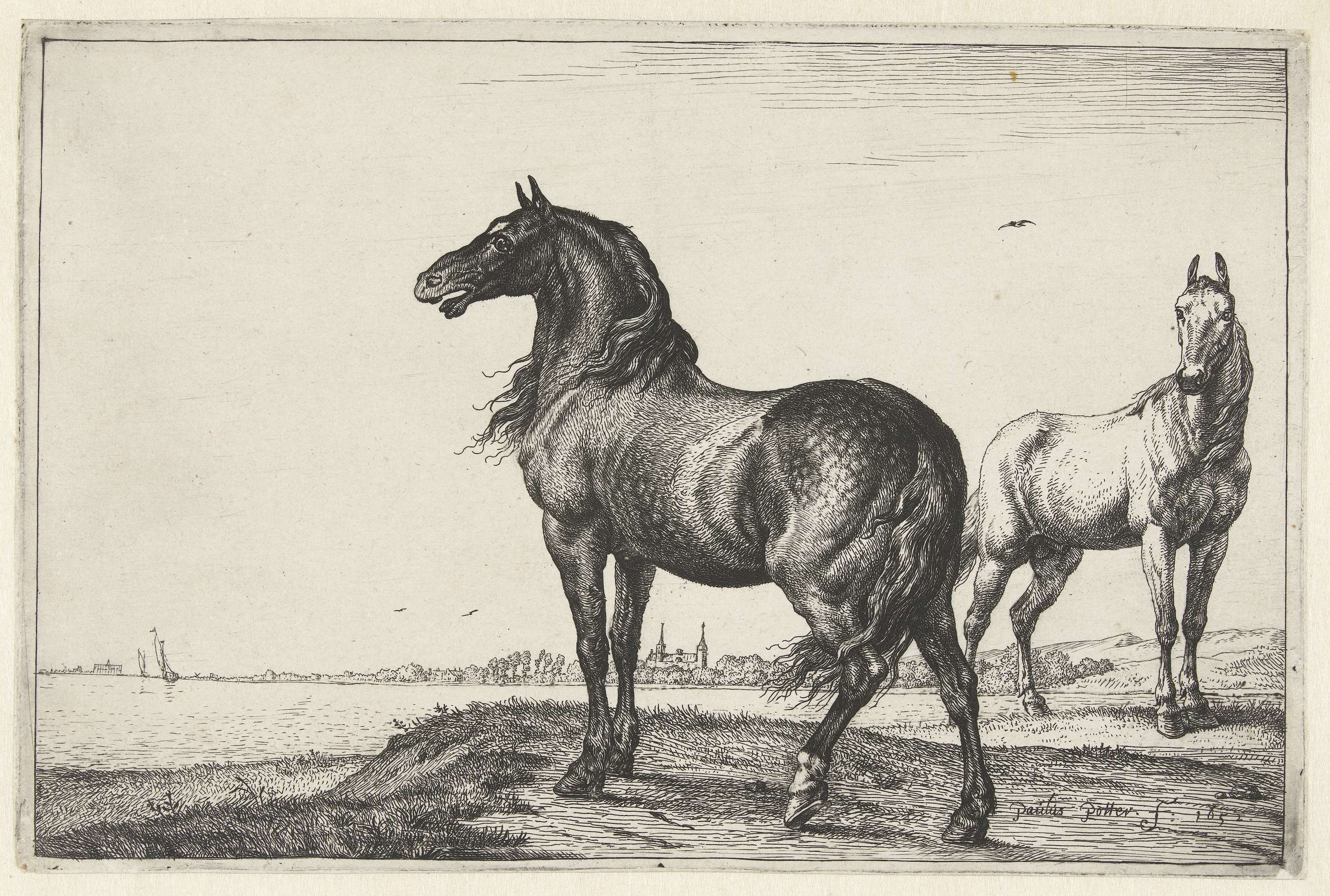
The brushwork is meticulous yet fluid, guiding the eye to the horses' sleek forms, which embody strength and grace, while poised subtly within the peaceful backdrop of the stable. In the interplay of light and shadow, there lies an emotional depth; the figures’ expressions are contemplative, hinting at an intimate relationship with the animals. The tranquil environment juxtaposes the unyielding reality of their lives, casting a quiet tension that evokes a poignant sense of yearning.
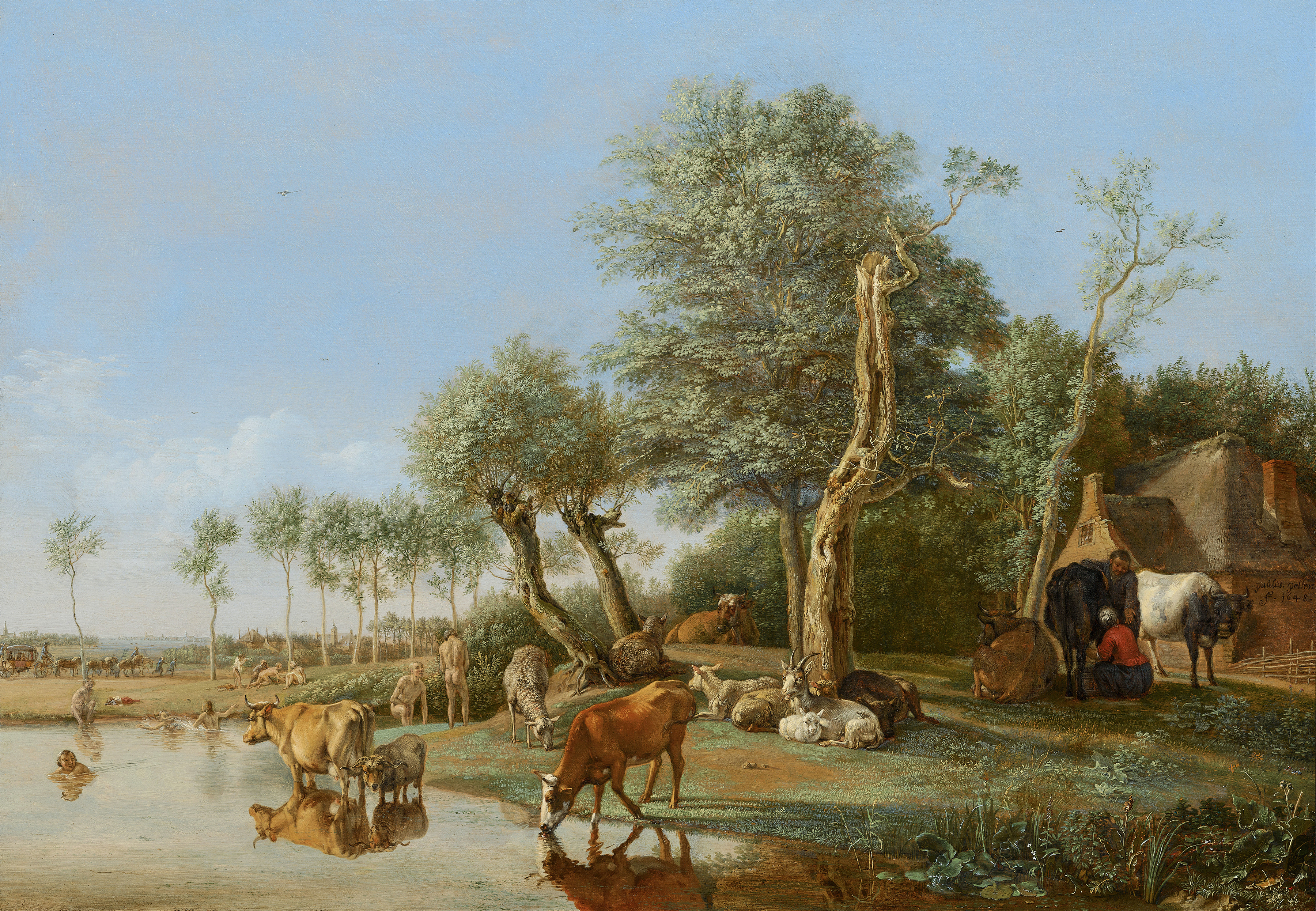
Each detail, from the gentle arch of a horse's neck to the subtle play of light on the stable's wooden beams, is steeped in a profound connection to the cycle of life and loss that is inherent in rural existence. During the late 17th century, when this work was created, the artist was establishing his reputation in the Netherlands amidst a growing fascination with animal subjects and pastoral life. Potter's reflections on the harmony and struggles of rural living were informed by both personal experience and the shifting dynamics of society, as agriculture and livestock were central to the cultural landscape of the time.