Fir forest — History & Analysis
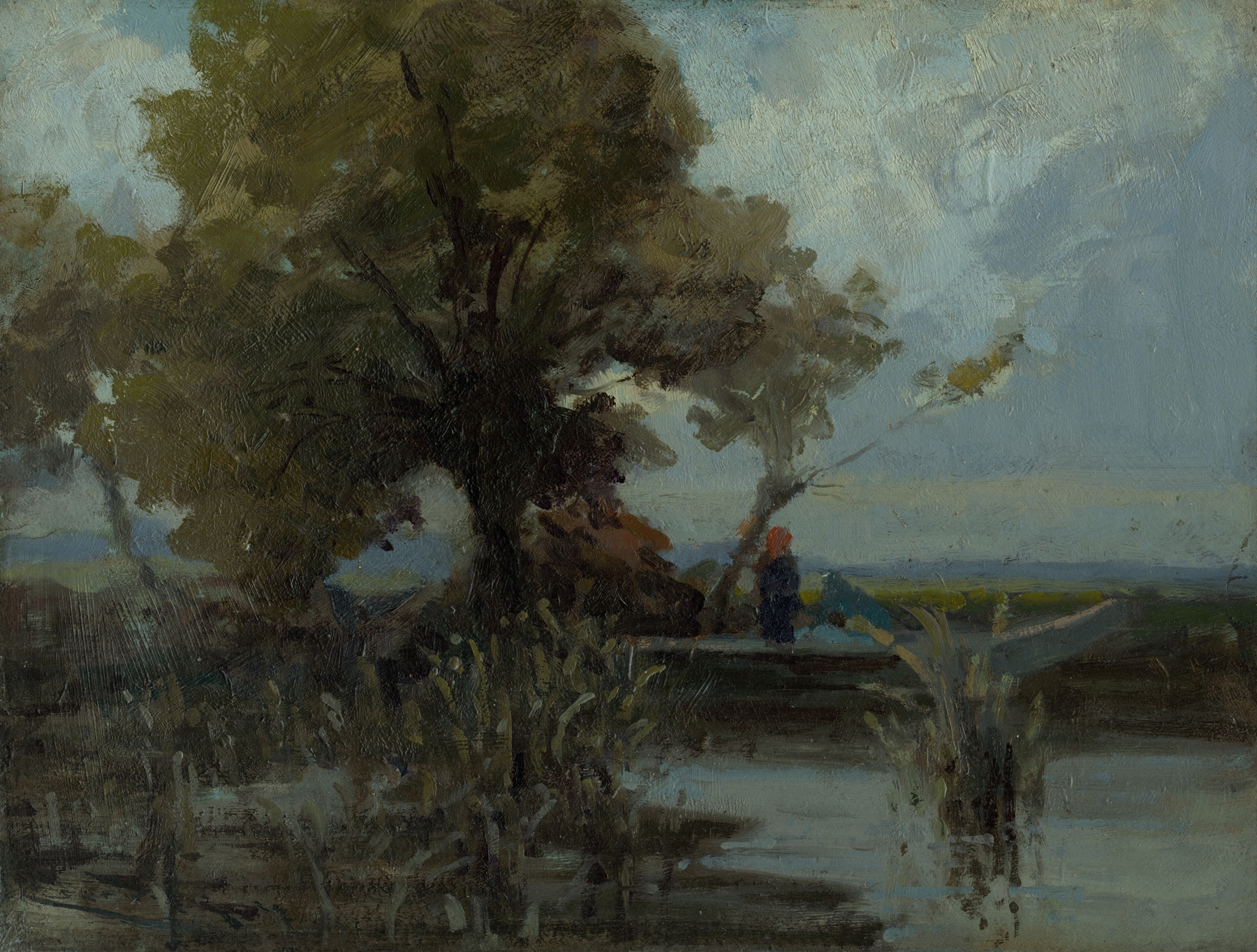
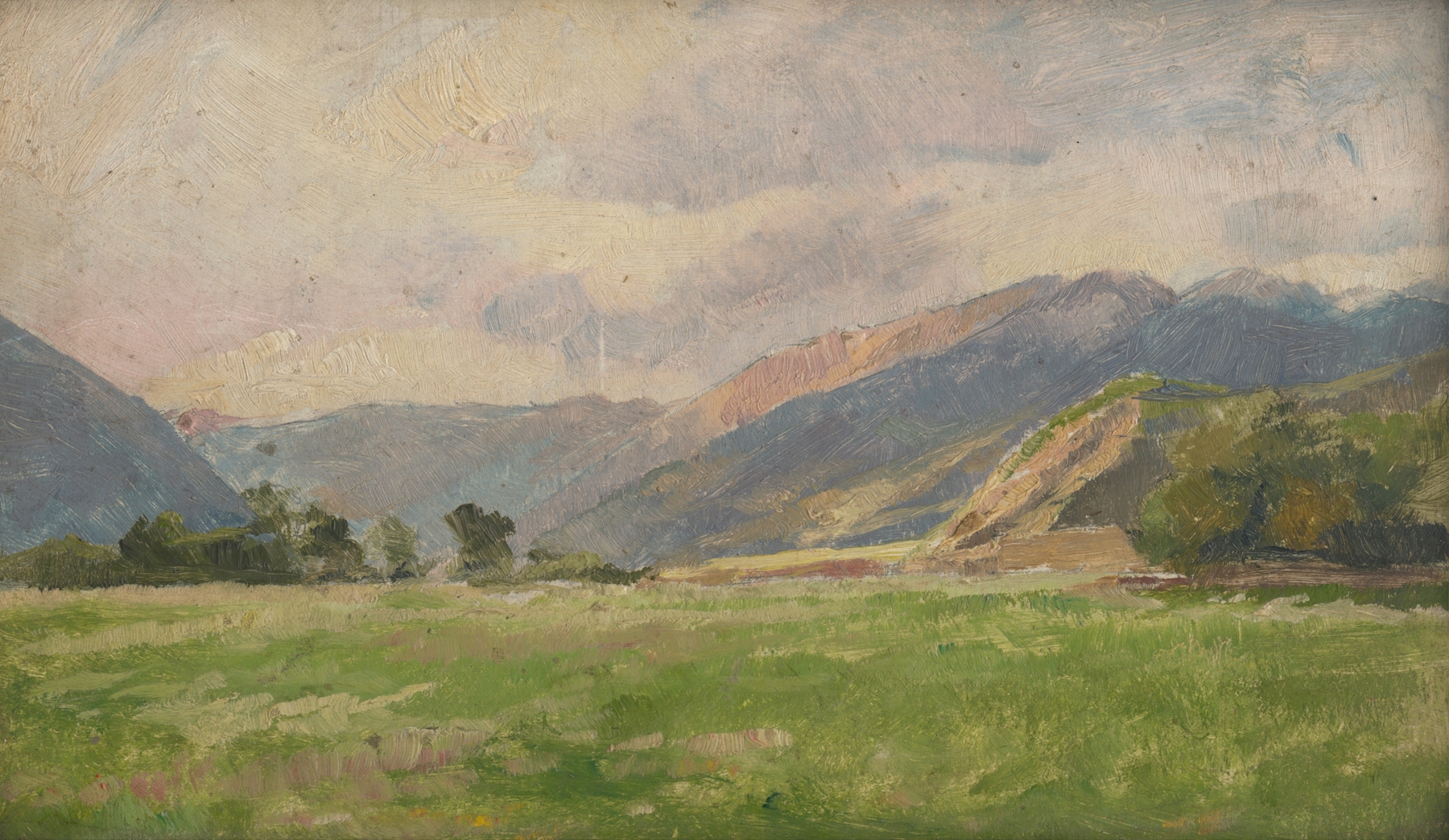
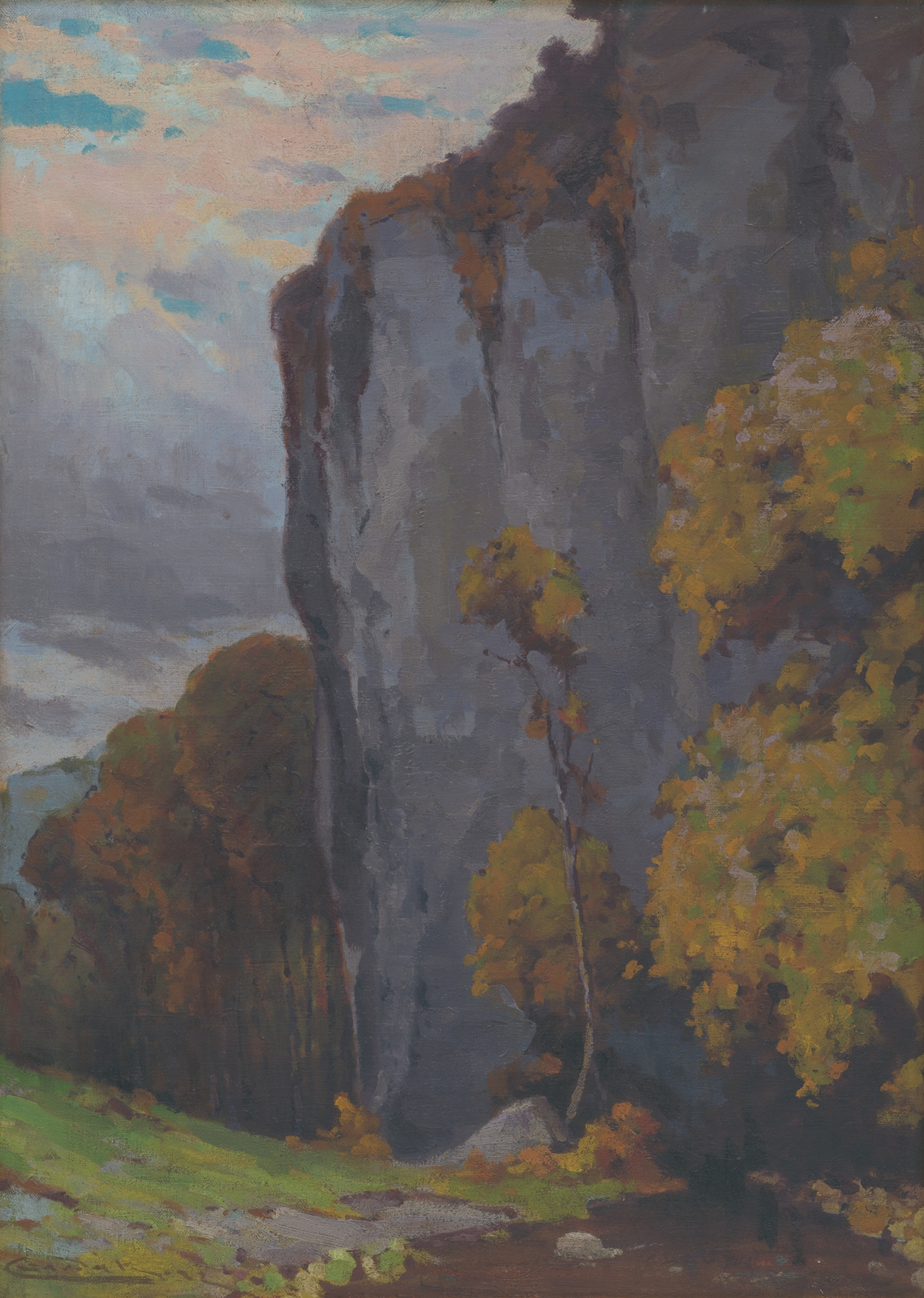
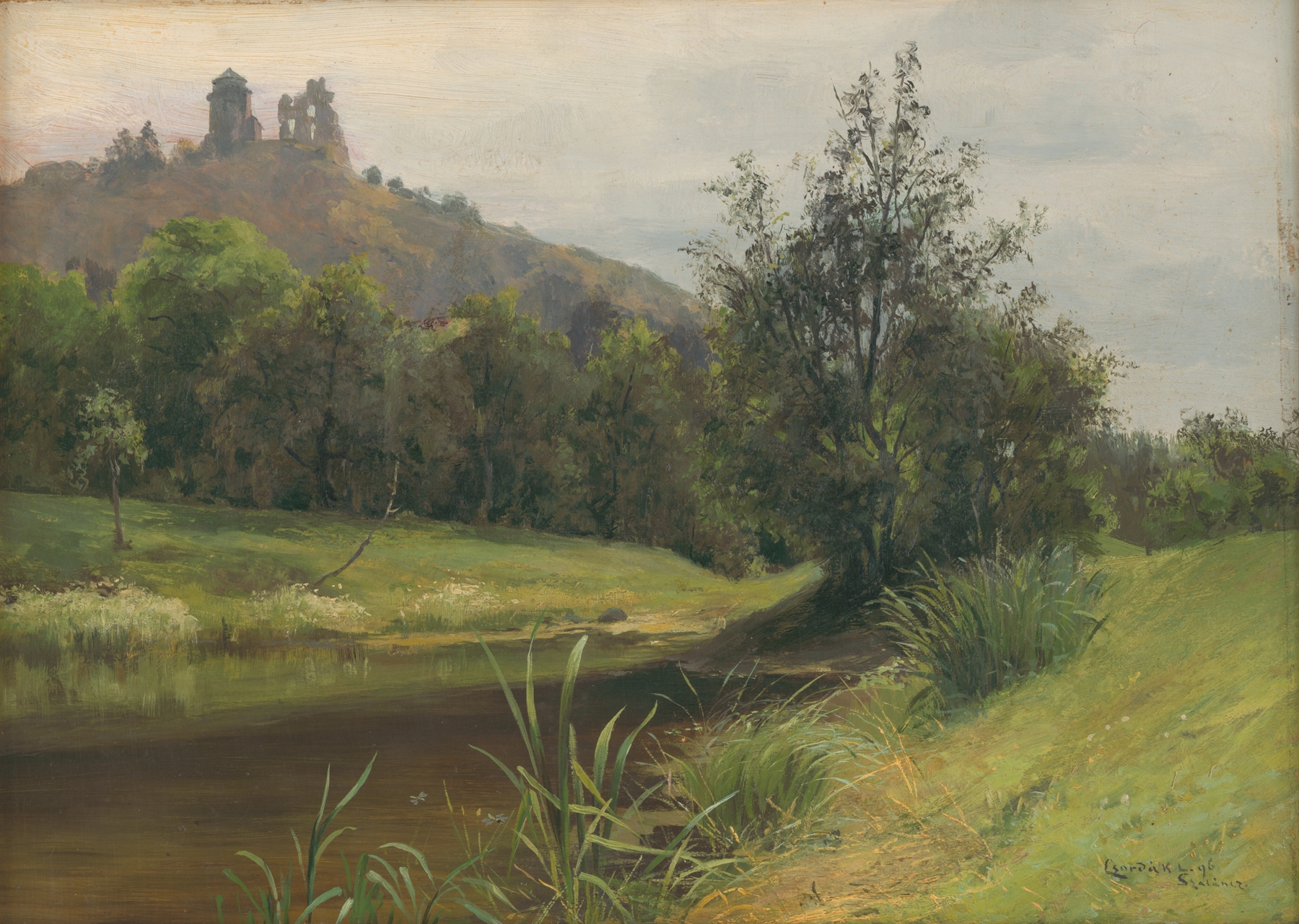
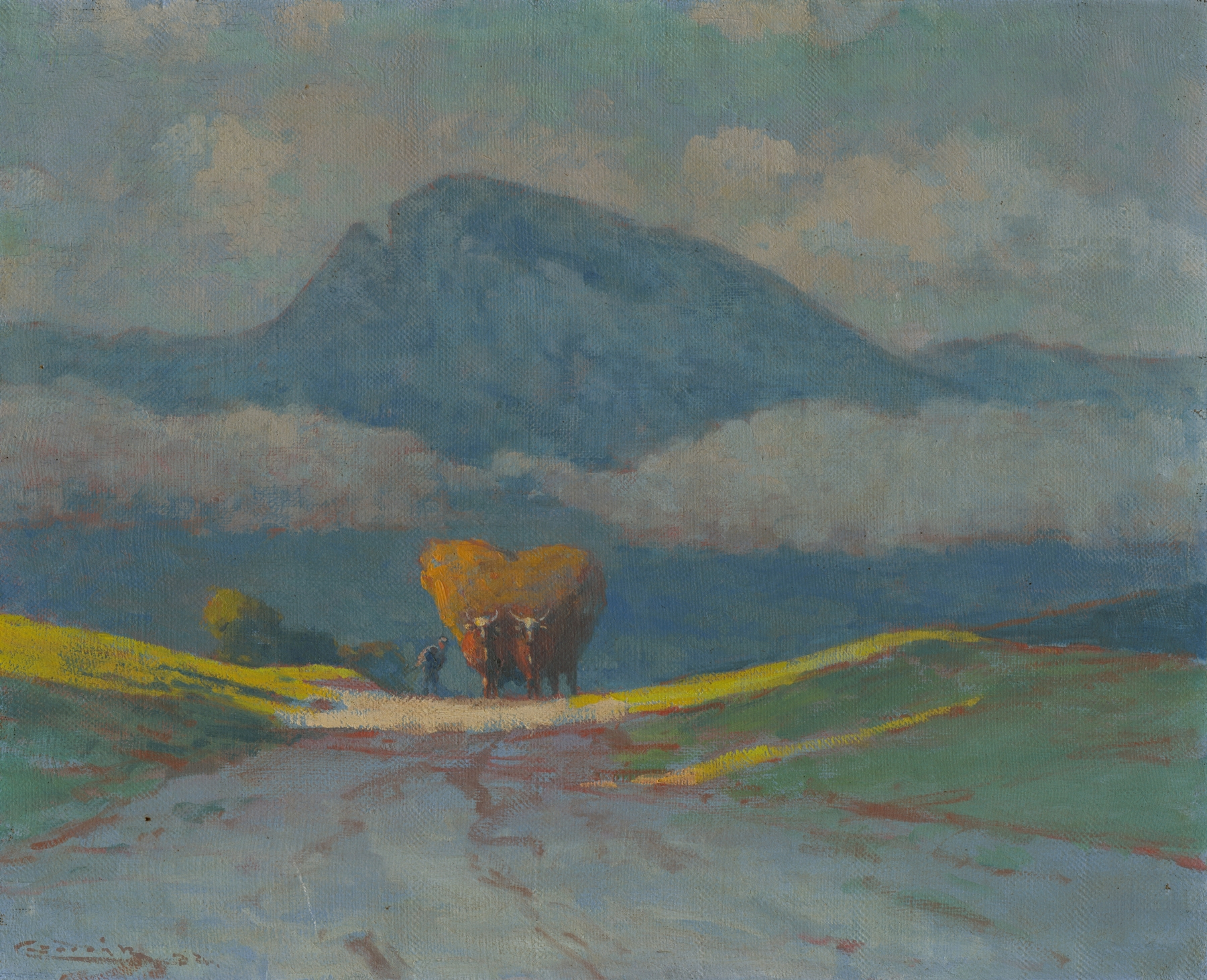
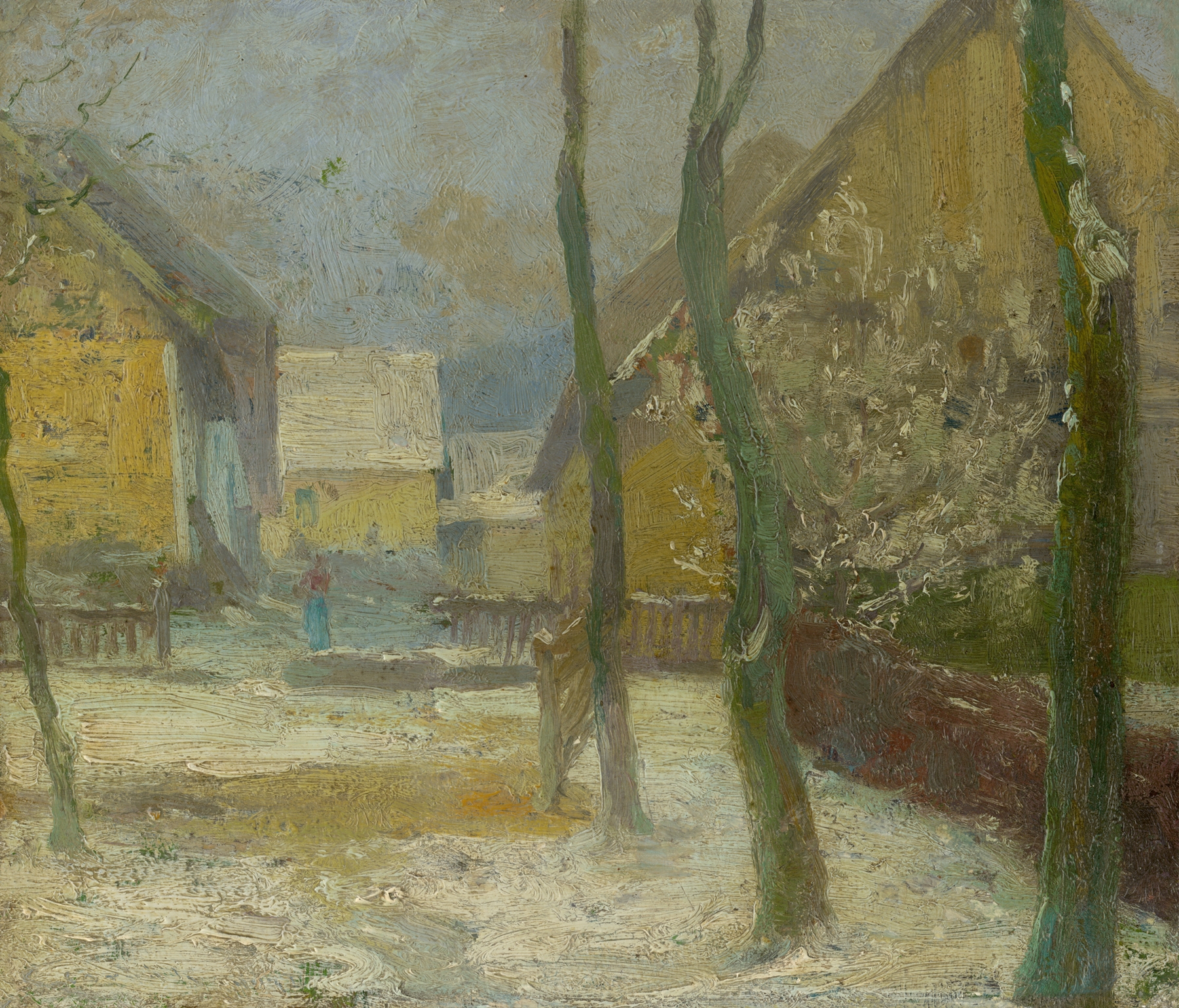
“Every silence here is a confession.” In the stillness of nature, we often find whispers of renewal and rebirth, echoing through the dense embrace of the forest. Focus on the deep greens that blanket the canvas, drawing your eye to the towering firs that seem to reach for the heavens. Notice how the painter's brushstrokes capture both the solidity of the trunks and the delicate play of light filtering through the foliage, creating a dance of shadows on the forest floor. The composition, with its vertical lines and layered greens, evokes a sense of height and depth, inviting you to wander deeper into this tranquil sanctuary.
Exploring the contrasts within the painting, one can sense the vibrant life resonating among the muted tones. The firs stand as sentinels of time, embodying resilience and stability against the backdrop of life’s fleeting moments. Within this stillness, you might discern an emotional tension between permanence and transience, as if each tree holds the stories of generations past while simultaneously beckoning the future.
In 1923, during a time of great change in Europe, the artist found himself in a moment of introspection, creating this work amidst the backdrop of a world recovering from turmoil. Operating within the evolving realms of modernism, Čordák sought to capture the purity of nature's spirit, reflecting a desire for rejuvenation that many yearned for in society. This painting stands not only as a testament to the beauty of the natural world but also as a symbol of hope and rebirth in a fractured era.