Sunset on the Normandy Coast — History & Analysis
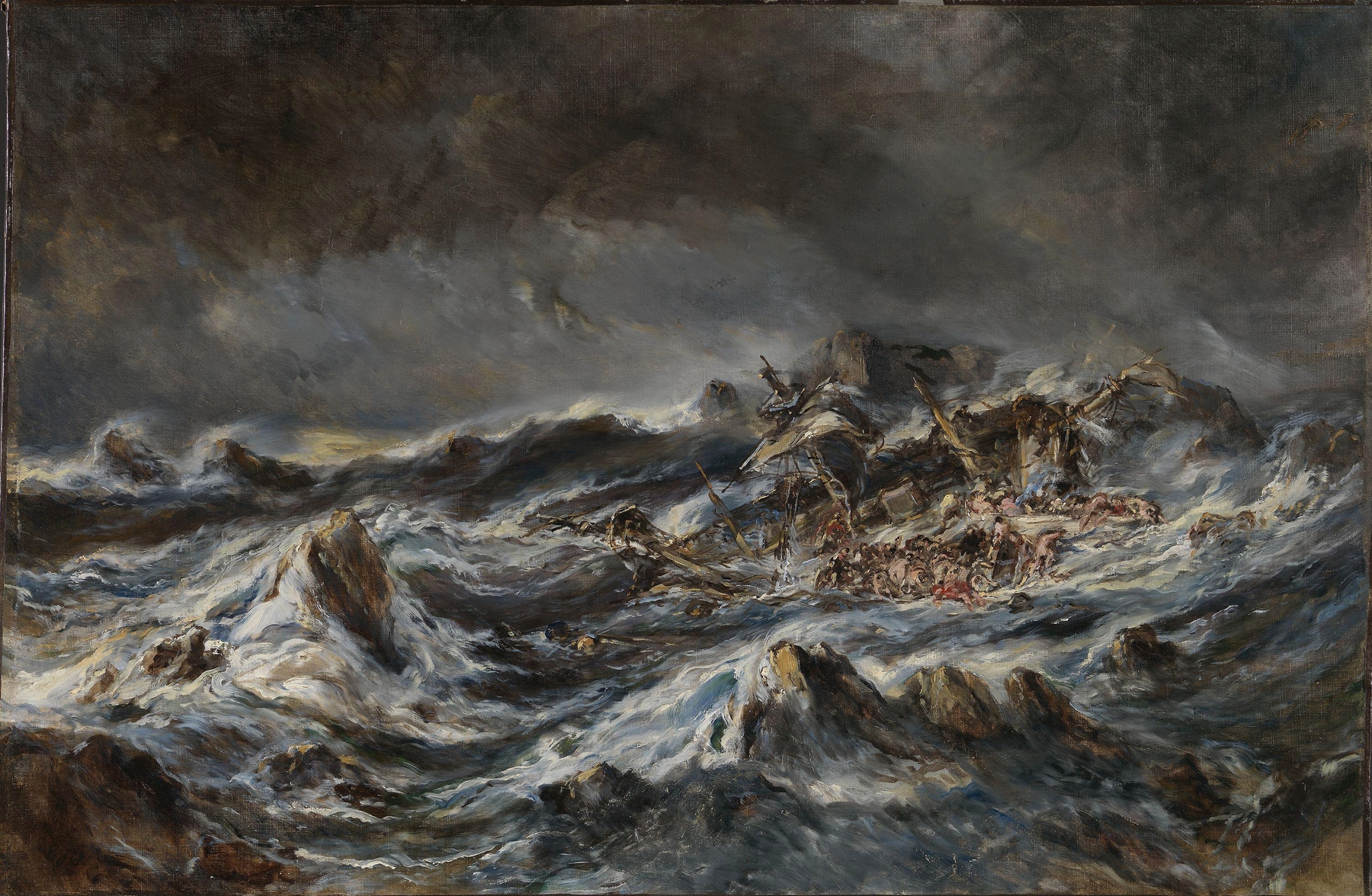
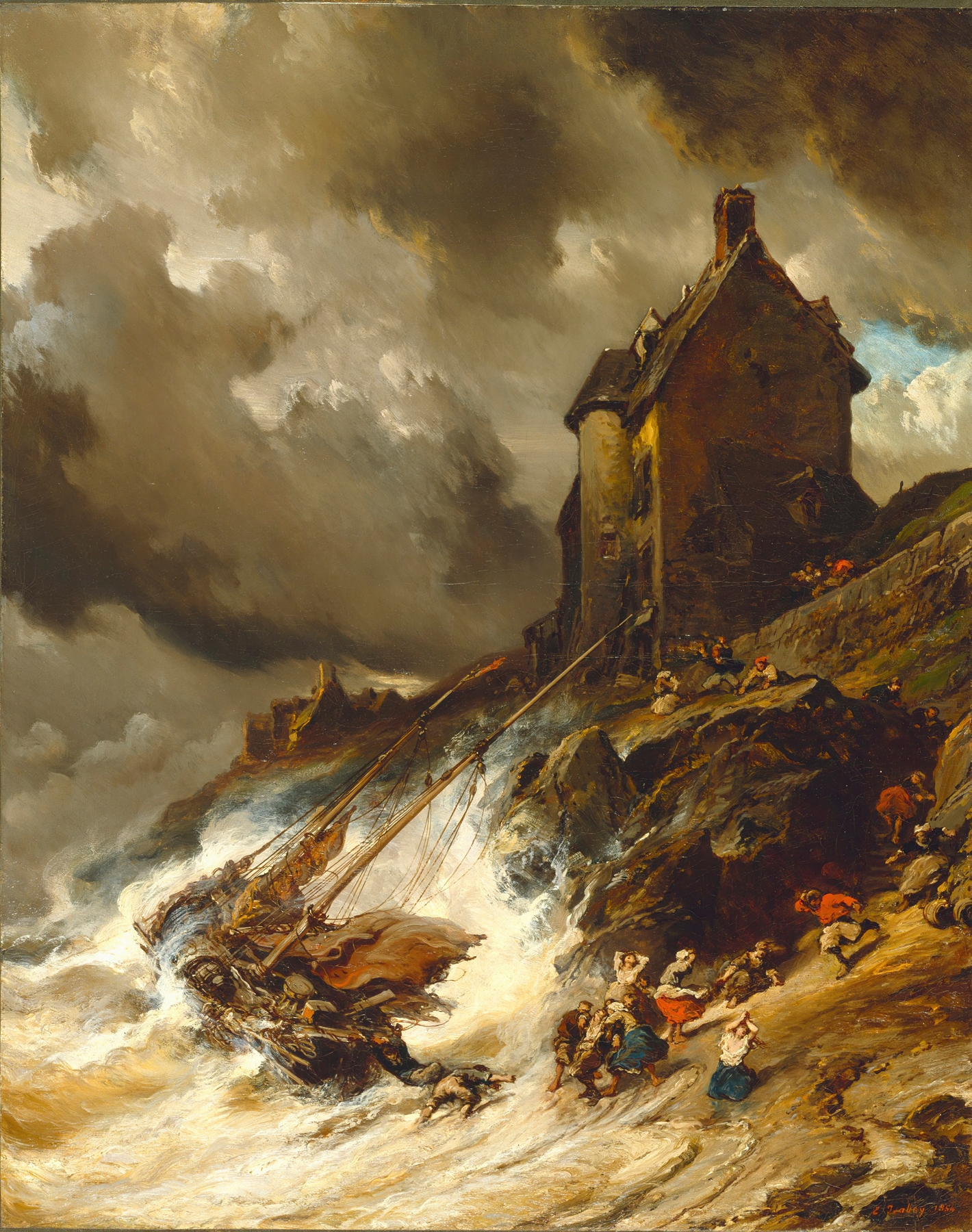
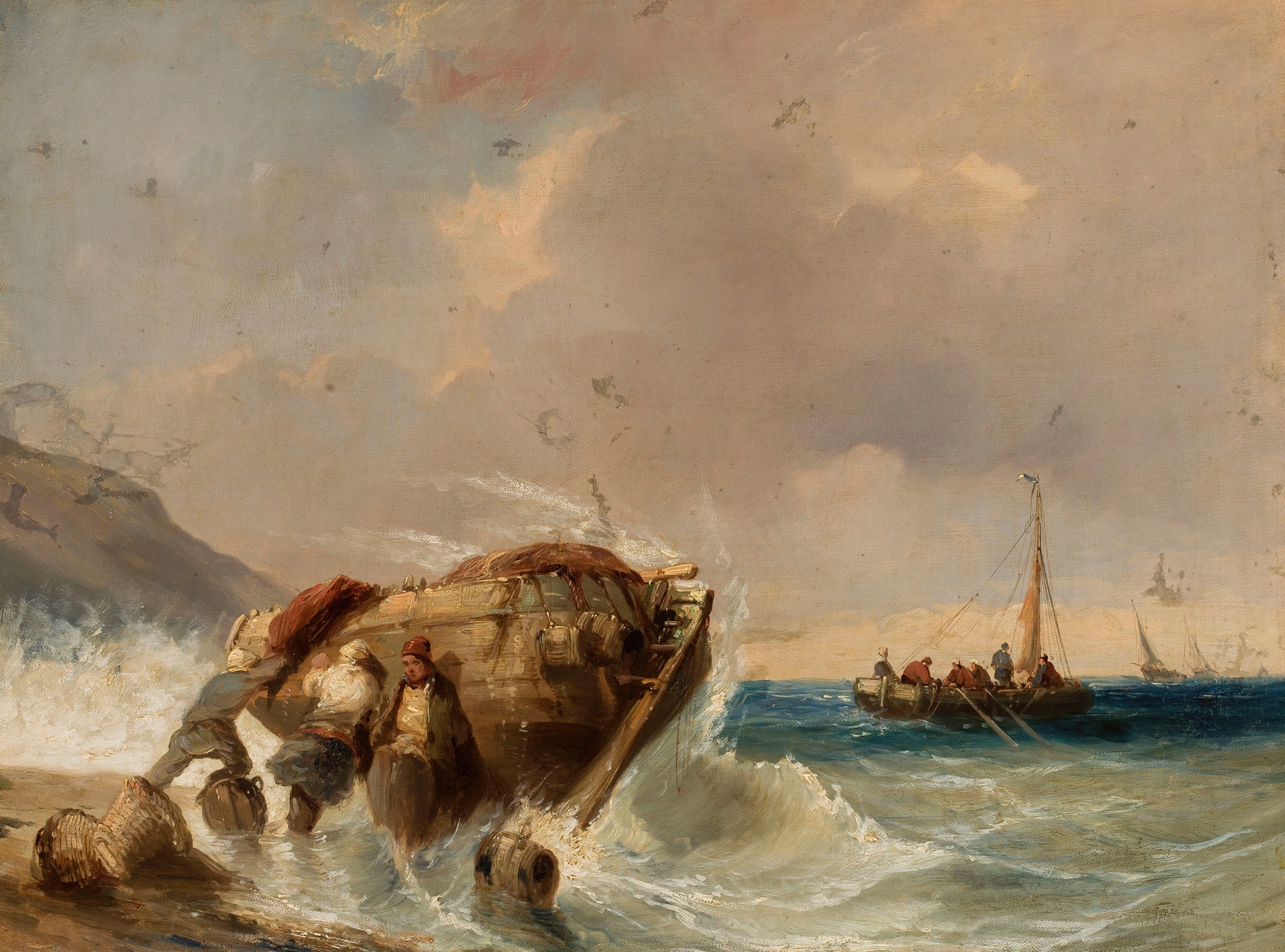
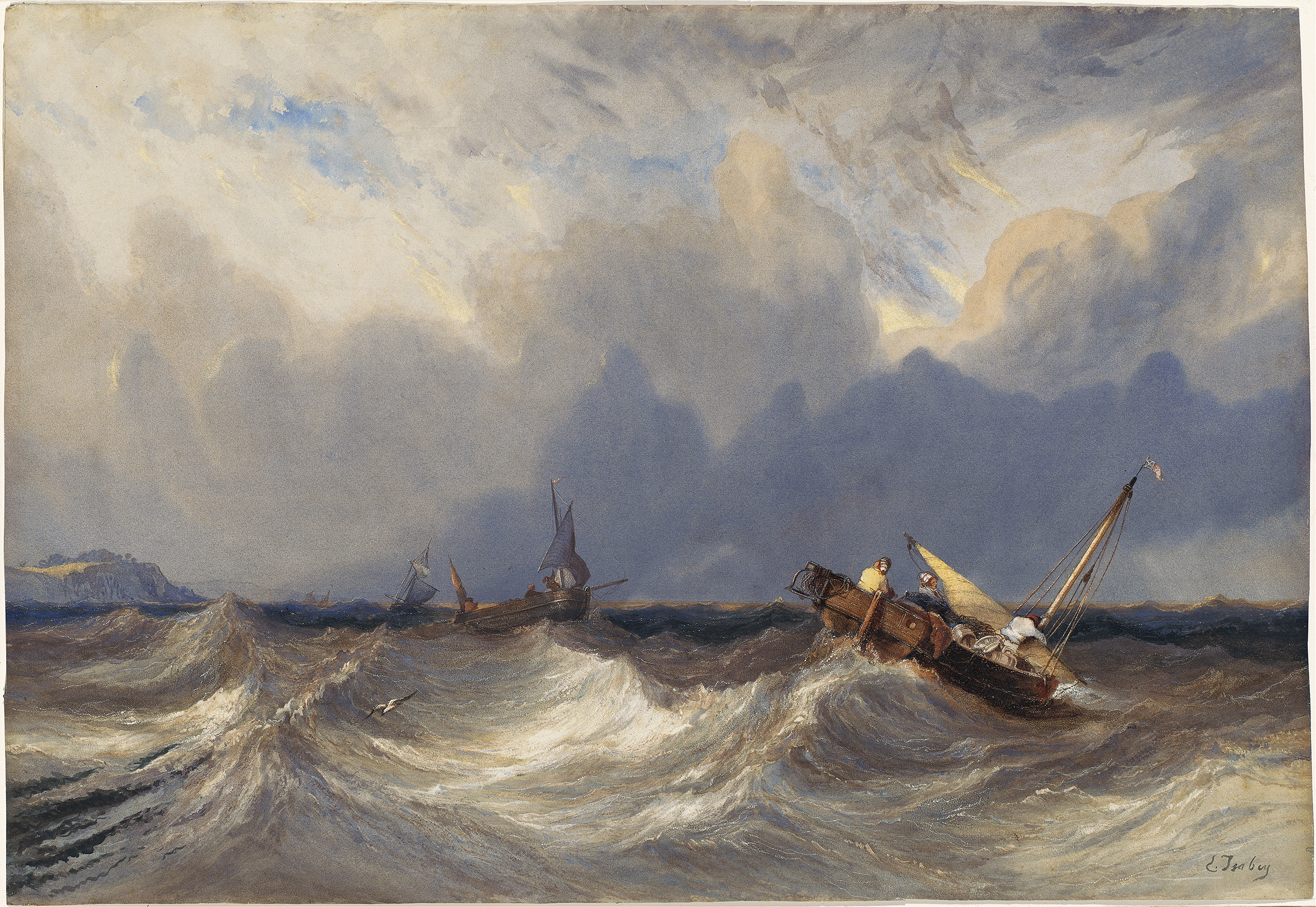
“Between color and silence, truth hides.” In that delicate balance, one finds the ecstasy of existence, a moment suspended in time. Look to the left at the horizon where the sun dips below the waves, casting a warm golden glow across the tumultuous sea. Notice how the soft blues and purples of the sky blend seamlessly into the vibrant oranges and yellows, creating a palette that dances with life. The brushstrokes vary from gentle caresses to bold, energetic sweeps, drawing you into the rhythmic pulse of the ocean’s waves.
Each stroke seems to echo the sound of water crashing against the shore, an auditory sensation captured visually. Yet, the painting holds deeper tensions beneath its beauty. The interplay of light and shadow encapsulates a fleeting moment of serenity amidst nature's chaos, suggesting a juxtaposition between tranquility and the indefinable power of the sea. The textured clouds carry whispers of an impending storm, symbolizing both beauty and destruction.
The reflected colors on the water surface hint at a world alive with possibility, yet also evoke a sense of longing, reminding viewers that such moments are as ephemeral as the setting sun. Eugène Isabey painted this scene in the early to mid-19th century, a time when Romanticism flourished, emphasizing emotion and individual experience. He was deeply embedded in the artistic currents of France, influenced by the natural beauty around him and the burgeoning interest in landscape painting. His exploration of light and color during this period marked a significant shift towards capturing the sublime, bridging reality and imagination in his work.