Forest — History & Analysis
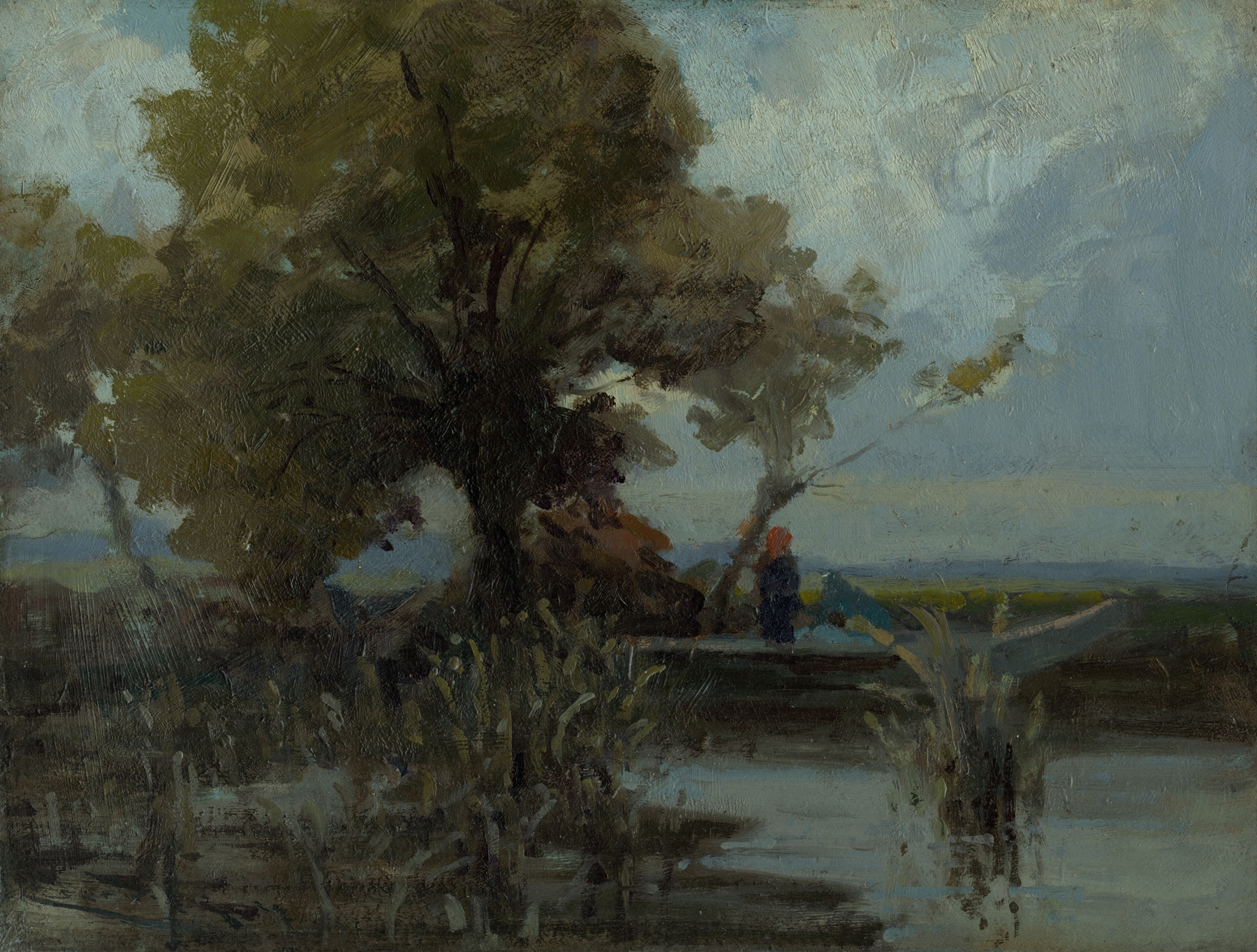
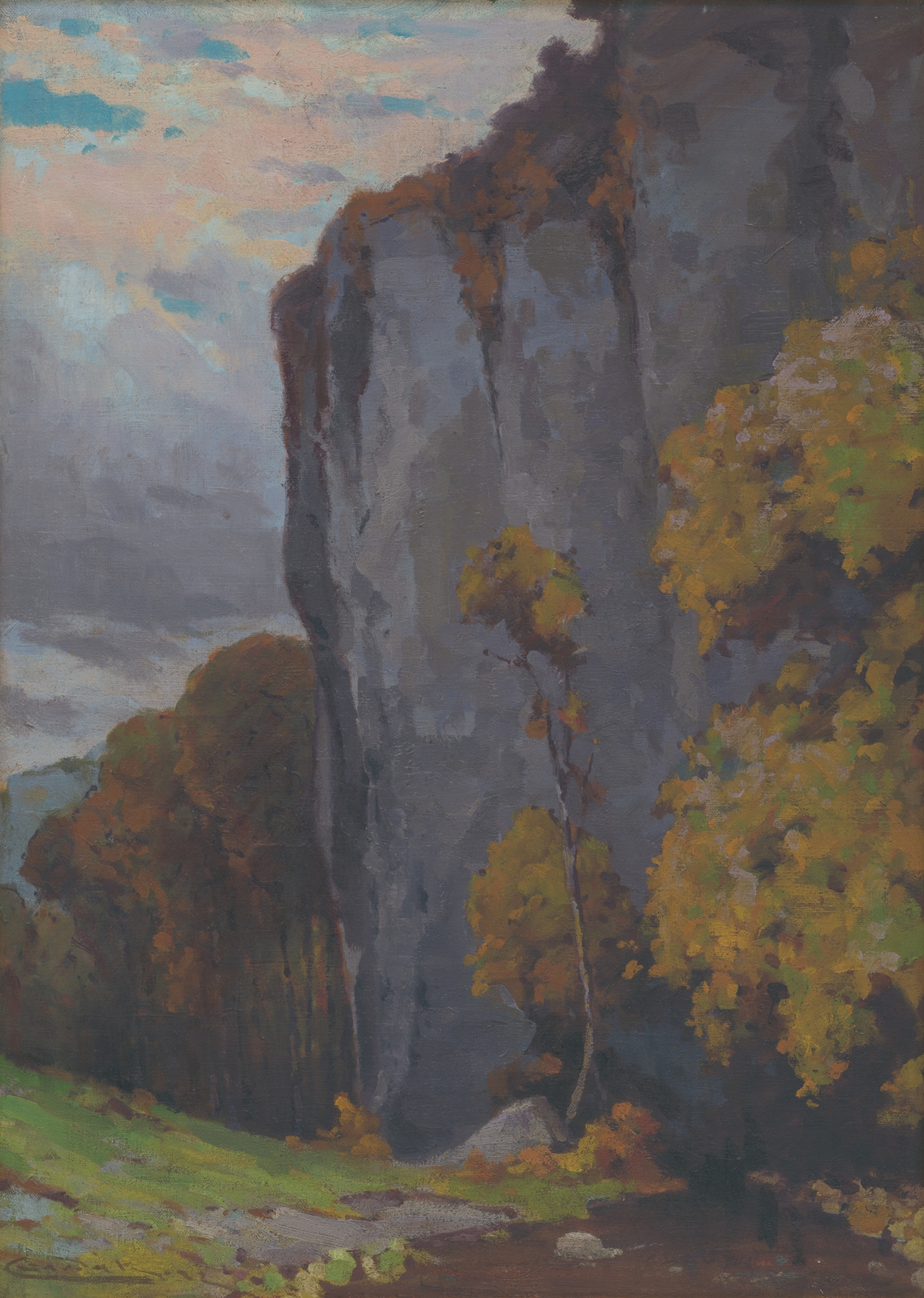
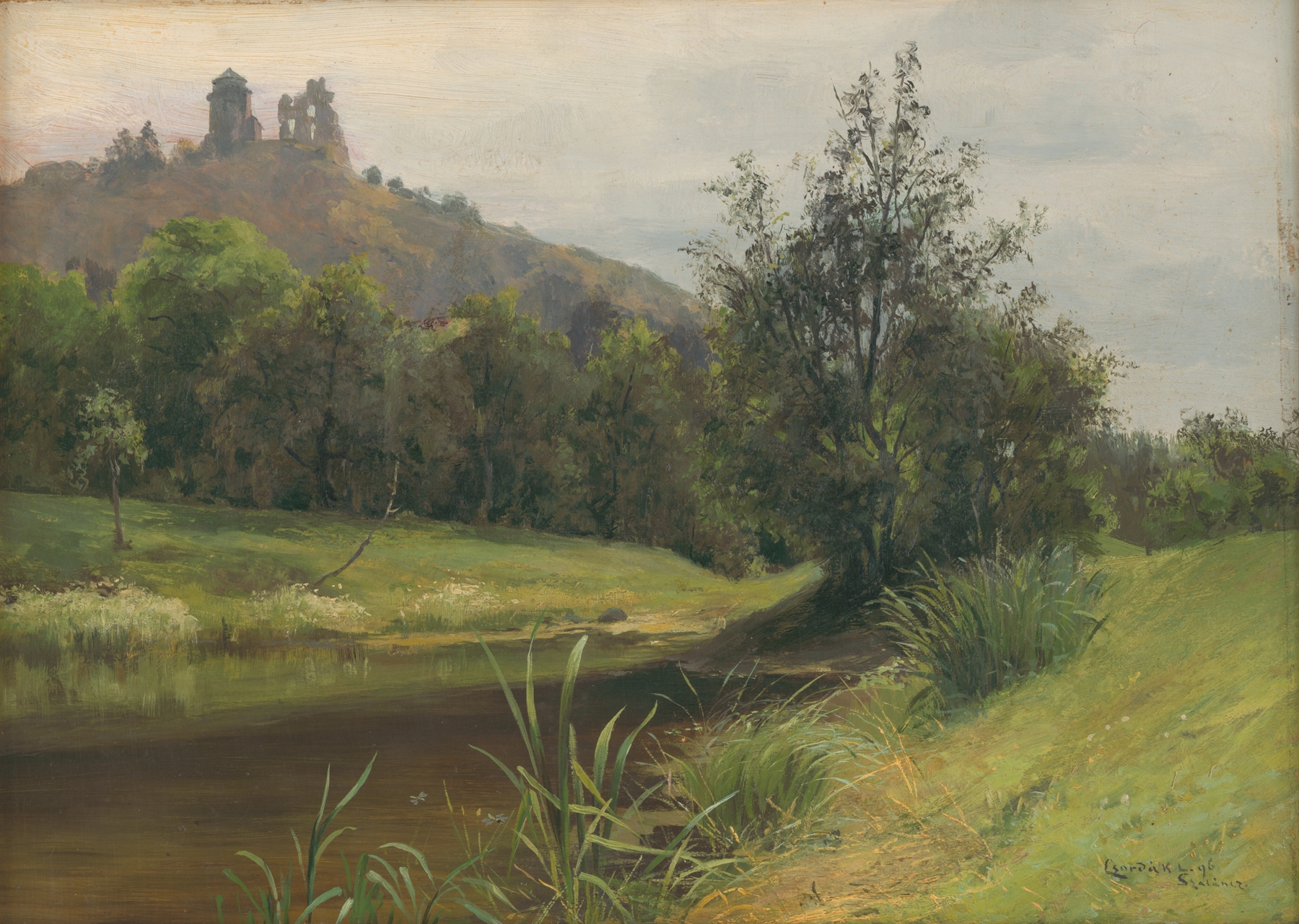
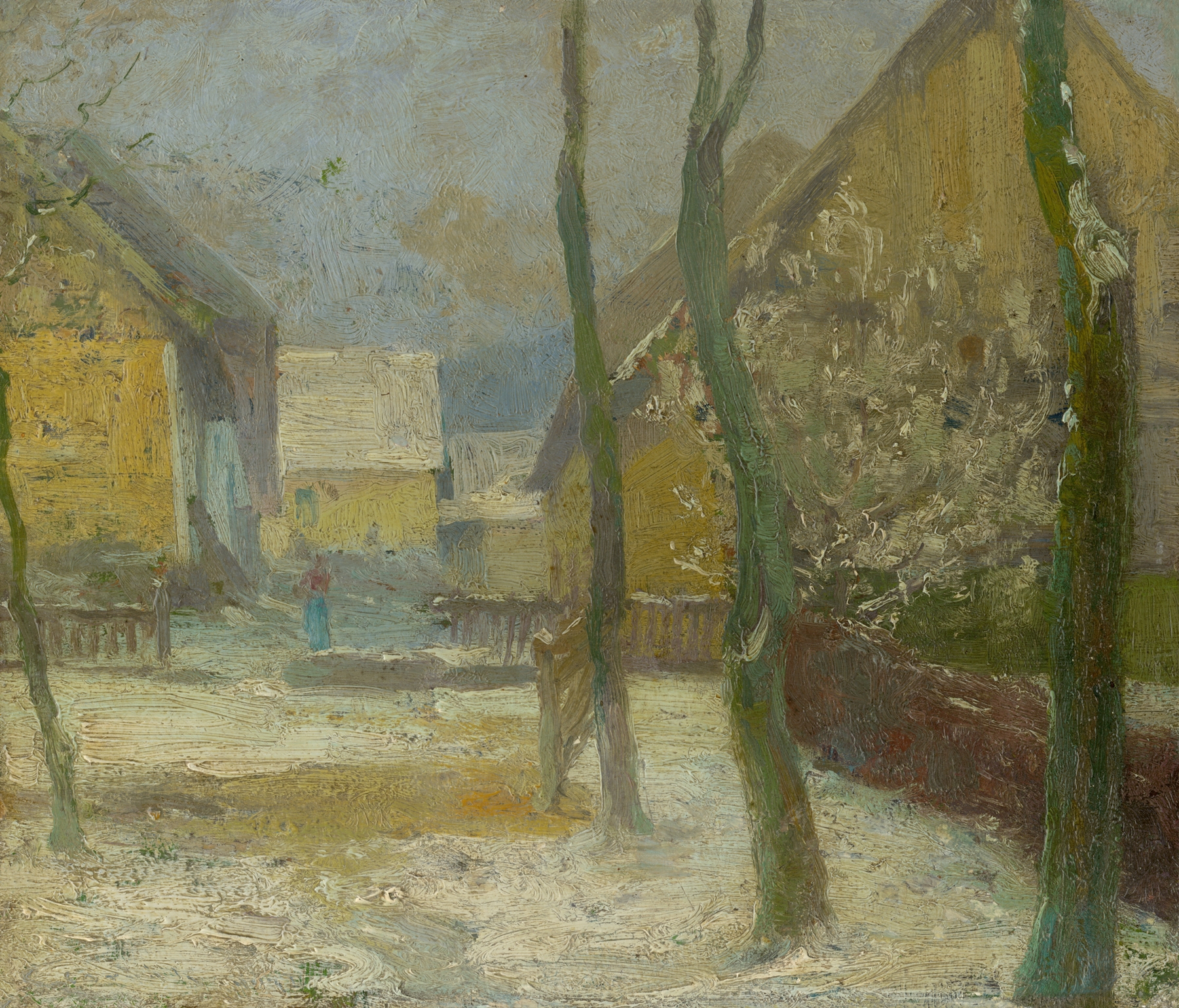
Can paint confess what words never could? In the stillness of a forest, where shadows entwine with light, an unspoken emptiness lingers, echoing the solitude felt in heart and mind. Look to the top-left corner, where dappled light filters through the canopy, casting gentle patterns on the forest floor. Notice the deep greens and browns that dominate the canvas, evoking a sense of both comfort and confinement.
The trees, painted with a meticulous hand, stand tall and silent, their trunks conveying strength yet hinting at a profound isolation. The brushwork is rich, almost tactile, inviting viewers to step into the untouched realm of nature while simultaneously reminding them of the distance that separates human experience from its wild counterpart. As you explore the lower sections, the interplay of light and shadow reveals nuances of mood, suggesting an emotional tension between tranquility and unease. The voids between the trees not only create depth but symbolize the spaces within ourselves that often feel just as vast and empty.
This duality resonates, urging contemplation on the relationship between solitude and the surrounding beauty; it raises questions about what it means to be present yet profoundly alone. During the years 1907 to 1910, the artist painted this work while immersed in the Art Nouveau movement, a time marked by a search for beauty in nature and a rejection of industrialization's encroachment. Living in Slovakia, Čordák found inspiration in the forests of his homeland, using this serene environment to navigate his own inner landscape while responding to a world that increasingly felt disconnected from nature.