Forest — History & Analysis
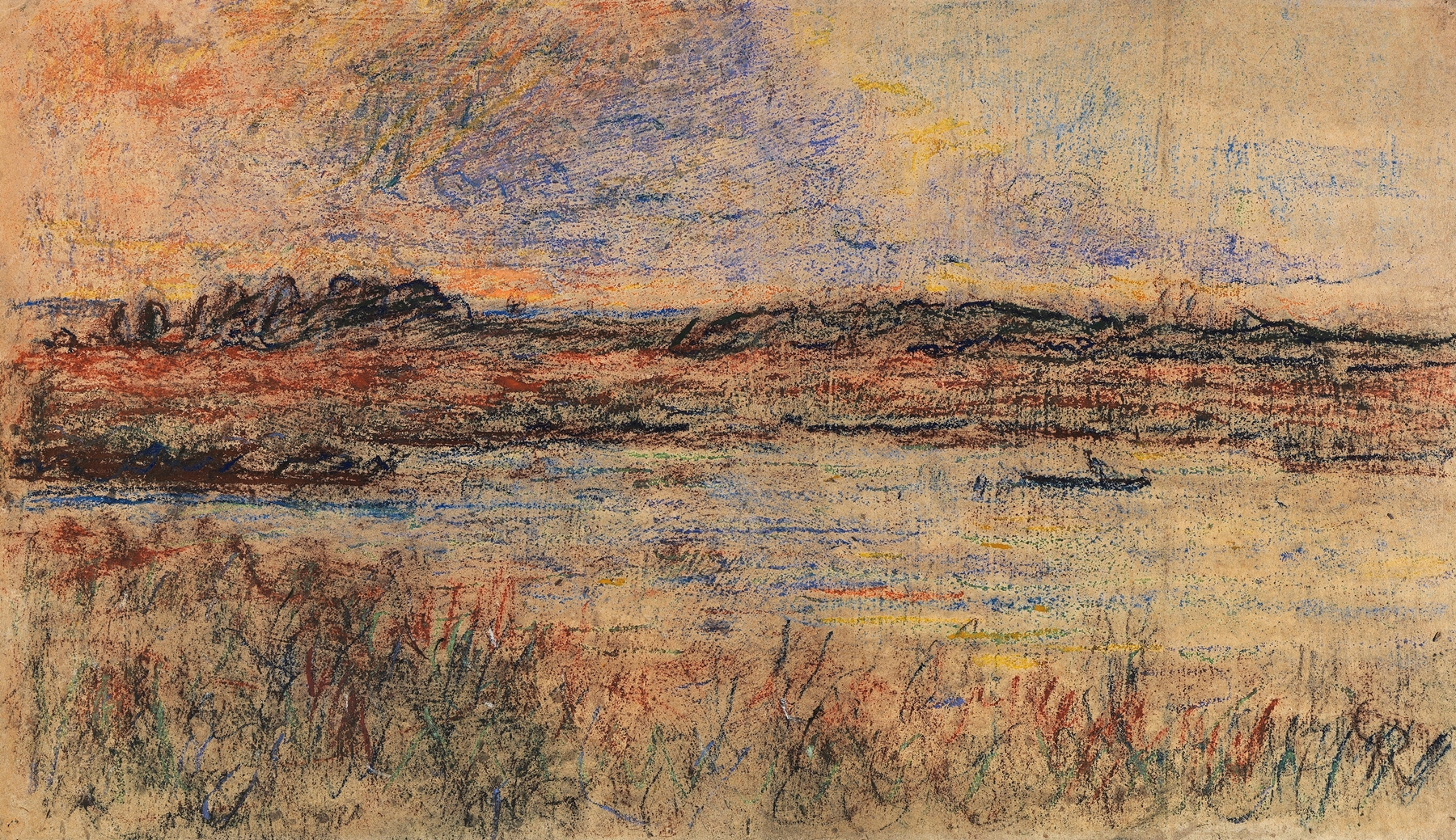
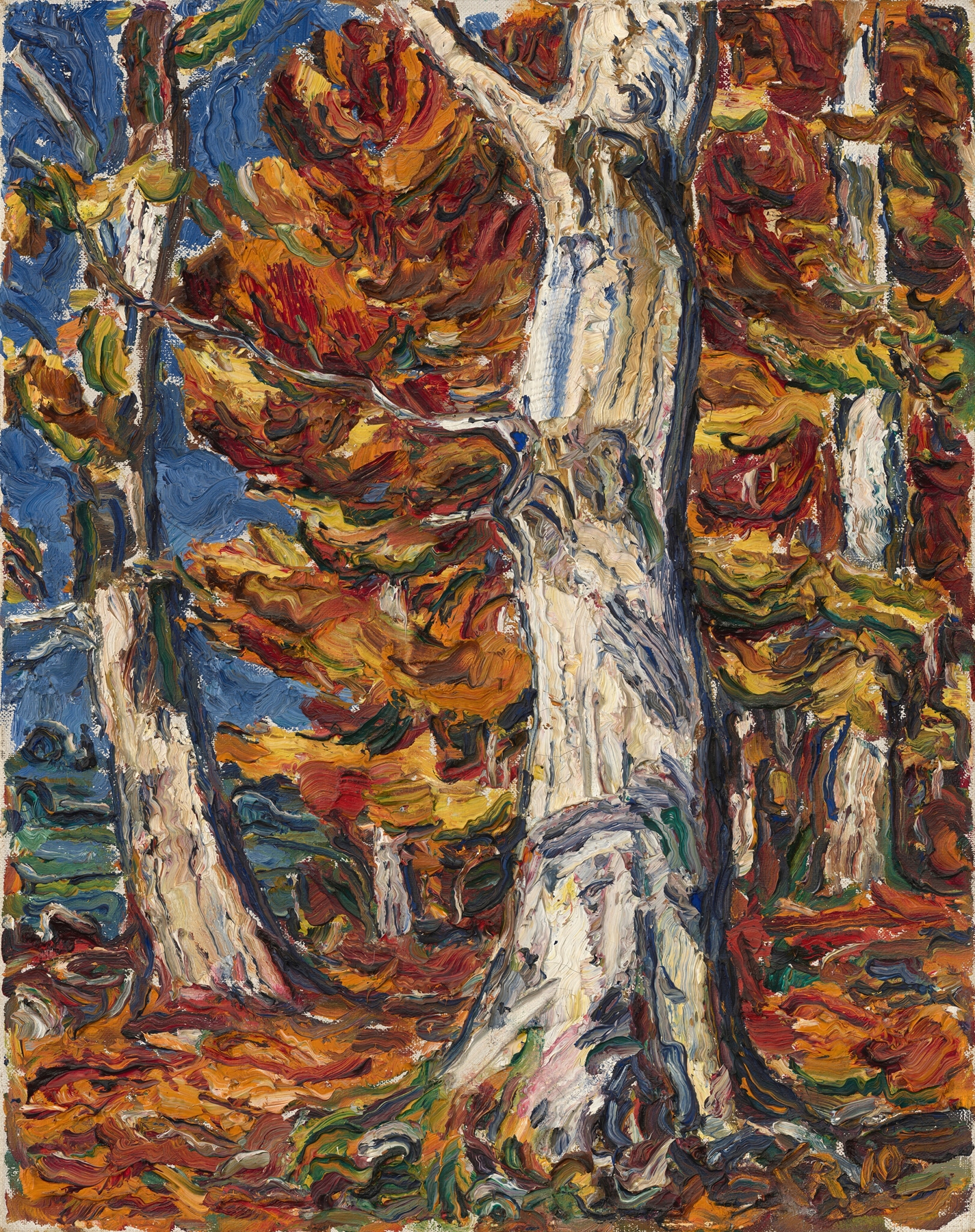
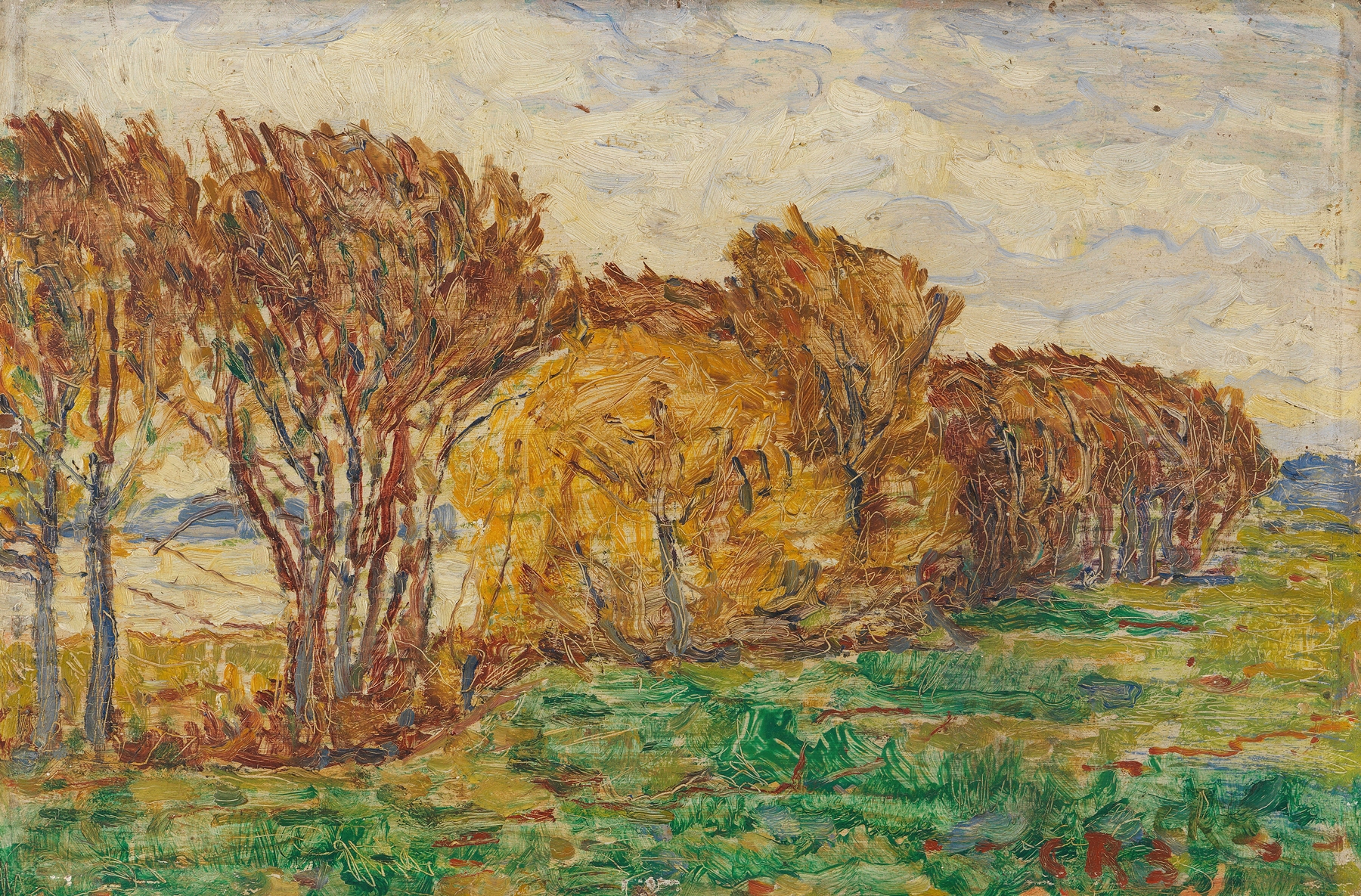
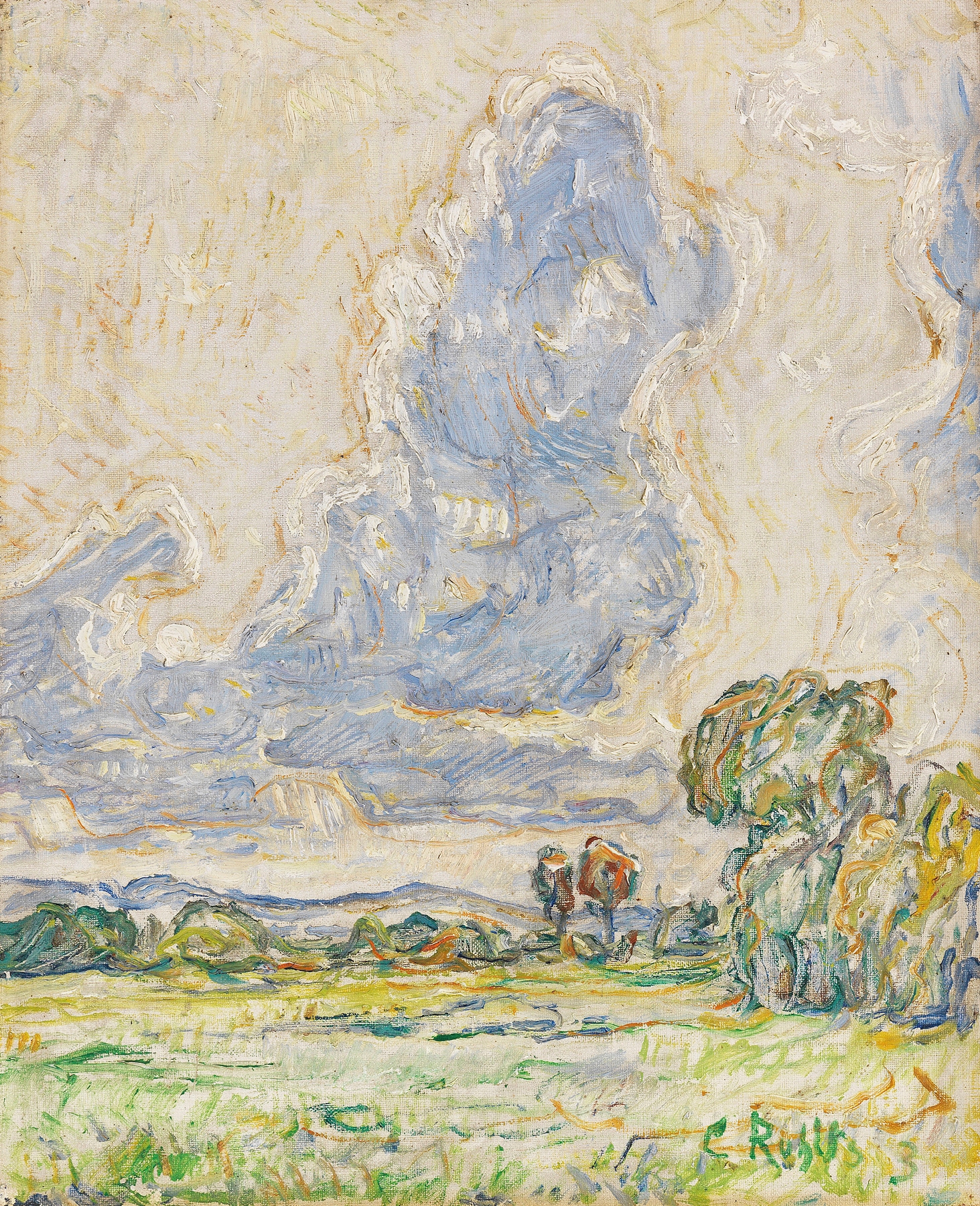
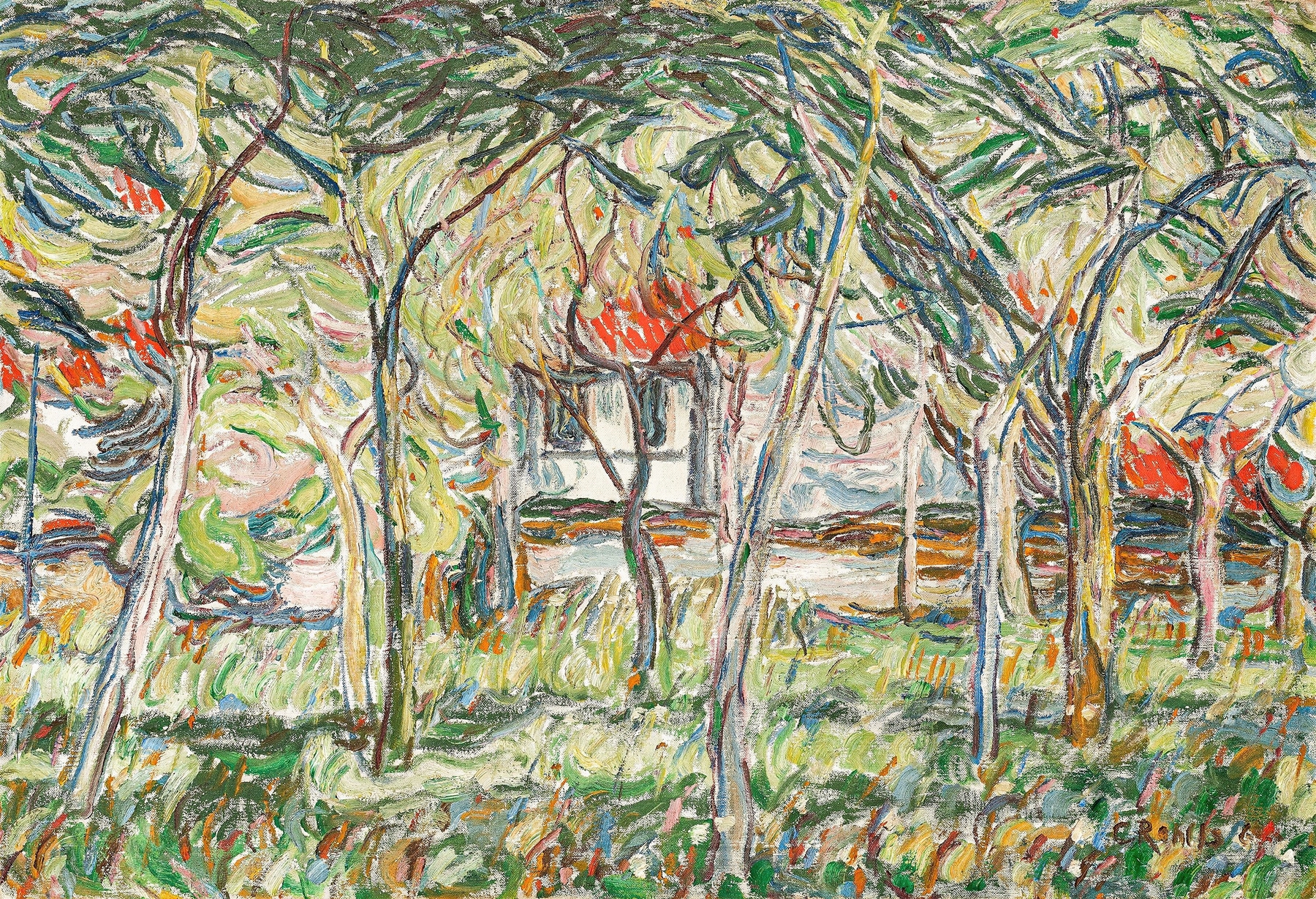
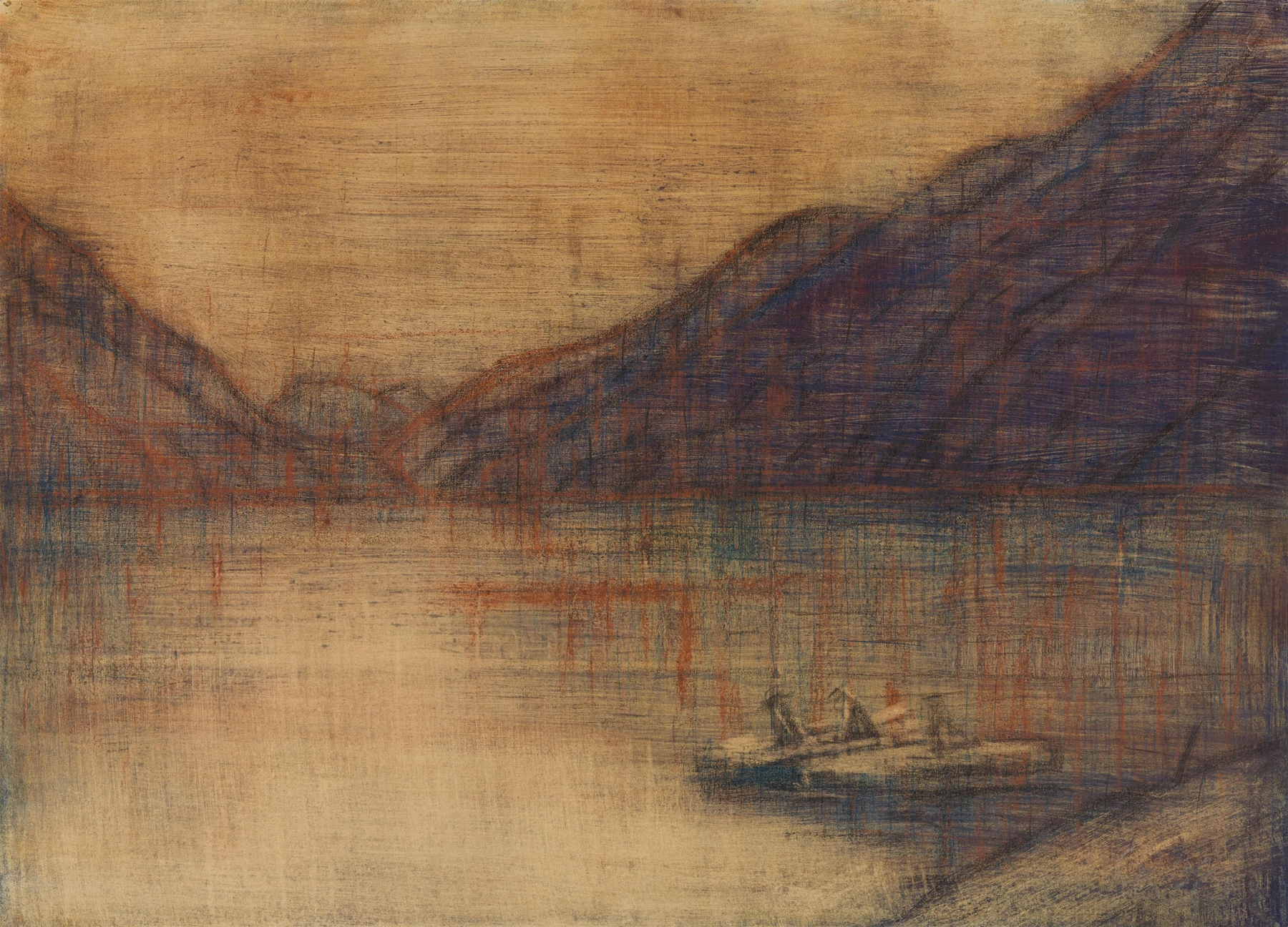
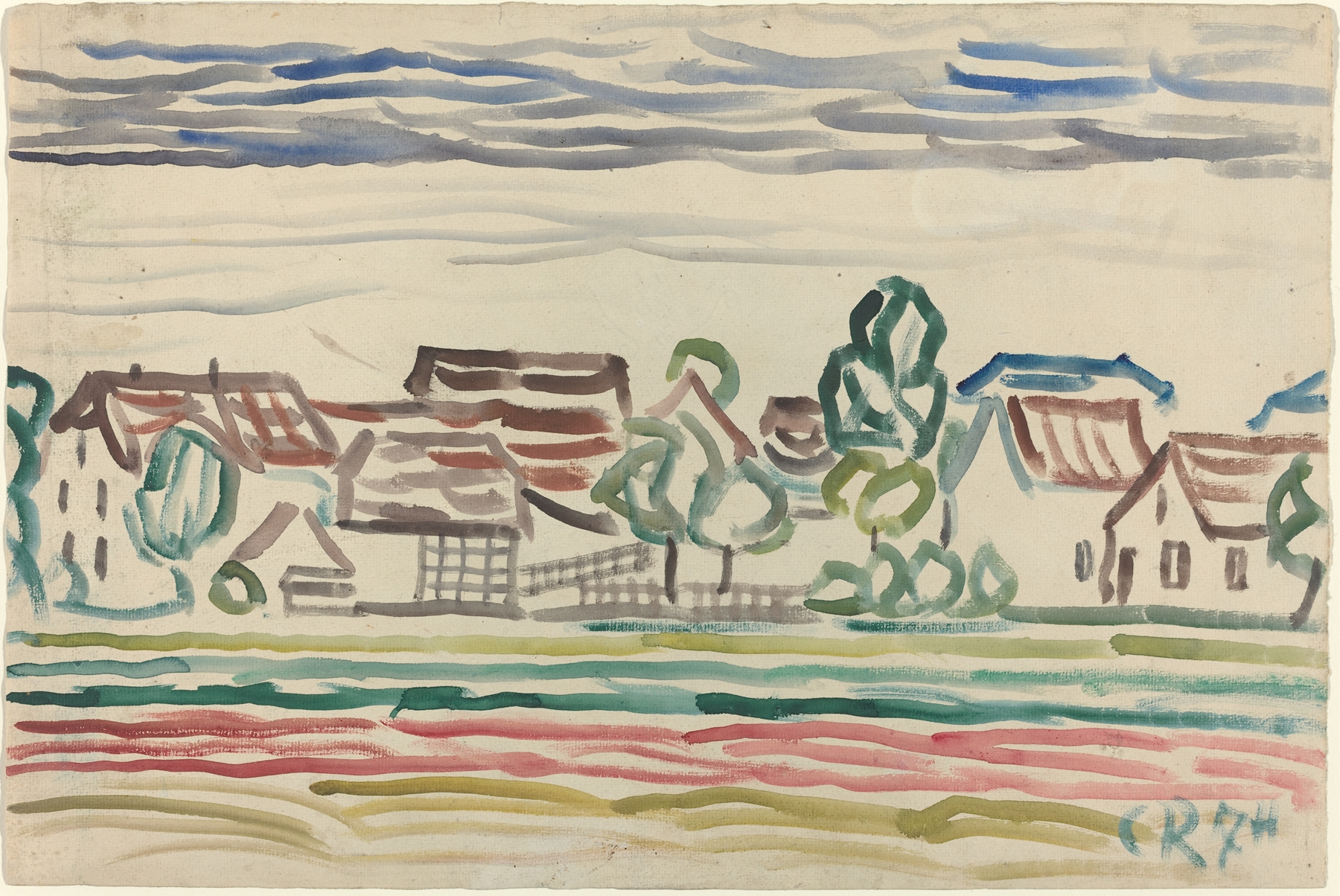
Is this a mirror — or a memory? In Christian Rohlfs' Forest, the brushstrokes intertwine with emotion, drawing us into a contemplative space where nature and introspection collide. Look to the left at the towering trees, their silhouettes rendered in deep greens and earthy browns, reaching towards an unseen canopy. The use of color creates a sense of depth, while the dappled light filtering through evokes a whisper of serenity amidst an underlying tension.
Notice how the textured application of paint gives life to the bark, each stroke pulsating with the vitality of the forest, urging you to explore further into the scene. As you delve deeper, notice the absence of figures—only trees and shadows populate this forest, hinting at a haunting solitude. This absence underscores a profound sense of loss, inviting viewers to reflect on what has been left behind. The juxtaposition of the vibrant hues against the shadowy spaces speaks of memory and yearning, as if the forest itself mourns the absence of its inhabitants.
Painted in 1900, Rohlfs created Forest during a transformative period in his life, marked by a shift towards expressionism. At that time, he was immersed in the burgeoning movement that sought to capture emotional experience over mere representation. The world around him was changing rapidly, as artists began to explore more personal and introspective themes, a stark contrast to the previous aesthetic norms. Rohlfs' work embodies this evolution, reflecting not just the beauty of nature, but also the complexities of human emotion intertwined with it.