Forest Brook, Jura — History & Analysis
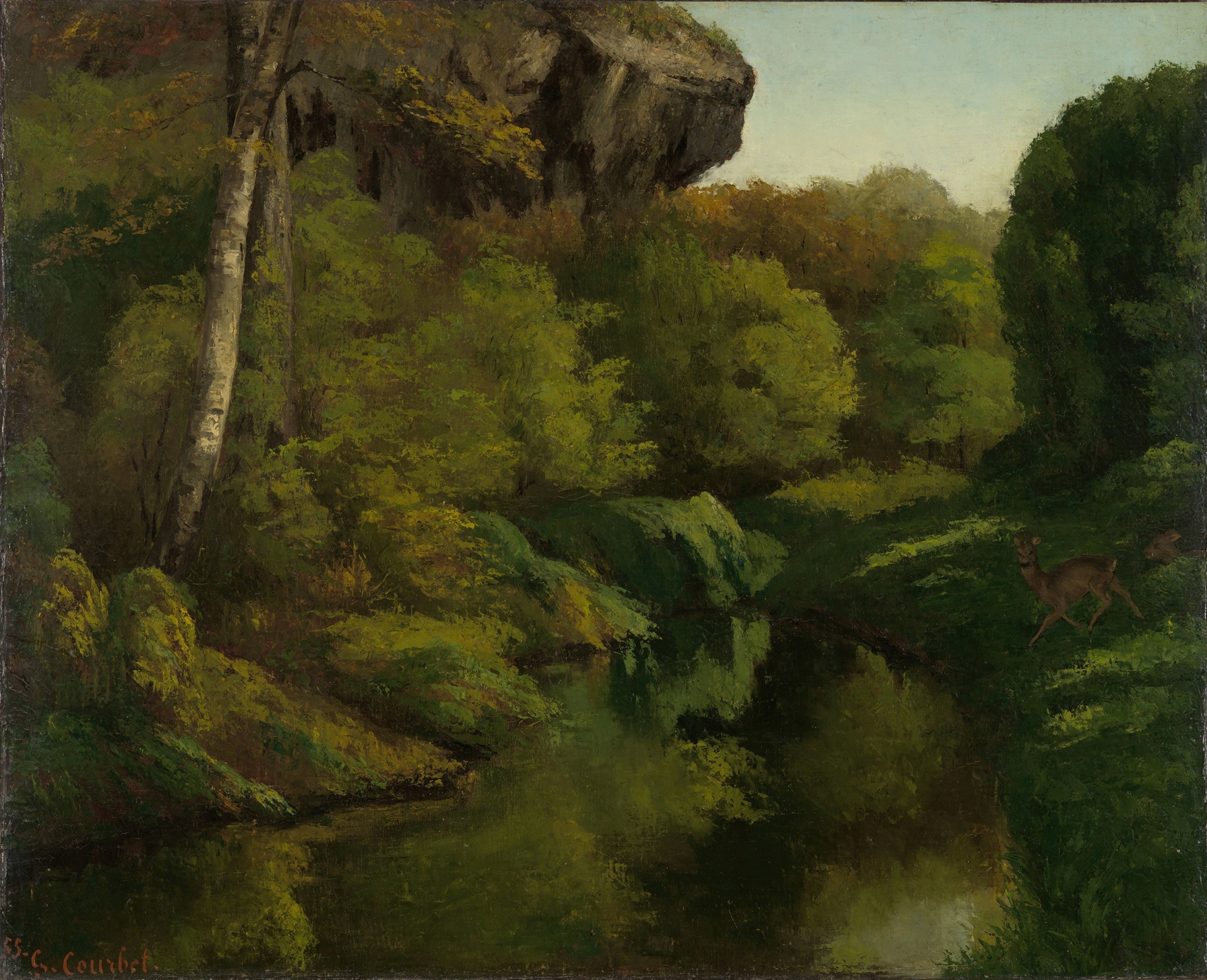
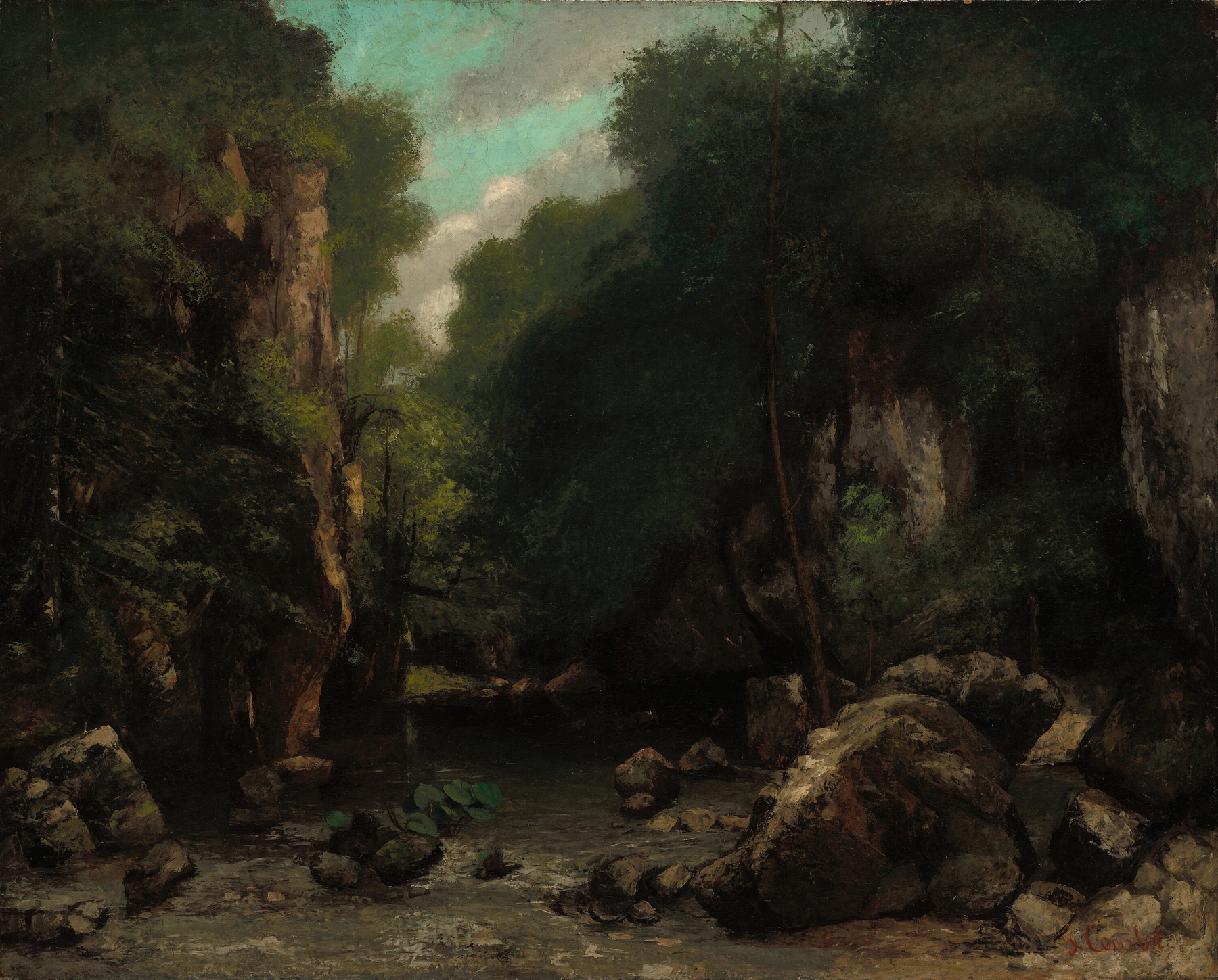
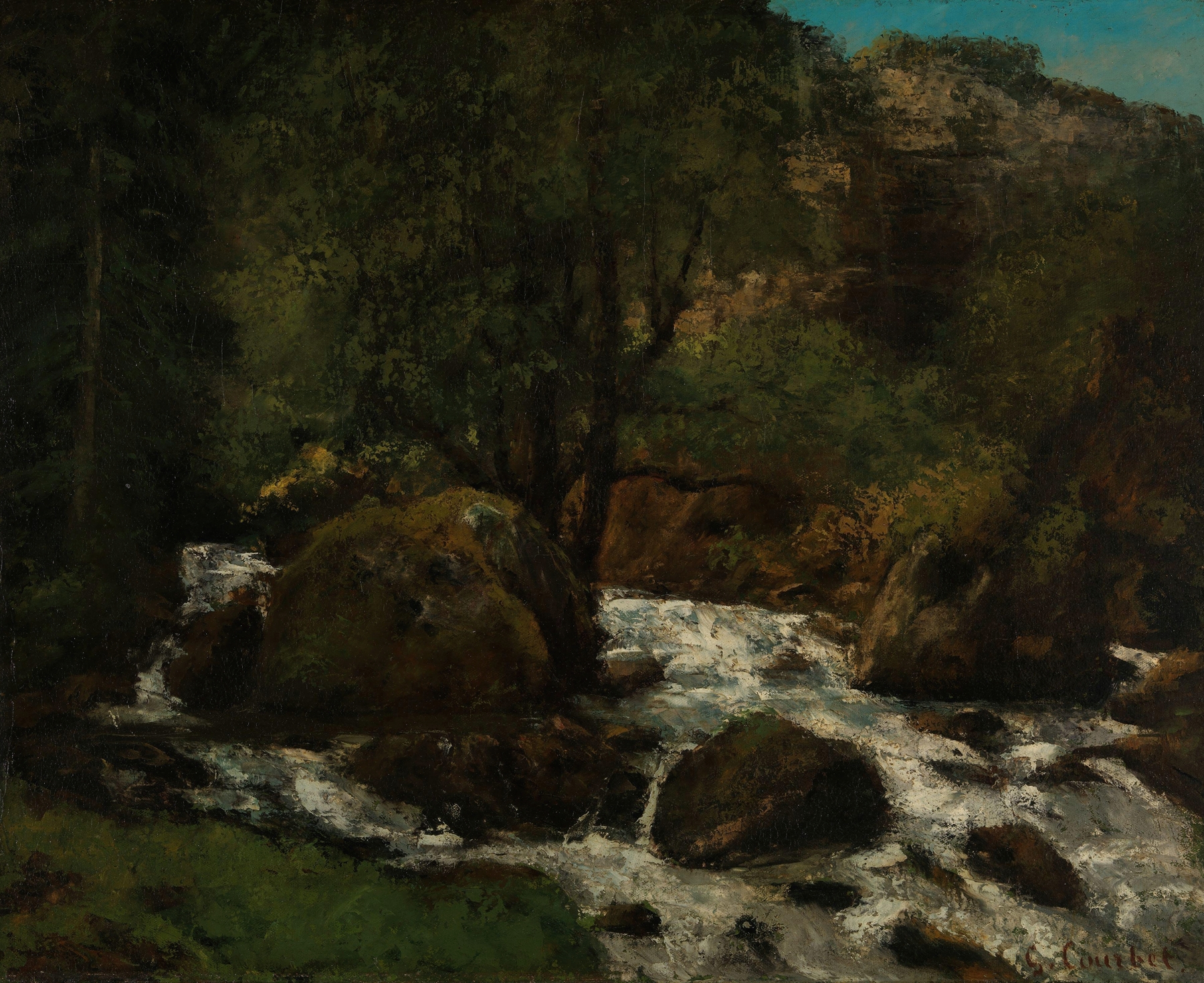
Can paint confess what words never could? Forest Brook, Jura captures a profound emptiness, an echo of solitude that lingers in the viewer’s heart. Look closely at the gentle curve of the brook, its surface a mirror of the dappled light filtering through the trees. The soft greens and browns of the forest create a serene backdrop, while the flowing water, painted with deft strokes, invites you to lean in and listen for the whispers of nature. Notice how the absence of human presence amplifies the tranquility, each brushstroke meticulously placed to evoke a sense of stillness and introspection.
In this work, contrasts abound. The vibrant life of the foliage stands in striking tension with the emptiness of the scene, suggesting both abundance and absence. Shadows dance among the trees, hinting at the mysteries of the forest and the silence that envelops the brook. This interplay speaks to the viewer’s own feelings of solitude and reflection, as nature becomes a mirror for their innermost thoughts.
During the 1860s, Courbet was immersed in the realist movement, advocating for the truthful representation of everyday life. Painted in France’s Jura region, Forest Brook emerged during a time when Courbet sought to challenge the conventions of romanticism. He turned away from idealized landscapes, capturing instead the raw beauty of nature, a reflection of his internal struggles and the world around him. This work not only embodies his artistic ideals but also invites us to ponder the complexities of our own existence.