Forest In Winter — History & Analysis
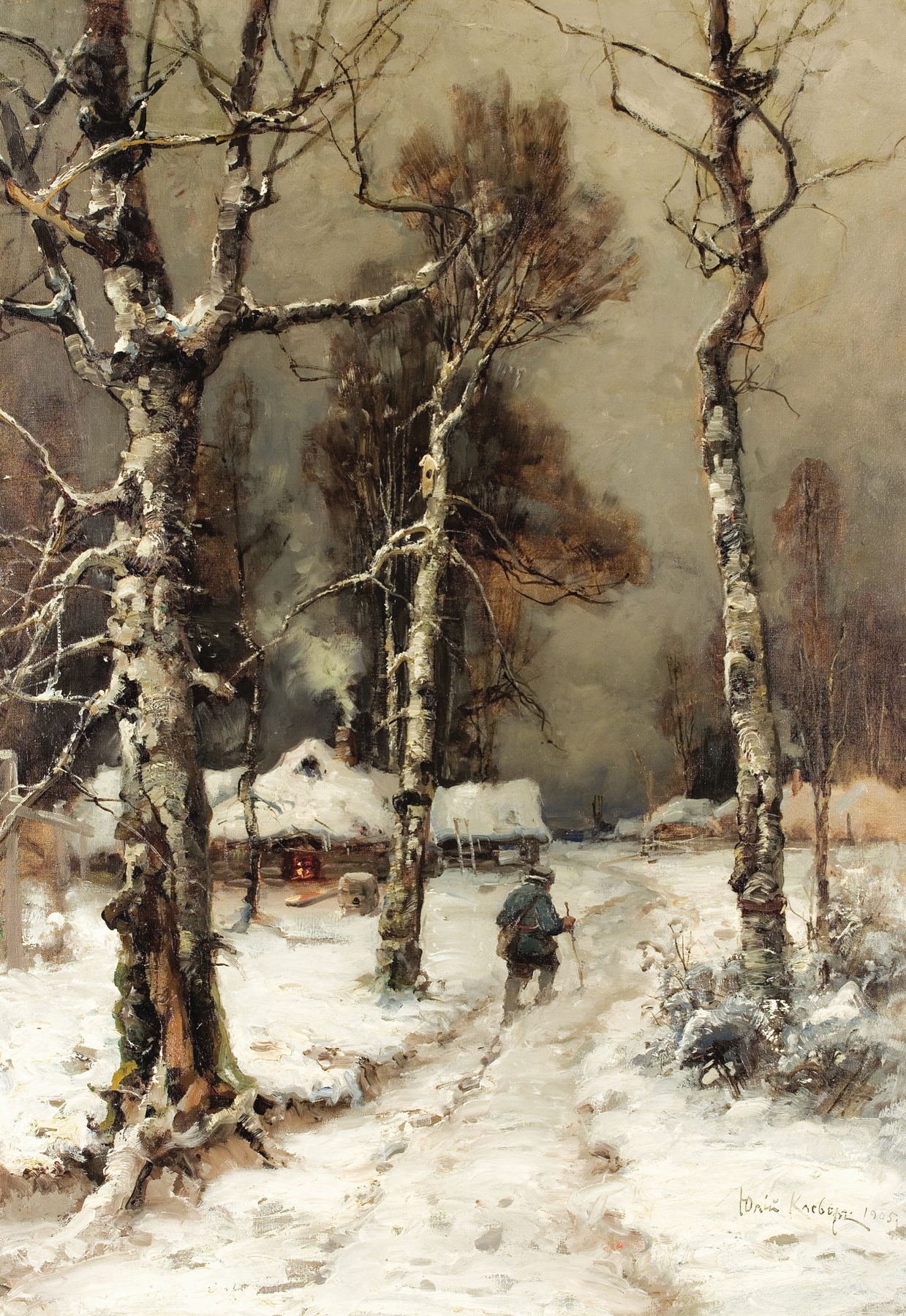
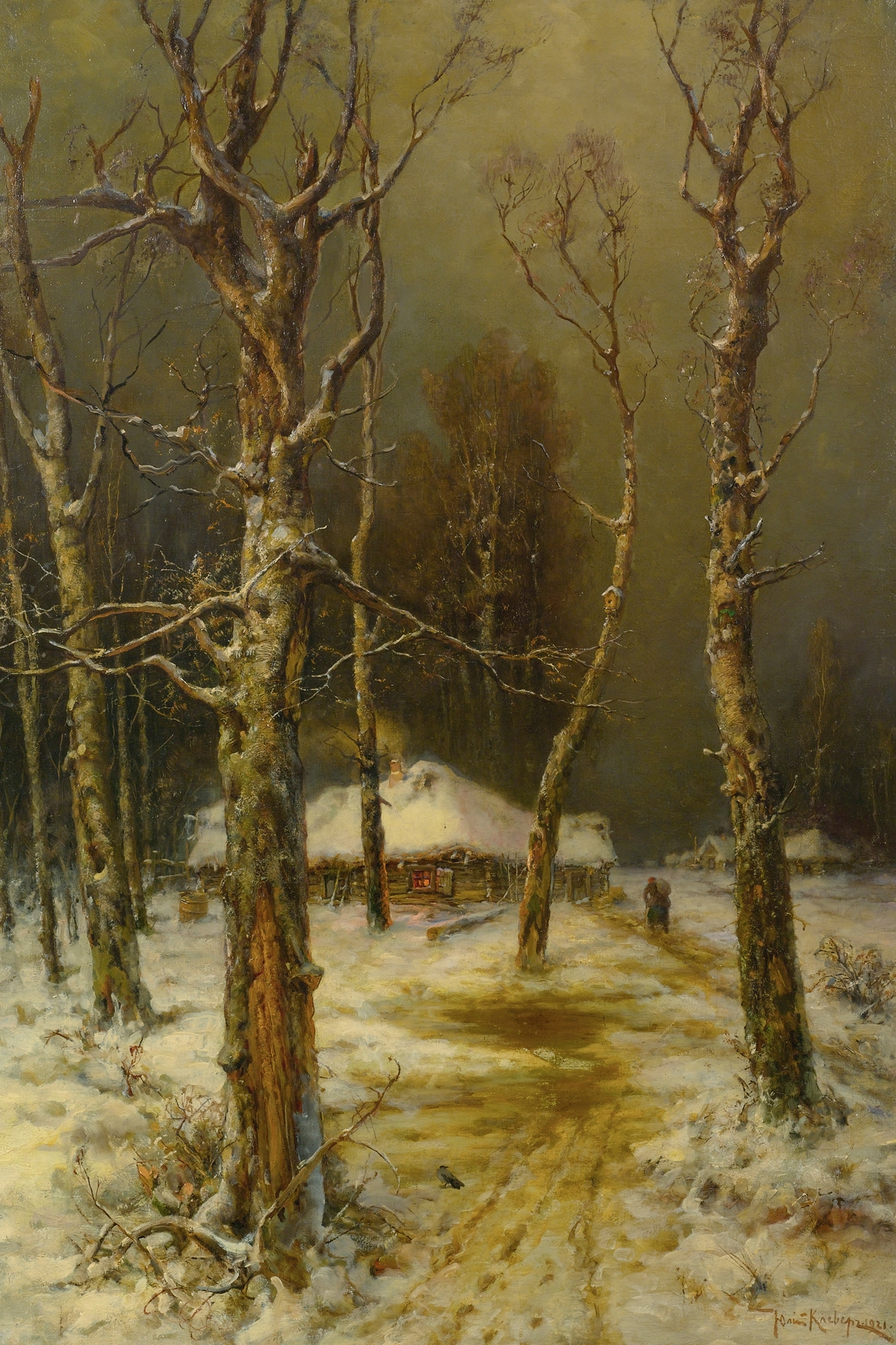
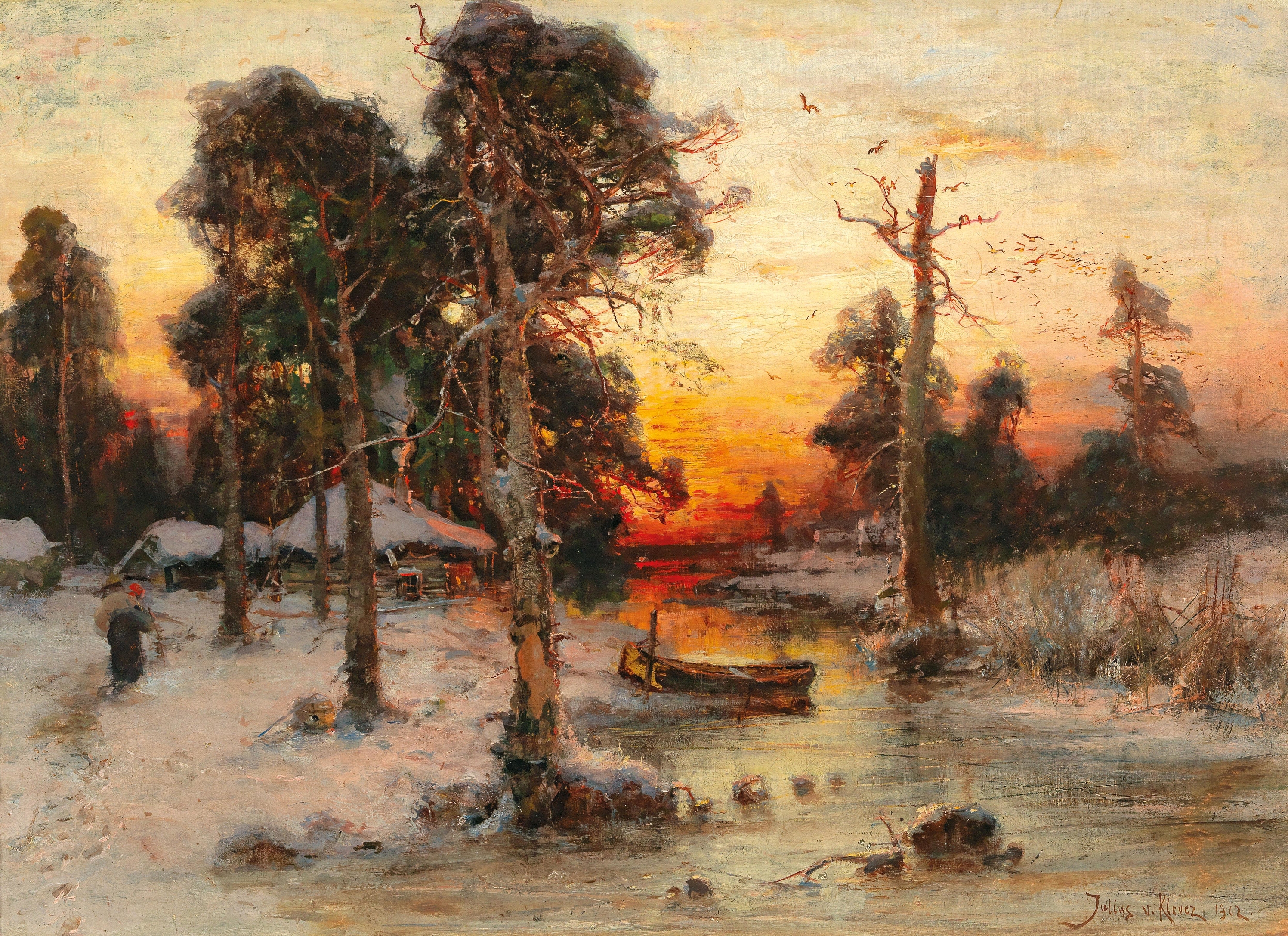
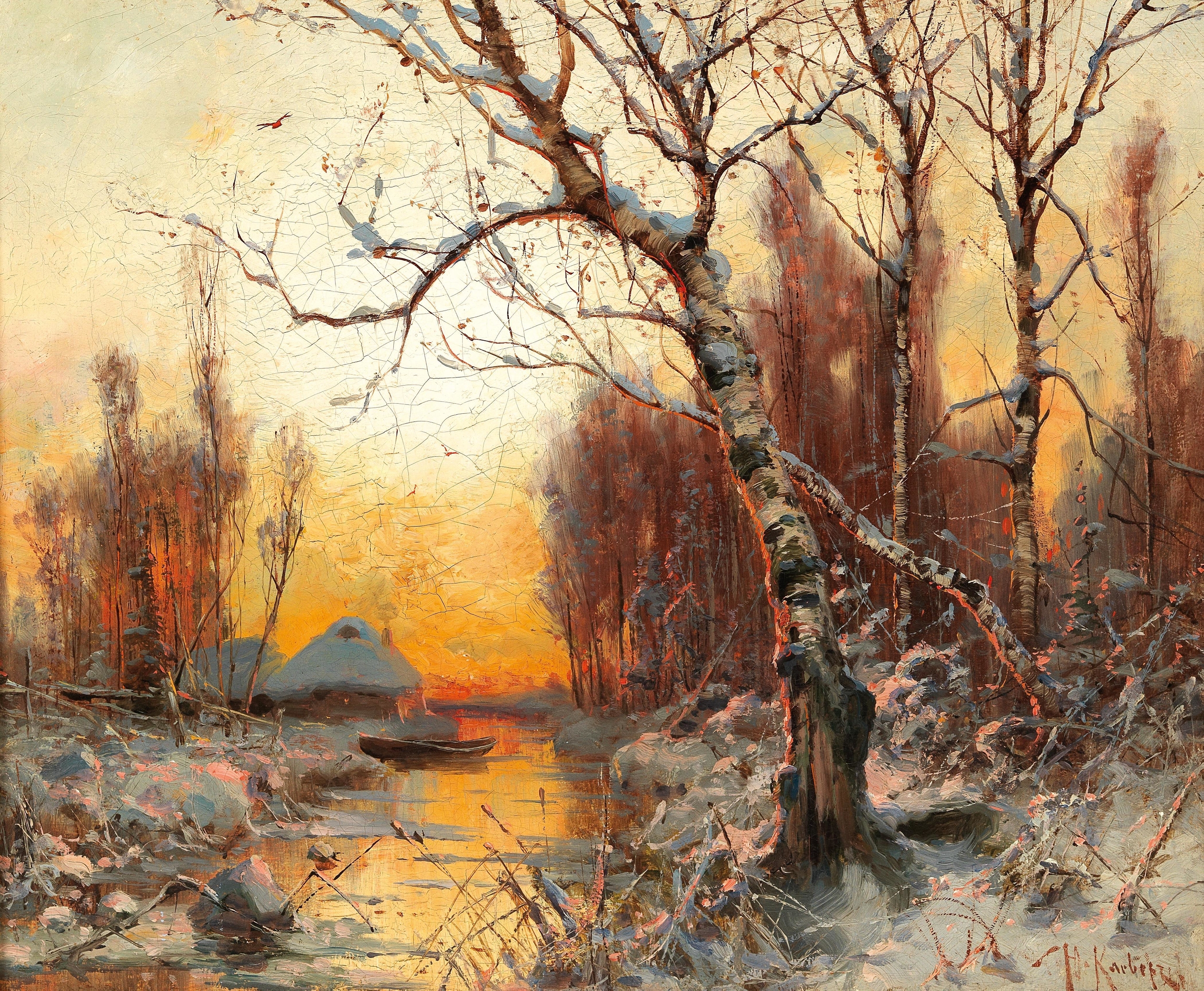
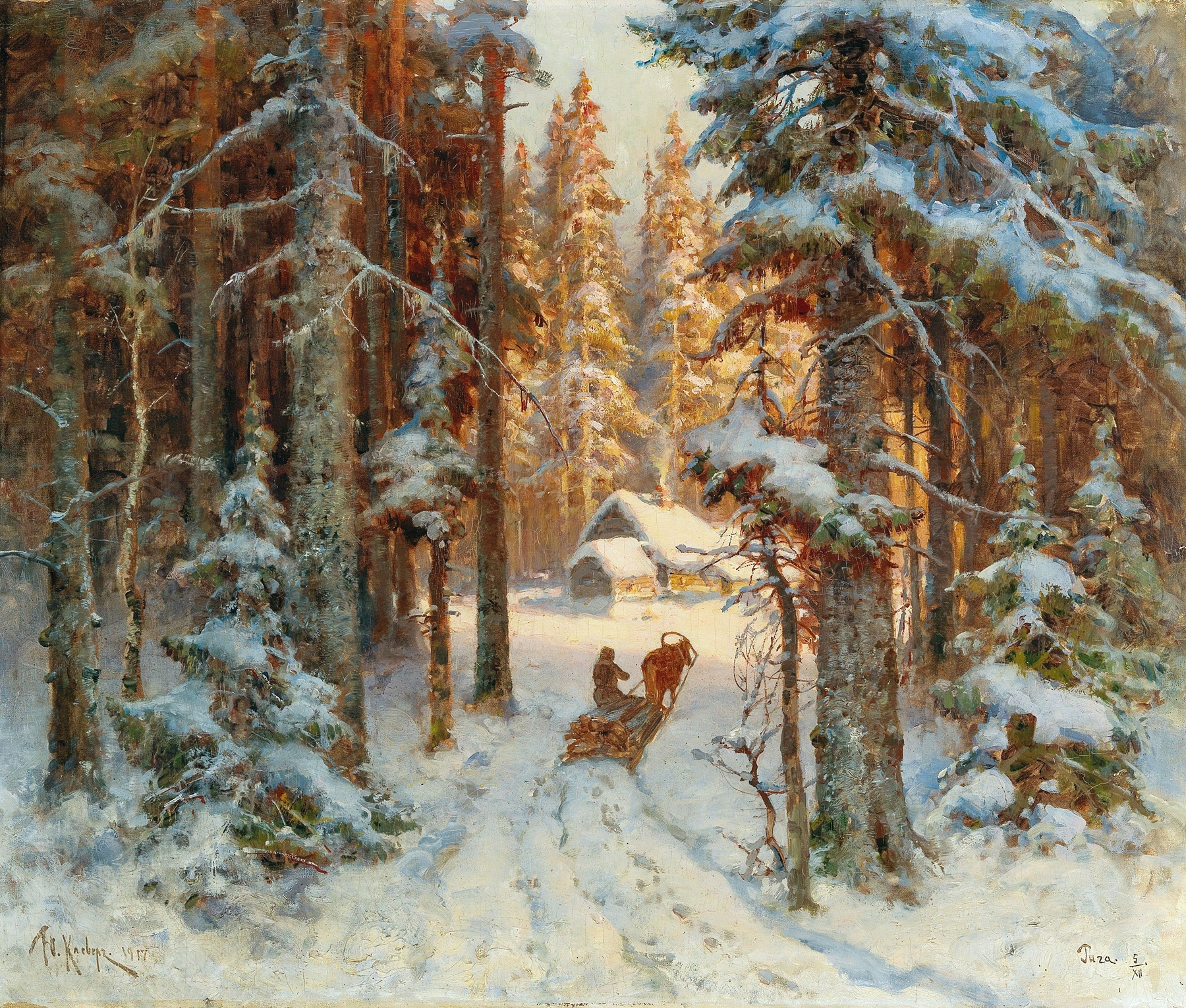
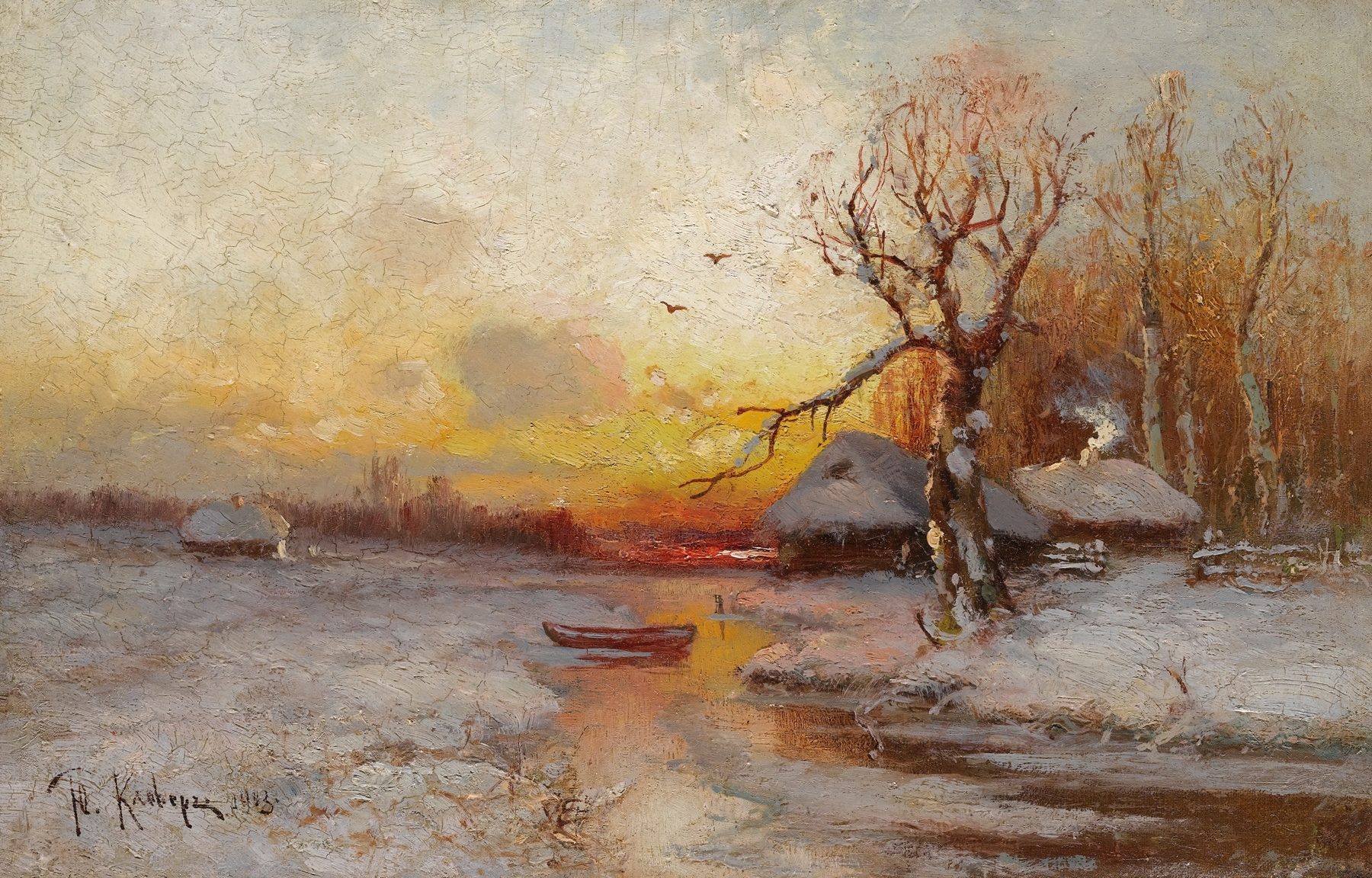
Can beauty exist without sorrow? In Forest In Winter, the serene landscape whispers of a hidden violence, a juxtaposition of tranquility and the harshness of nature’s grip. Focus on the left side of the canvas, where delicate snowflakes blanket the gnarled branches of bare trees, creating an ethereal contrast against the sharp, dark trunks. Notice how the pale light filters through, illuminating the scene while casting intricate shadows that dance on the underbrush. The cool palette of blues and whites evokes a sense of chill, yet it is the subtle warmth in the strokes of earth tones that hints at life beneath the frozen surface, inviting us to explore the layers of meaning within.
In this seemingly tranquil setting, the stillness is laden with an undercurrent of tension. Each tree stands resolute, their stark silhouettes suggesting resilience against the winter’s brutality. The rigidity of the landscape mirrors an emotional landscape where beauty and violence coexist – the silent threat of decay lurking in the serene expanse. It prompts reflection on the impermanence of life, hinting at the cycles of destruction and rebirth inherent in nature.
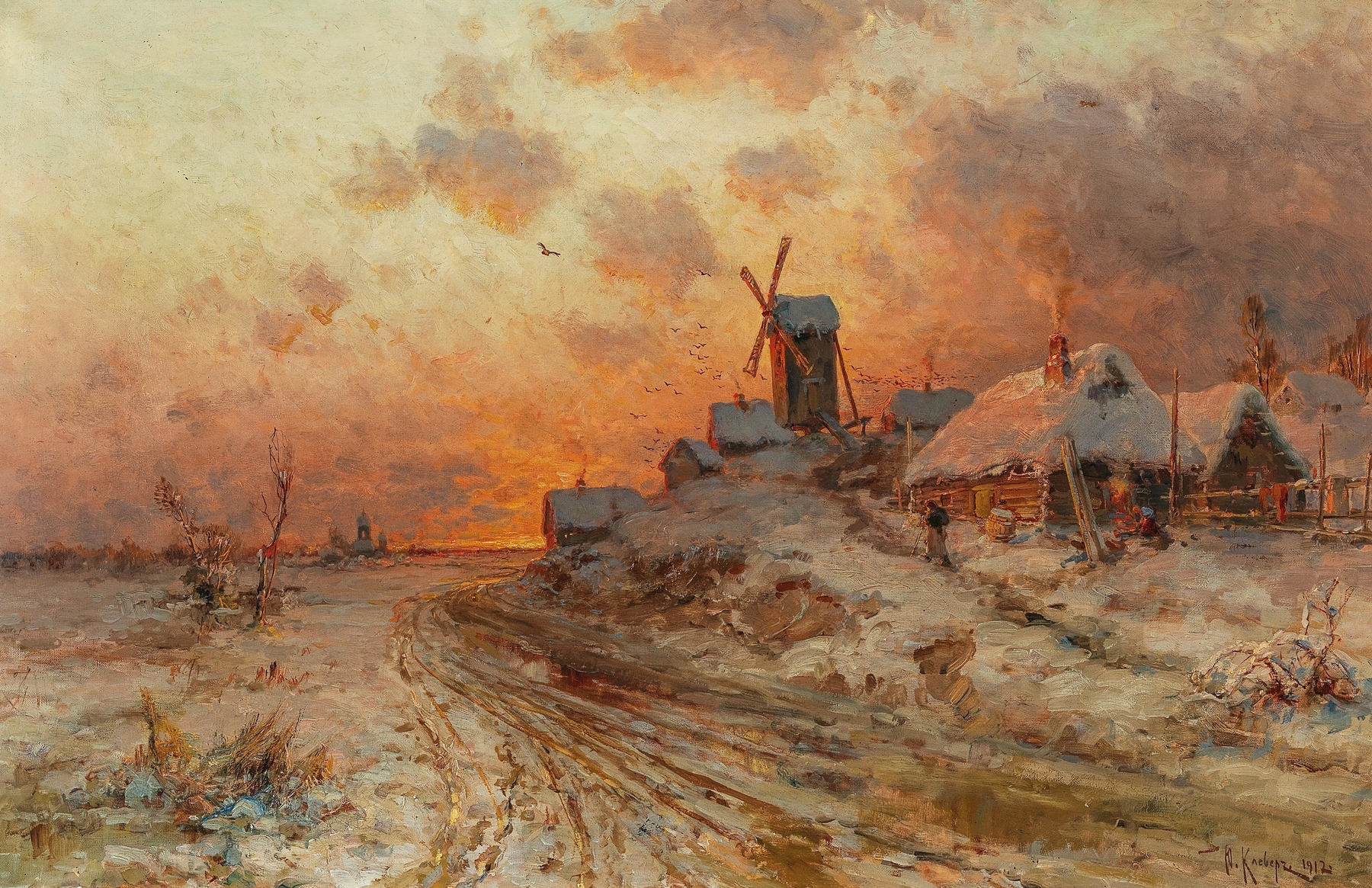
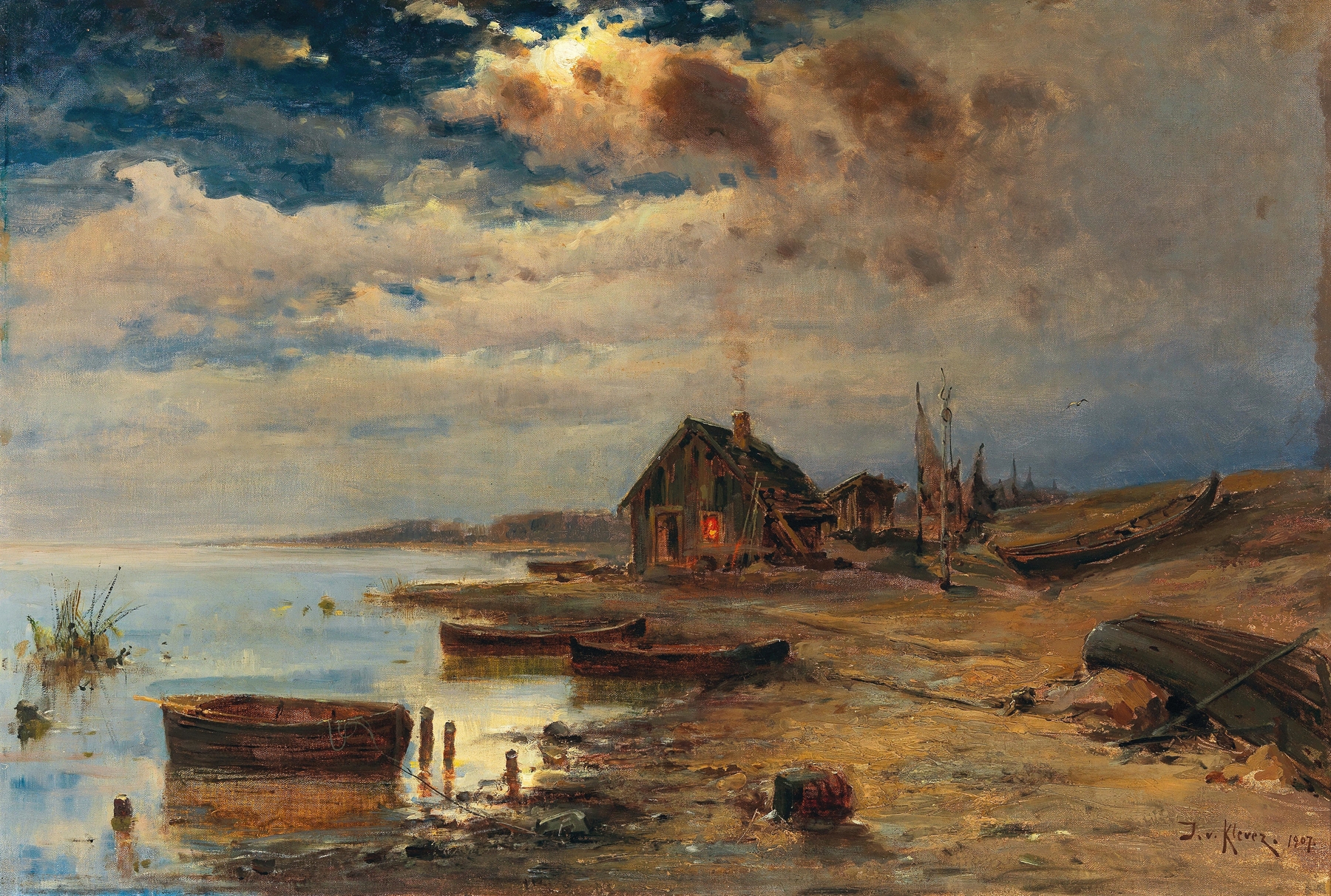
Julius Sergius Klever painted this work in 1912, during a period of immense change both in his personal life and within the broader context of Russian art. Living in St. Petersburg at the time, he was influenced by the Symbolist movement, which sought to convey deeper emotional truths through vivid imagery. This painting captures both the stark beauty of winter and the complex emotions tied to it, reflecting Klever’s mastery of mood and atmosphere in a time when art was increasingly exploring the tensions of modern existence.