Forest Scene (Path from Mas Jolie to Château noir) — History & Analysis
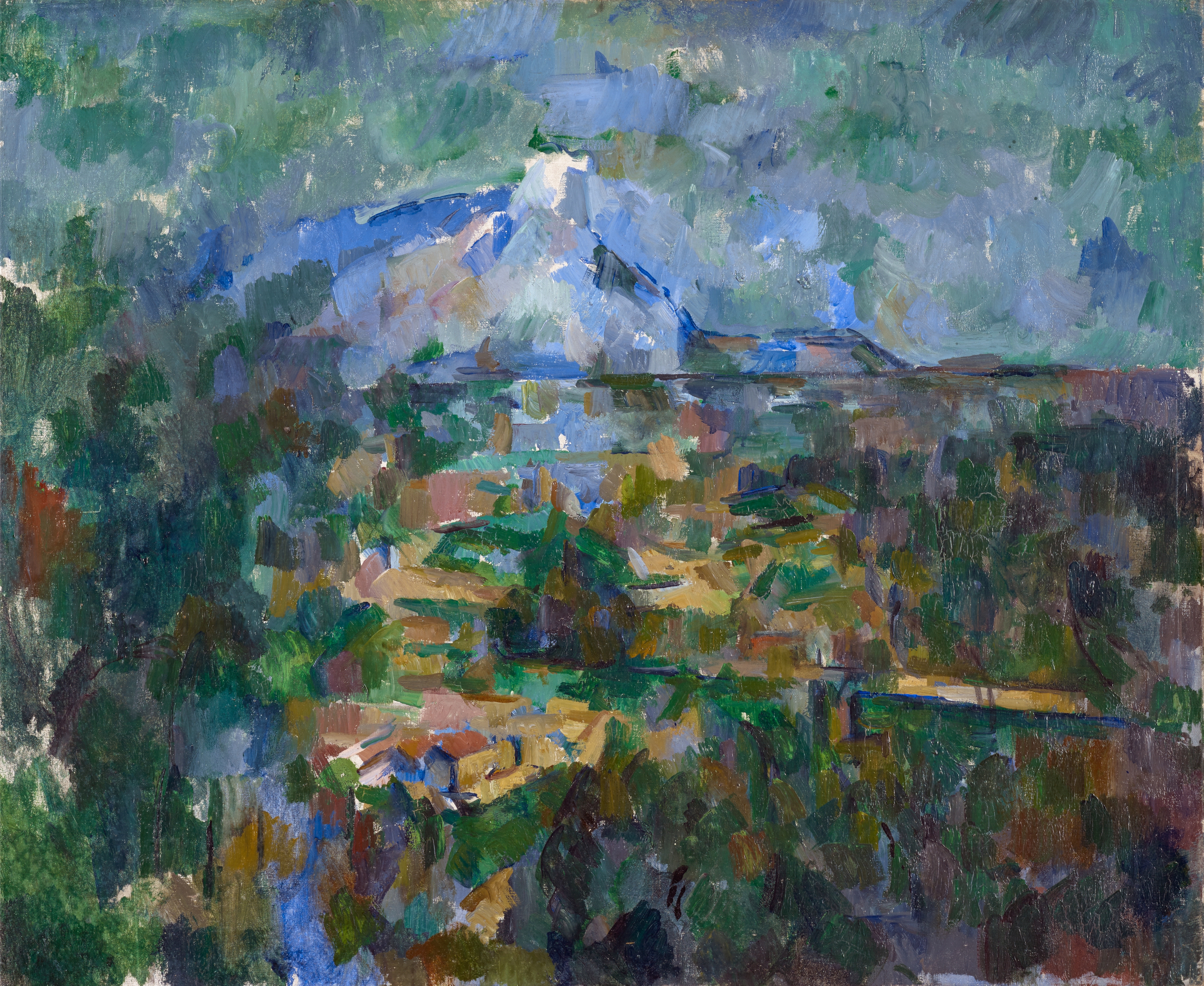
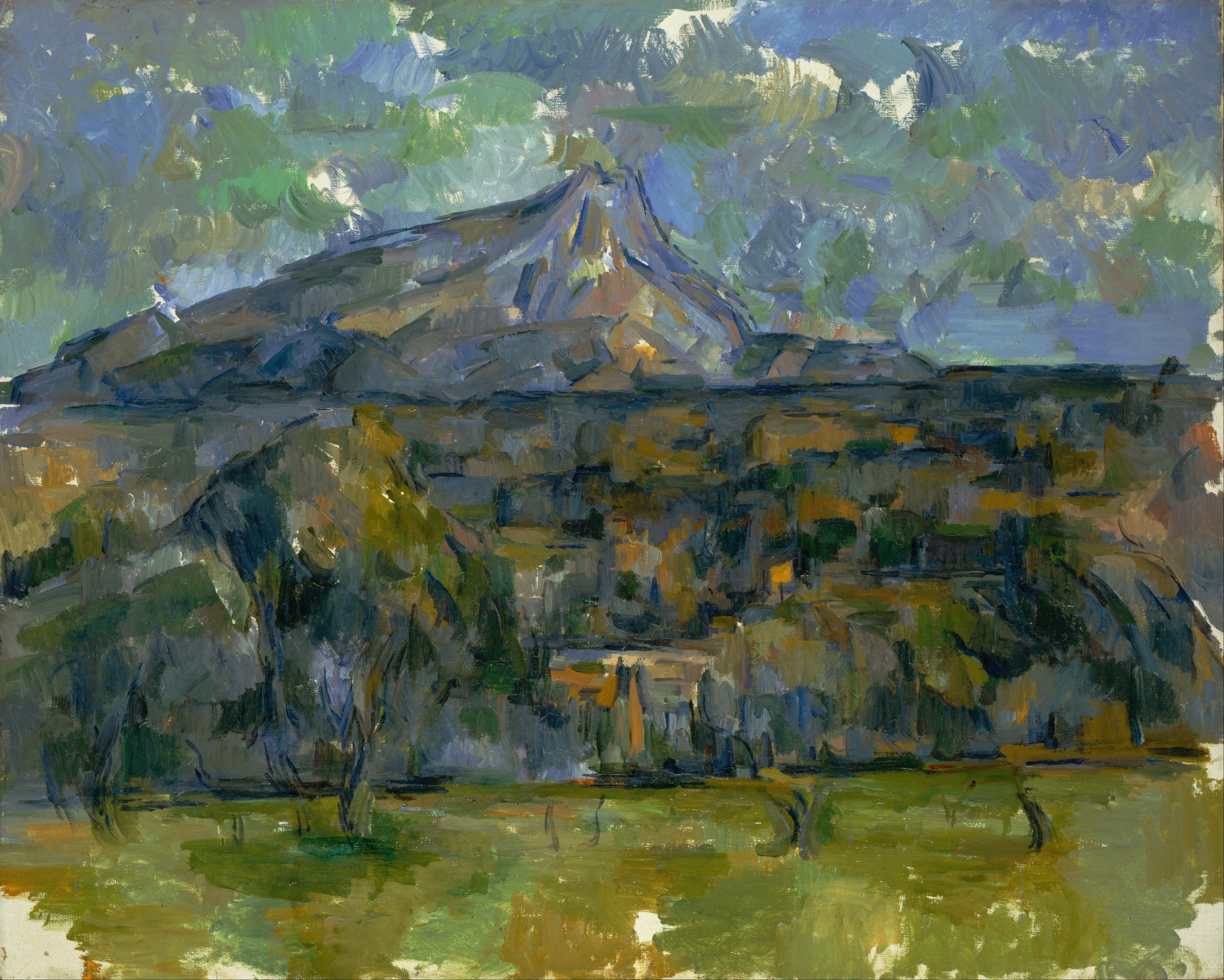
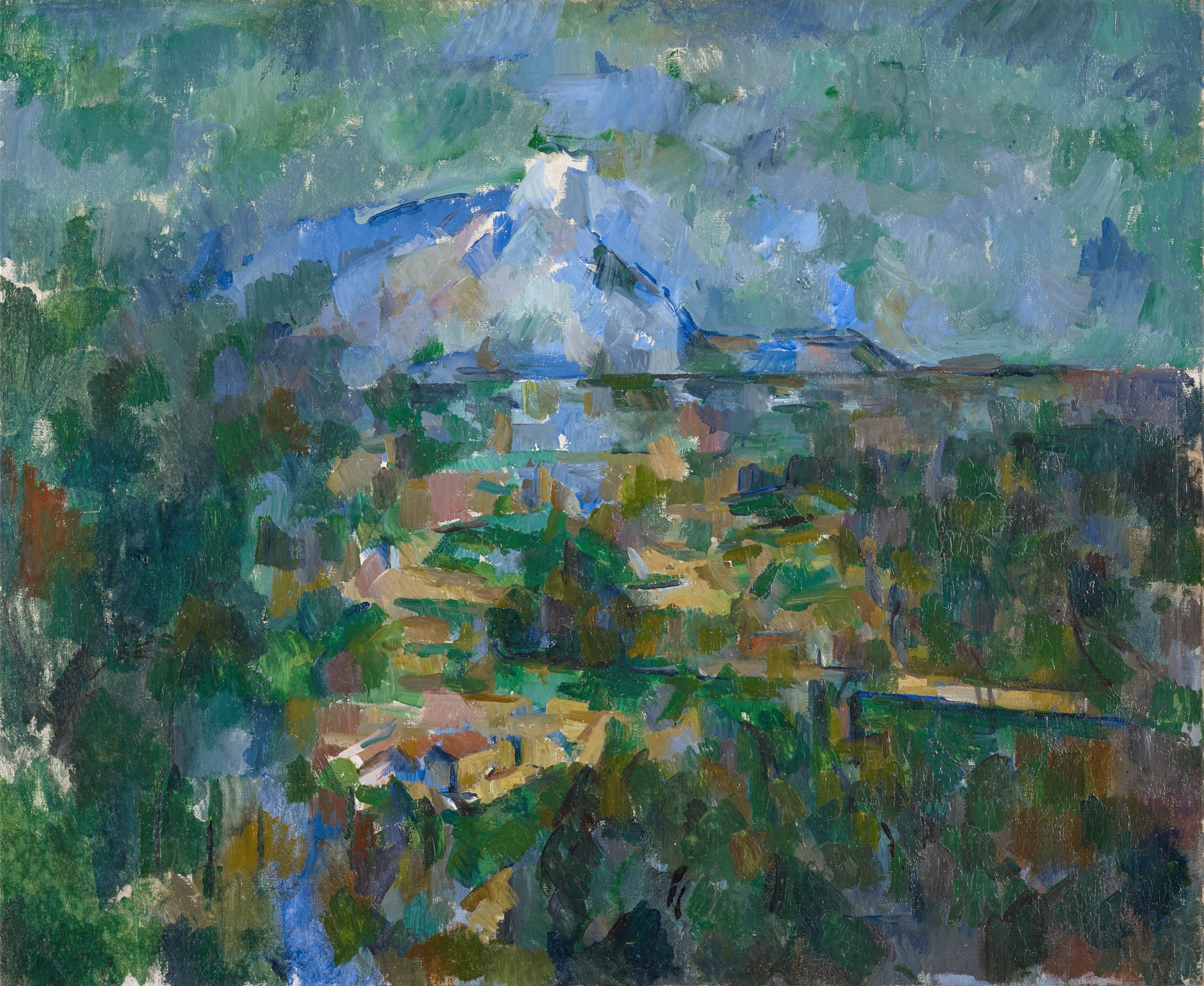
Can beauty exist without sorrow? In Forest Scene (Path from Mas Jolie to Château noir), the question lingers like a whisper through the trees, inviting contemplation of nature’s dual realities. Focus on the vibrant greens that dominate the canvas, where layers of brushstrokes create a vivid tapestry of foliage and undergrowth. Note how the path, winding and uncertain, draws the eye into the heart of the scene, suggesting both journey and destination.
Cézanne’s distinctive use of color blends the harmonious with the chaotic, as dappled sunlight filters through the canopy, revealing the tension between serenity and the madness of nature’s wildness. Within the composition, the juxtaposition of clarity and confusion evokes a sense of unease. The path, though inviting, disappears into the dense thicket, symbolizing the unpredictability of life itself. Look closely at the interplay of light and shadow, which evokes shifting moods, imparting a sense of both closeness and distance, as if the trees hold secrets just beyond reach, whispering tales of joy and despair alike.
Created between 1900 and 1902, this work emerged during a transformative period for its creator, who was grappling with the complexities of his own artistic vision. Cézanne was refining his approach to color and form, seeking to capture the essence of his surroundings in a way that transcended mere representation. At a time when the art world was evolving rapidly, he stood at the cusp of modernism, crafting a legacy that would influence generations to come.