Forest Sunset — History & Analysis
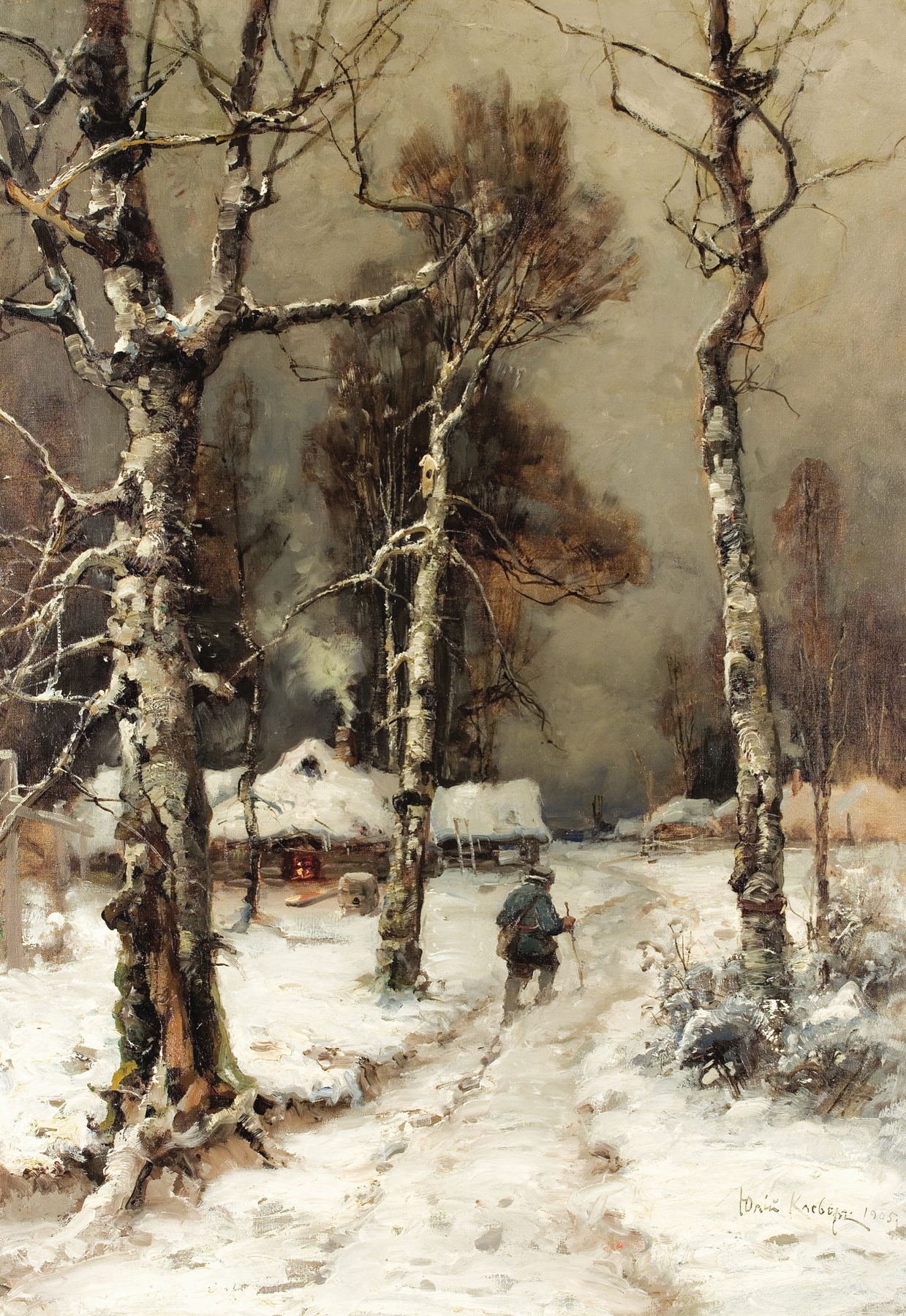
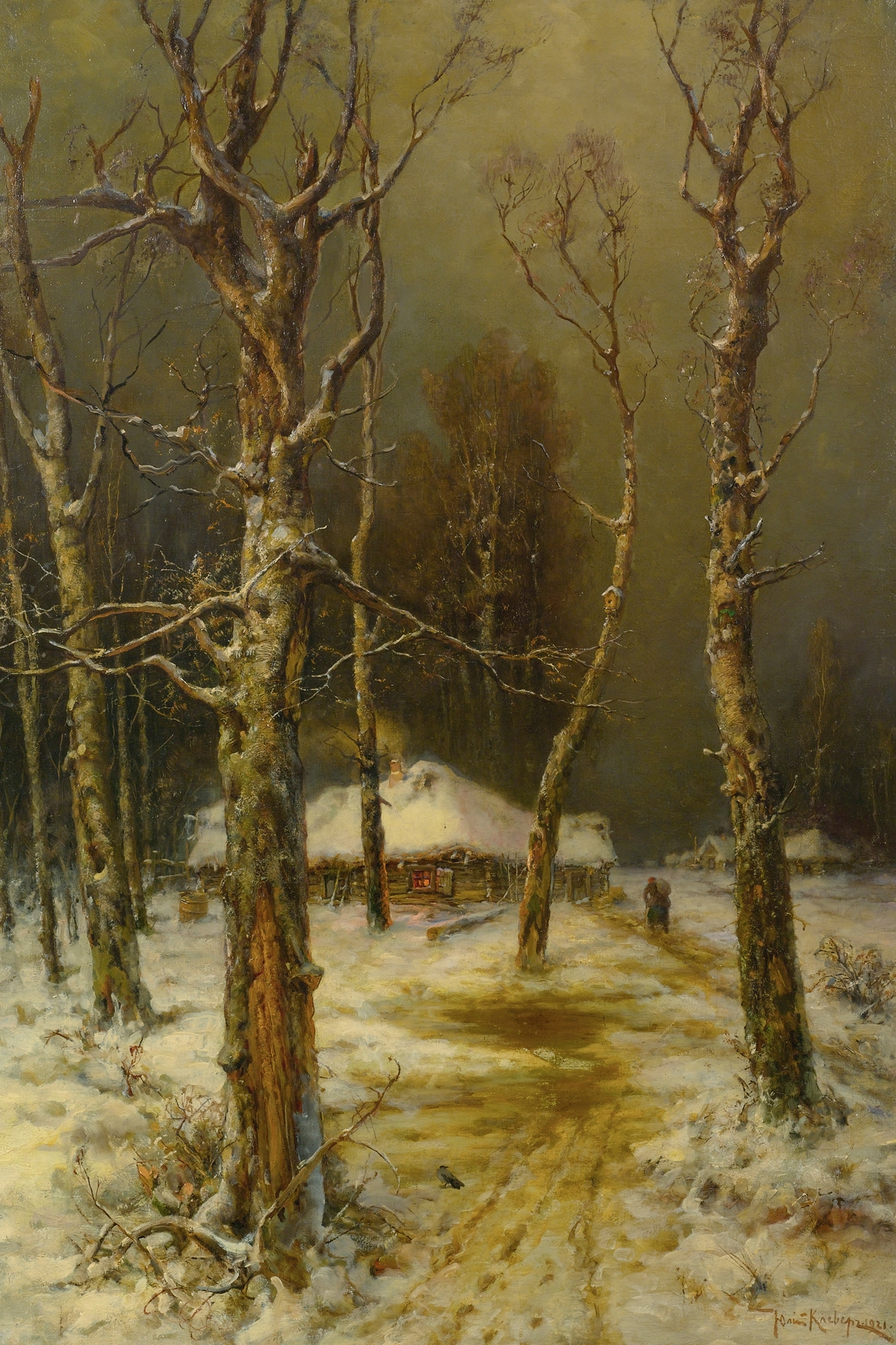
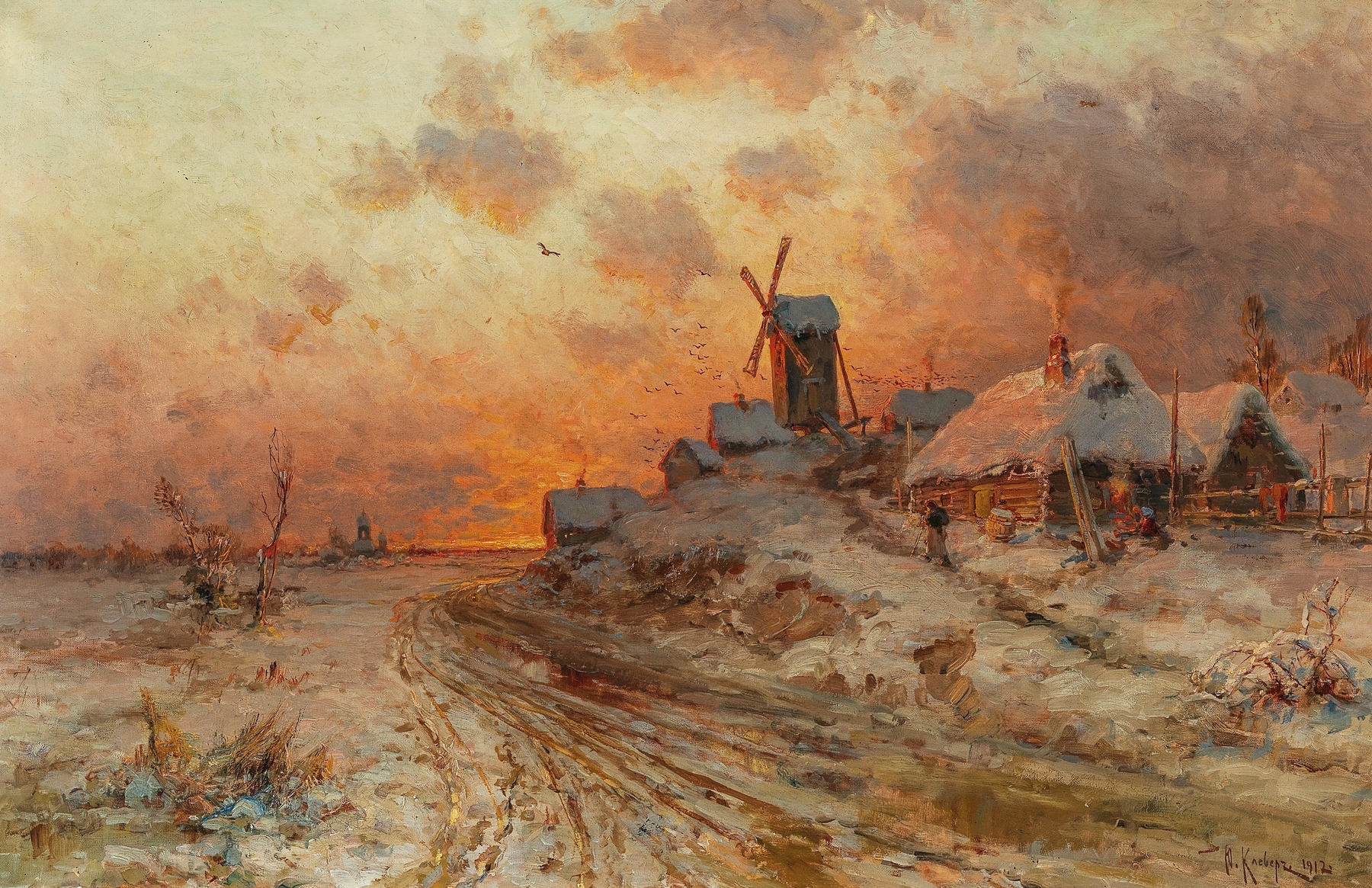
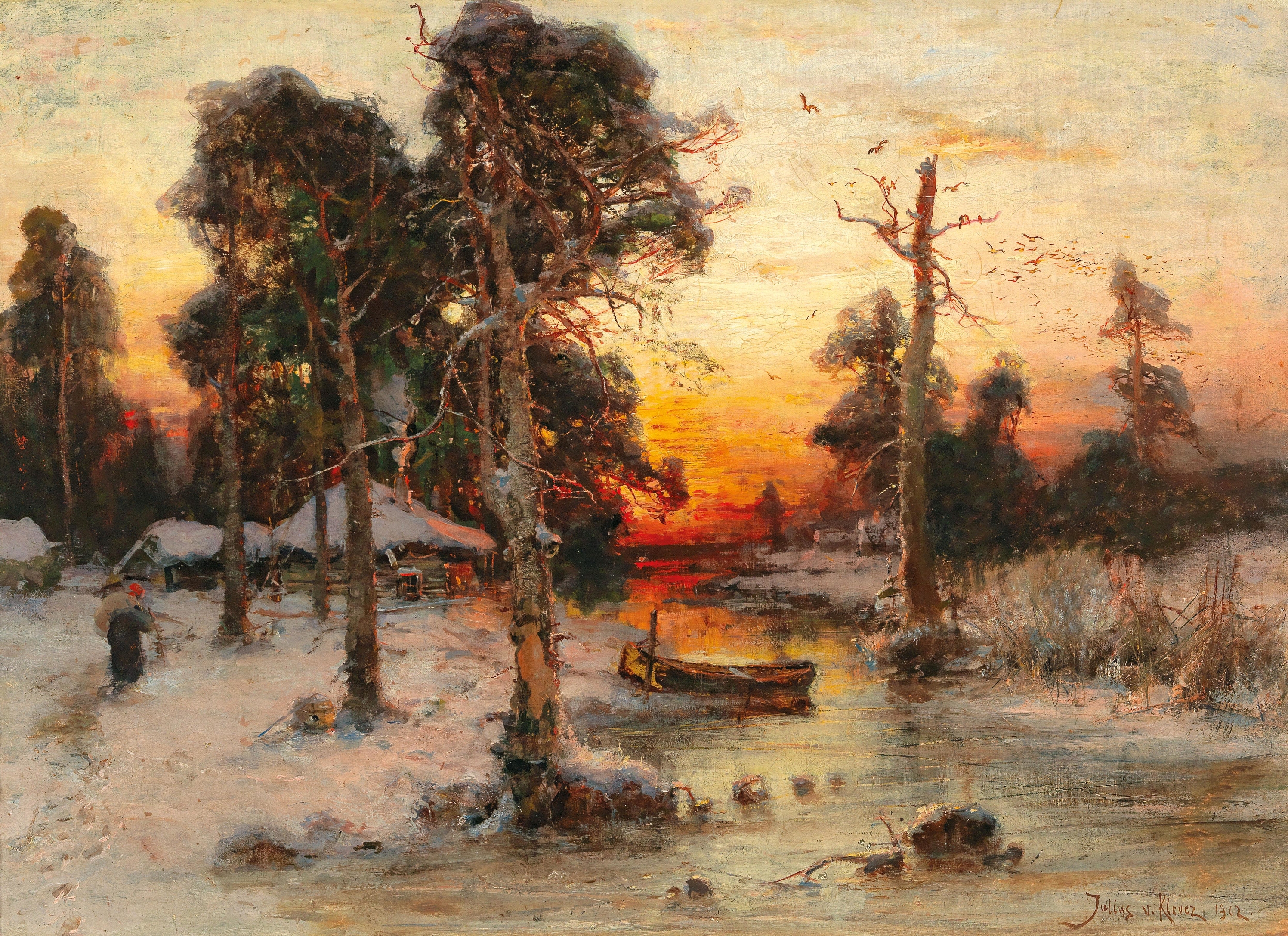
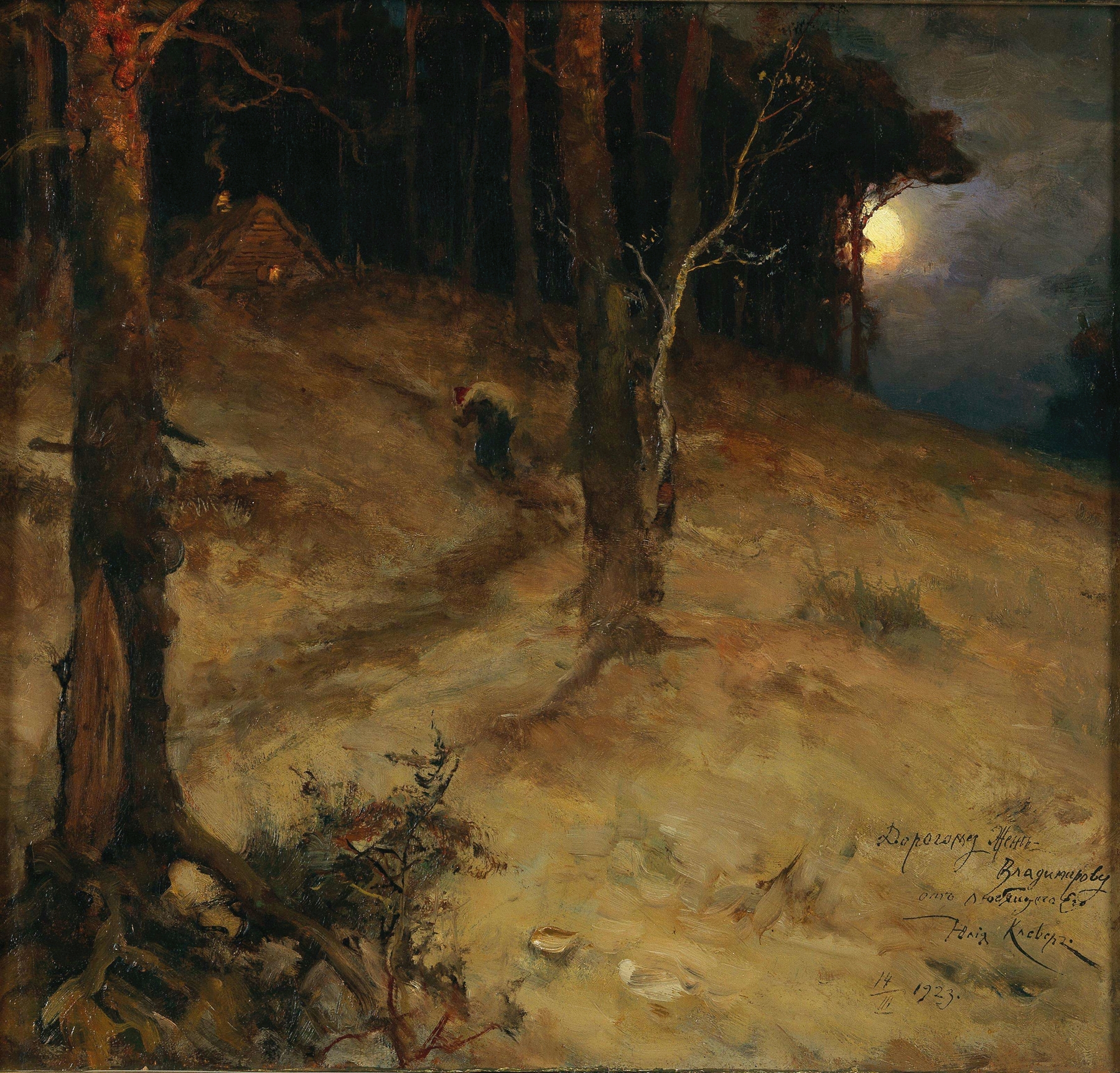
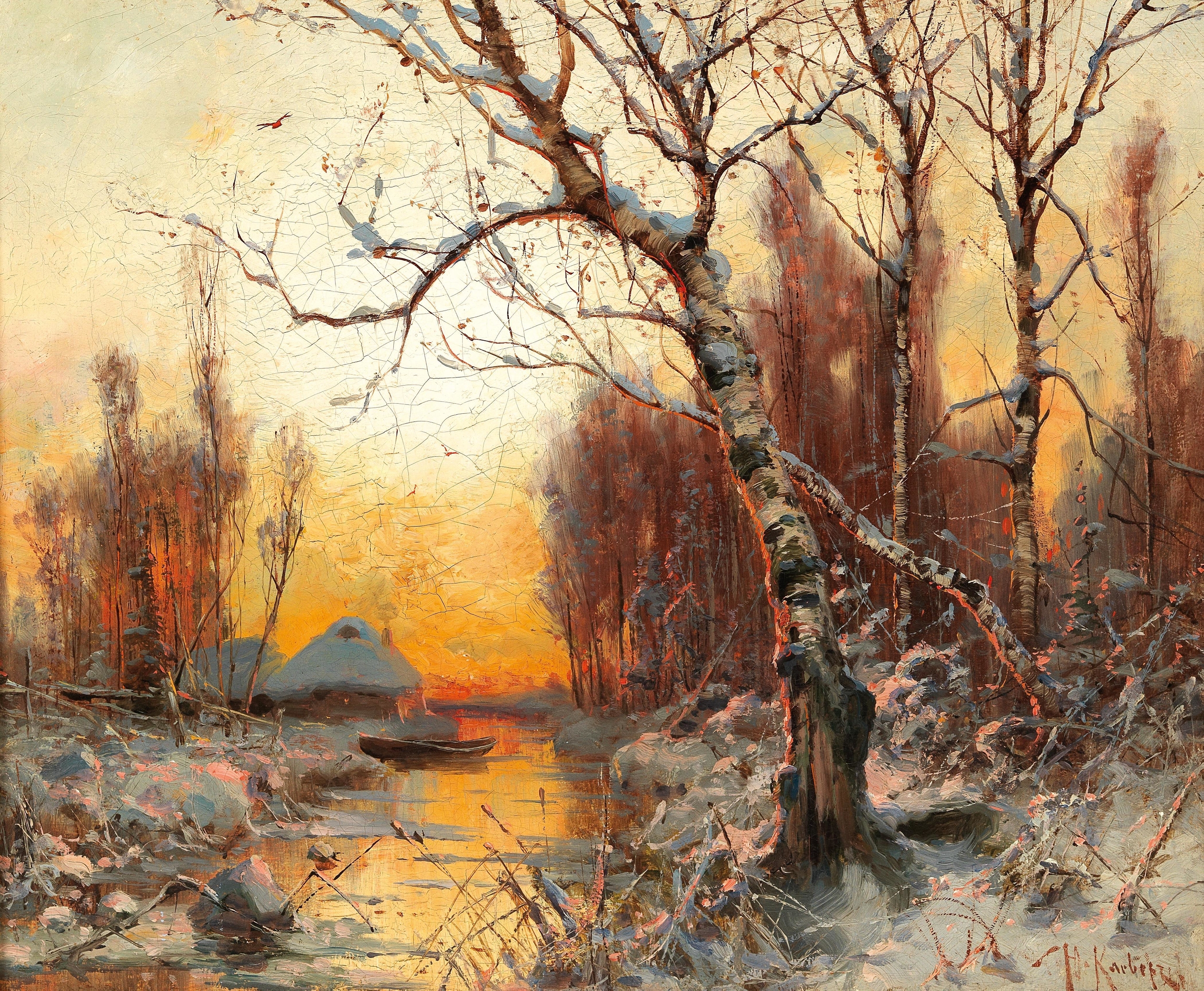
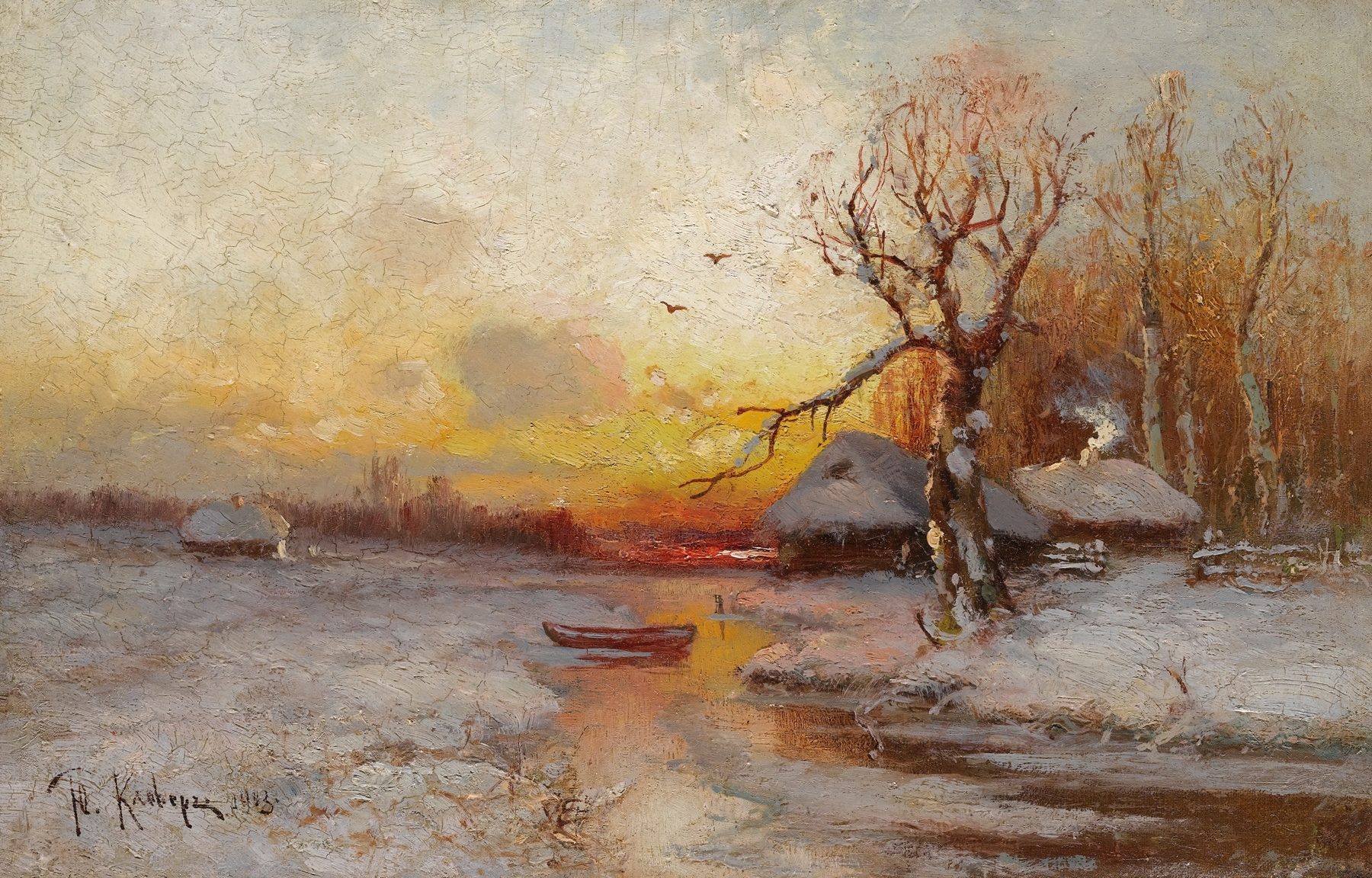
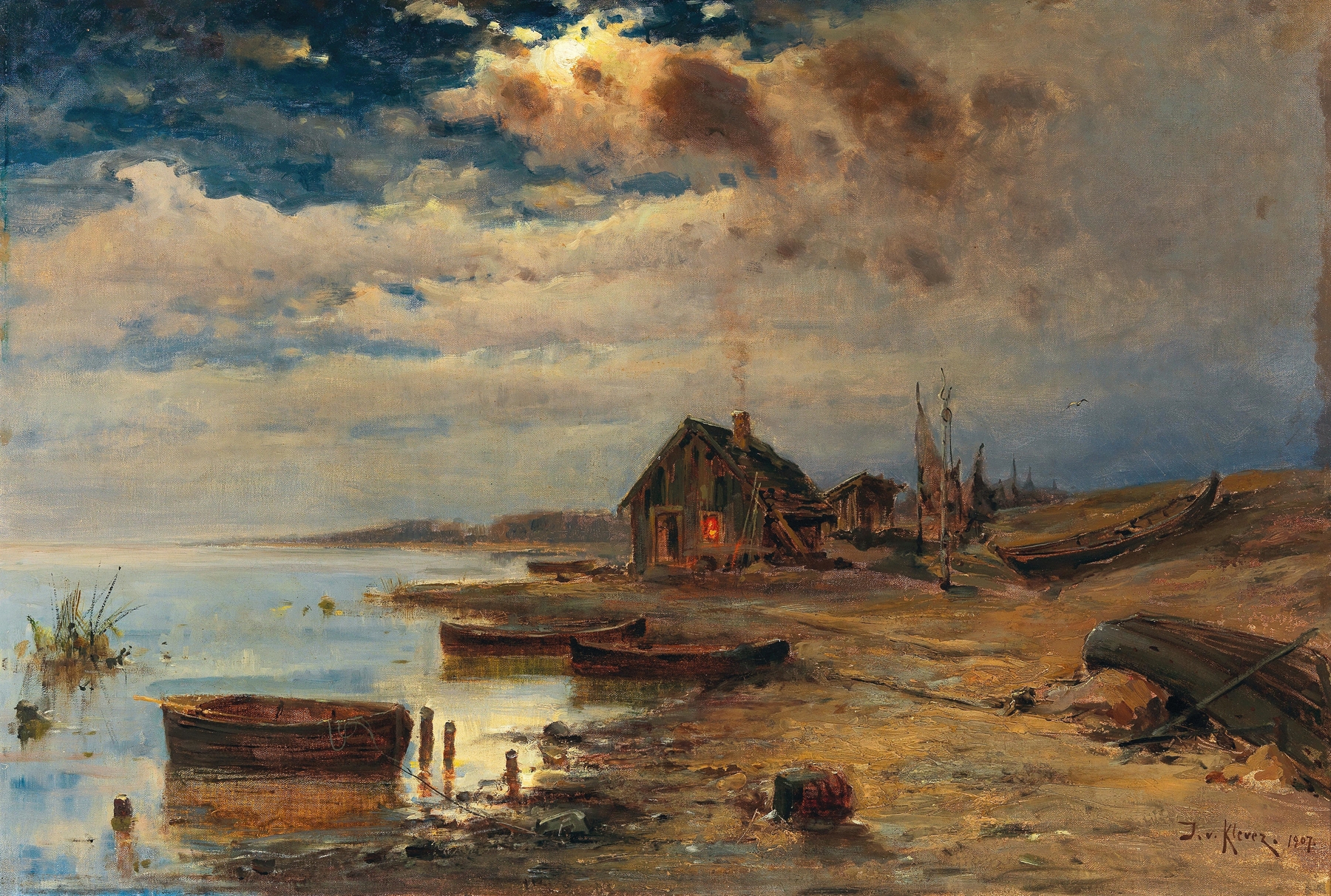
Can paint confess what words never could? The yearning embedded in a sunset breathes life into the canvas, as shadows dance with light, whispering untold stories of longing. Look to the horizon, where vibrant oranges and deep purples collide in a breathtaking display. The sky seems to bleed into the treetops, their silhouettes etched against the luminous backdrop. Notice how the brushstroke technique captures the ethereal glow, evoking an emotional resonance that transcends mere representation.
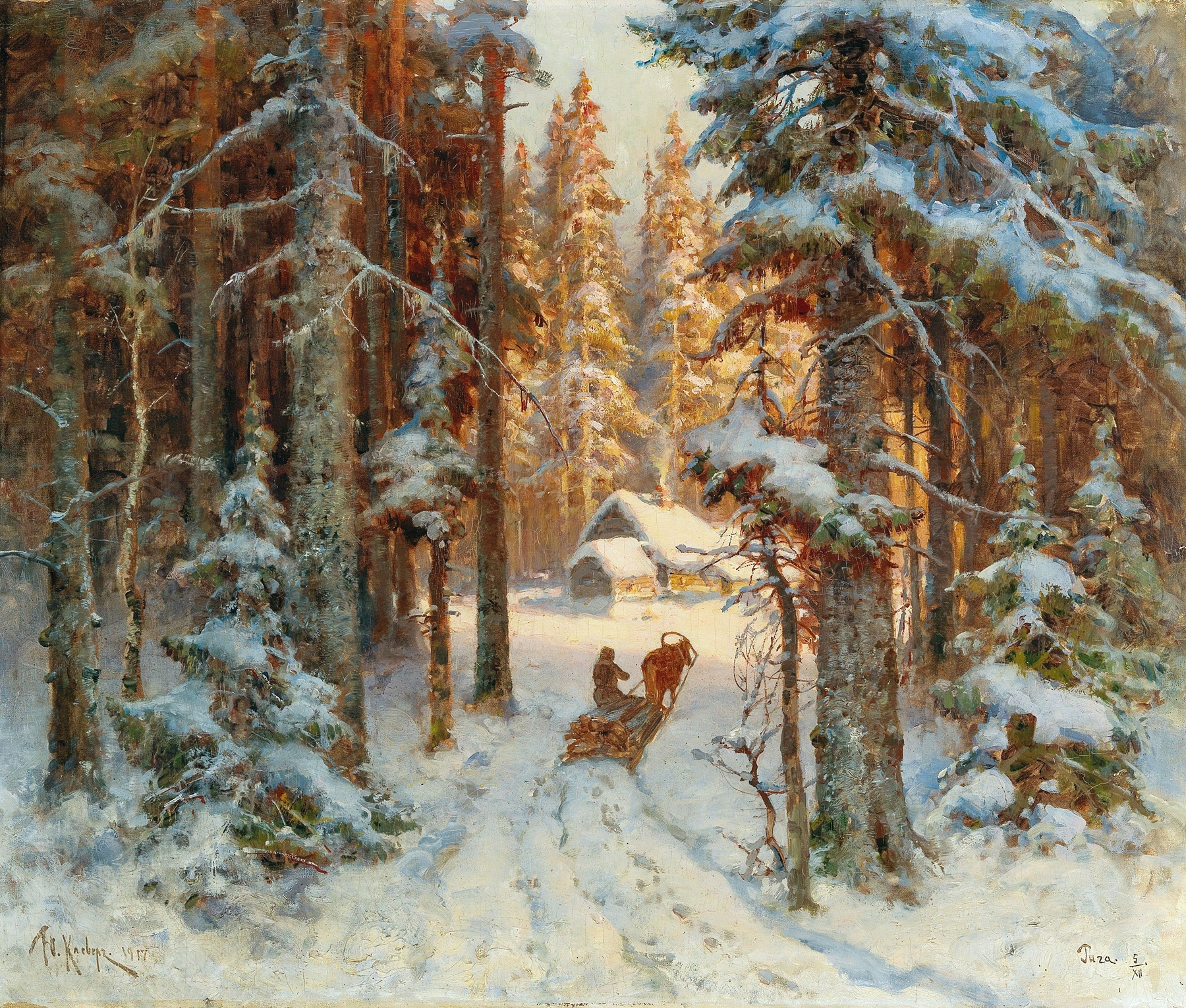
The composition draws the eye from the foreground, where the darkening forest stands sentinel, to the radiant sunset, creating a dialogue between light and shadow. Within this natural scene lies a profound tension—the juxtaposition of the vibrant, fleeting sunset and the steadfast, silent trees. Each element embodies a different facet of longing: the trees rooted in place and the sky aflame with transience. The interplay of colors suggests an ephemeral beauty that invites reflection on the inevitable passage of time. It reminds us that longing is not just about what is sought but also about the moments that slip away, leaving behind a bittersweet ghost.
At the time this work was created in 1912, the artist was residing in St. Petersburg, where the art scene was in a state of transformation. The echoes of Impressionism were fading, giving way to a burgeoning appreciation for expressionism and more personal interpretations of nature. Klever's exploration of light and color during this period mirrors the greater artistic quest for emotional depth, suggesting a world both familiar and profoundly intimate.