Fragment starego domu — History & Analysis
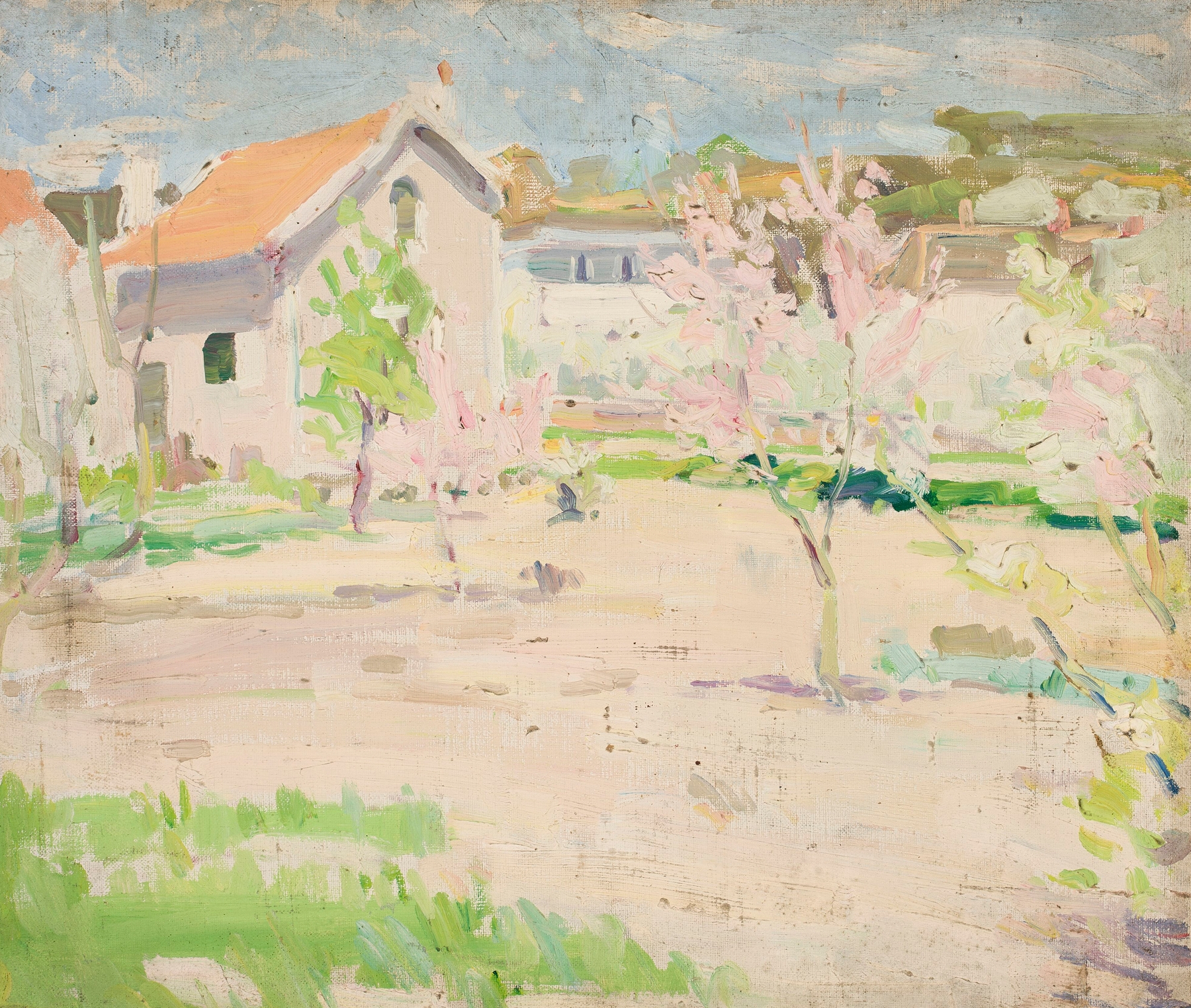
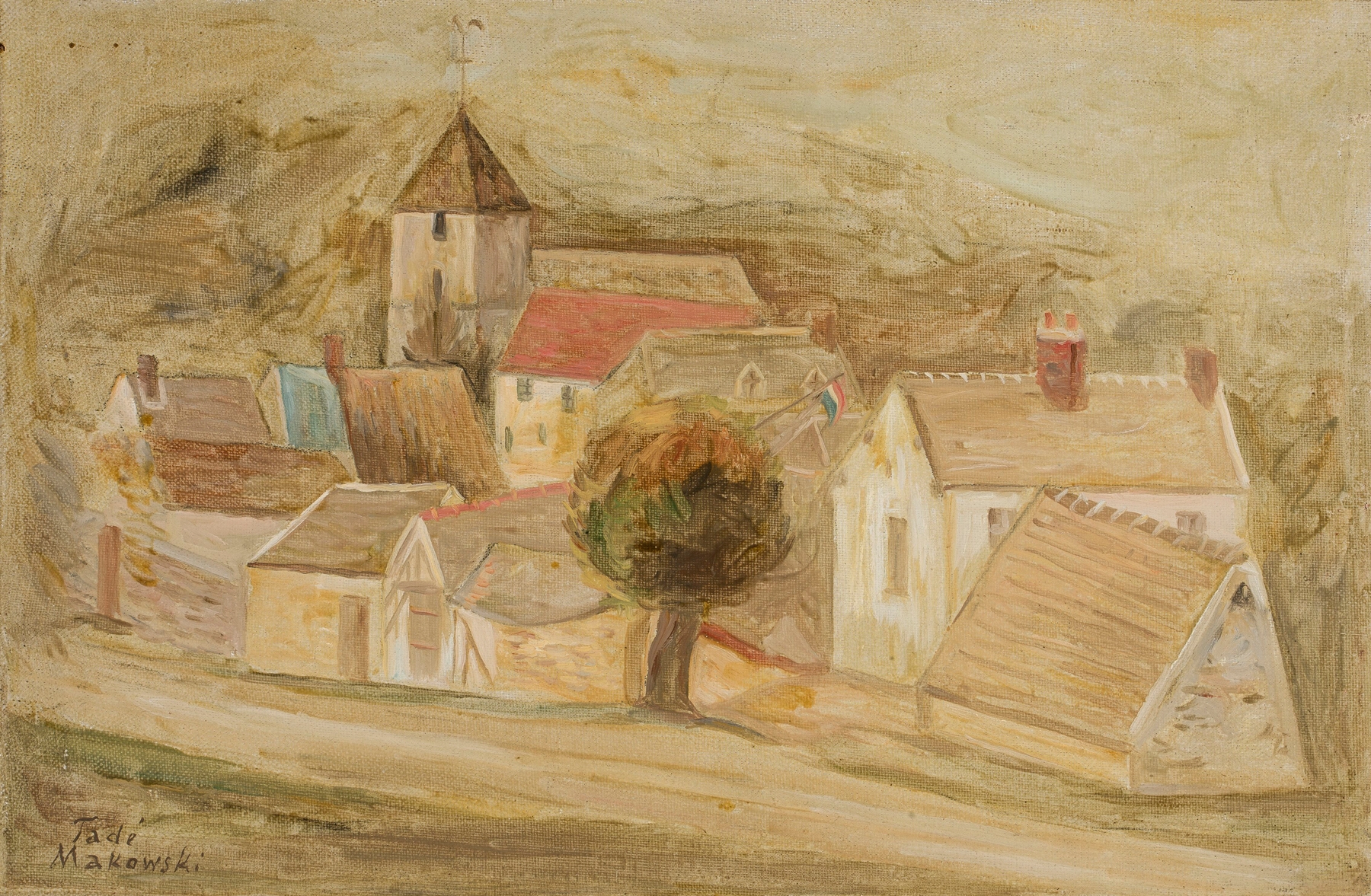
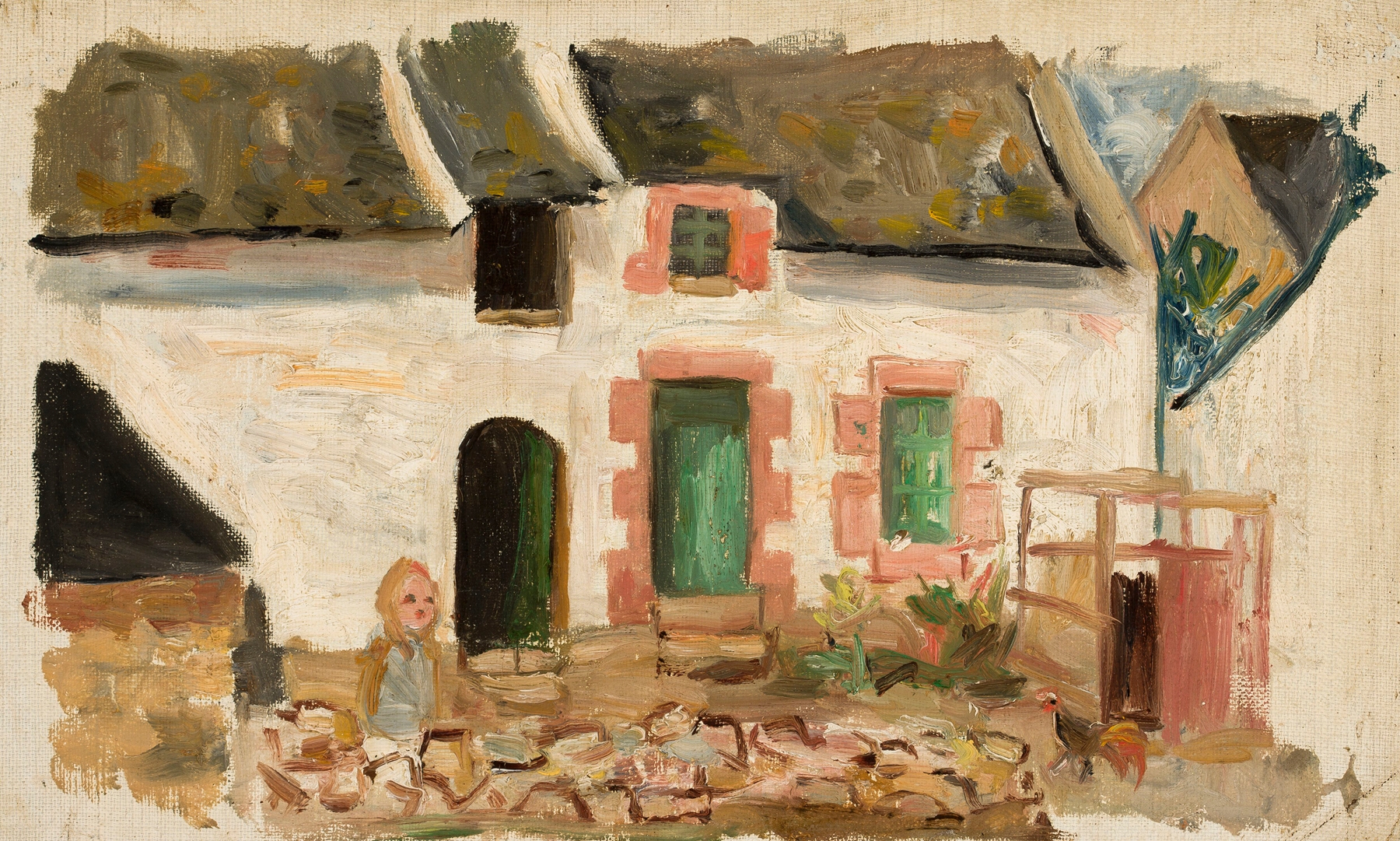
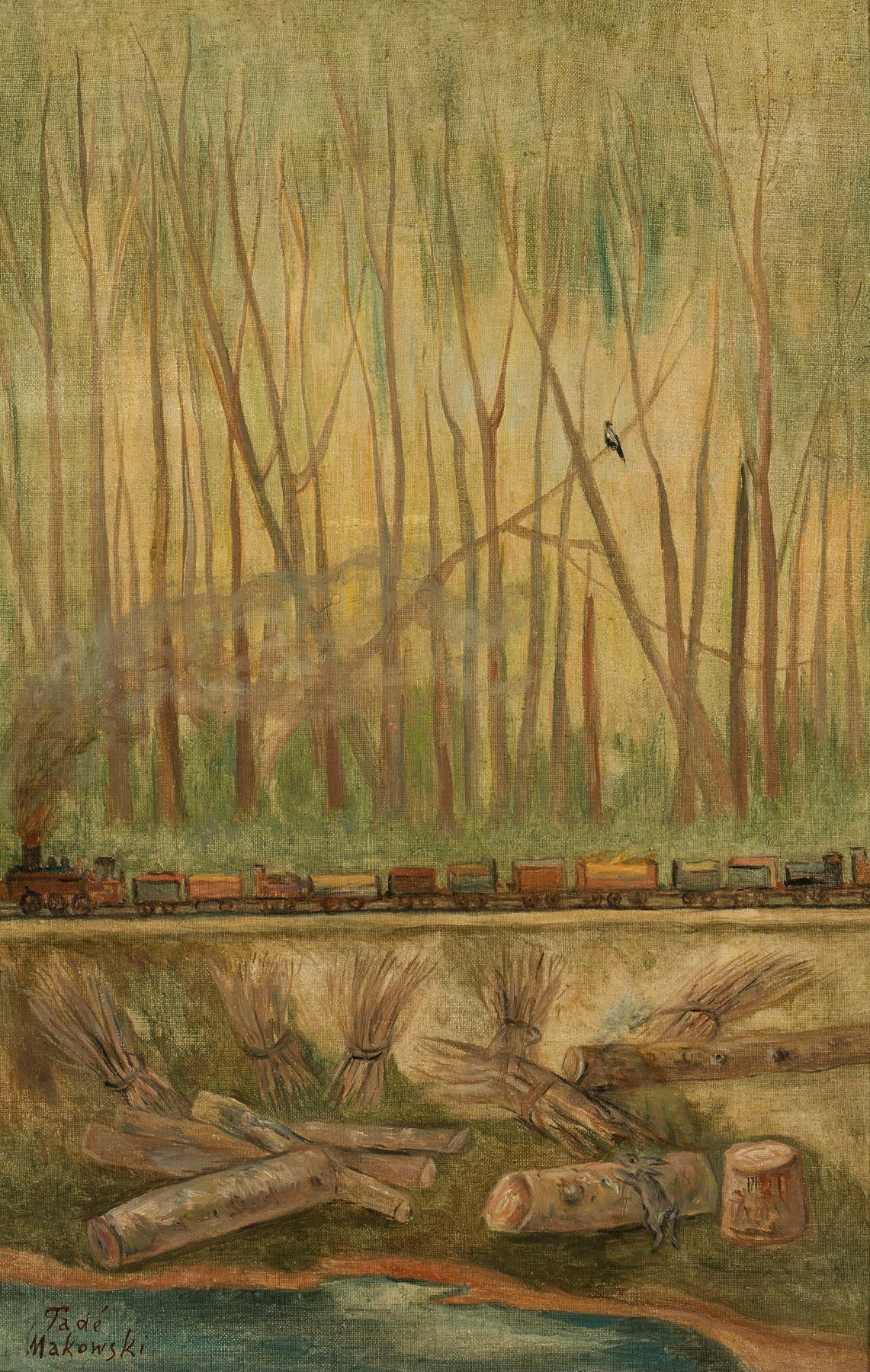
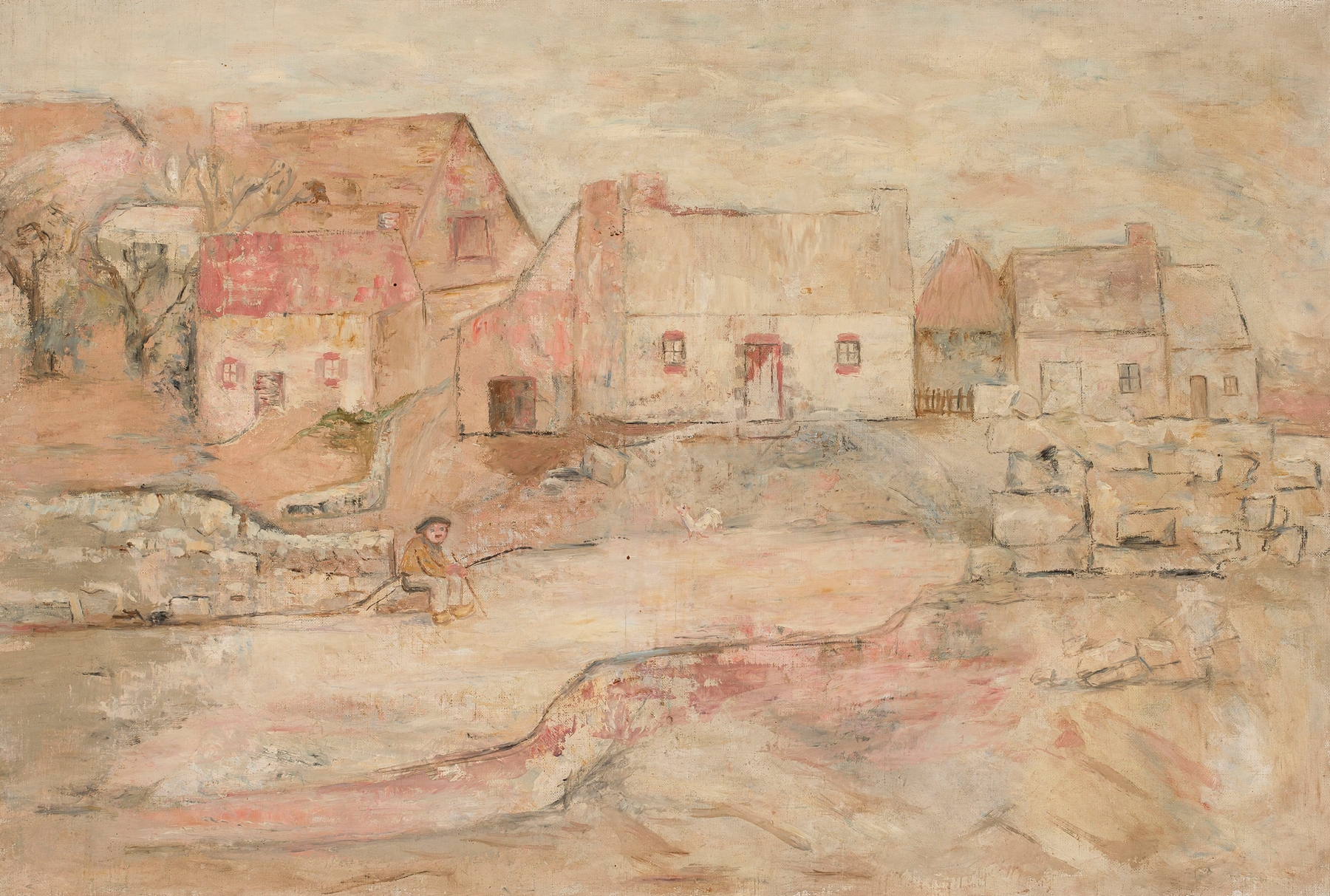
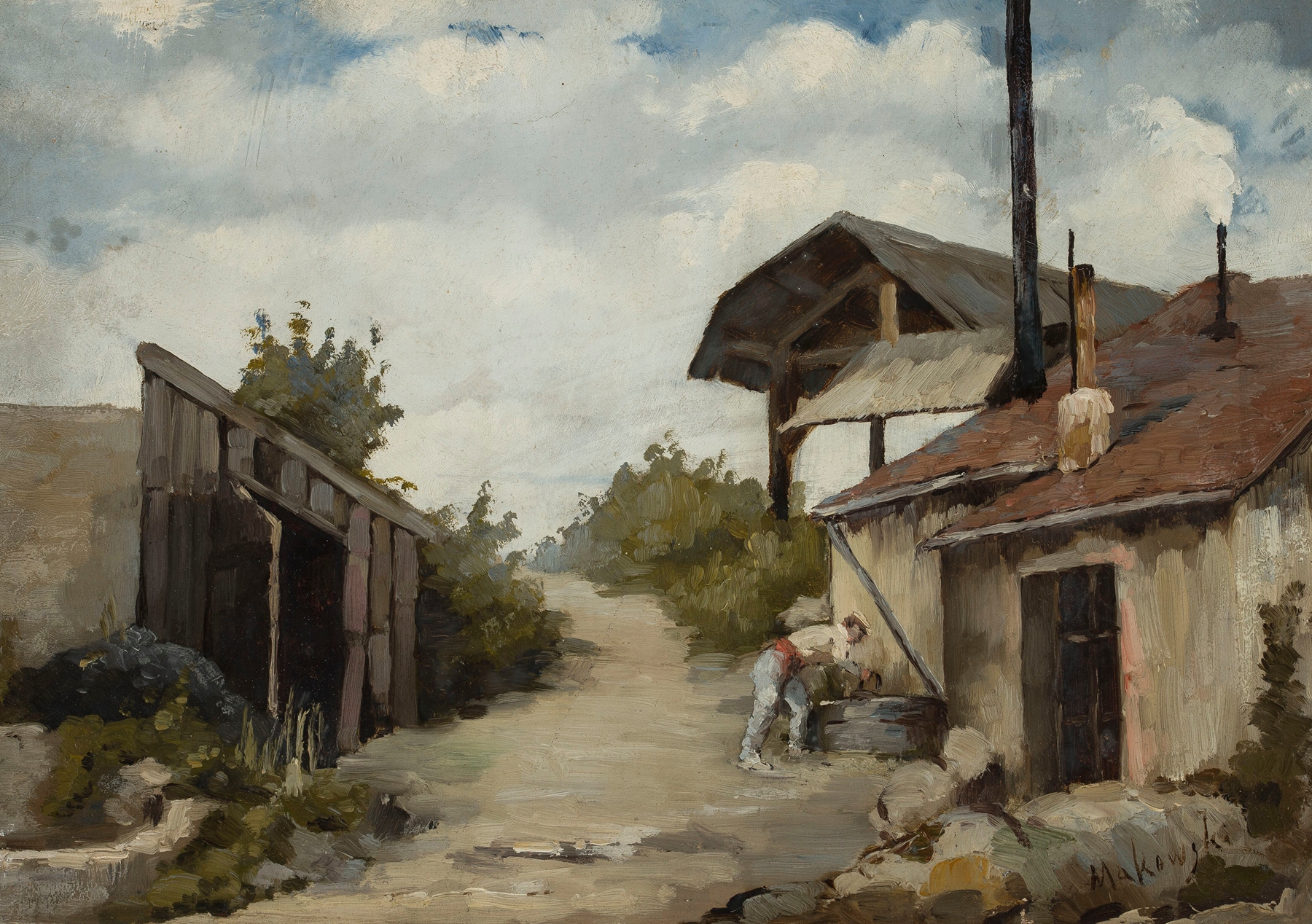
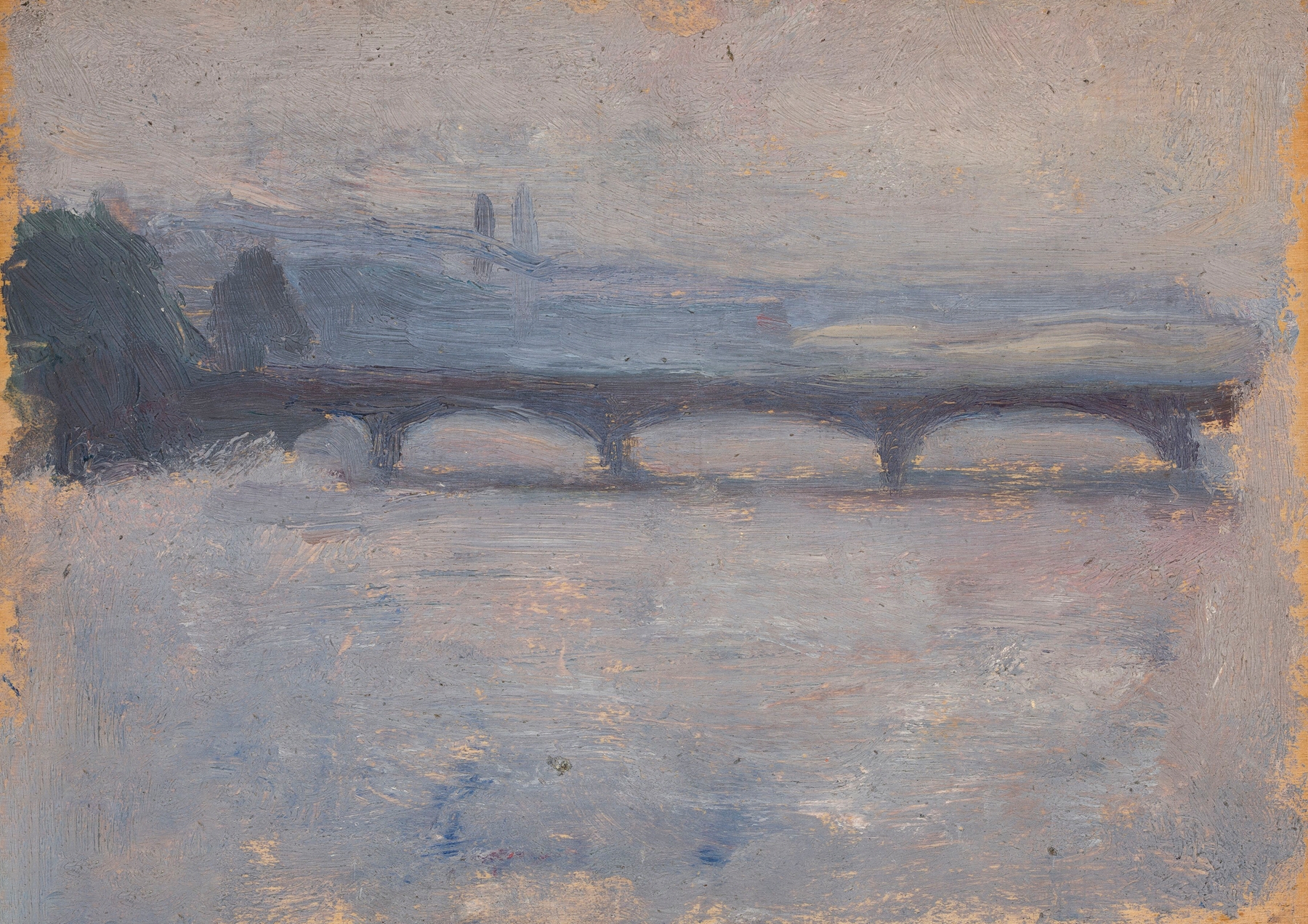
Can beauty exist without sorrow? In the aftermath of change, the echoes of history linger, shaping our perceptions and our art. Focus on the fragmented elements of the composition, where splintered shapes and muted colors create a haunting yet intriguing tableau. Look closely at the textured surfaces, where layers of paint reveal both vulnerability and resilience.
The carefully arranged forms draw the eye across the canvas, guiding us through the remnants of a once-familiar structure, punctuated by hints of warmth that suggest life amidst decay. The interplay of light and shadow invites contemplation of what has been lost, while the absence of figures evokes a profound sense of solitude. Each brushstroke whispers stories of resilience and dislocation, reflecting the broader turmoil of a society teetering on the brink of revolution. The distances between the fractured pieces mirror the emotional chasms felt during times of upheaval, provoking a poignant dialogue between past and present.
In 1920, Tadeusz Makowski created Fragment starego domu during a time of significant political and social change in Poland. The aftermath of World War I and the subsequent struggle for national identity deeply influenced artists, prompting explorations of themes like loss and transformation. Makowski, grappling with his own artistic voice, drew upon his experiences and observations, crafting a work that transcends its immediate context, resonating with universal truths about the human condition.