Landscape of a small town with children in a pram — History & Analysis
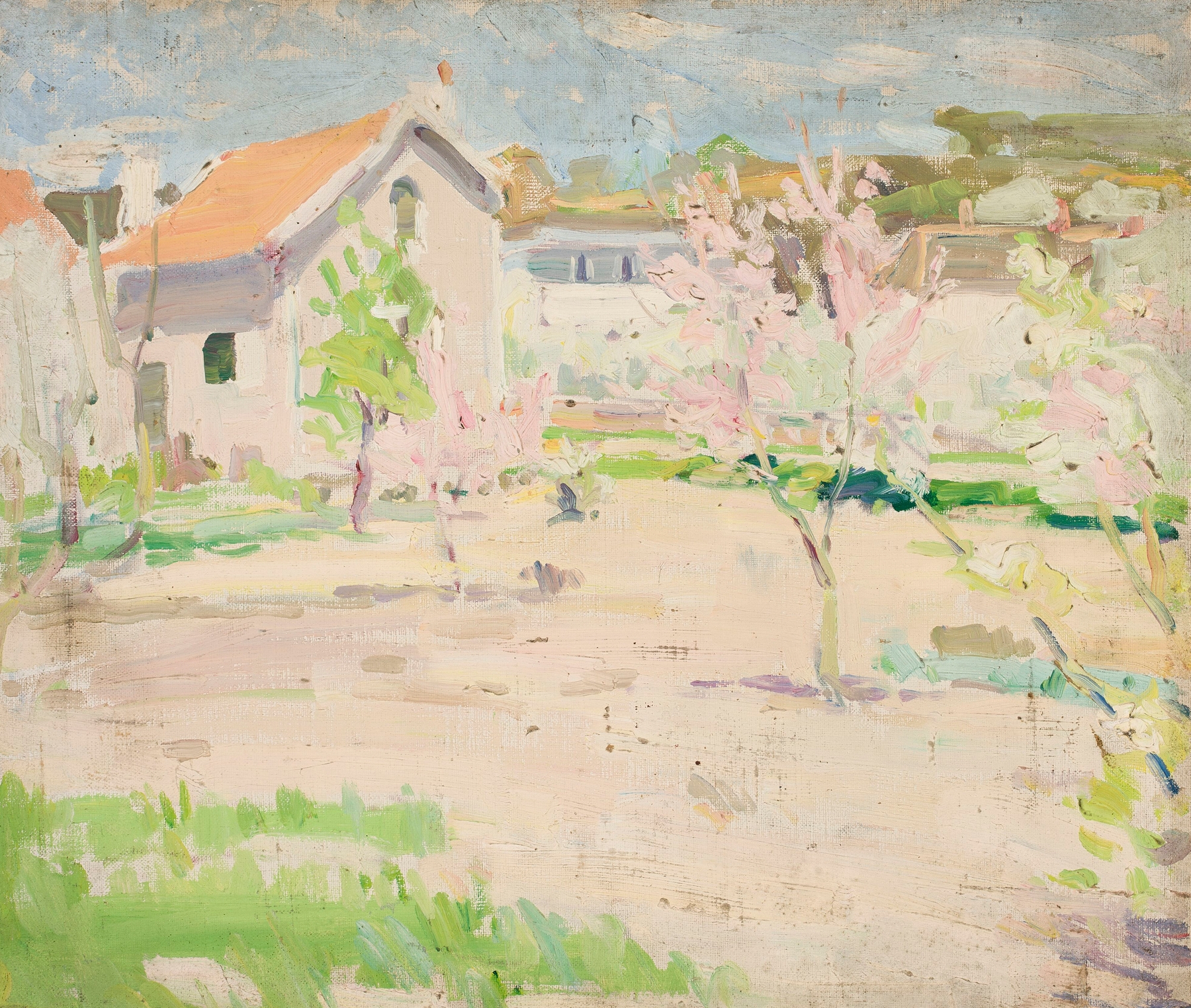
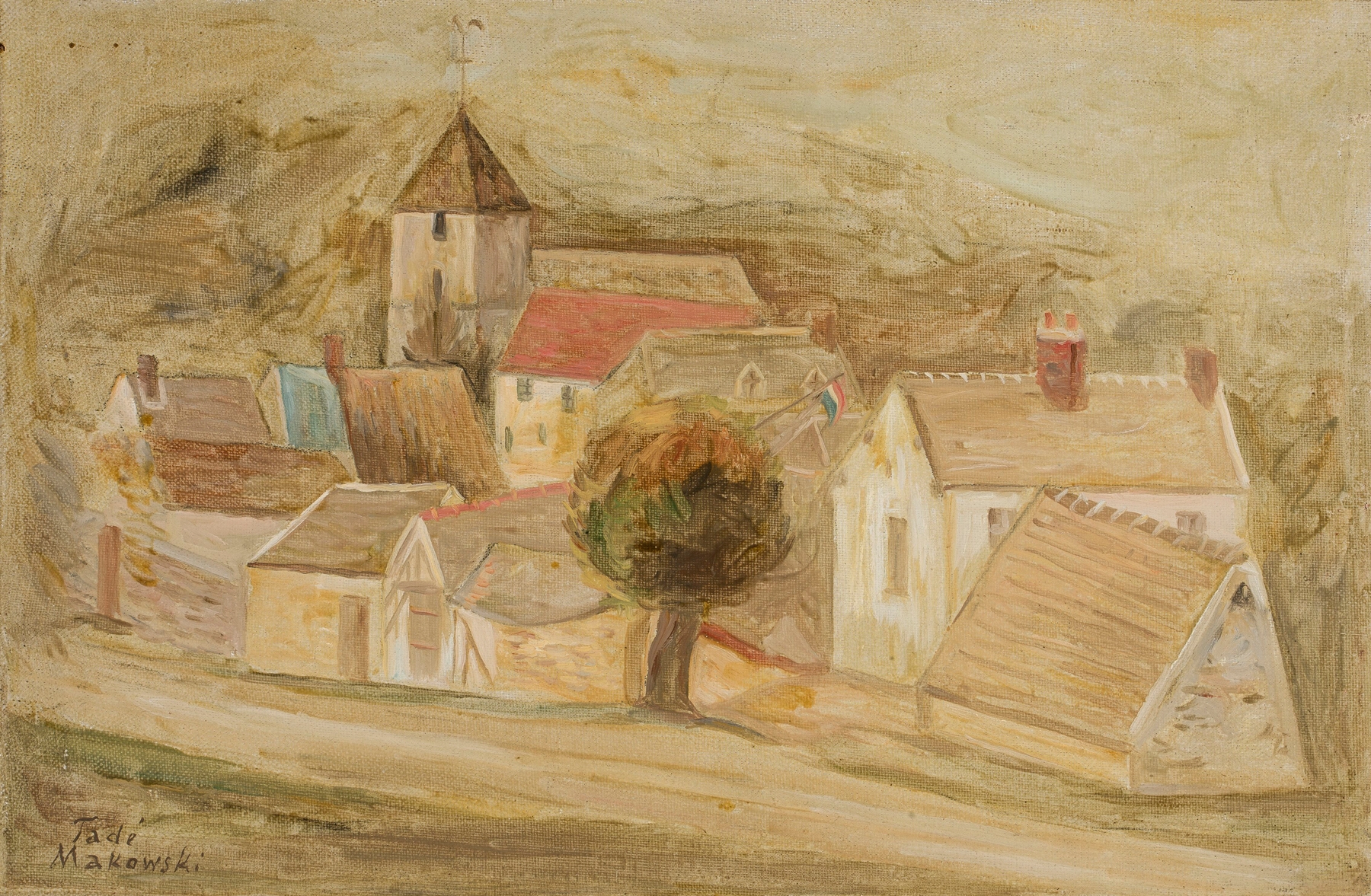
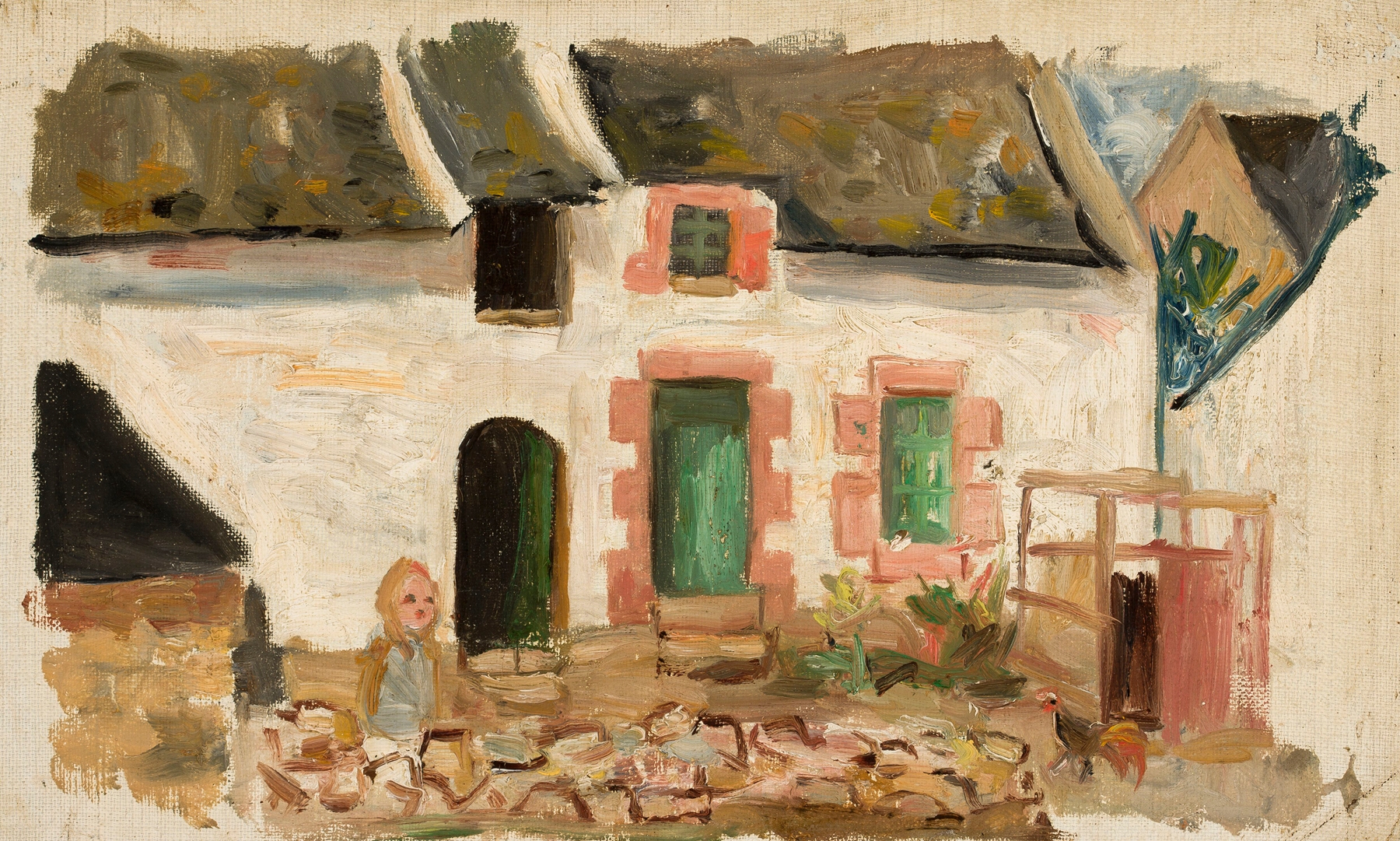
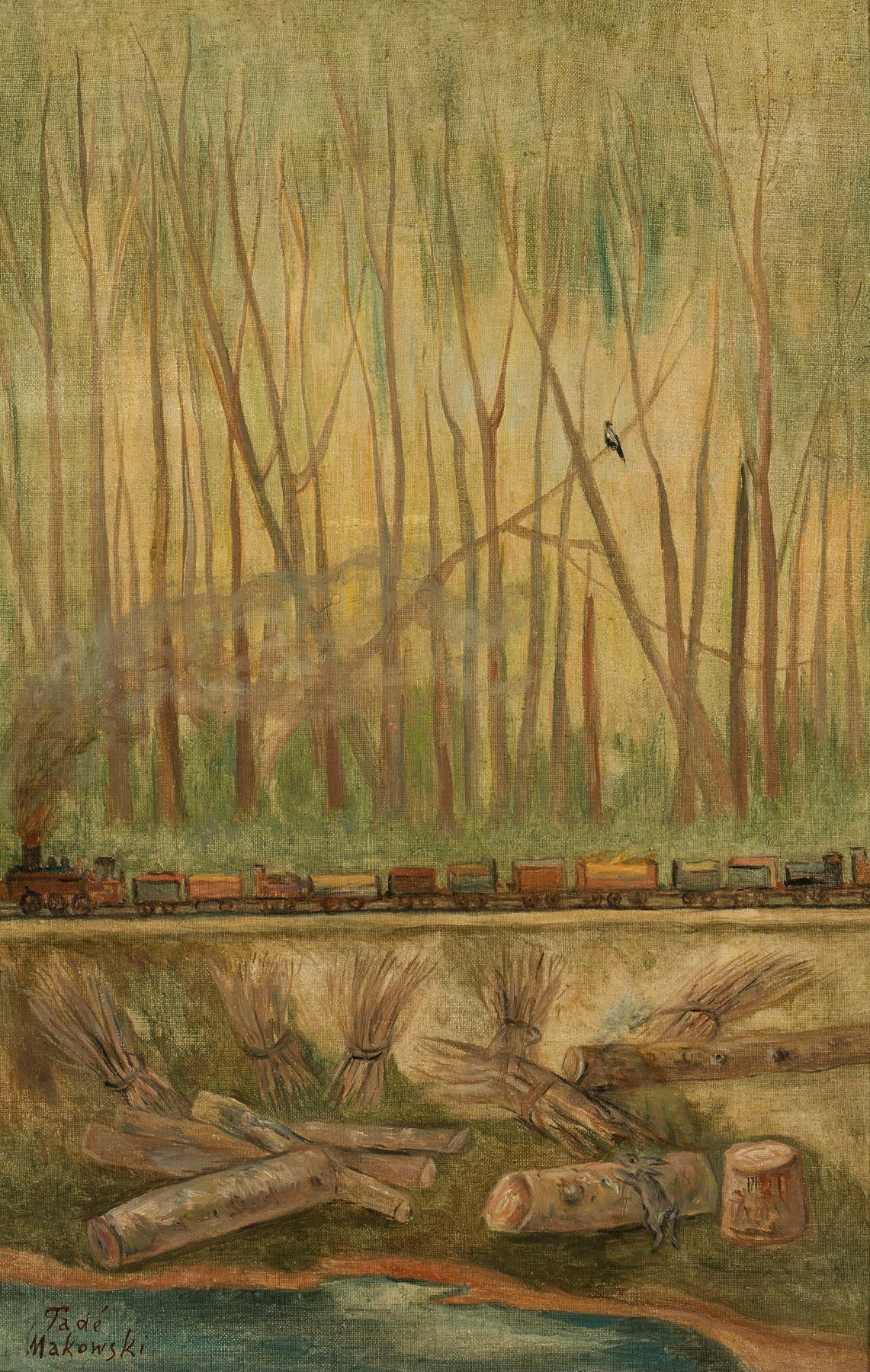
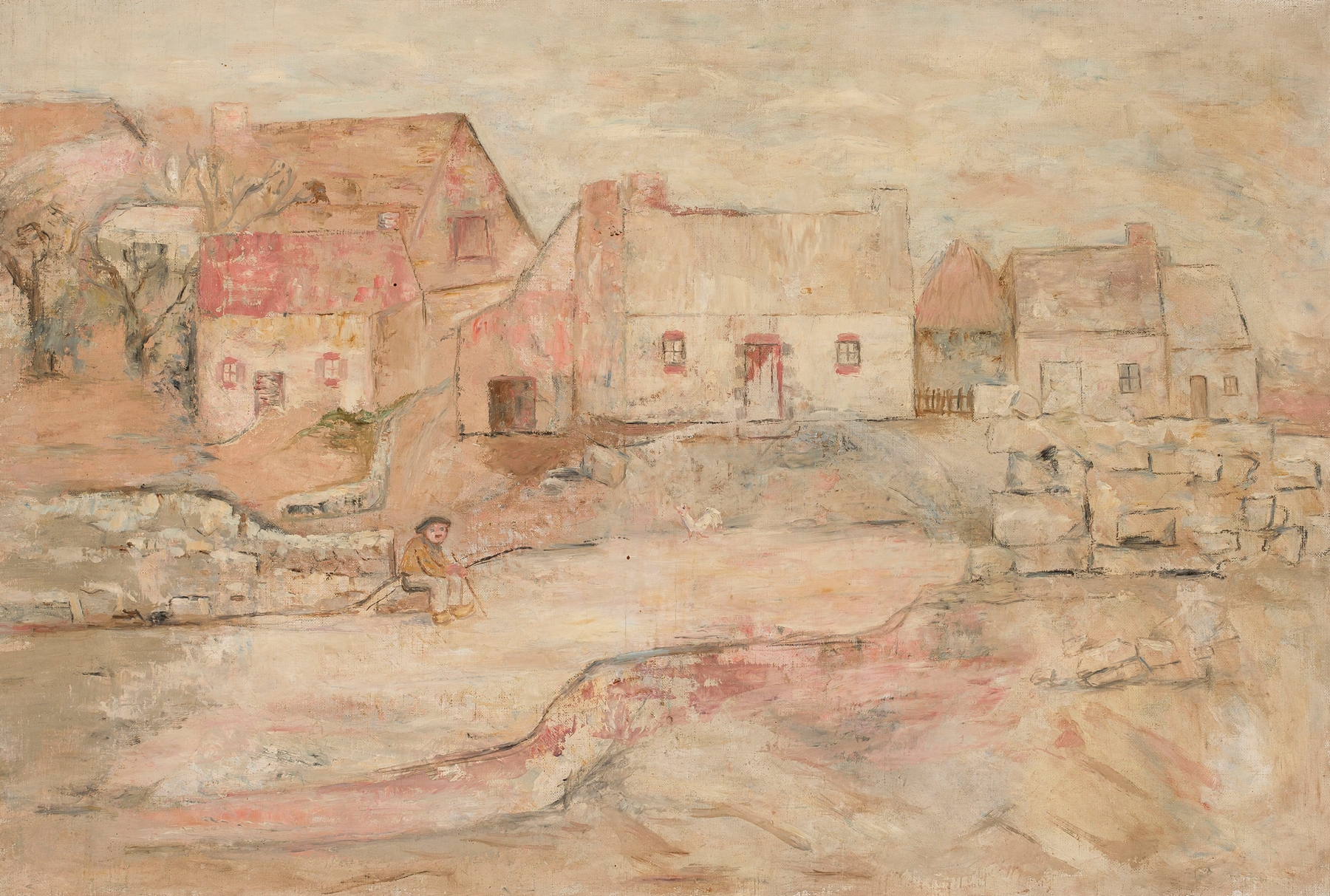
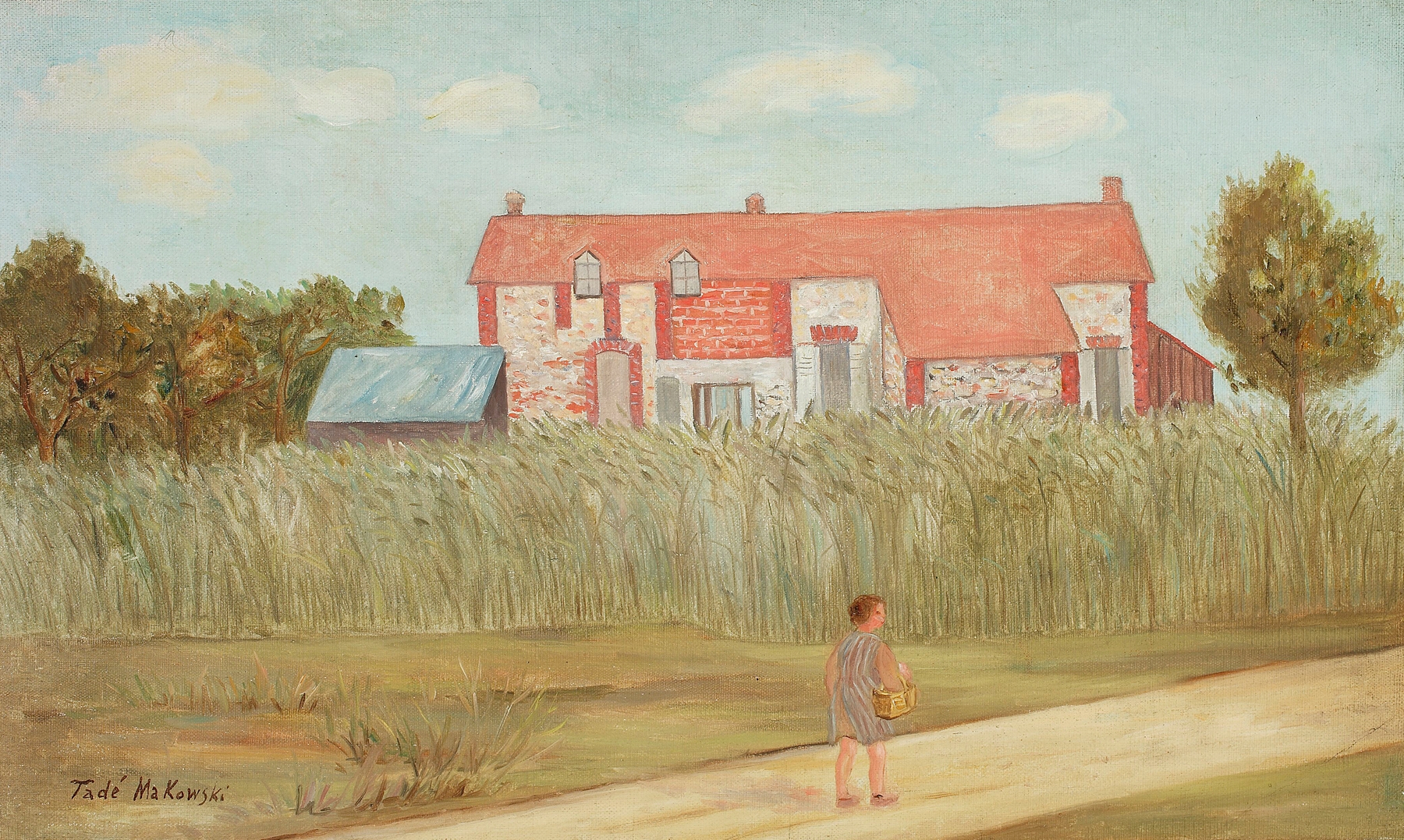
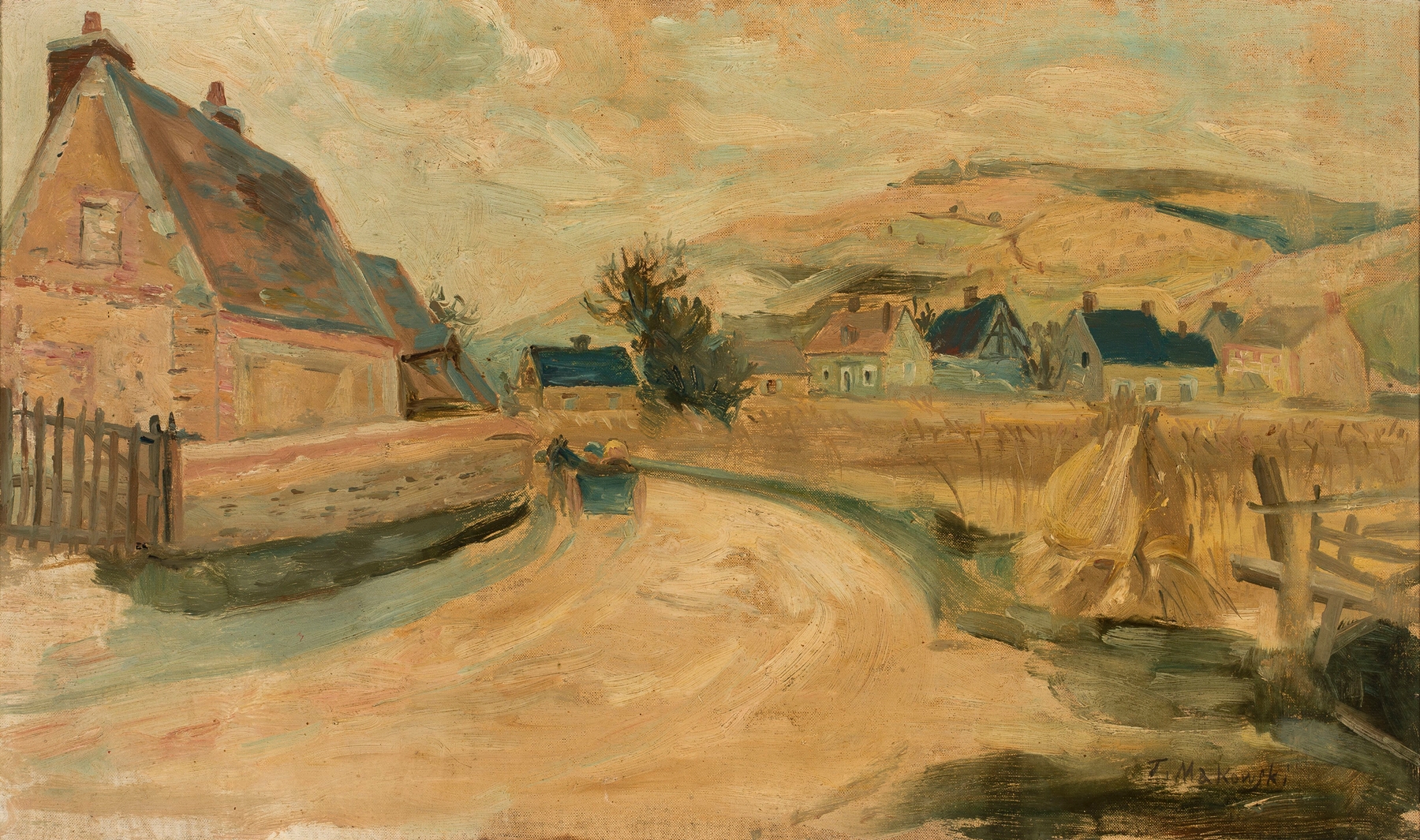
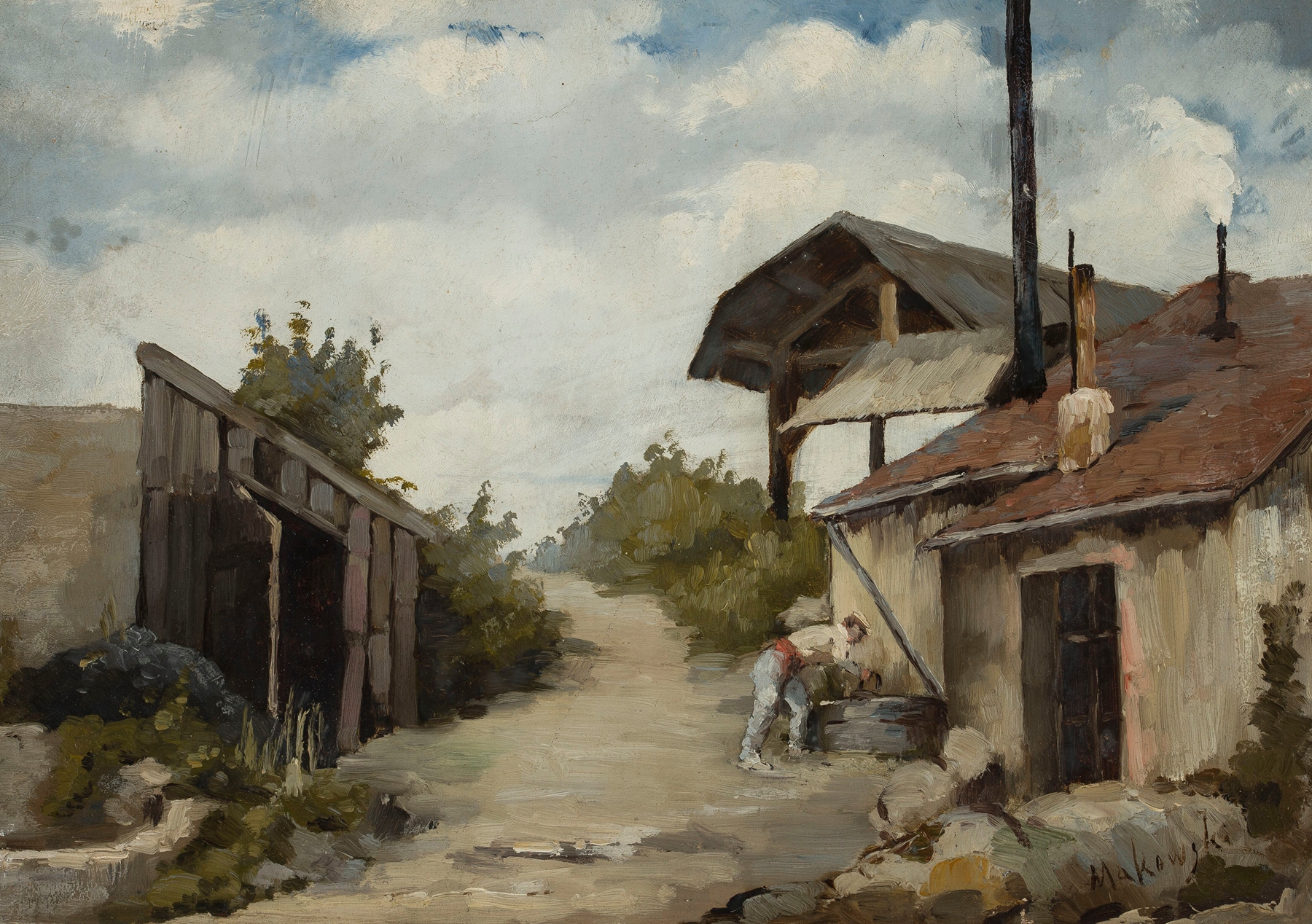
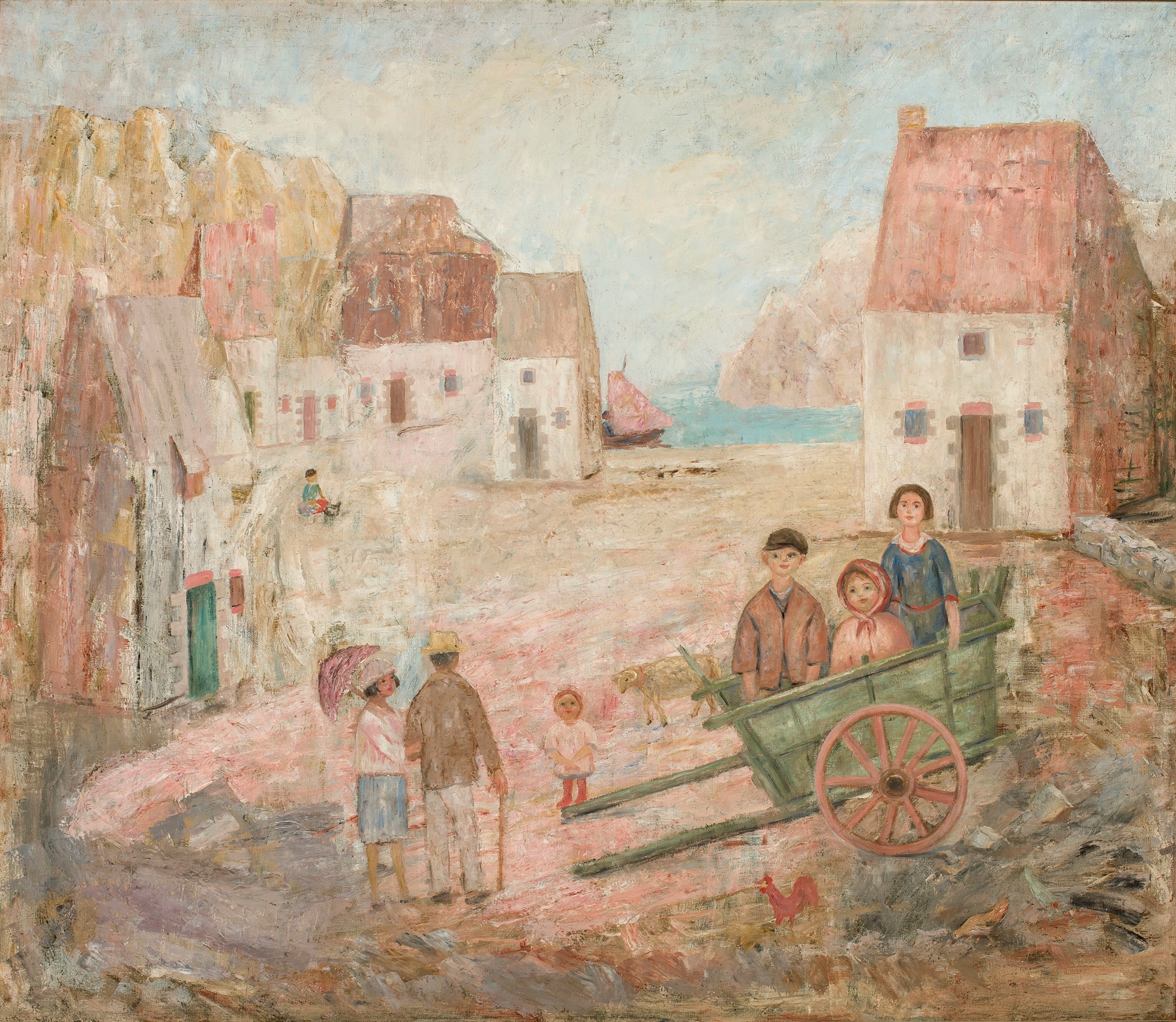
Can paint confess what words never could? In the tender confines of Tadeusz Makowski's Landscape of a small town with children in a pram, the brush strokes evoke a profound sense of loneliness that lingers in the air. The essence of this emotion resonates through the vibrant yet muted colors, allowing the viewer to delve into the quiet complexity of life. Look to the right at the delicate pram, where a single child rests, cradled in a world that feels both inviting and isolating.
The earthy tones of the town's buildings stand in contrast to the soft pastel hues of the sky, creating a visual warmth that belies the solitude of the scene. Notice how the angular lines of the architecture draw the eye upward, yet the child remains firmly anchored to the ground, embodying stillness amidst the bustling world of adults, hinting at disconnected joy. Within this landscape, the juxtaposition of the serene child and the distant figures emphasizes the emotional distance often felt in communal spaces. The way the pram is positioned invites contemplation, suggesting that companionship can exist alongside profound solitude.
Each element—the quiet street, the distant chatter of adults—creates a layered narrative about the quiet struggles of childhood and the innate yearning for connection. In 1924, Makowski painted this piece during a period marked by artistic exploration and the impact of the post-war landscape on European life. Living in Paris but drawing inspiration from his Polish roots, he embraced a form of expression that melded whimsy with melancholy. This painting reflects not only his personal grappling with identity and belonging but also the broader conversations about the human experience in the wake of societal shifts.