Merey village — History & Analysis
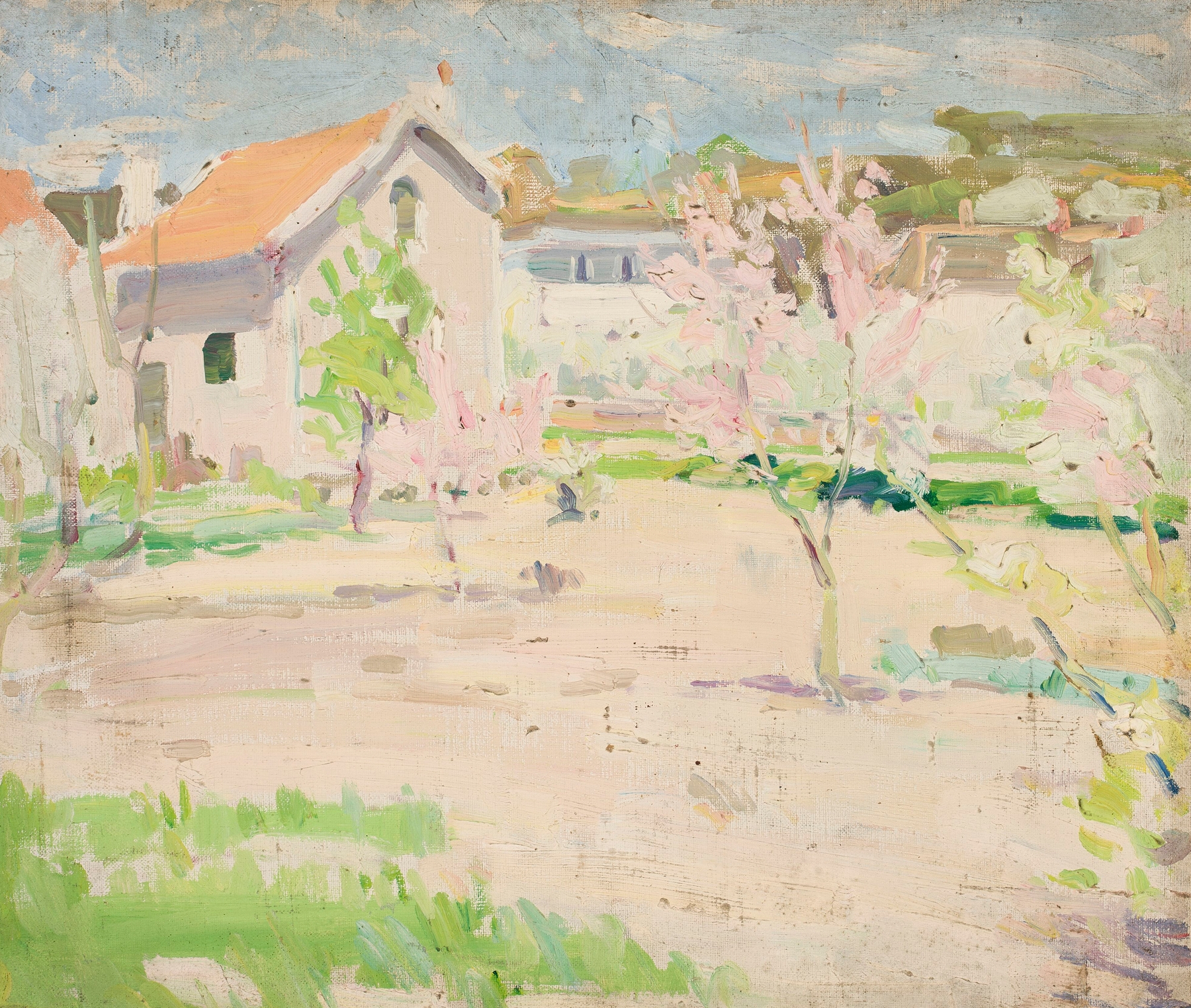
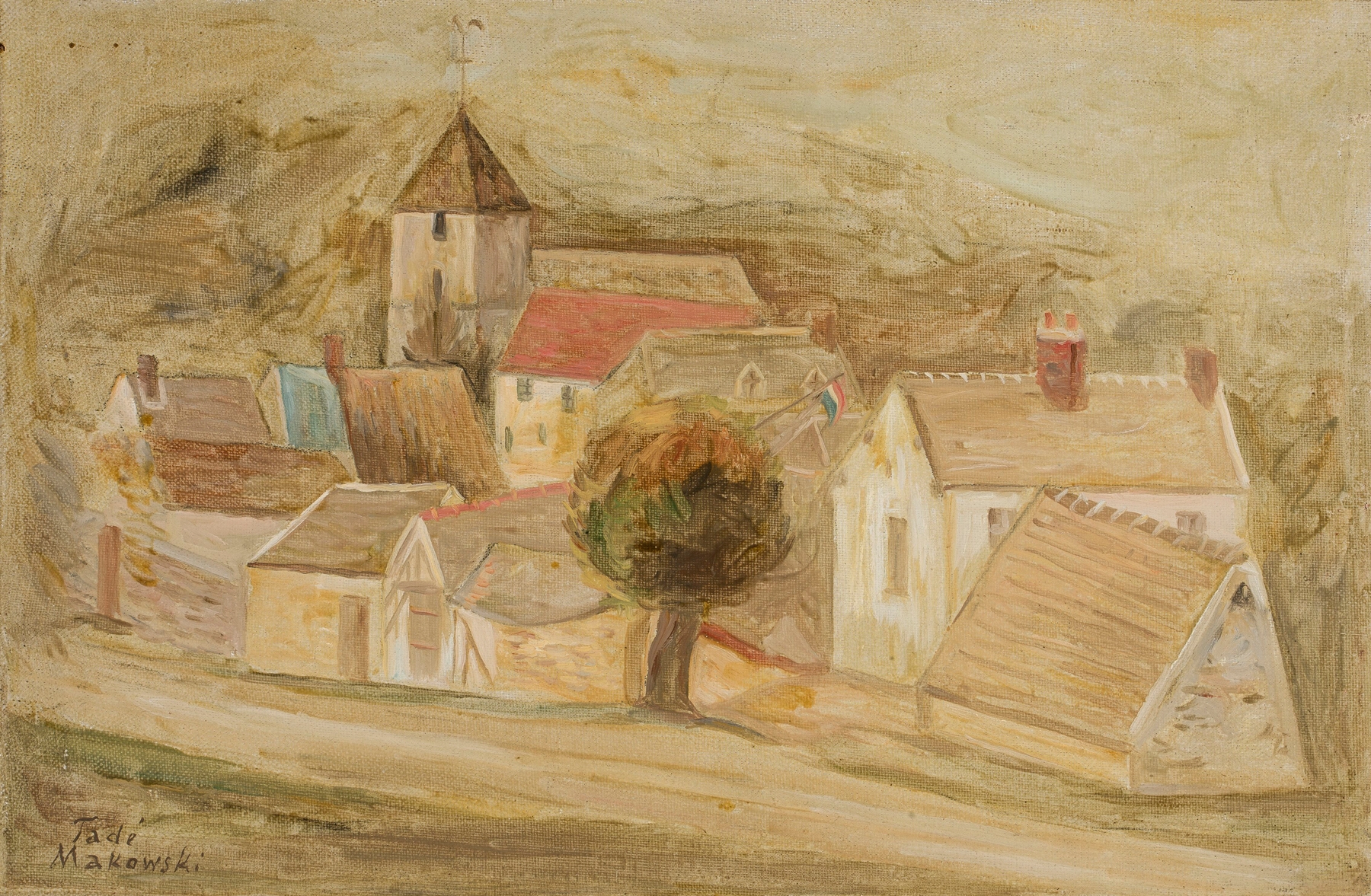
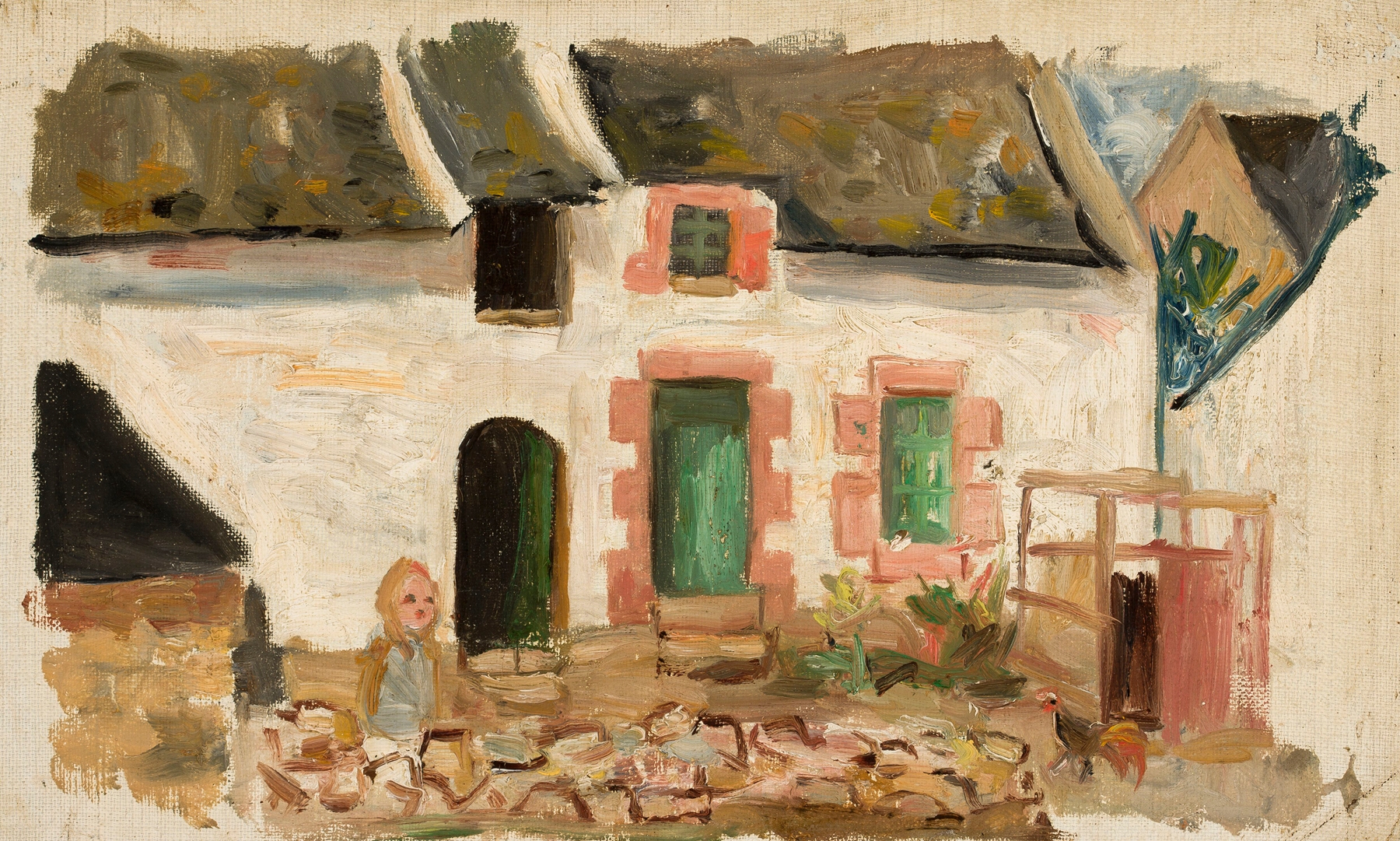
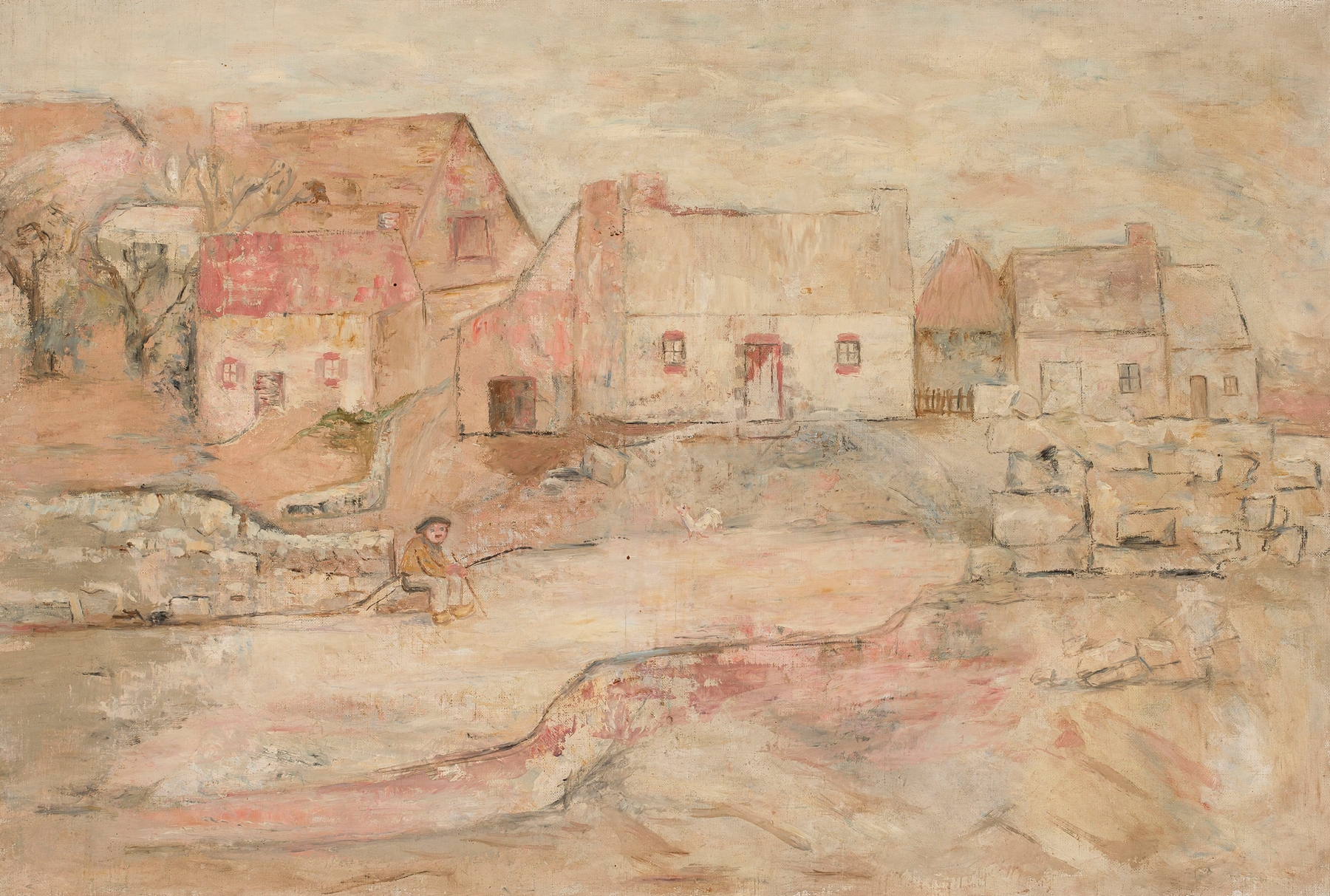
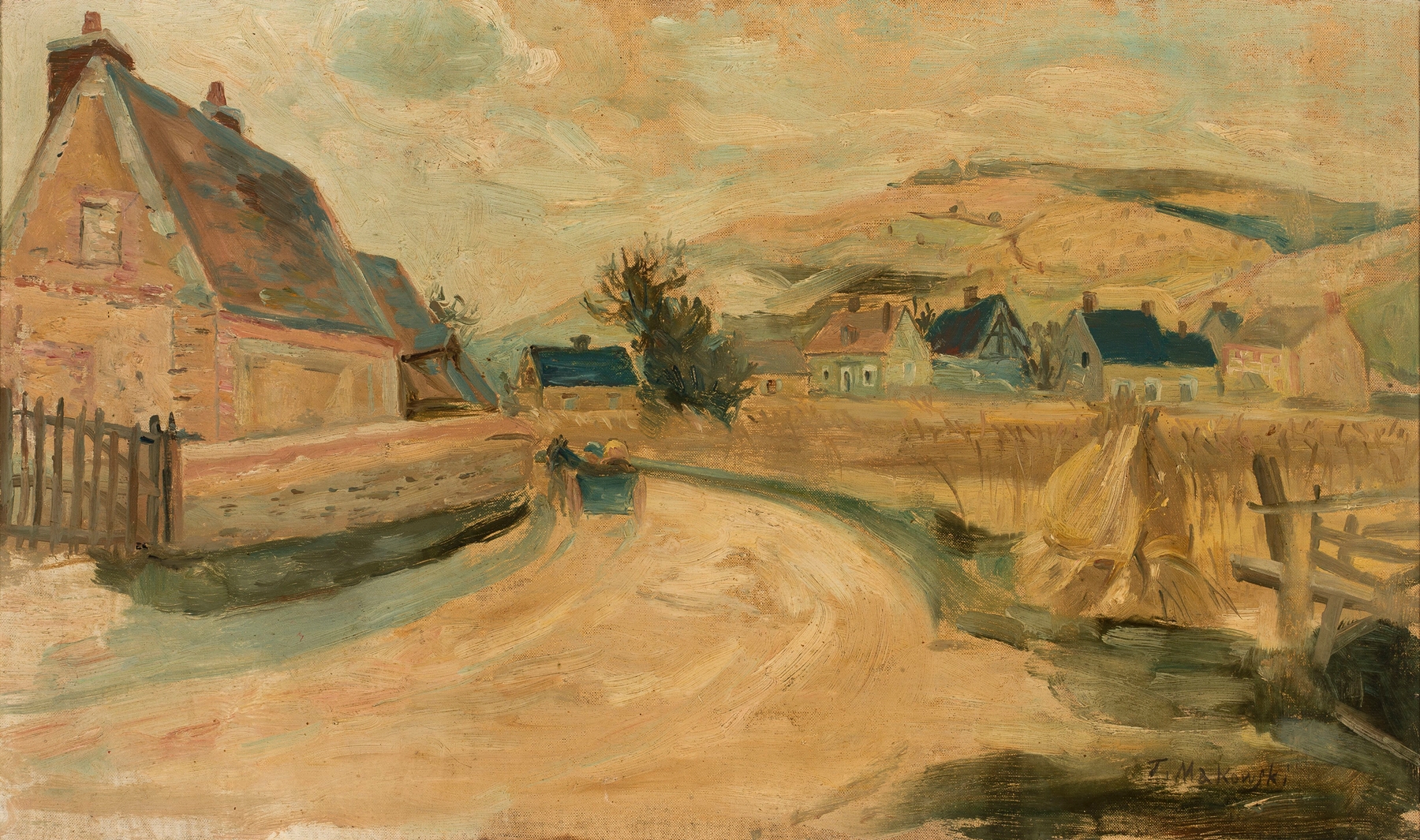
Can beauty exist without sorrow? In Merey village, the delicate balance between joy and melancholy captures the essence of truth woven through everyday life. Look to the left, where the gentle curve of a dirt path leads the eye towards quaint thatched-roof houses nestled against the verdant landscape. The soft, muted hues of ochre and green invite a sense of serenity, while the contrasting shadows cast by the sun reveal hidden depths of emotion.
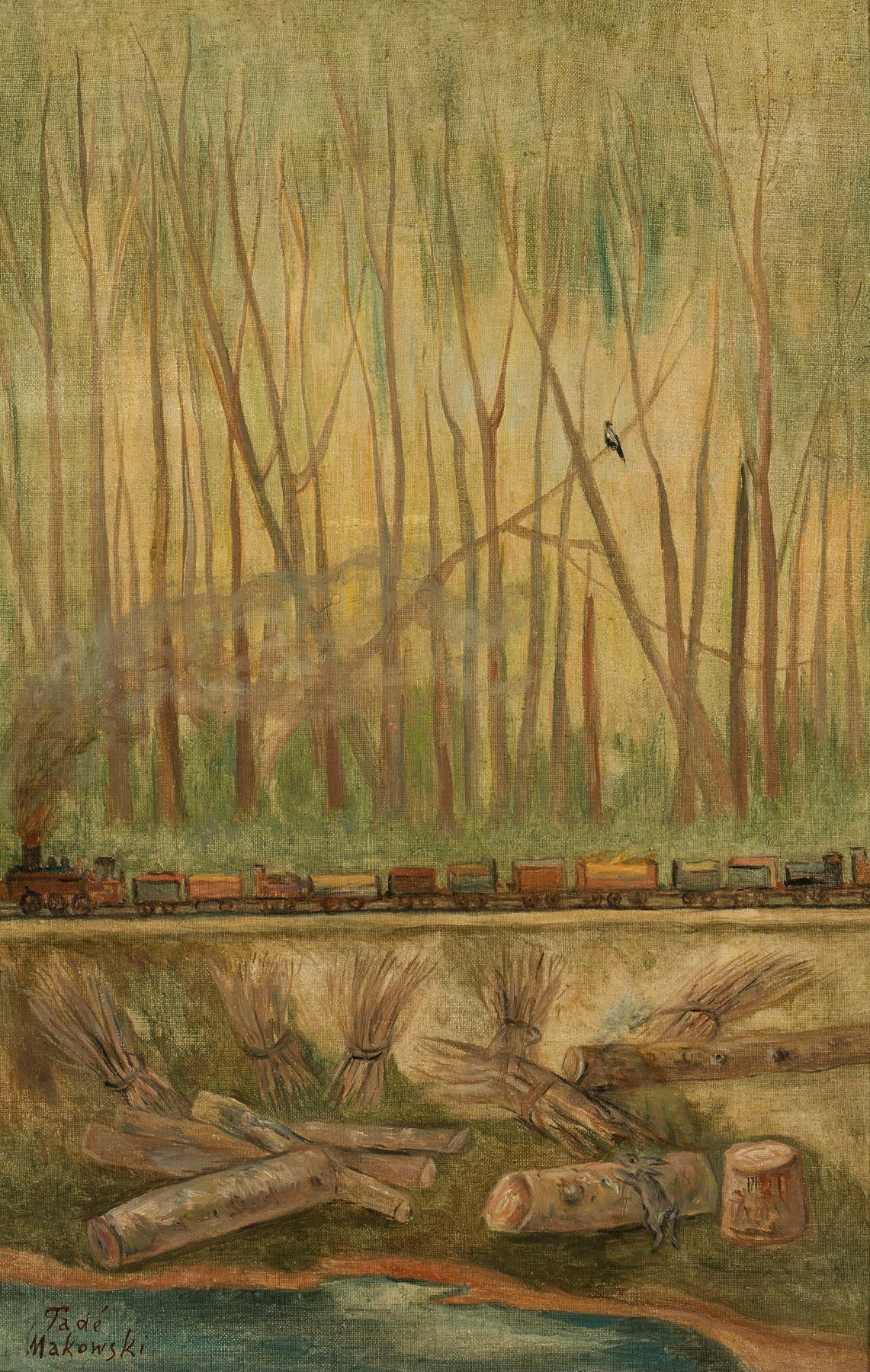
Notice how the brush strokes blend seamlessly, creating a harmonious composition that evokes both warmth and a hint of nostalgia, as if inviting the viewer to step back into a simpler time. Delve deeper into the details, and you’ll find subtle hints of life’s complexities. The way the light dances upon the surface of the houses suggests a fleeting moment of happiness, yet the barren trees in the background evoke a sense of longing. This interplay between light and shadow reflects the duality of existence, reminding us that beauty often coexists with underlying sorrow, revealing the struggles of the villagers who call this place home.
Tadeusz Makowski painted Merey village in 1926, during a period of personal and artistic exploration. Living in France at the time, he was influenced by the modernist movements that surrounded him, yet he remained deeply connected to his Polish roots. The world was shifting, and as Europe grappled with its post-war identity, Makowski turned to the pastoral scenes of his childhood, capturing the essence of rural life with a poignant sense of nostalgia and truth.