Miasteczko — History & Analysis
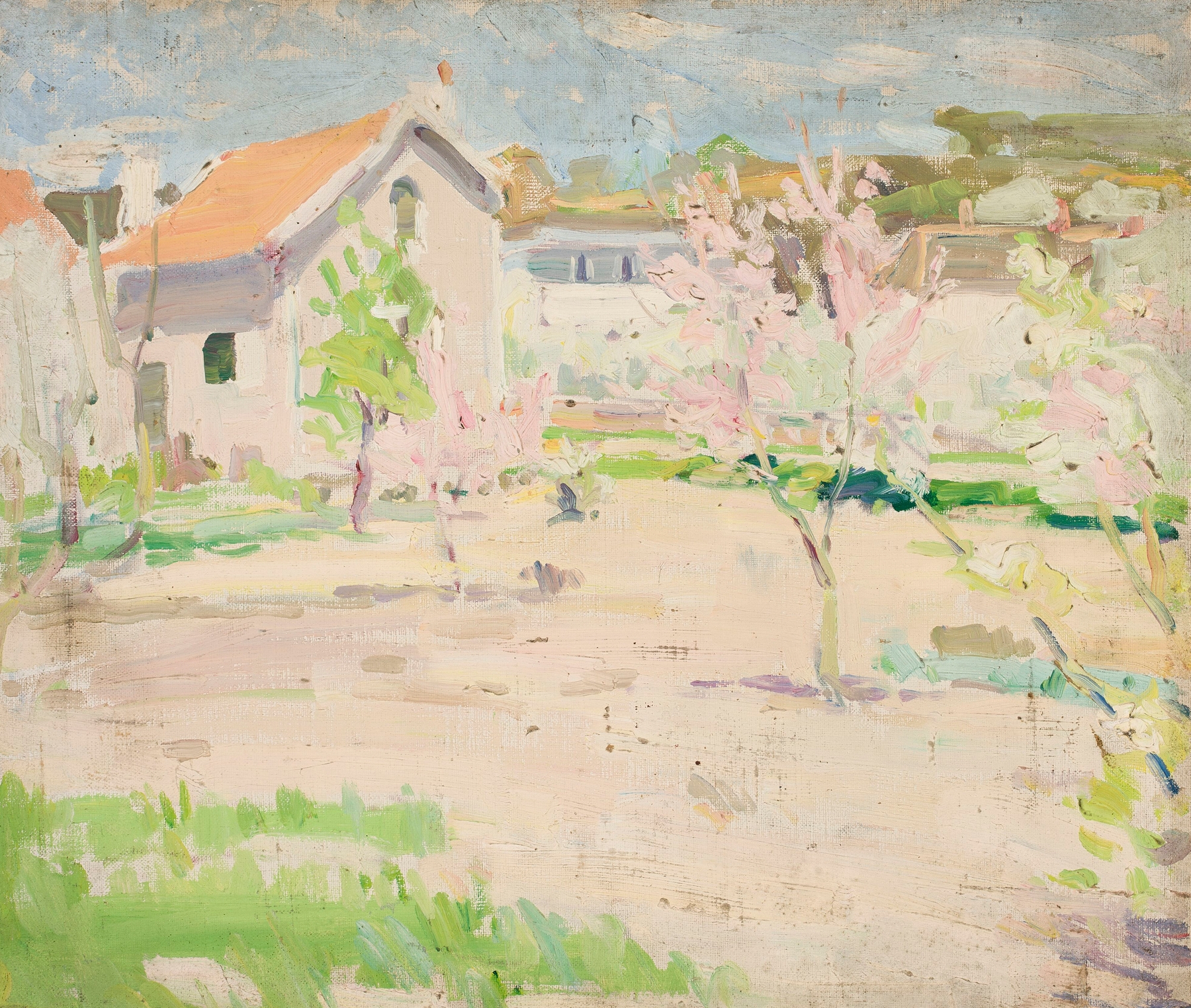
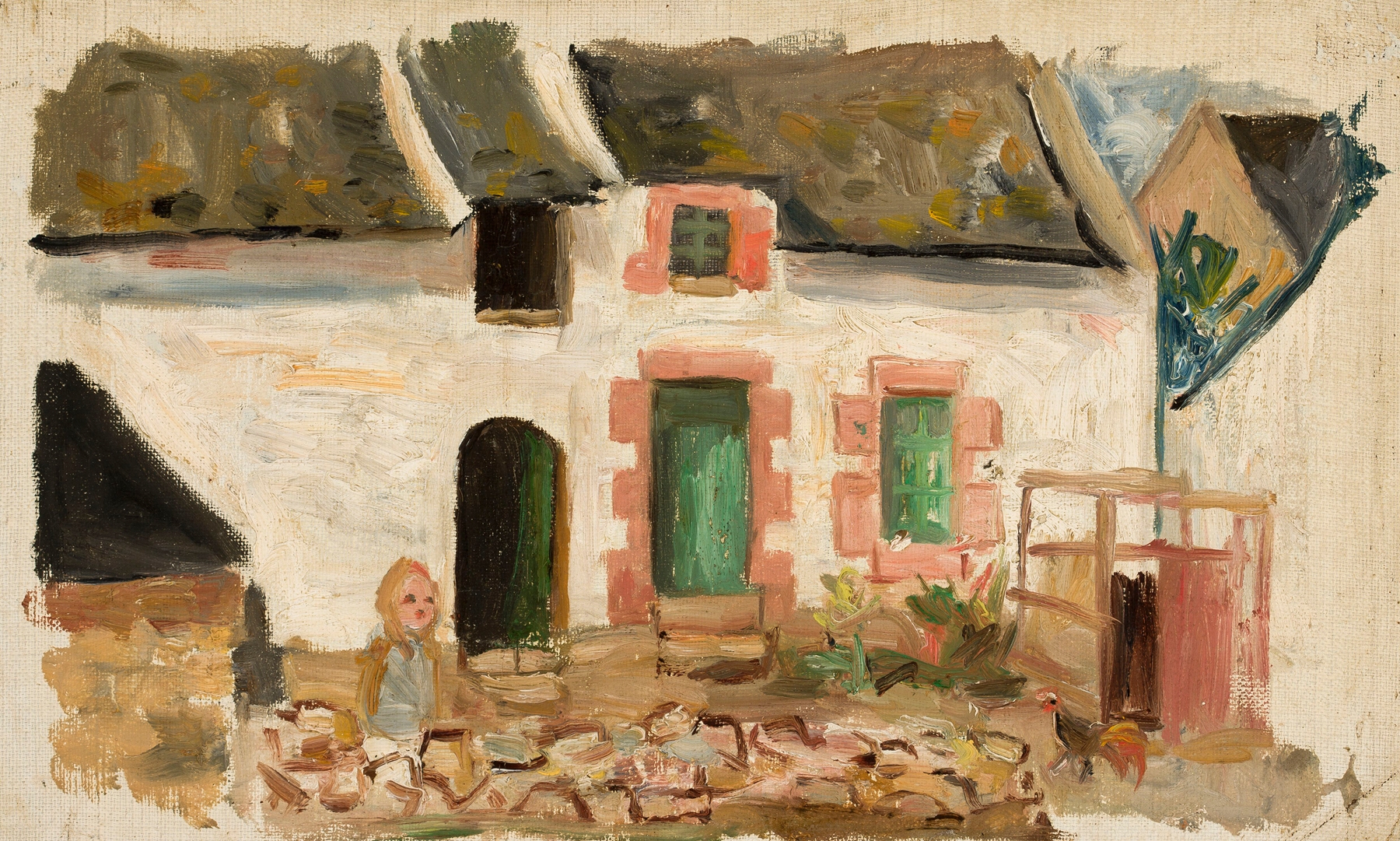
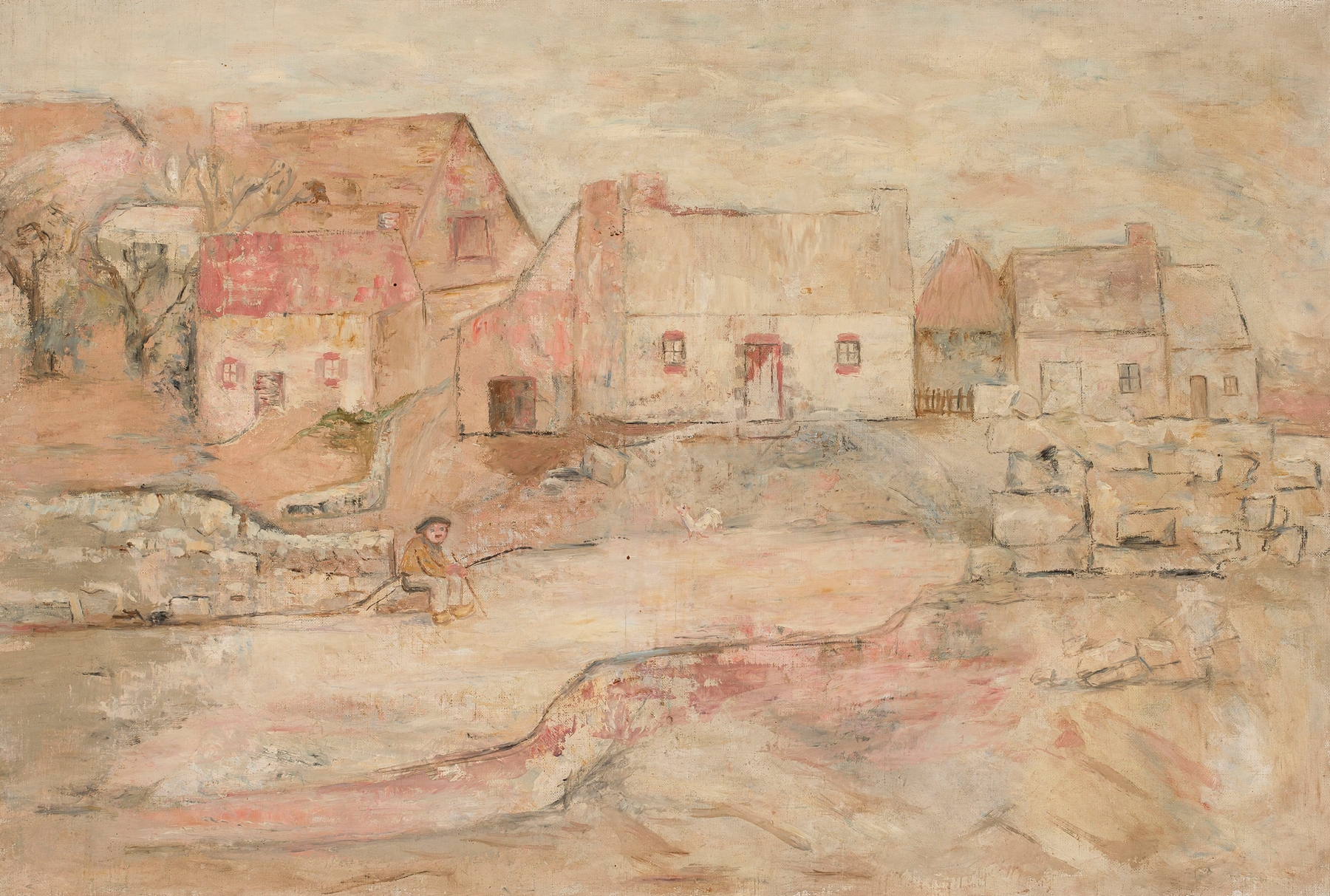
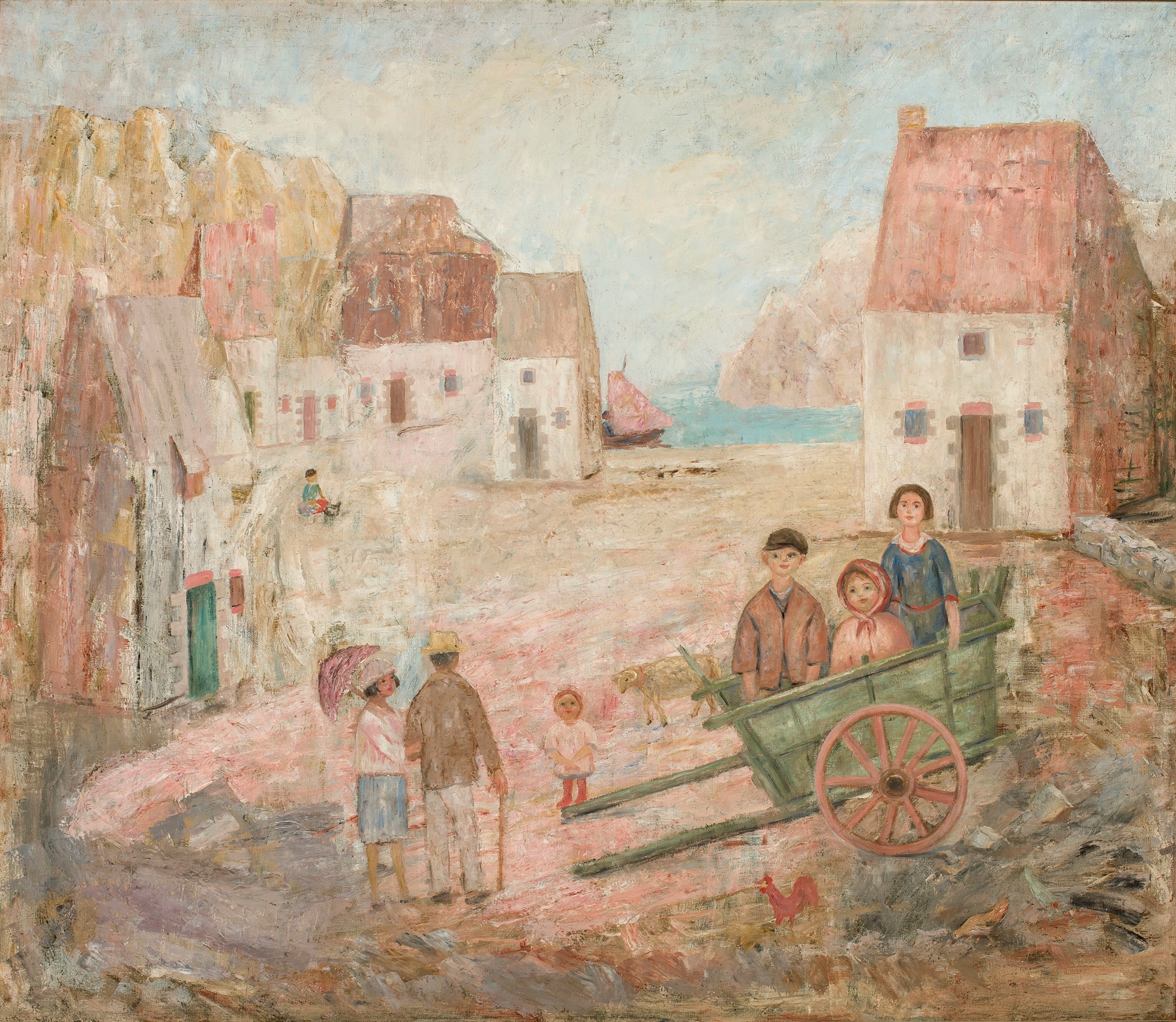
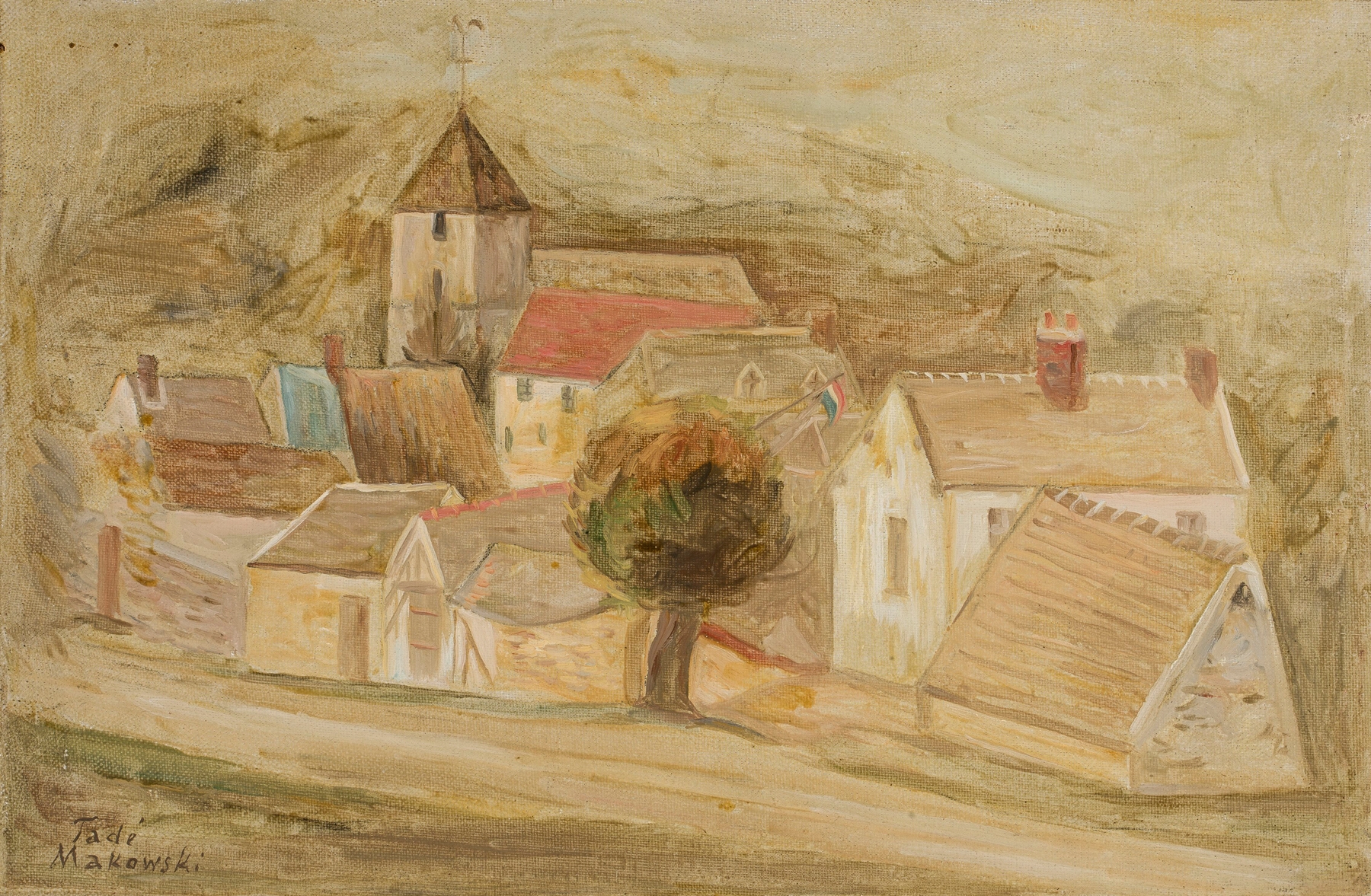
When did color learn to lie? In Miasteczko, the vibrant hues effortlessly weave a tapestry of truth and illusion, beckoning viewers to question the authenticity of their own perceptions. Look to the center of the canvas, where a whimsical village is portrayed in an array of pastel shades. Notice how the houses are painted in bright pinks and soft blues, their exaggerated shapes creating a sense of playful distortion.
The lively sky, a swirling mix of orange and yellow, bathes the scene in a warm glow, inviting an emotional connection that seems simultaneously joyful and haunting. Yet, beneath this cheerful façade lies a subtle commentary on the fragility of reality. Each structure leans precariously, suggesting instability within this idealized world. The figures, though animated and engaged with one another, possess an unsettling stillness — caught between movement and an unspoken melancholy.
This contrast invites consideration of the deeper truths that often lie hidden beneath surface appearances. During 1926, Tadeusz Makowski painted Miasteczko in Paris, a city alive with artistic experimentation and the rise of modernism. It was a time when the artist, originally from Poland, was exploring the intersections of childhood innocence and existential reflection. The world was shifting rapidly post-World War I, and his work mirrored the fragile balance between nostalgia and the disillusionment of contemporary life, inviting viewers to look beyond the colorful exterior for deeper truths.