Pejzaż bretoński z siedzącym człowiekiem — History & Analysis
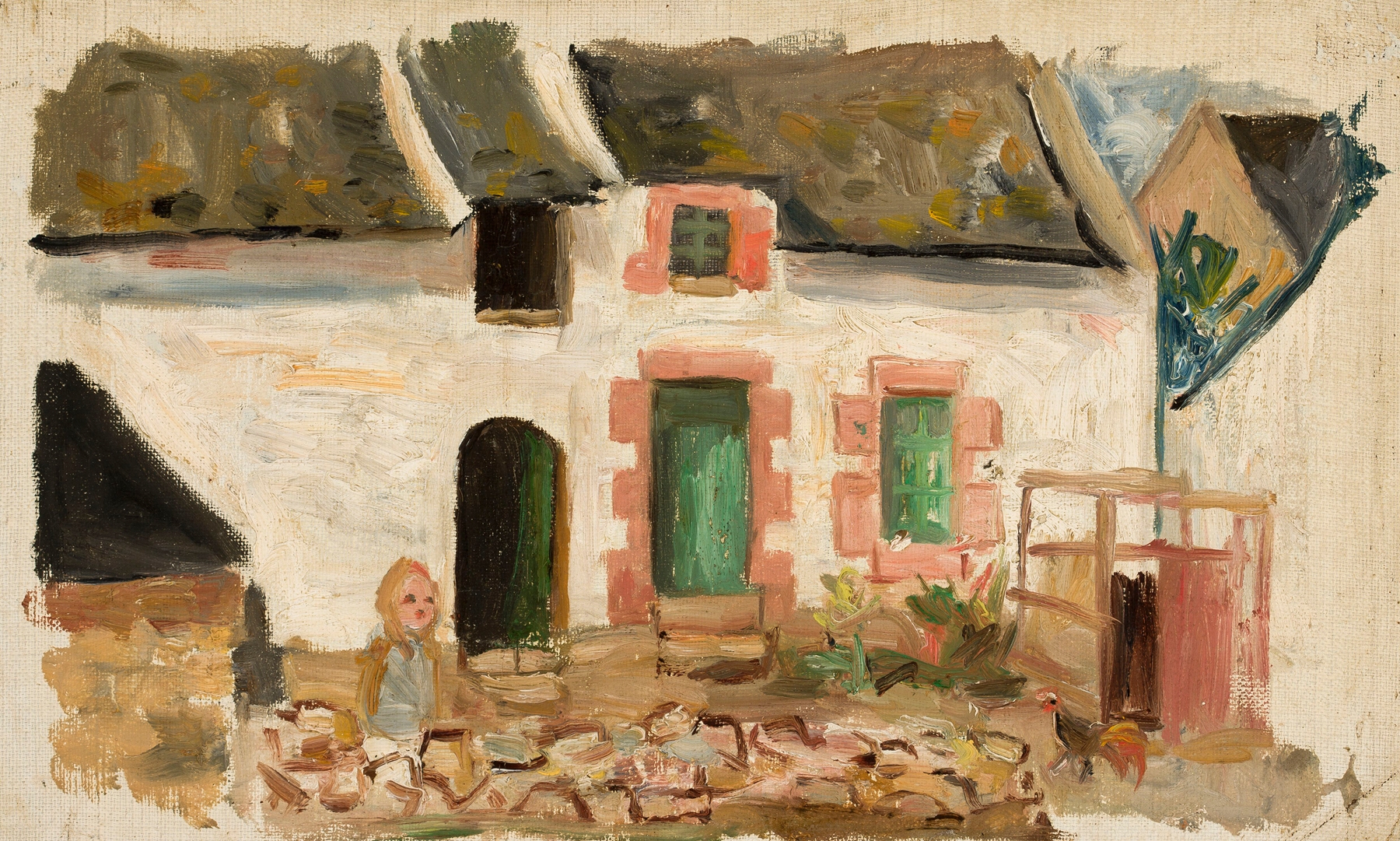
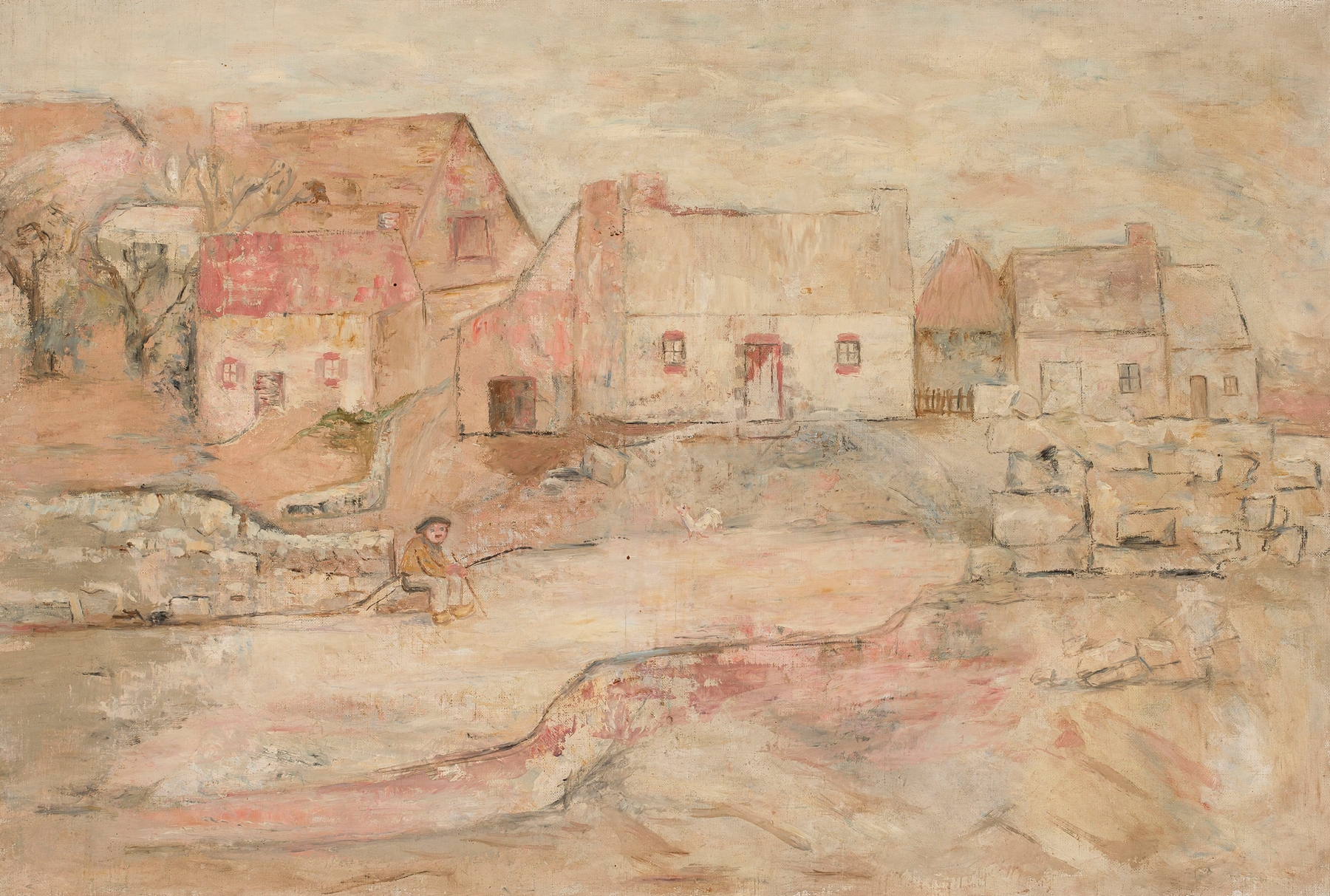
Did the painter know this moment would outlive them? In Pejzaż bretoński z siedzącym człowiekiem, Tadeusz Makowski captures not just a landscape but a whisper of existence against the backdrop of time and place. The scene invites contemplation of life's transitory beauty, forever poised in stillness yet brimming with the pulse of movement. Focus first on the figure seated to the left, a solitary man immersed in his surroundings. His posture embodies both relaxation and introspection, creating a silent dialogue with the vibrant landscape behind him.
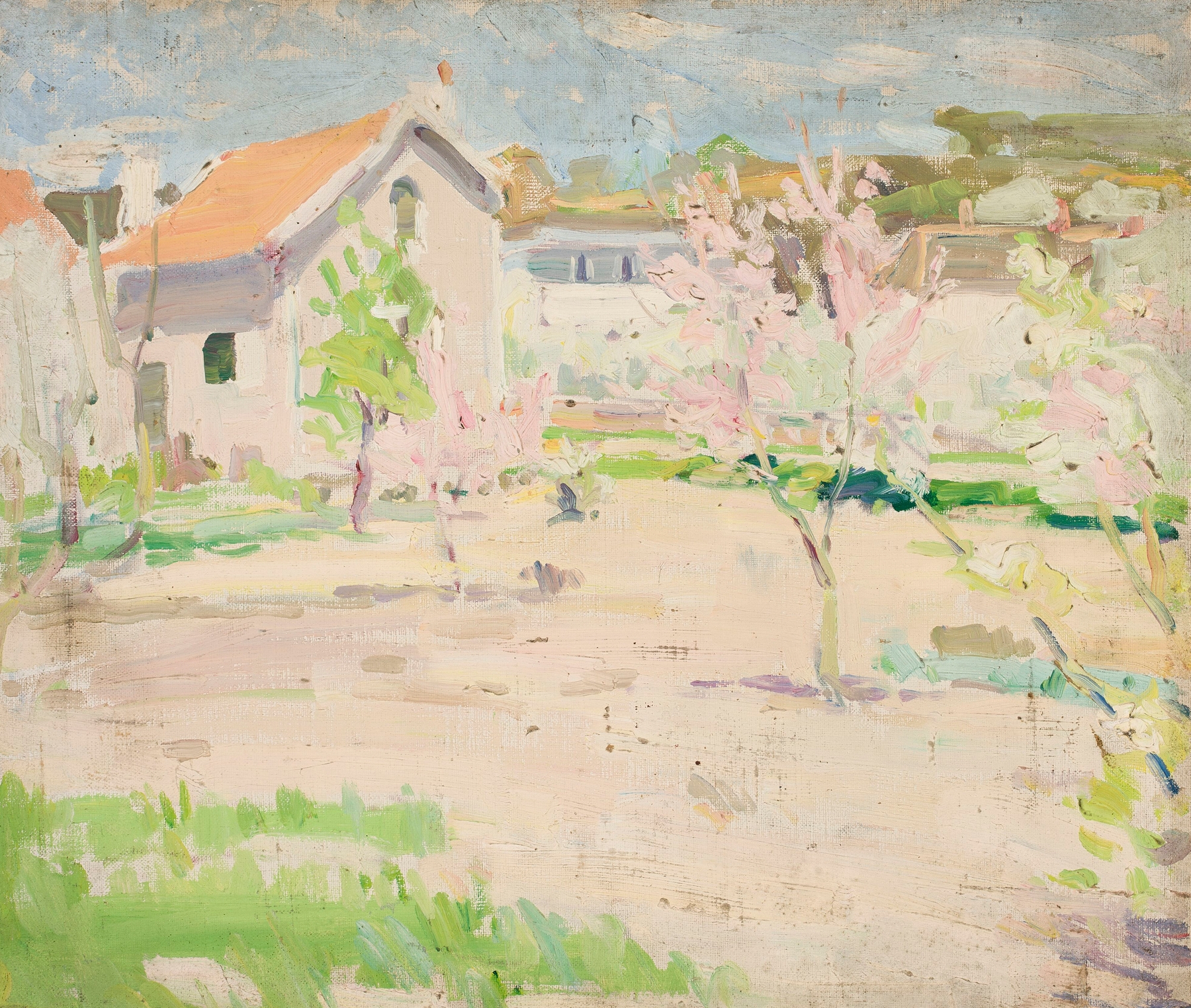
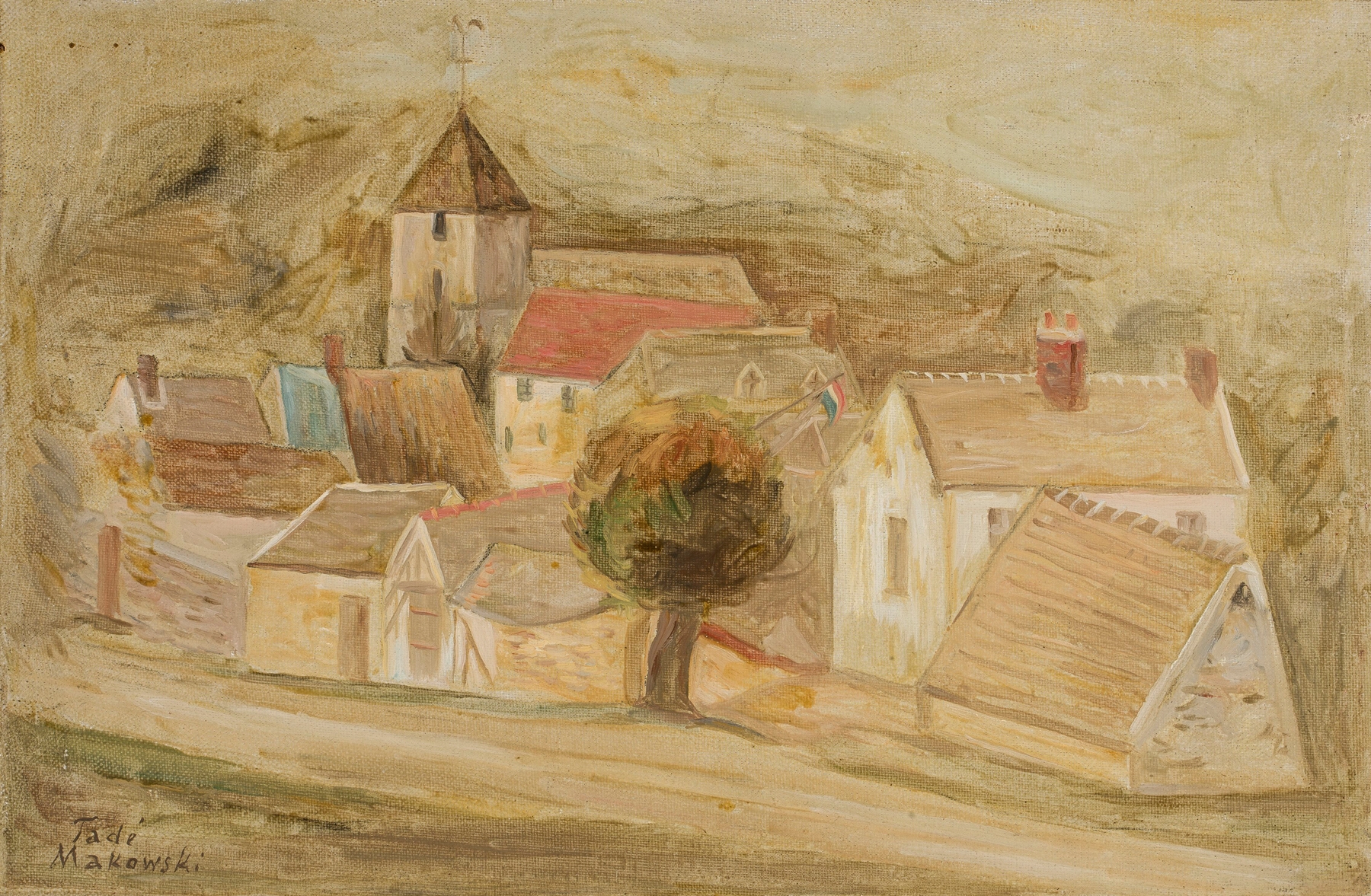
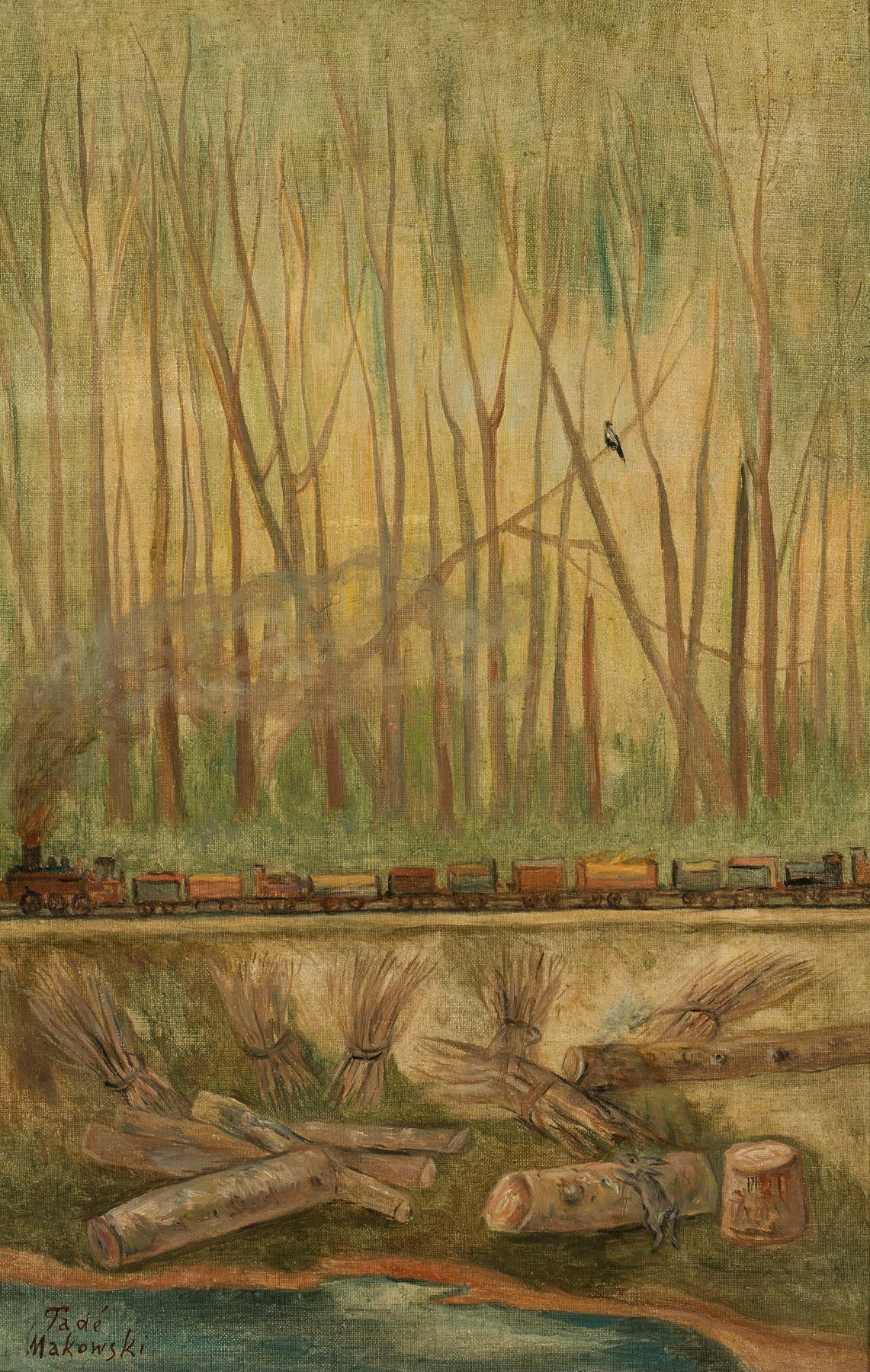
Notice how the blues and greens of the Breton countryside blend harmoniously, while warm earthy tones ground the scene, invoking a sense of peace. The brushwork is loose and expressive, a technique that suggests an impression of movement — the flutter of leaves and the gentle sway of grass, as if nature breathes around him. Delve deeper into the contrasts here: the stillness of the figure against the dynamic landscape hints at the complexities of solitude and connection. While the man remains fixed in his moment of reflection, the swirling lines of the horizon tease an implied motion, evoking the passage of time.
This duality encapsulates an emotional tension — the delicate balance between being present and the pull of the world beyond oneself, which resonates with anyone who has ever paused to contemplate their place in it. In 1924, Makowski painted this work in France, during a period when he was deeply inspired by the landscapes of Brittany. He found himself part of a vibrant artistic community, exploring themes of identity and belonging. As he navigated the interplay of light and color, he was also grappling with his own Polish roots in a foreign land, reflecting broader artistic movements of the time that sought to capture the essence of life in its fleeting moments.