Lato w Normandii — History & Analysis
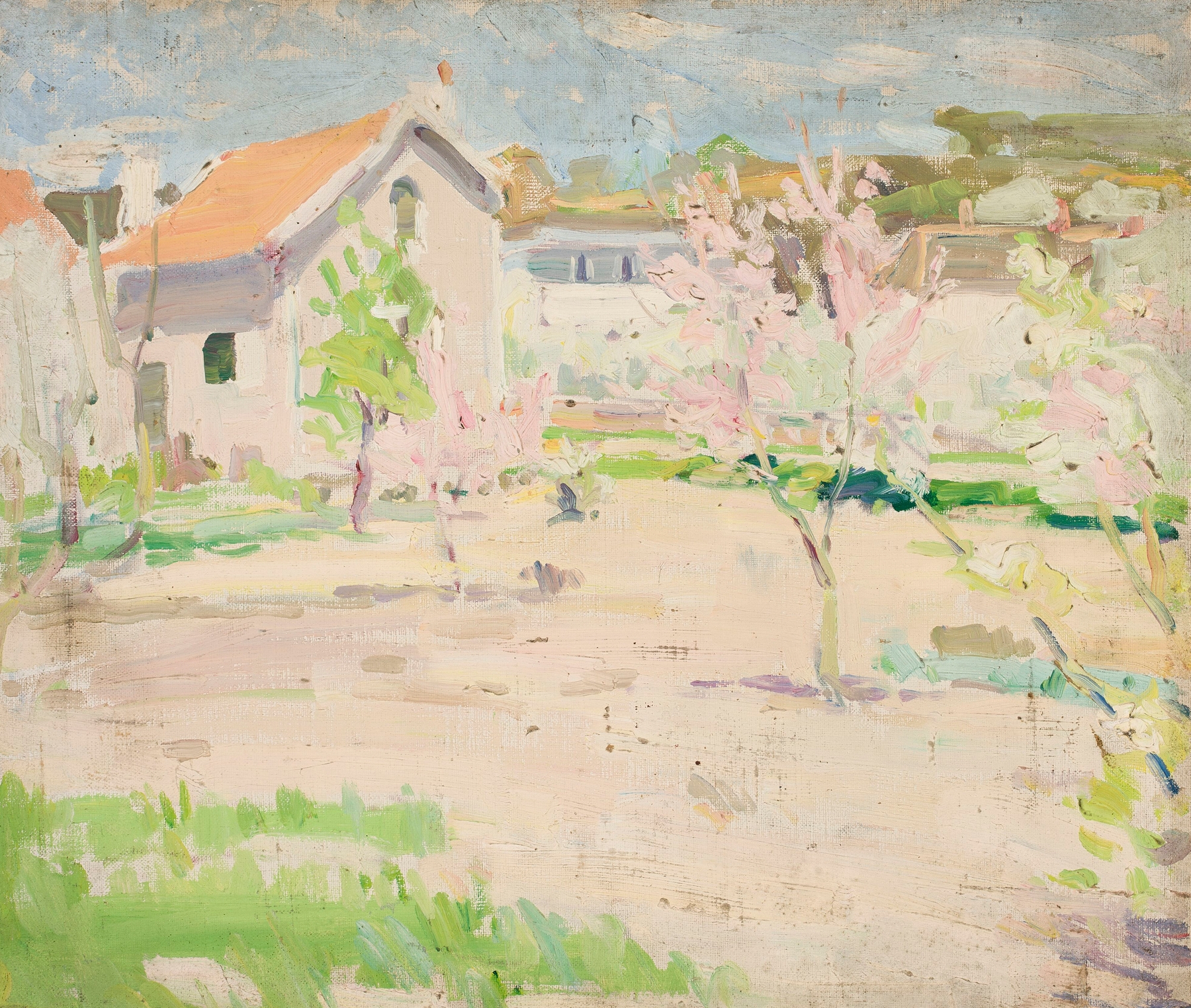
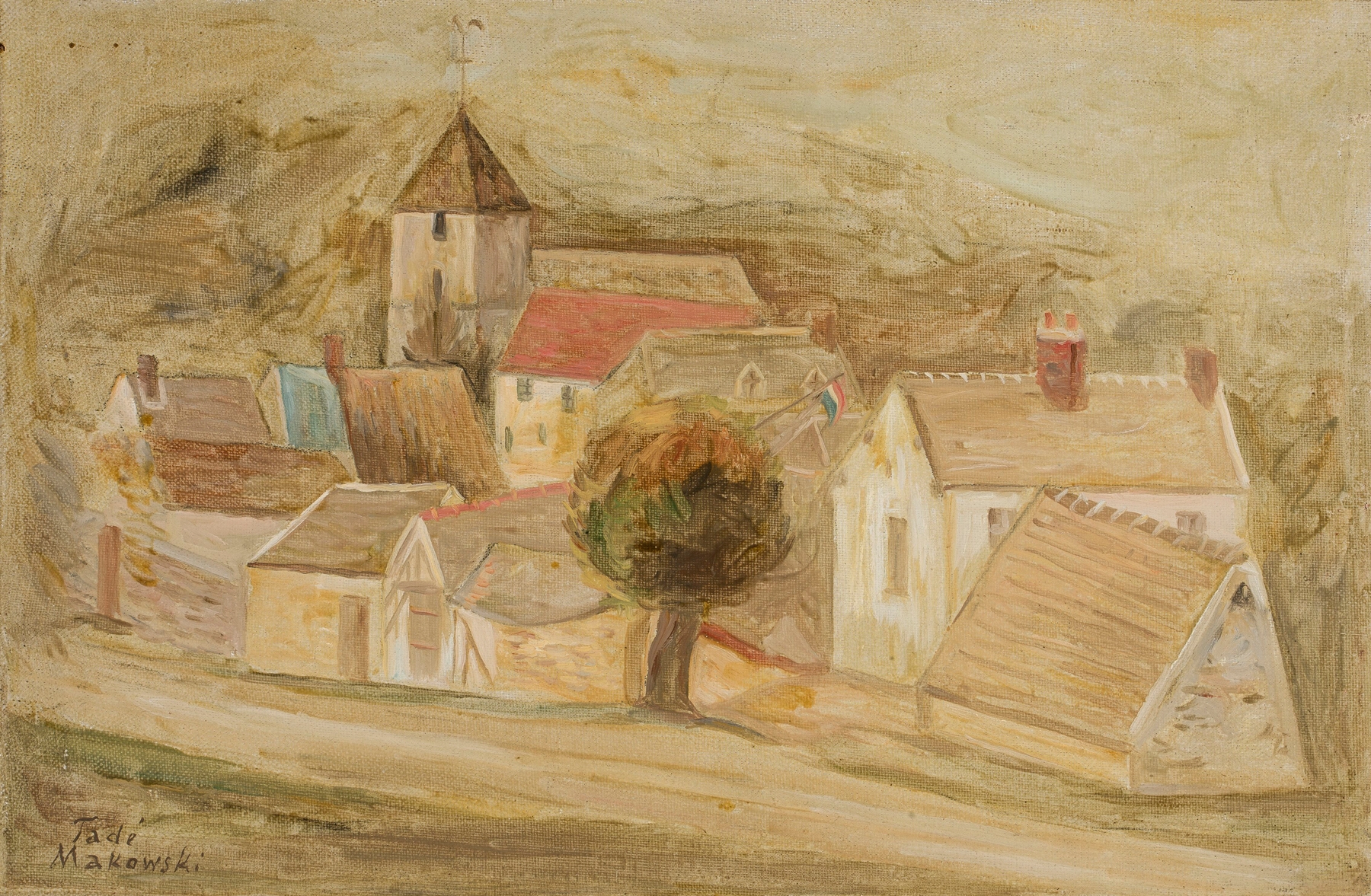
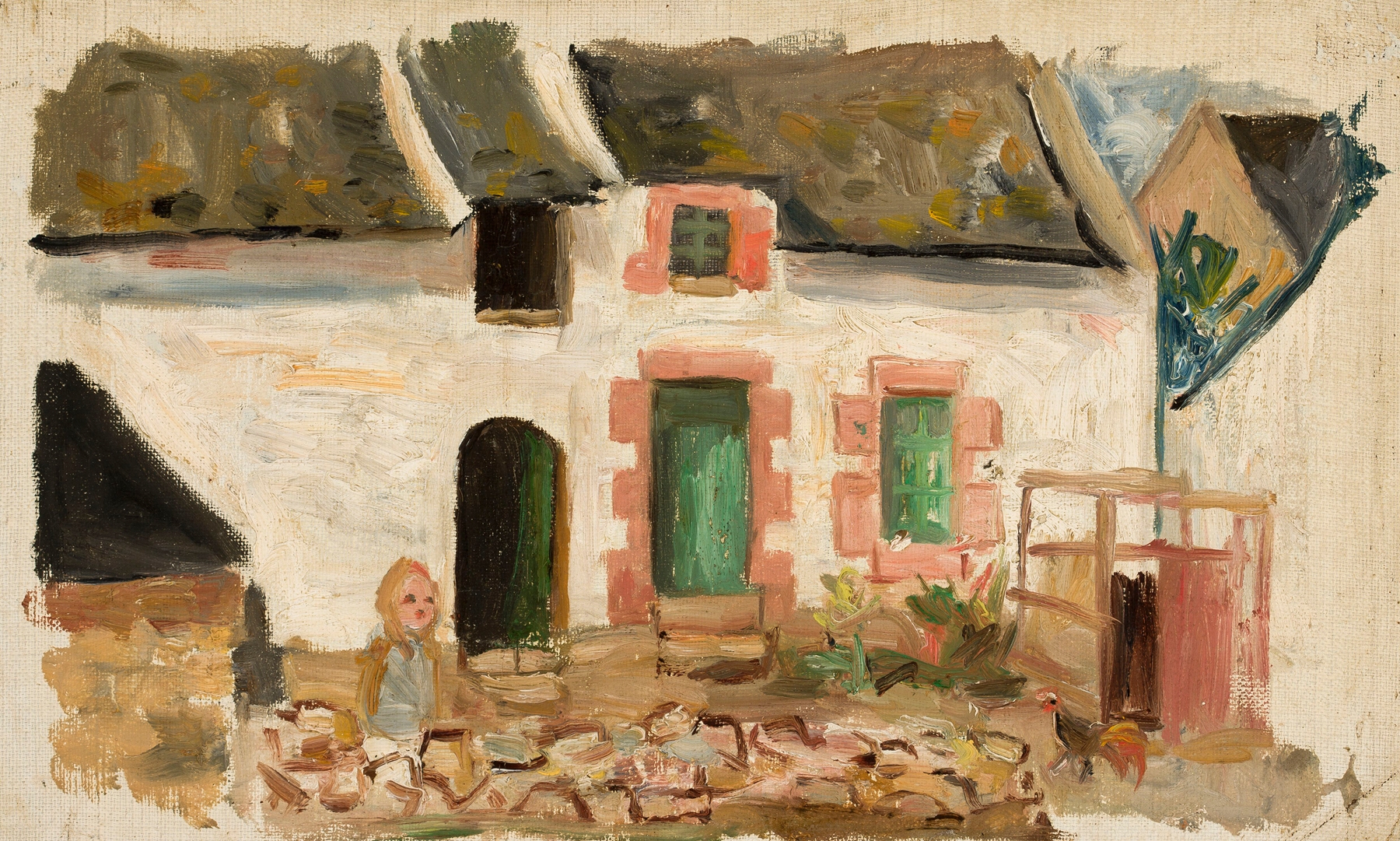
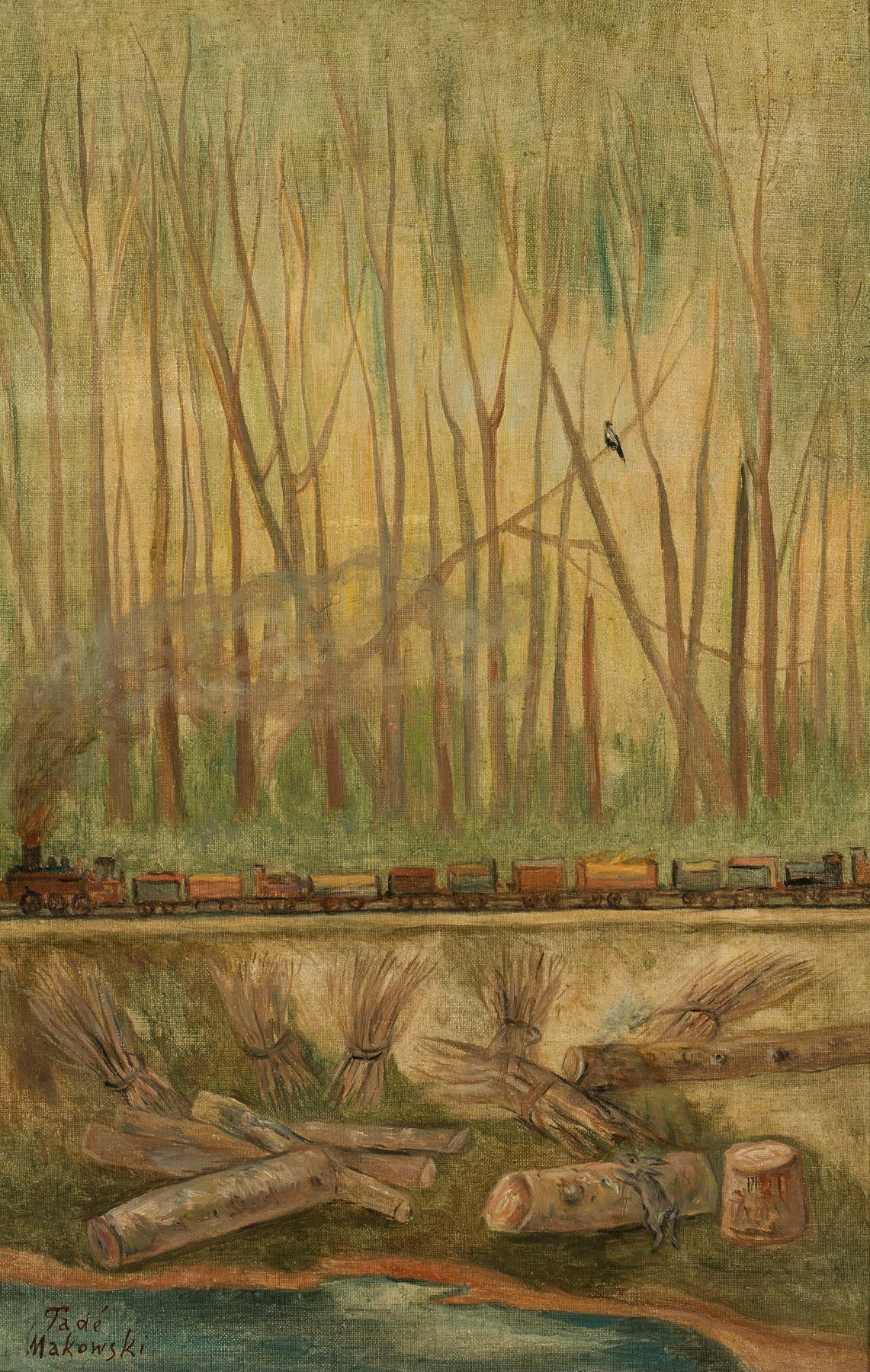
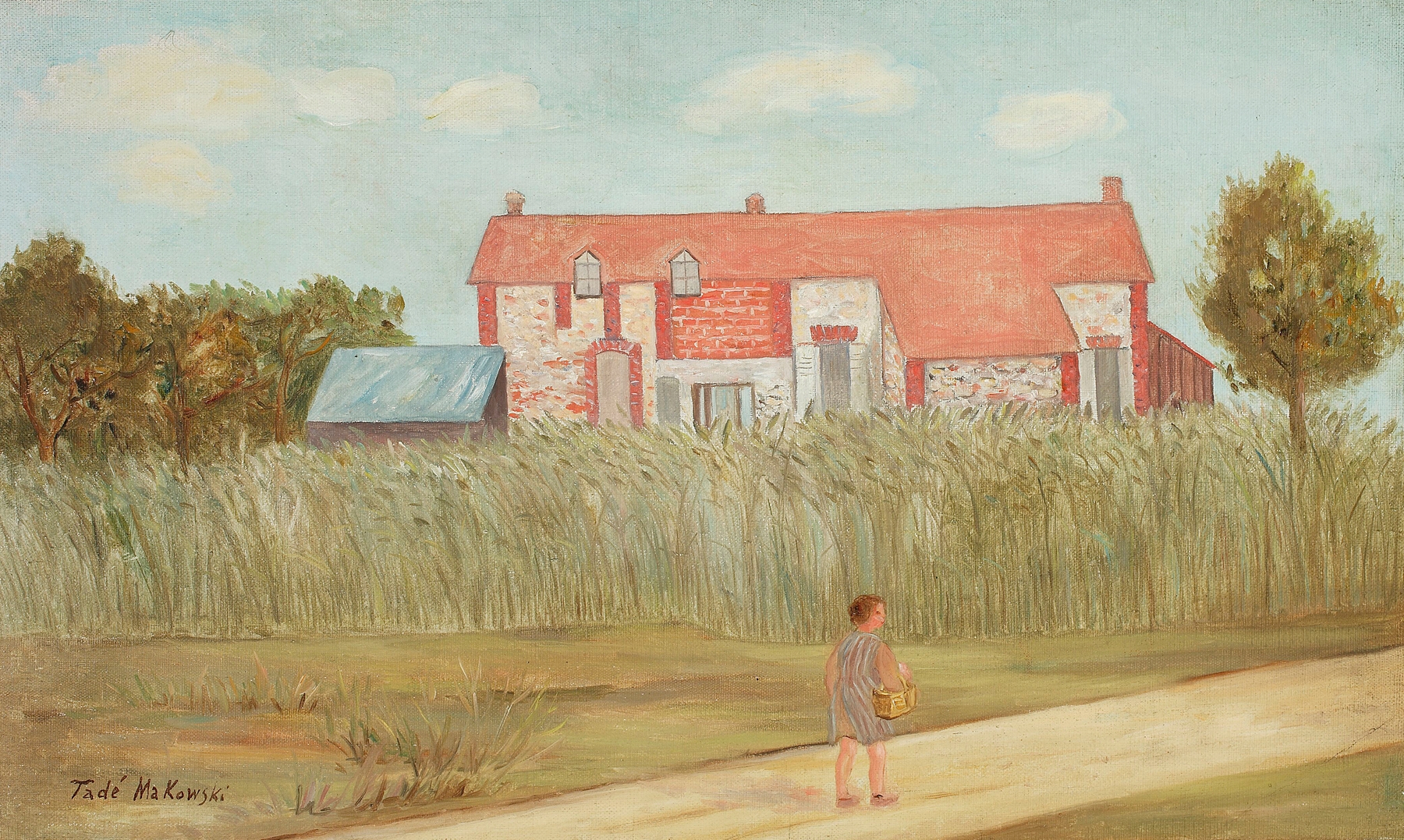
Could a single brushstroke hold eternity? In Lato w Normandii, the fleeting nature of summer and the fragility of existence dance together, inviting the viewer to ponder the delicate balance of life in a world where time slips away like grains of sand. Look to the left at the figure lounging under the soft embrace of a vibrant tree, painted in lush greens and warm yellows. The dappled light filters through the leaves, illuminating patches of sand beneath them, creating a serene contrast with the deep blue sea beyond.
Notice how the artist's brushwork varies, from the smooth, flowing lines of the waves to the textured strokes depicting the foliage, illustrating both the tranquility of nature and the restless spirit of humanity. Deeper meanings emerge from the juxtaposition of the figures’ calm repose against the ever-changing backdrop of the ocean. The composition evokes a sense of stillness amidst the inevitable tide of life, suggesting that even in moments of peace, fragility underlies our existence. The way the light interacts with each element serves as a reminder of the transient beauty of summer; it is both a celebration and an elegy—a bittersweet acknowledgment of what is here and what will soon fade.
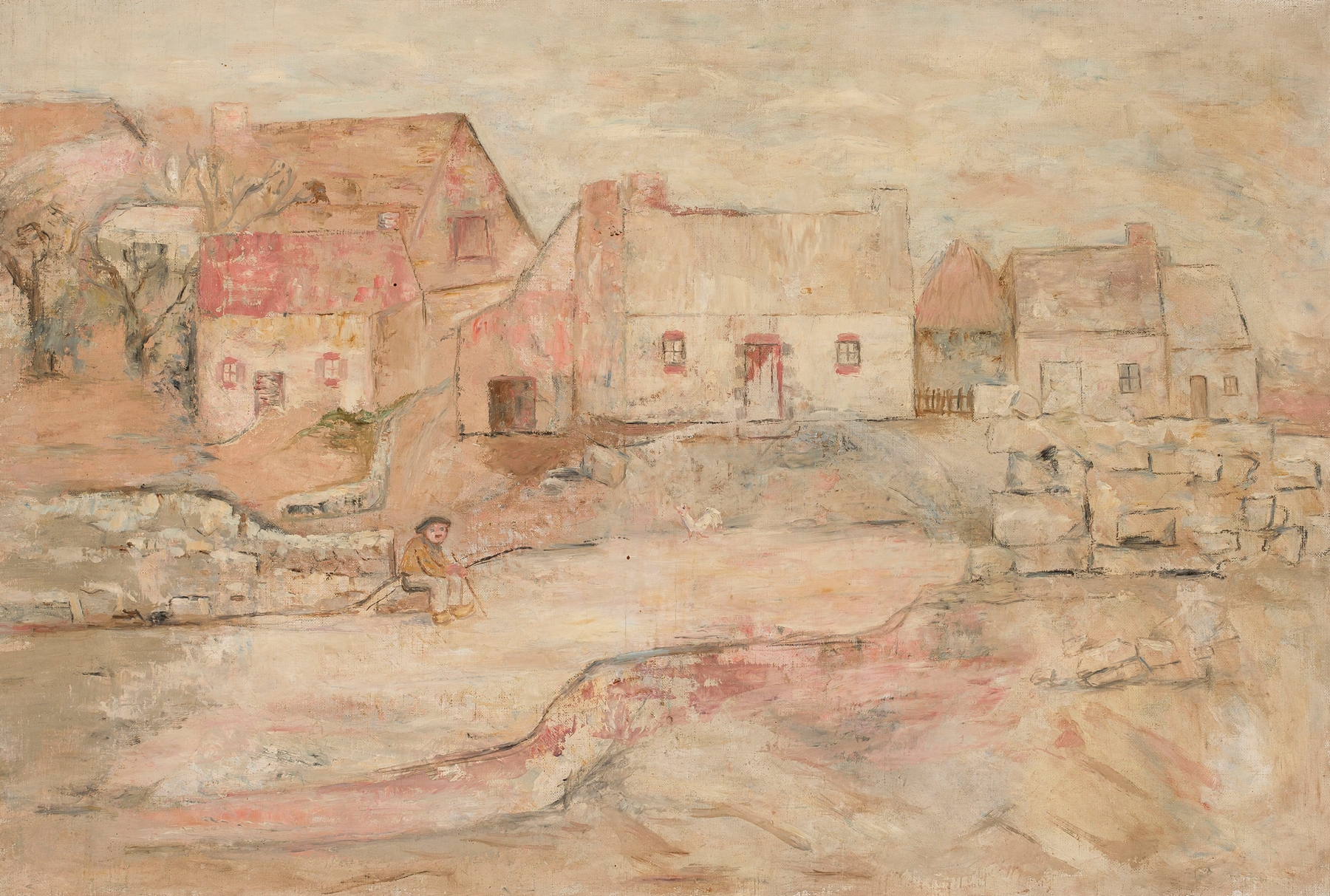
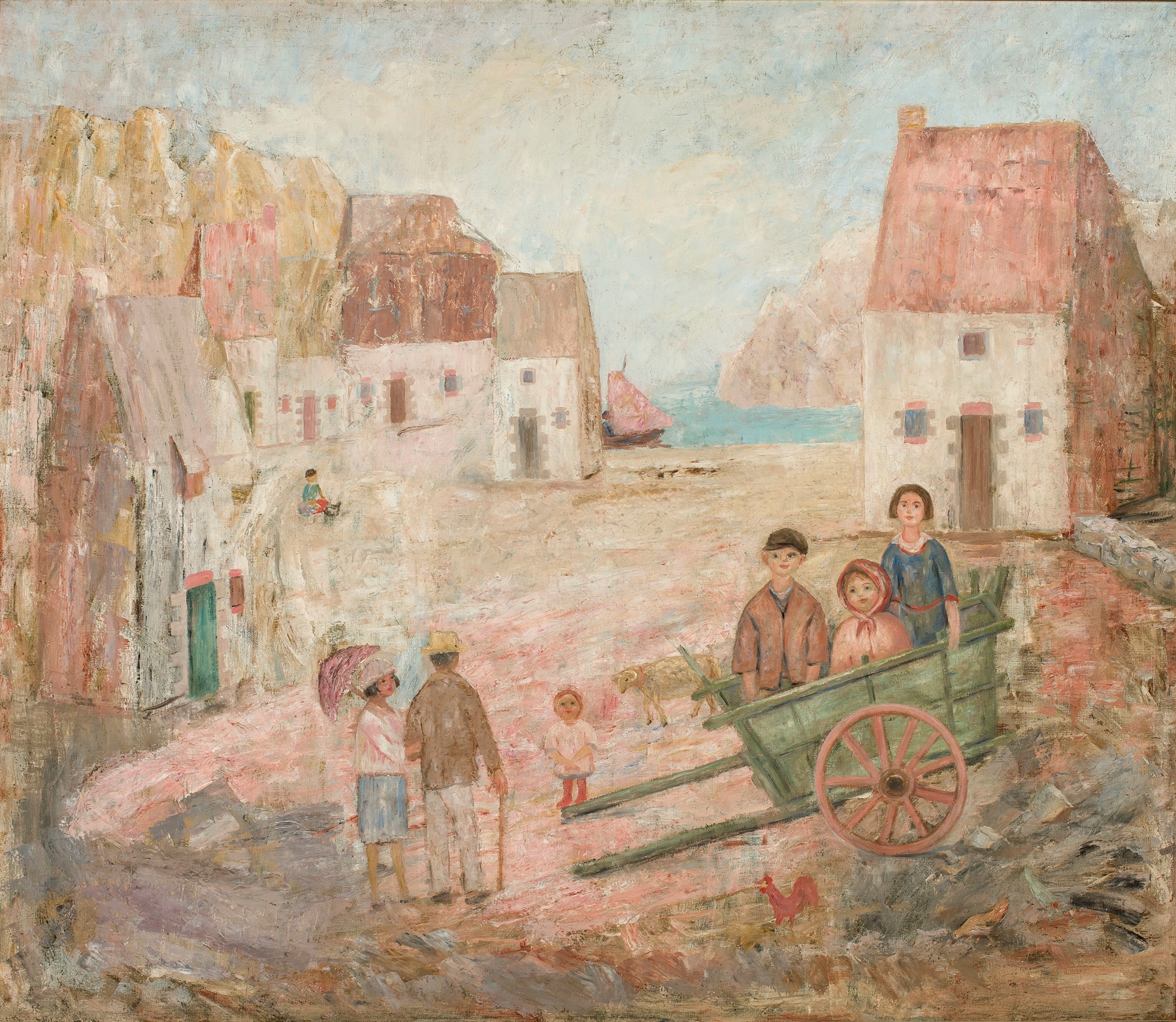
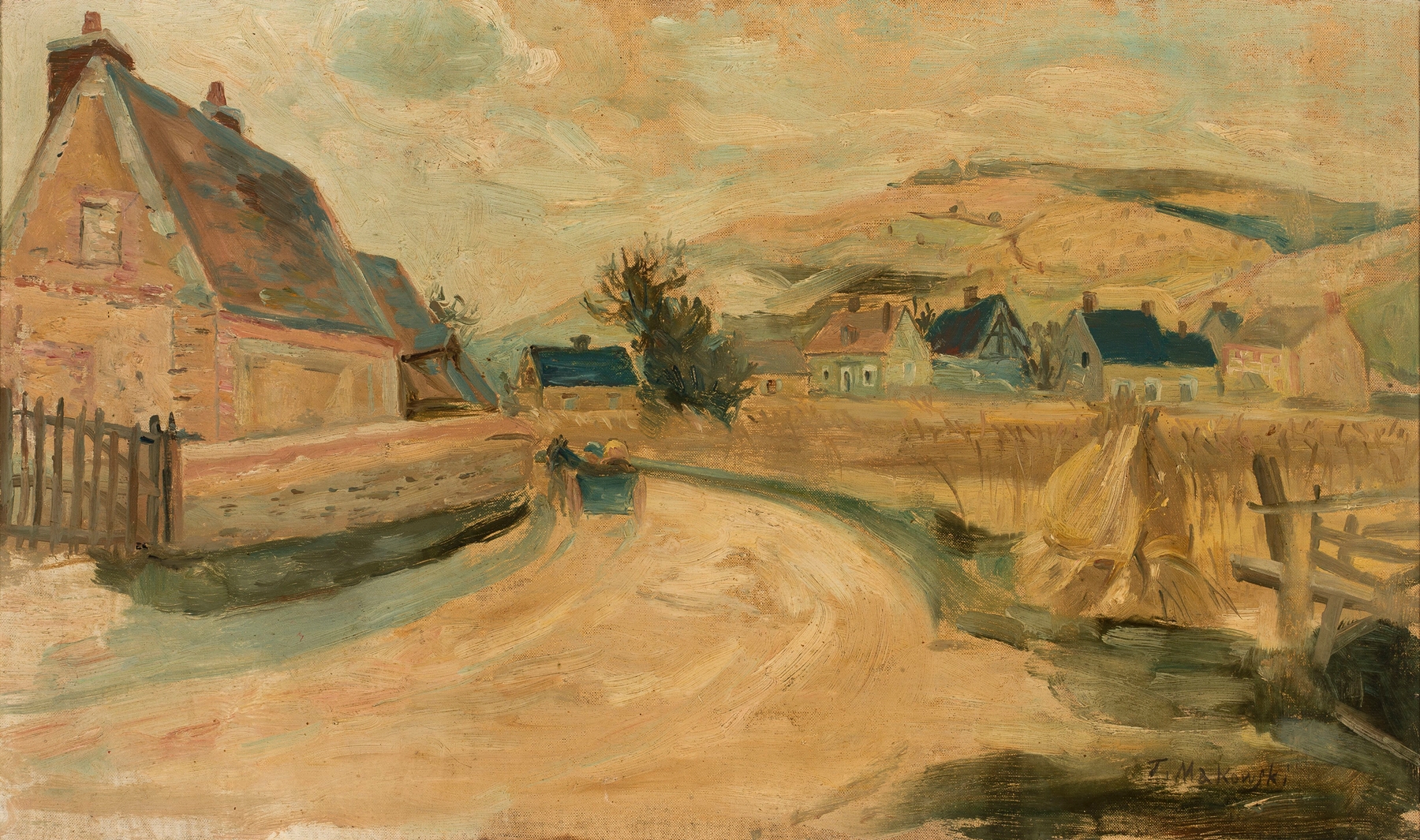
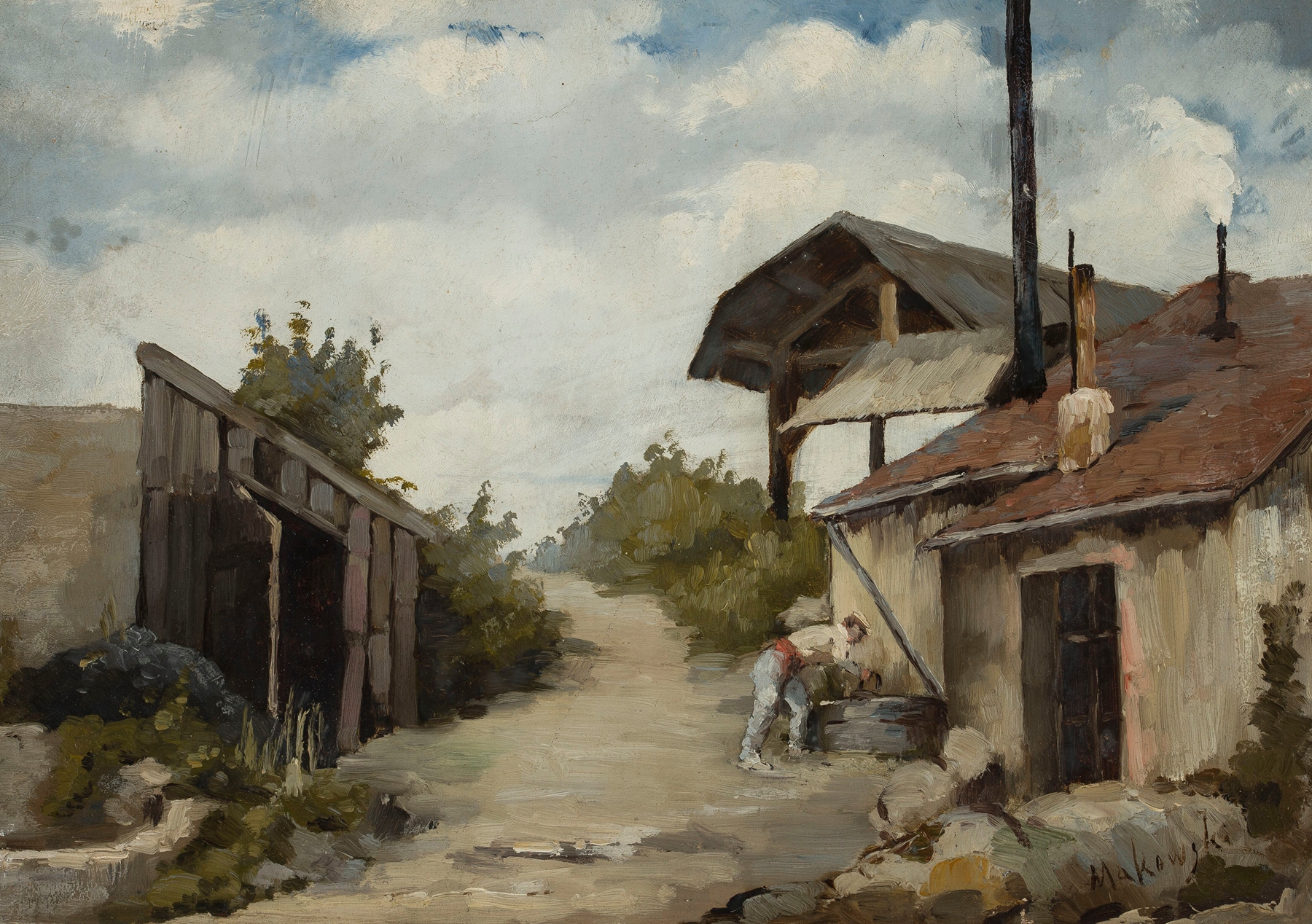
Tadeusz Makowski painted this work in 1926 during a period marked by both personal and artistic exploration. Having relocated to France, he immersed himself in the vibrant artistic circles of Paris, far from his Polish roots. This painting reflects not only the influences of post-impressionism but also the artist's deep yearning for connection to nature and the poignant reminder of life's fleeting moments.