Pejzaż wiosenny — History & Analysis
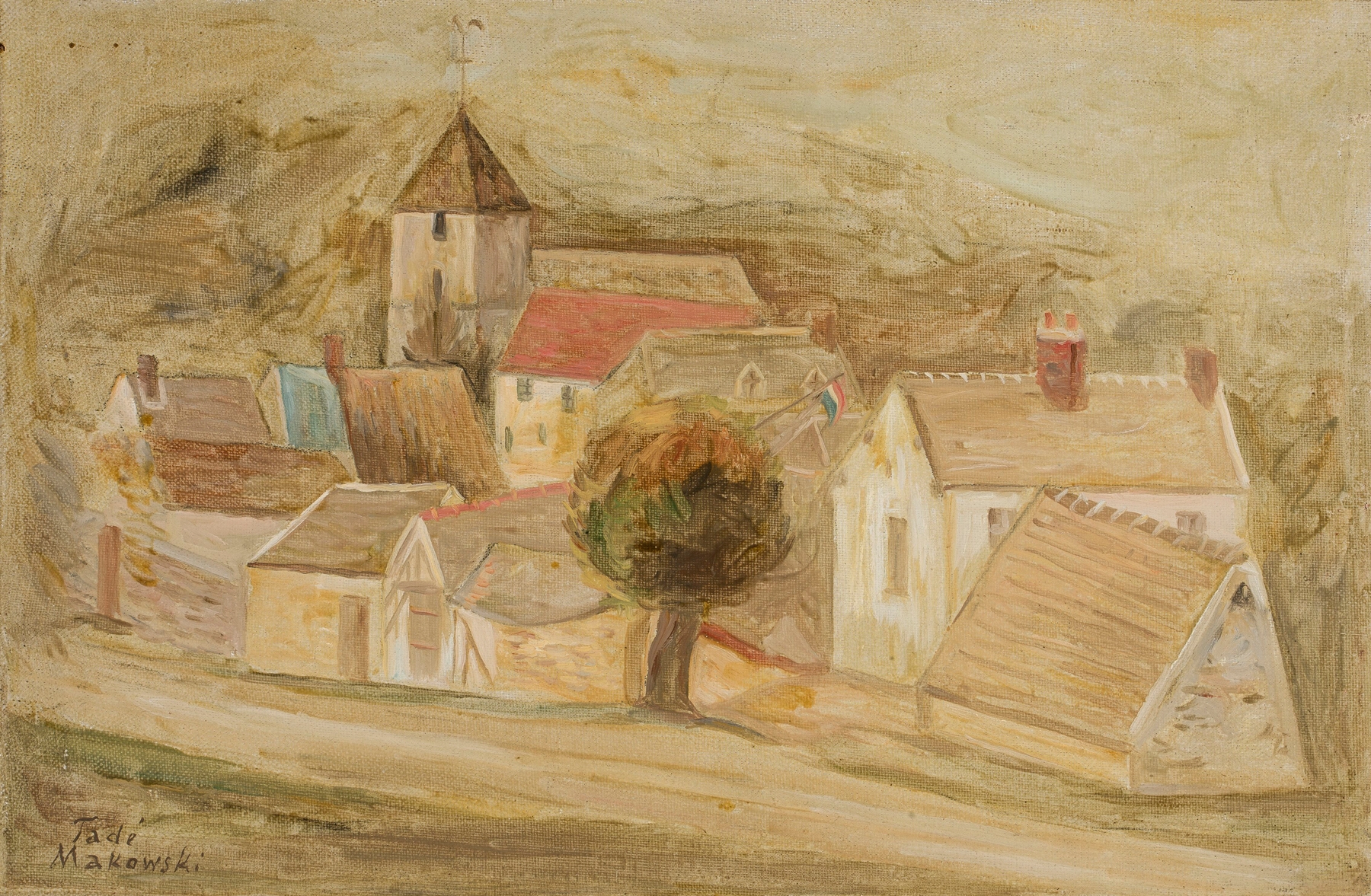
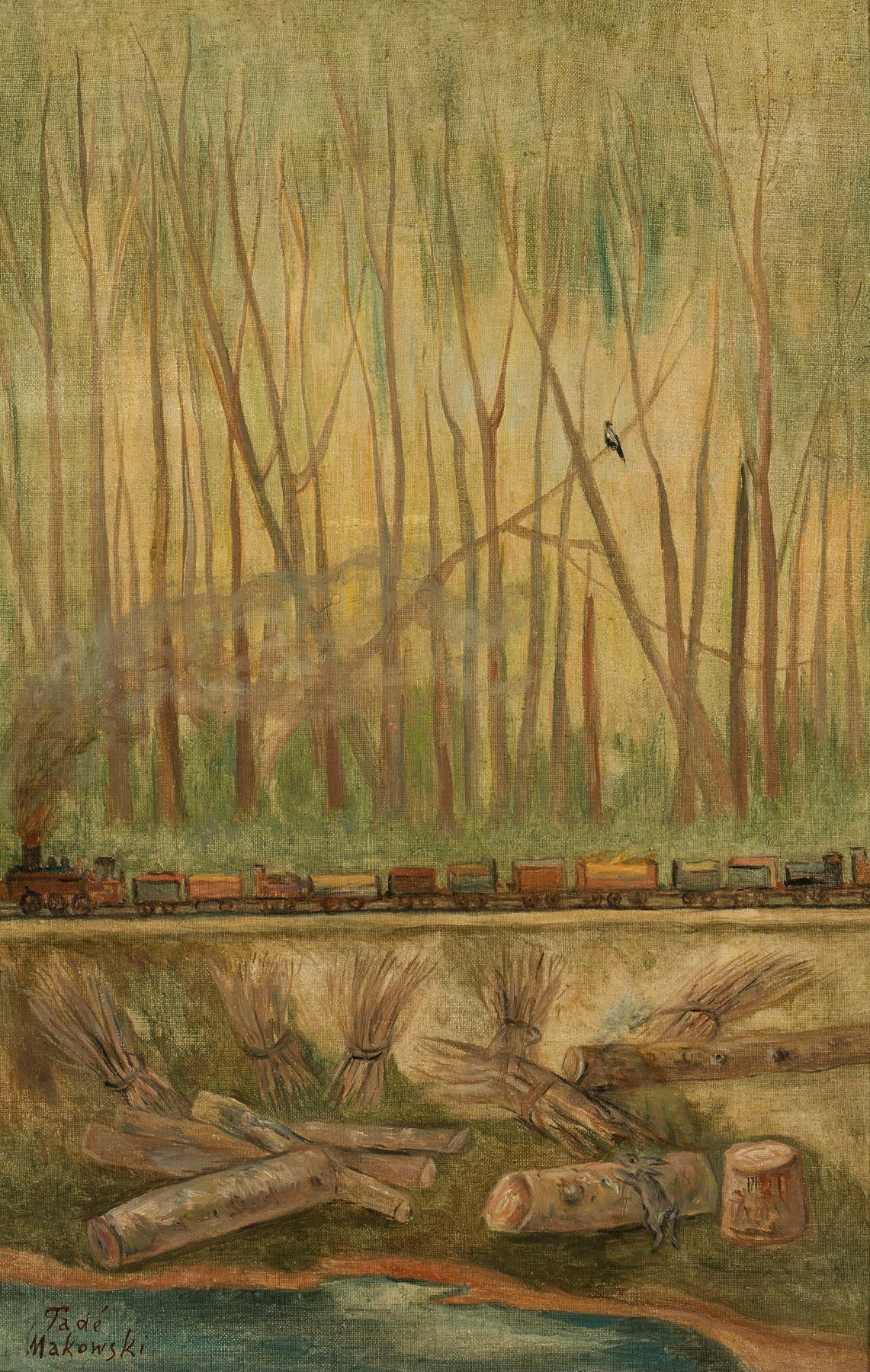
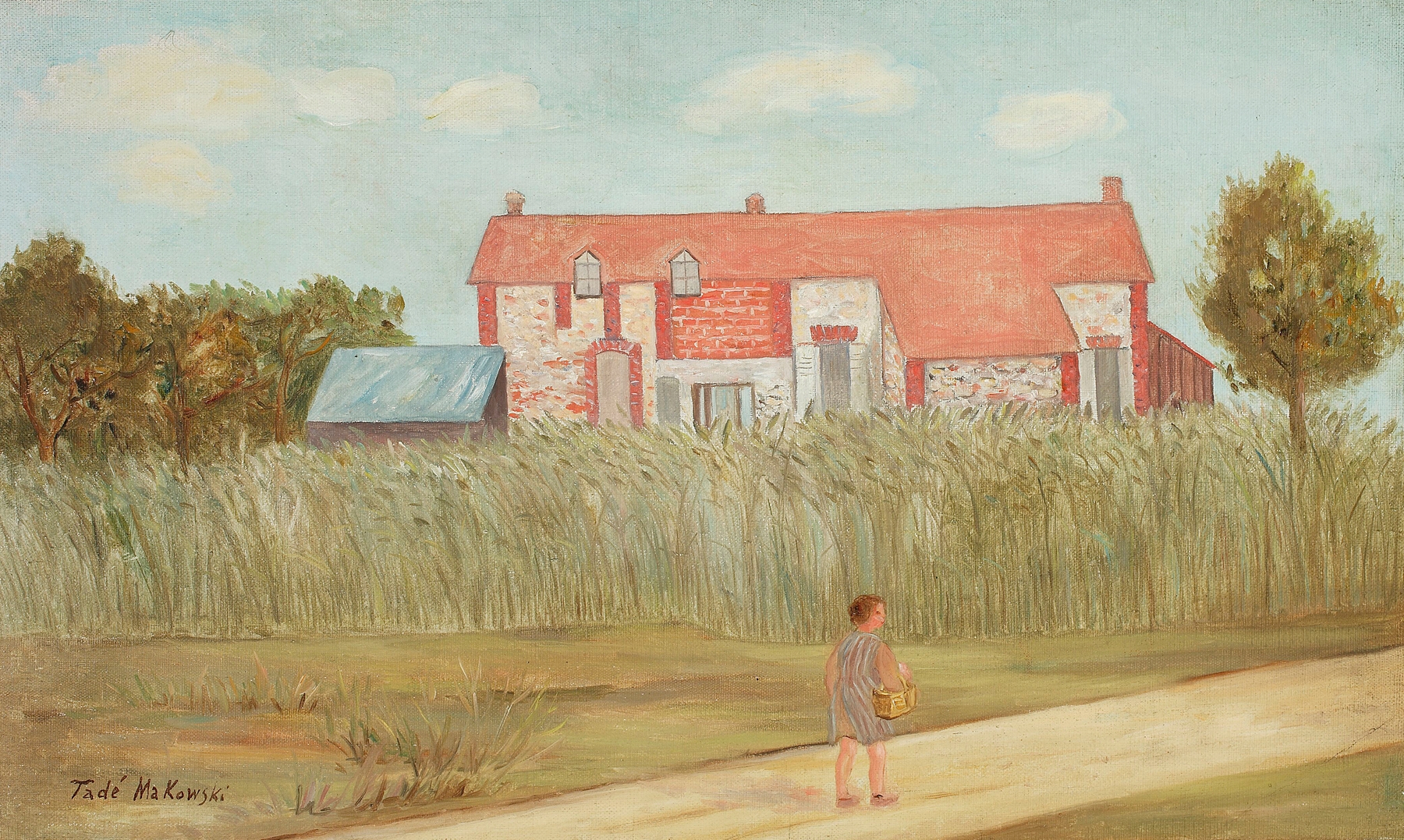
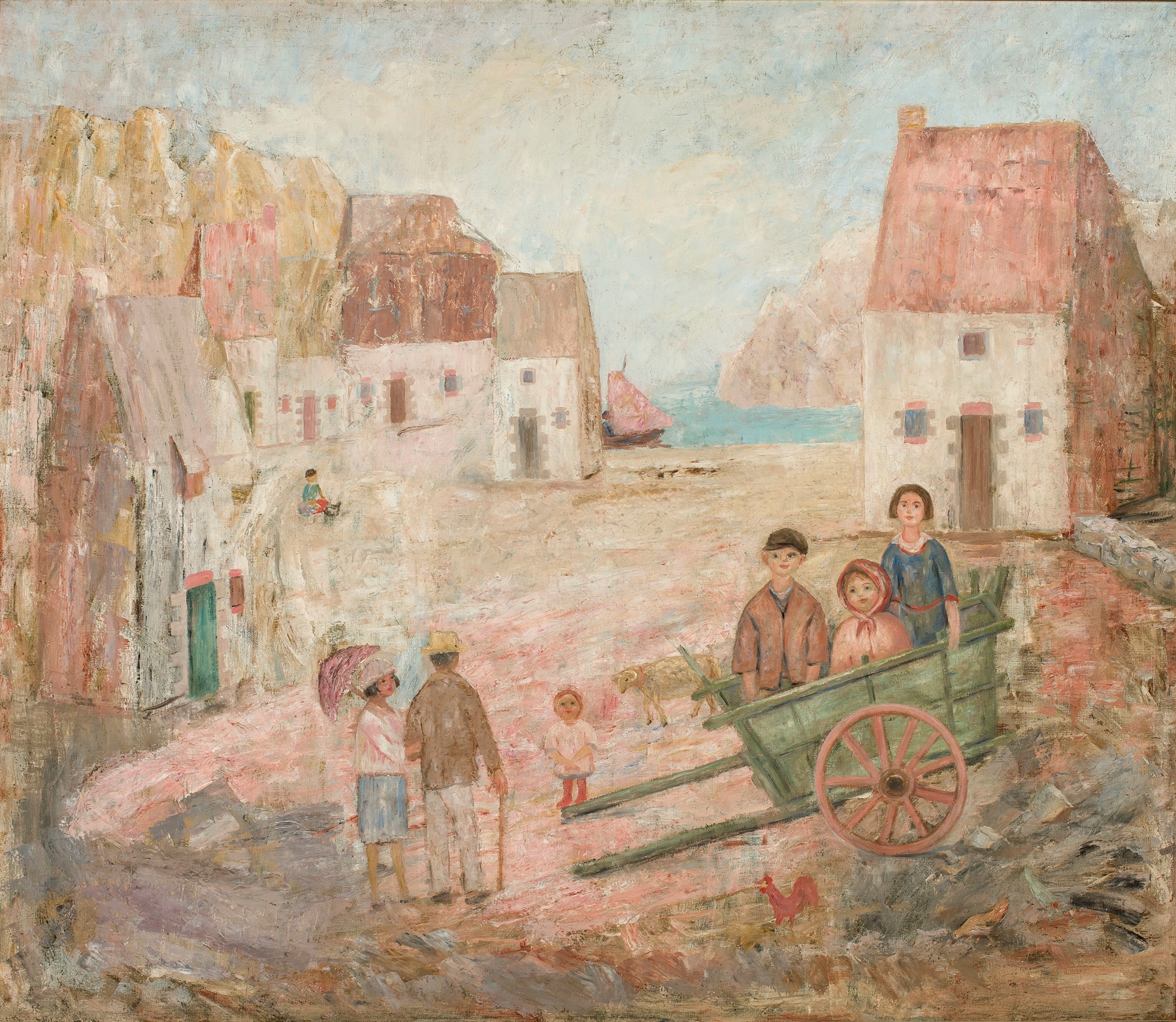
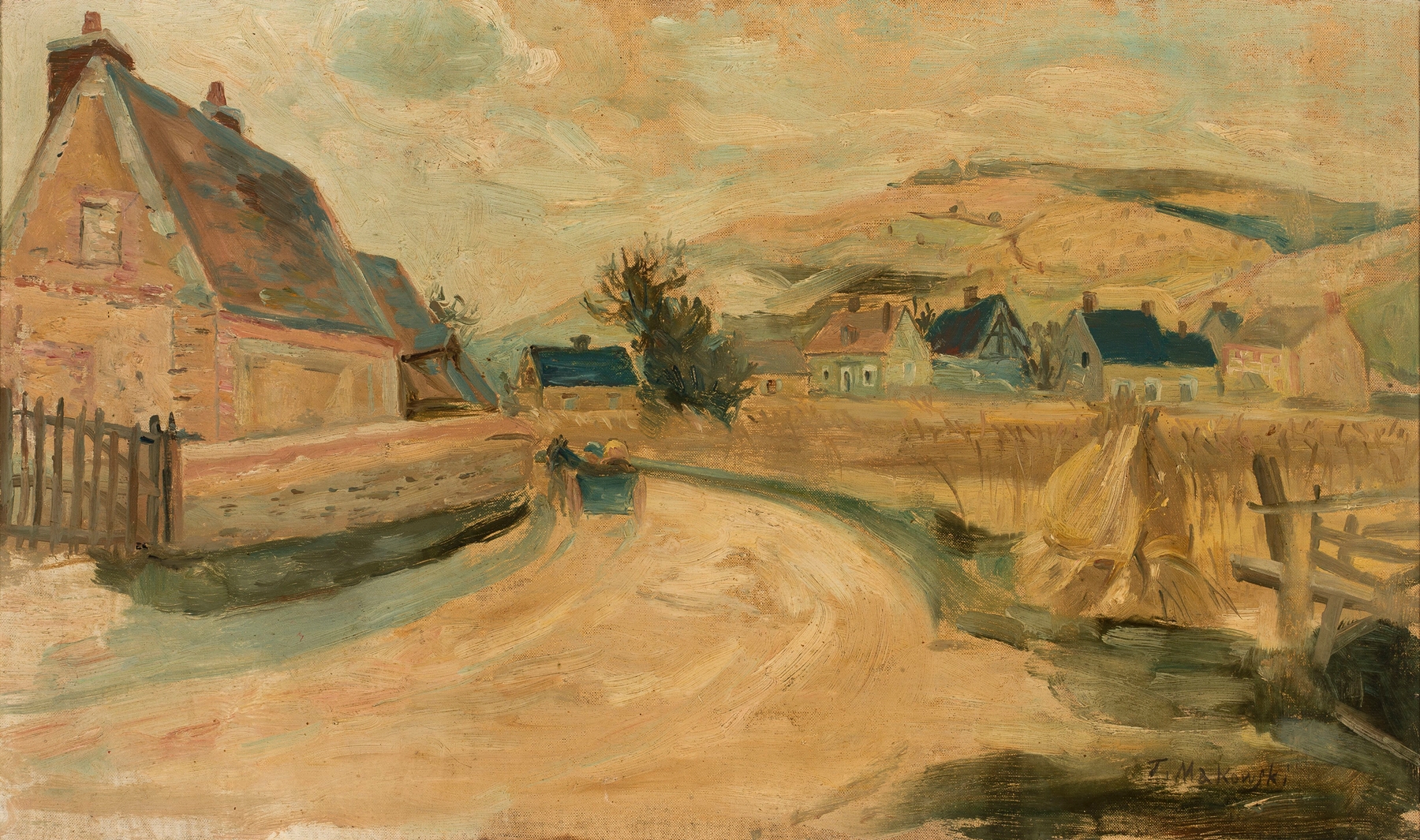
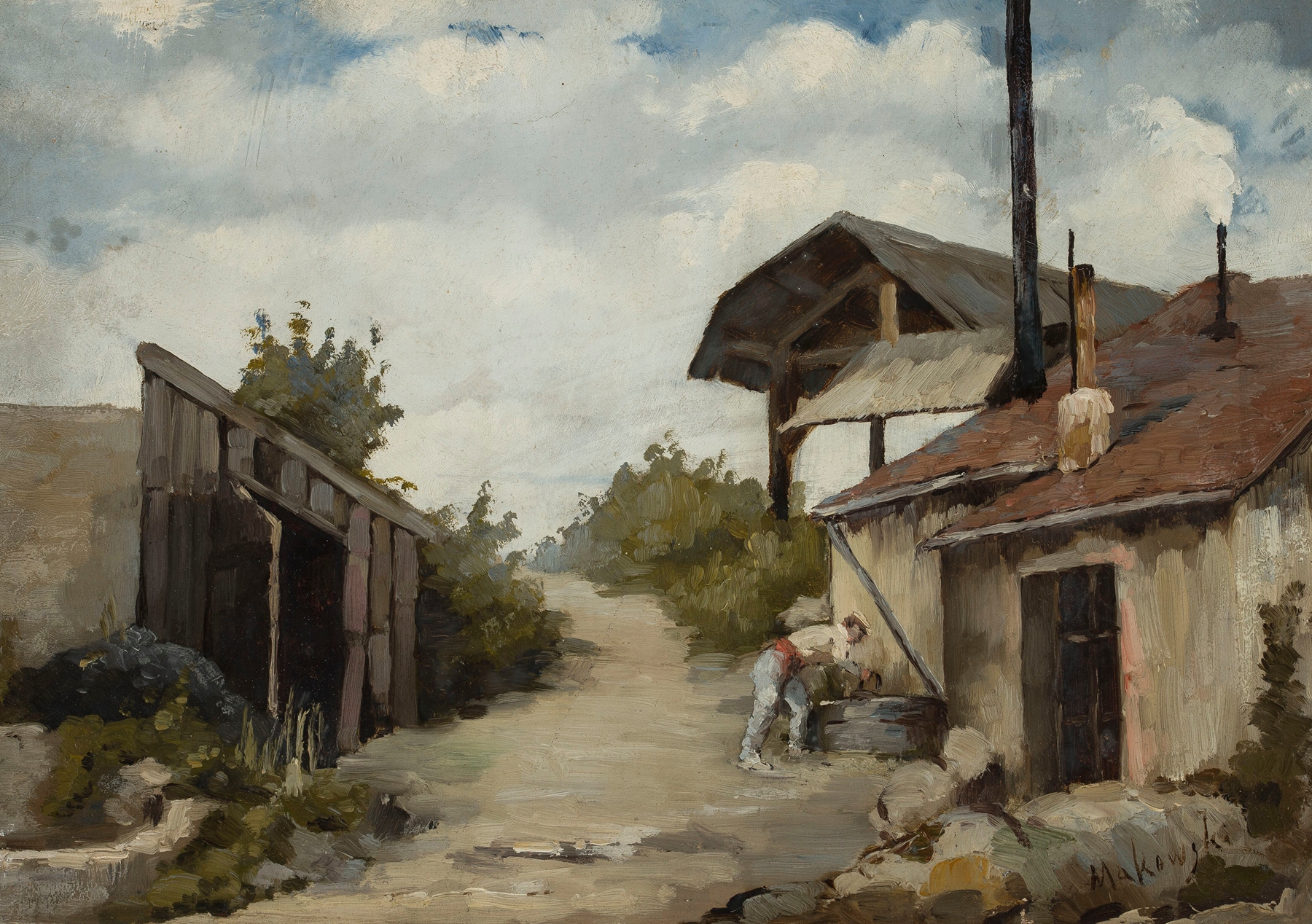
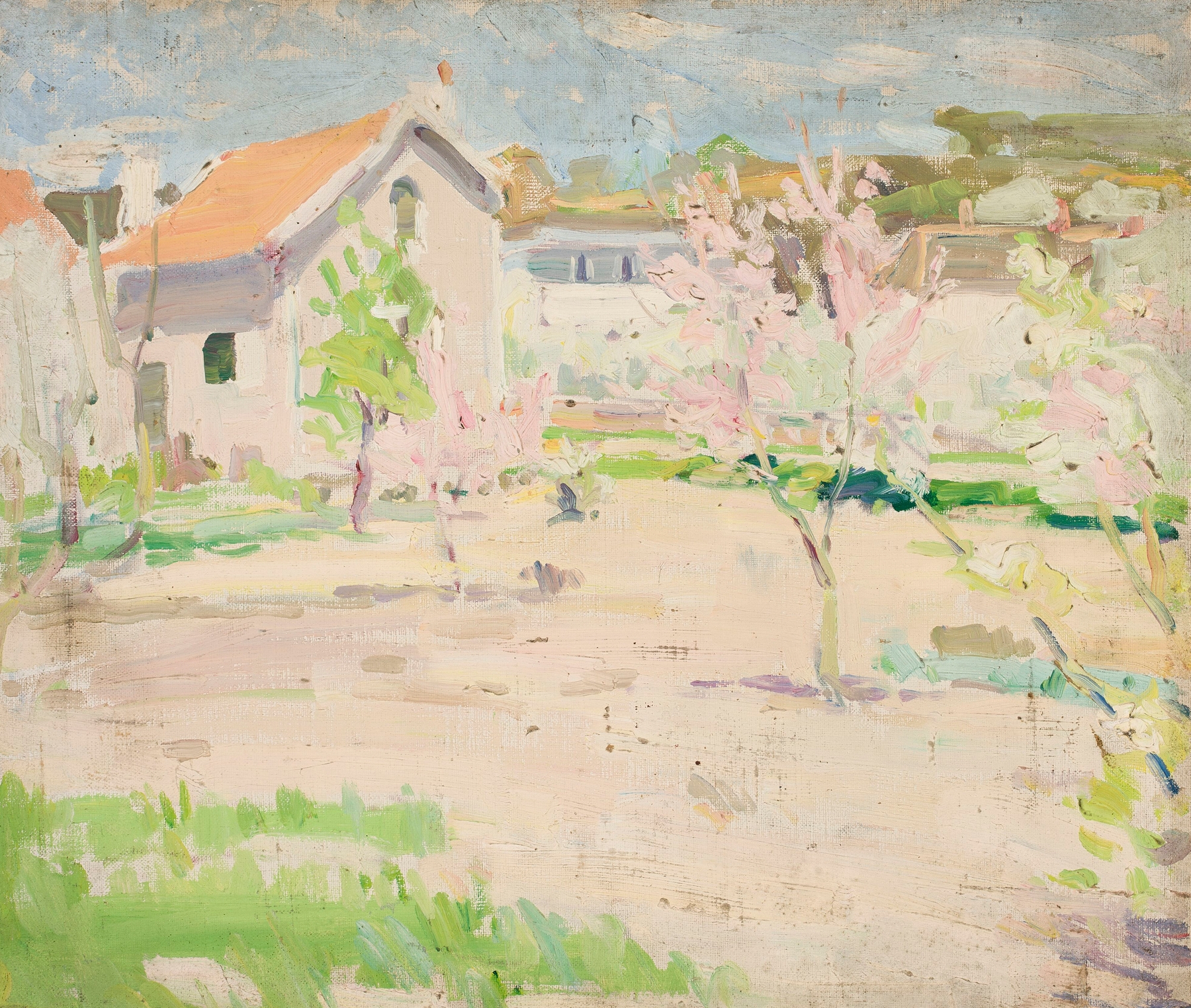
“Under the brush, chaos becomes grace.” In Pejzaż wiosenny, Tadeusz Makowski captures the ephemeral beauty of spring through a delicate interplay of light and color, inviting viewers into a world where nature's vibrancy reigns. Look to the center of the canvas, where soft greens and blues converge, creating a sense of harmony. The painter's technique is evident in the gentle strokes that mimic the movement of leaves swaying in a warm breeze. Notice how the light filters through the foliage, illuminating patches of earth and casting playful shadows that dance across the landscape.
The palette reflects the awakening of life, with pastel hues that evoke both tranquility and a joyous anticipation of warmer days. Beneath the surface, the work reveals a tension between chaos and order. The seemingly random brushwork echoes the unpredictability of nature, while the balanced composition suggests an underlying structure to the chaos. Each stroke, whether vigorous or tender, holds significance—inviting contemplation on the transient nature of beauty and the cycles of life.
This duality speaks to the viewer's emotions, creating a dialogue between the serene landscape and the tumult of spring's arrival. In 1920-21, Makowski was immersed in the vibrant art scene of Paris, intertwining with the avant-garde movements of his time. He was exploring the synthesis of folklore and modernism, creating works that resonated with personal and collective memory. This period marked a transition in his style, reflecting both the artistic experimentation of the era and his deep connection to the Polish landscape.