Frühling — History & Analysis
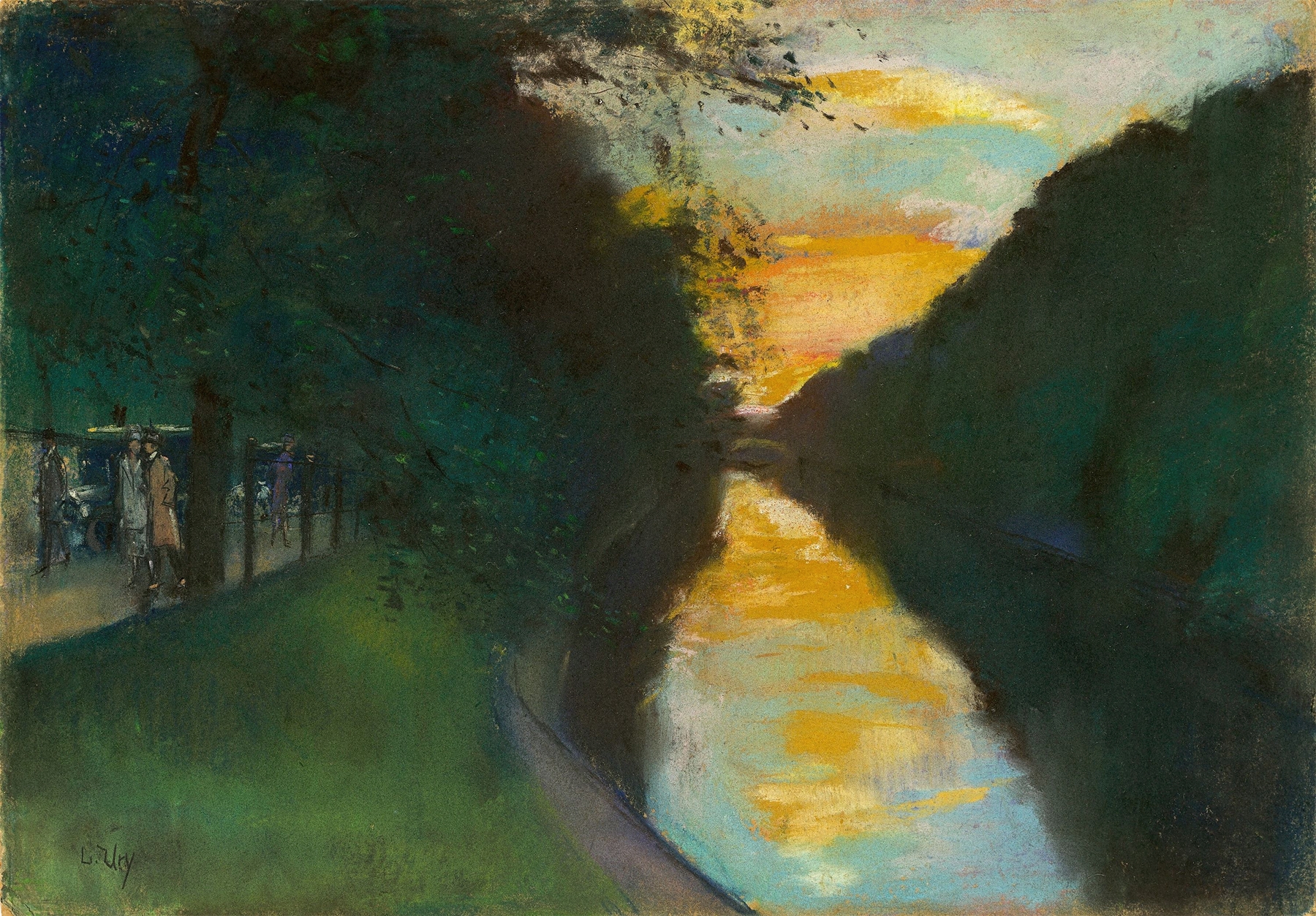
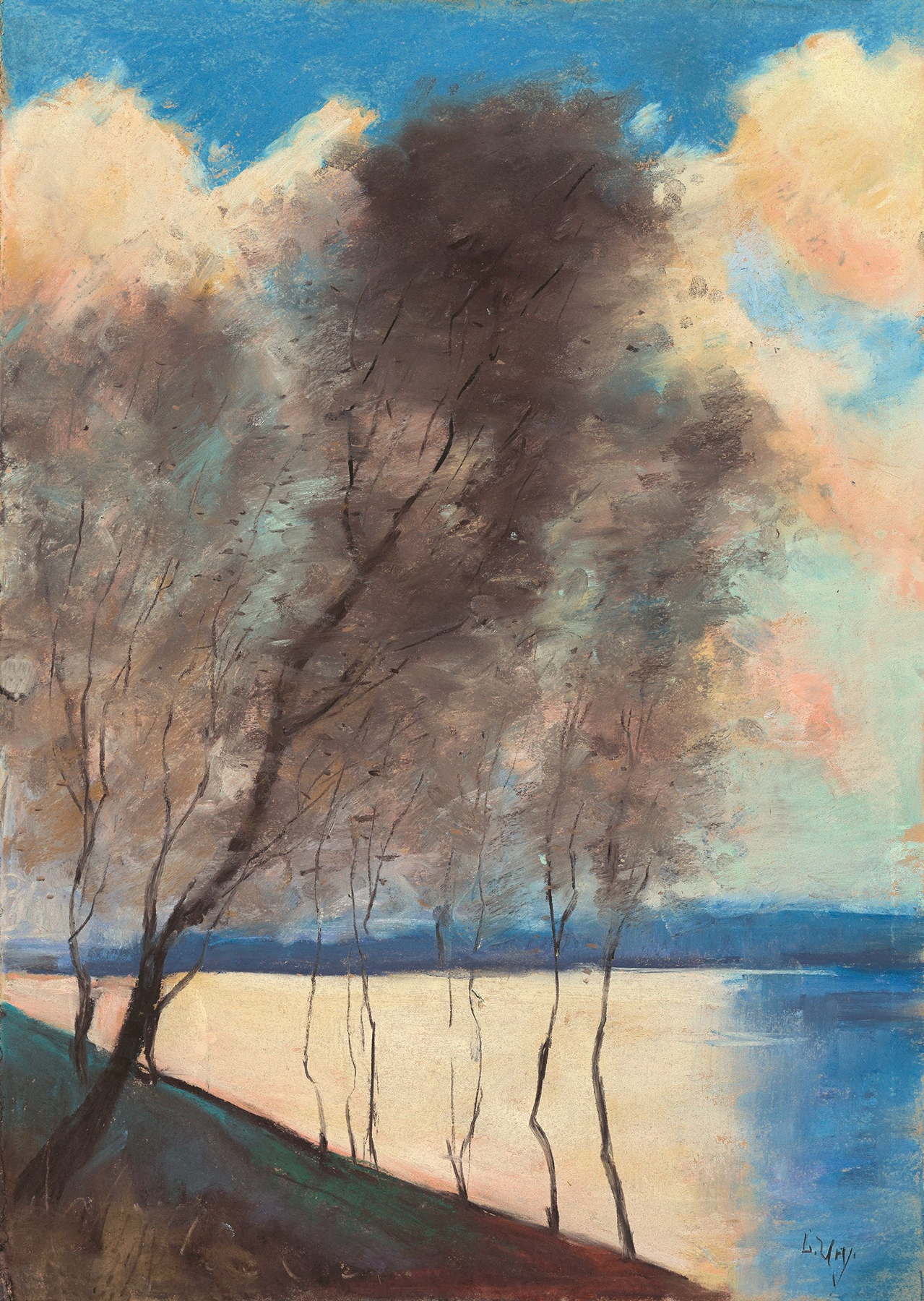
When did color learn to lie? In Frühling, the delicate hues whisper of life while concealing an air of fragility beneath their vibrance. This painting is a conversation about the ephemeral nature of beauty and the vulnerability intertwined with the blossoming of spring. Look to the left at the soft strokes of green that cradle the blossoming trees, their branches sweeping gently across the canvas. Notice how the light dances across the petals, illuminating their tender pinks and whites, as if inviting the viewer into a tranquil moment of renewal.
Ury’s use of a light palette evokes a sense of warmth, while the gentle blending of colors creates a hazy dream-like quality, drawing you deeper into the scene. The viewer is enveloped in the inviting embrace of nature, yet there's an underlying tension present in the lushness that might fade too soon. Beneath the surface, this work speaks to the contrasts of life—beauty and decay, joy and sorrow. The vivid blooms are undeniably captivating, yet they hint at their own impermanence, echoing the fleeting nature of spring. Each brushstroke reveals a vulnerability, suggesting that even the most vibrant moments are tinged with the inevitability of change.
This dichotomy invites reflection on the fragility of existence, making the viewer acutely aware of time passing. In 1903, Ury was in Berlin, where he was inspired by the transition of seasons and the emotional resonance of nature. The turn of the century was a period marked by rapid change in art, as artists began to explore new forms of expression and perception. Ury, influenced by Impressionism, sought to capture the evanescent beauty of the world around him, creating works that resonated with both tenderness and depth, as seen in this evocative piece.