From Billingsgate — History & Analysis
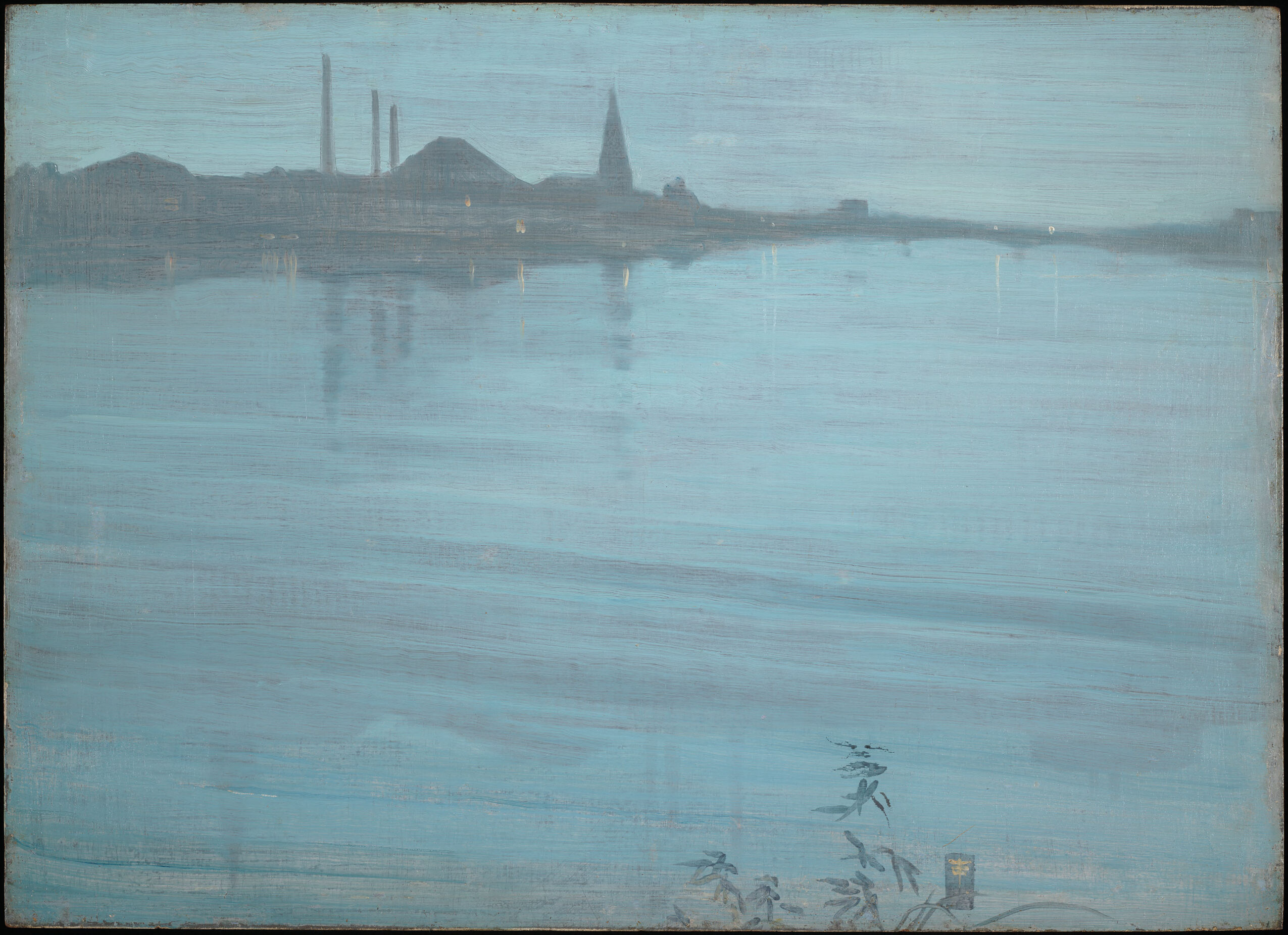
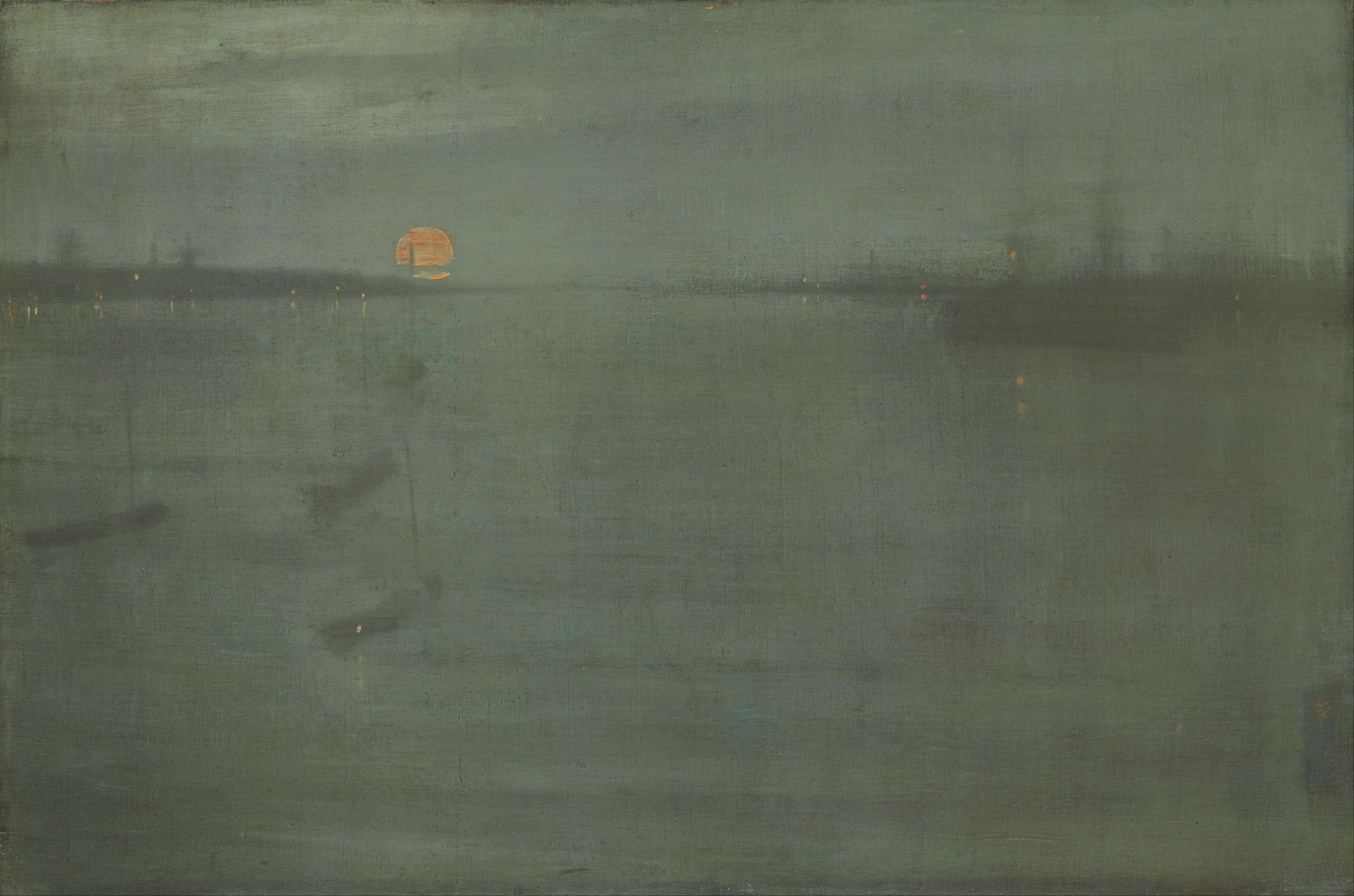
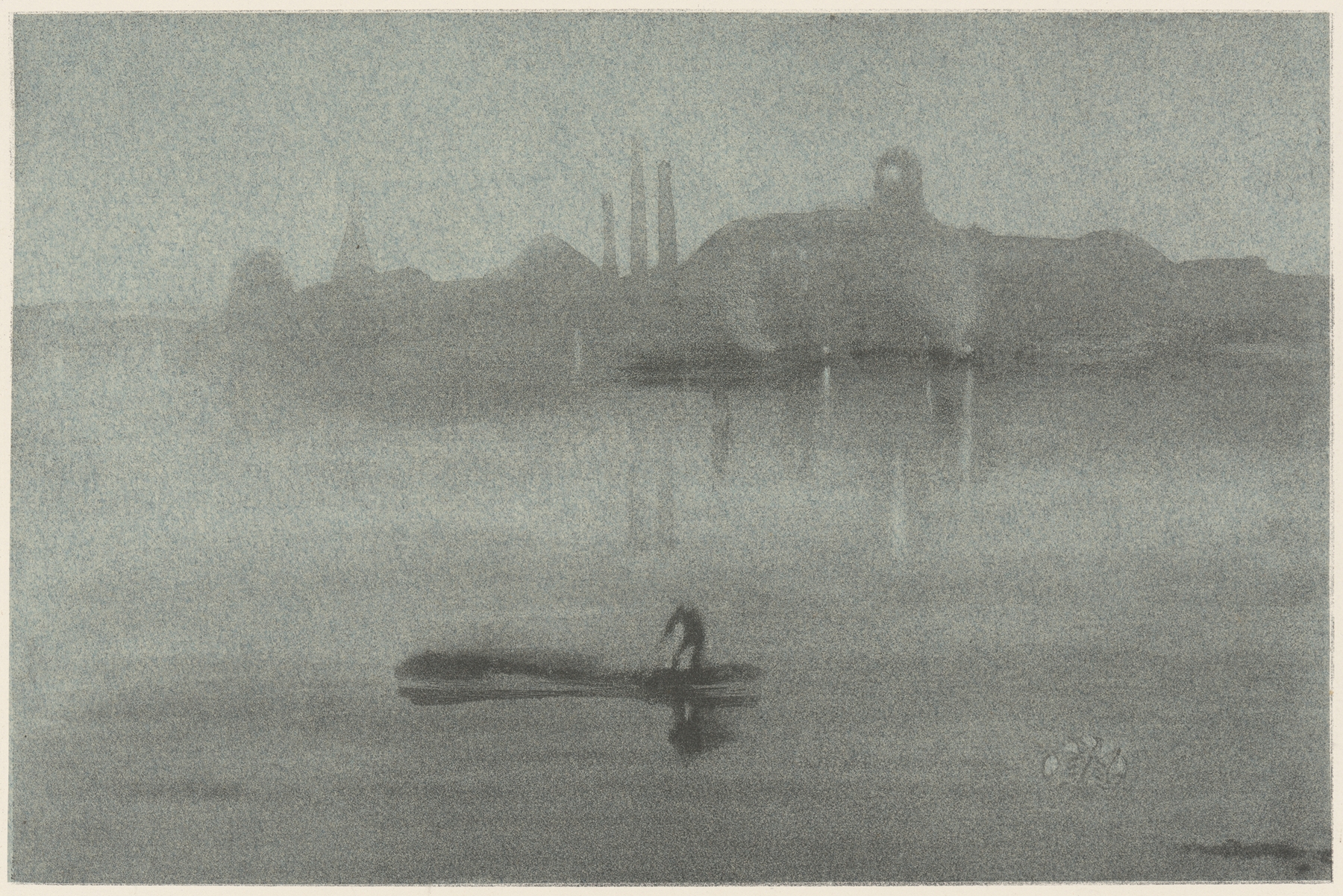
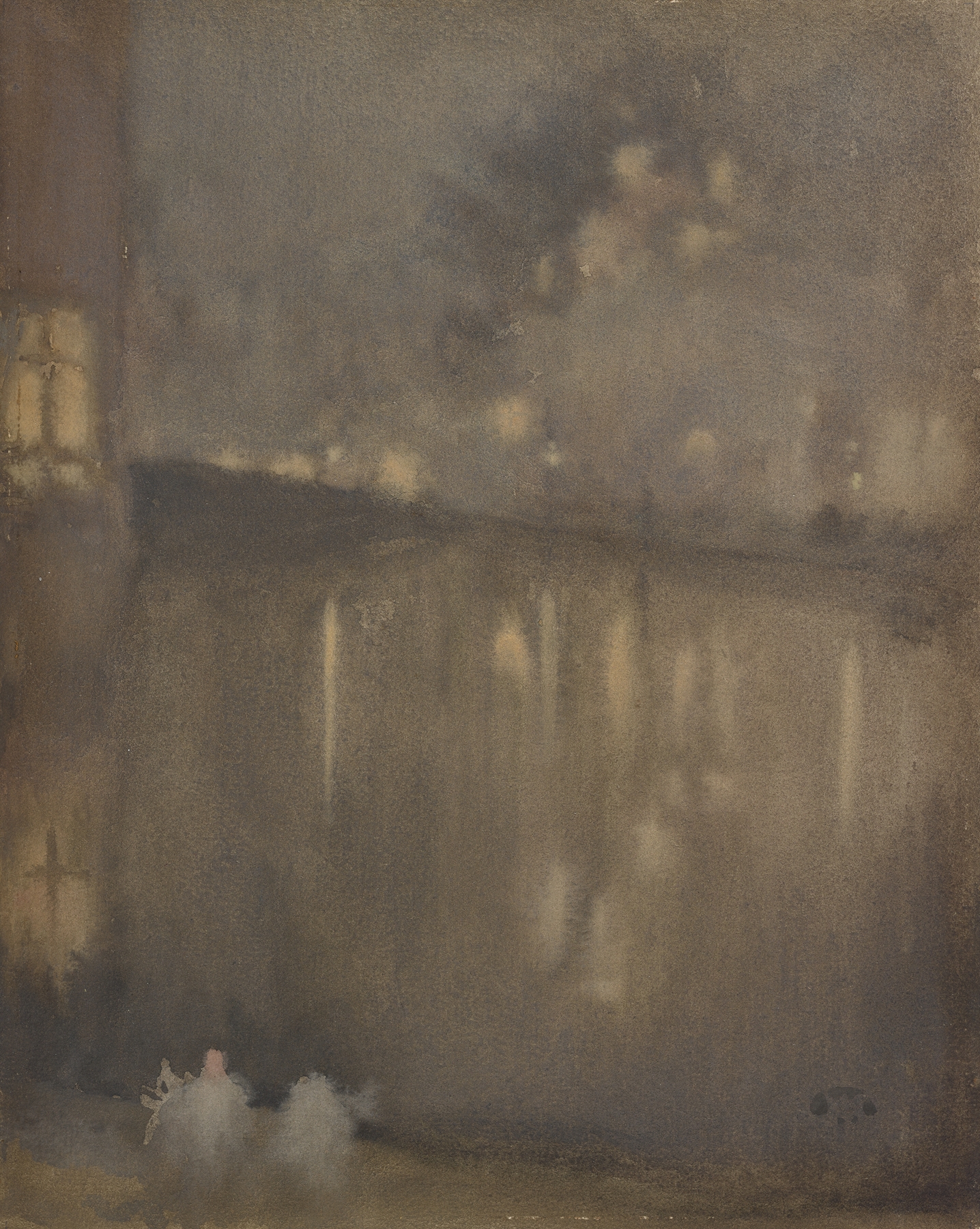
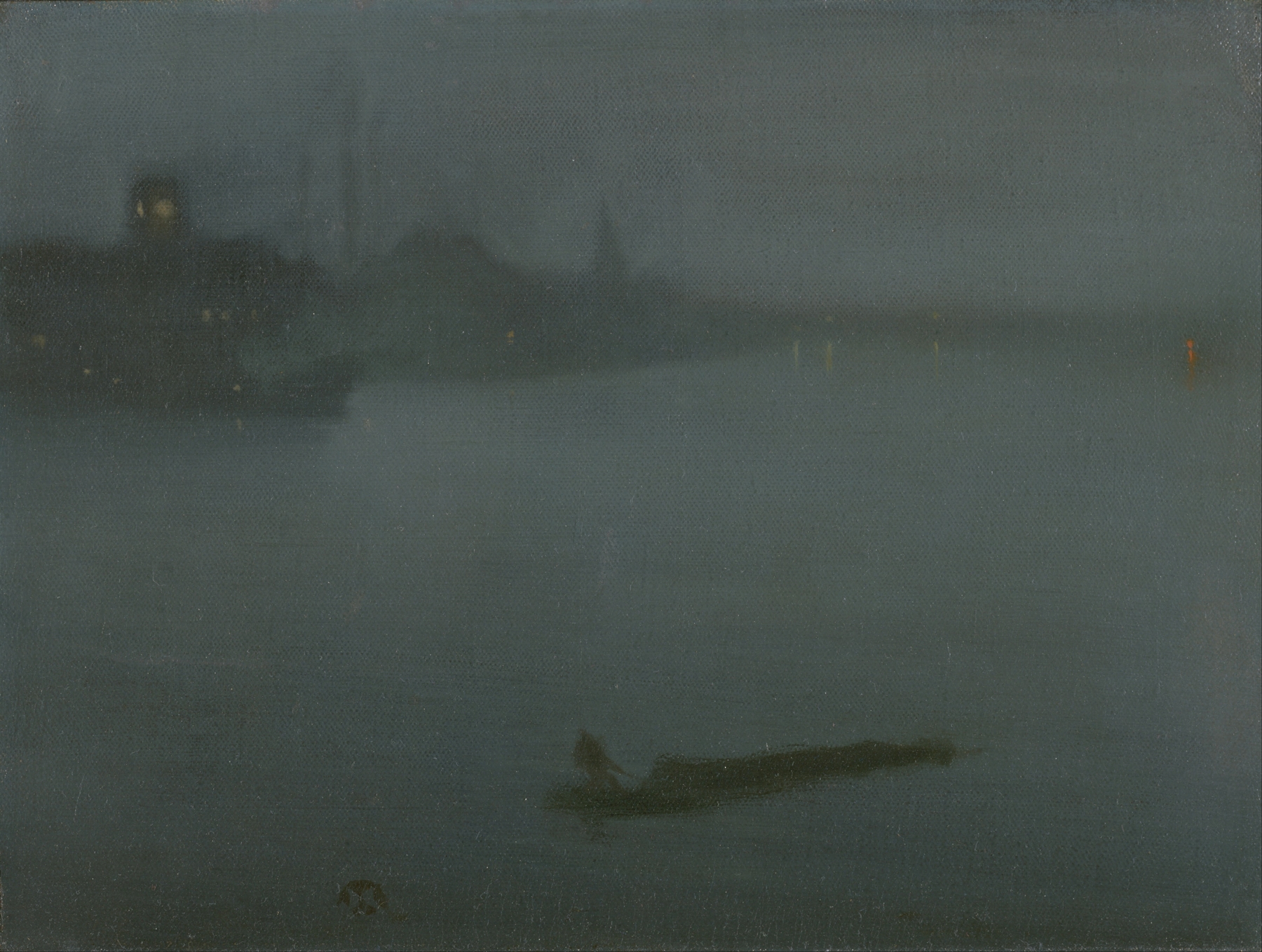
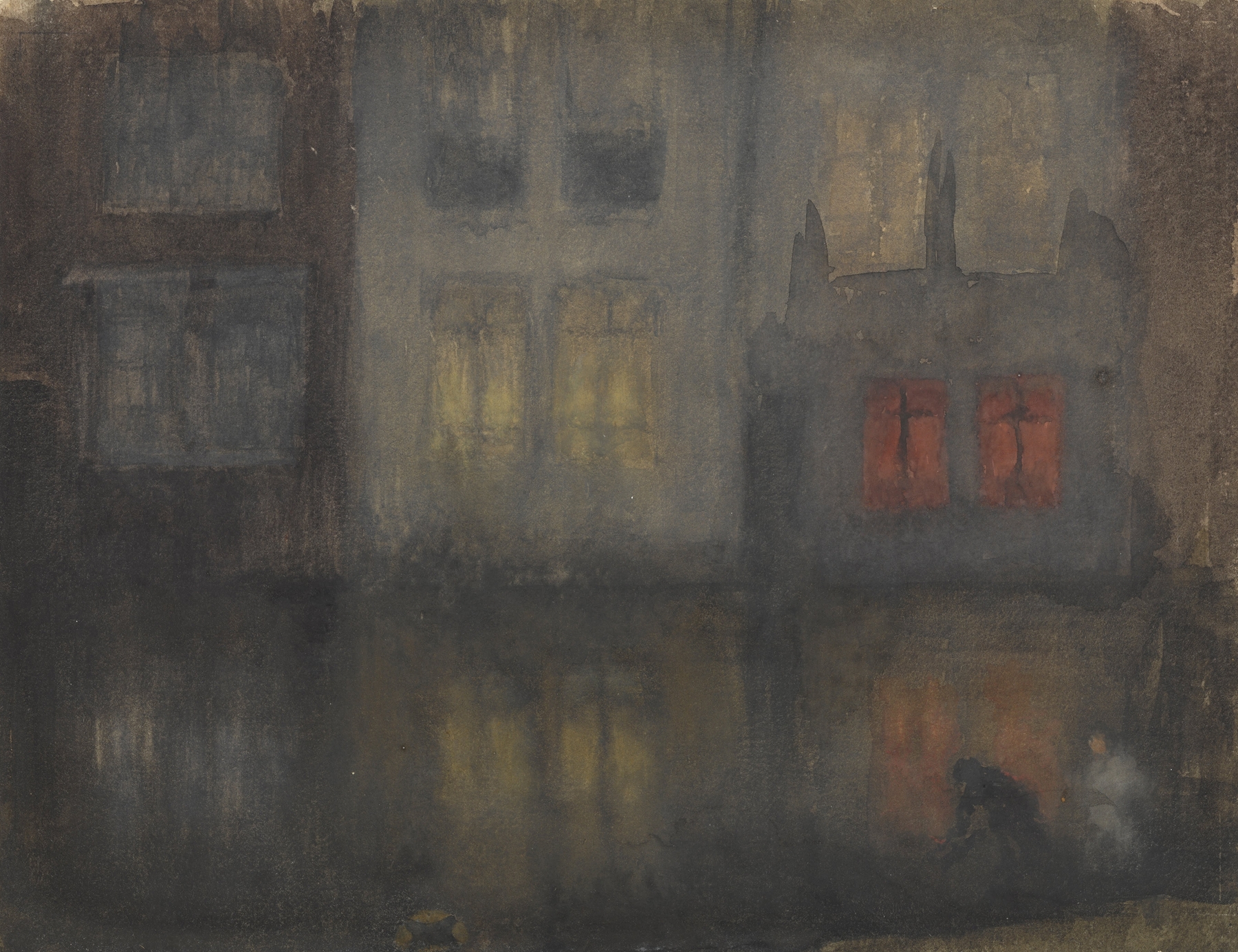
“Sometimes beauty is just pain, disguised in gold.” In From Billingsgate, shadows dance delicately across a scene steeped in melancholy and grace. Look to the left at the solitary figure, partially obscured by shadows, conveying a sense of isolation amidst the bustling market. The muted palette—grays, blues, and hints of gold—creates an ethereal atmosphere, pulling viewers into the depths of the moment. Notice how the light captures the shimmering scales of the fish, reflecting both the vibrancy of life and the weight of labor; it speaks to the duality of existence that Whistler masterfully portrays.
In this work, the contrast between light and shadow creates an emotional tension that resonates deeply. The fishmonger, with his bowed head and weary posture, embodies the struggle of daily life, while the golden light that breaks through serves as a reminder of beauty amidst toil. The stillness around him juxtaposes the chaos of the market, suggesting an introspective pause in the relentless rhythm of work and survival.
Whistler painted From Billingsgate in 1878, during a time when he was immersed in the complexities of his artistic identity. Living in London, he was navigating the tensions between realism and aestheticism, challenging traditional norms. The widespread industrialization and its effects on society also influenced his work, as he sought to find beauty in the unnoticed fragments of everyday life, crafting a narrative that is at once personal and universal.