From the Bridge at Cardigan — History & Analysis
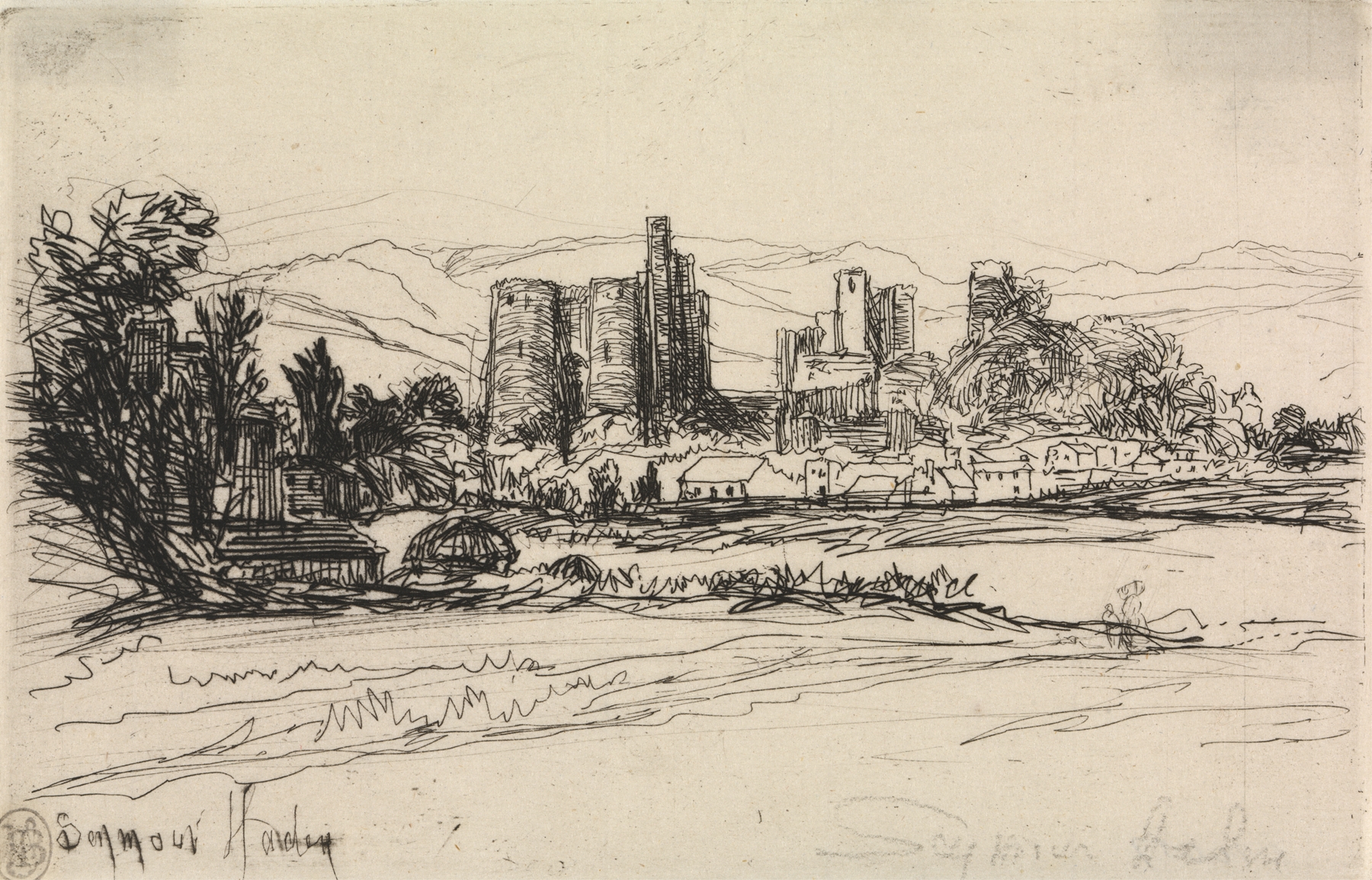
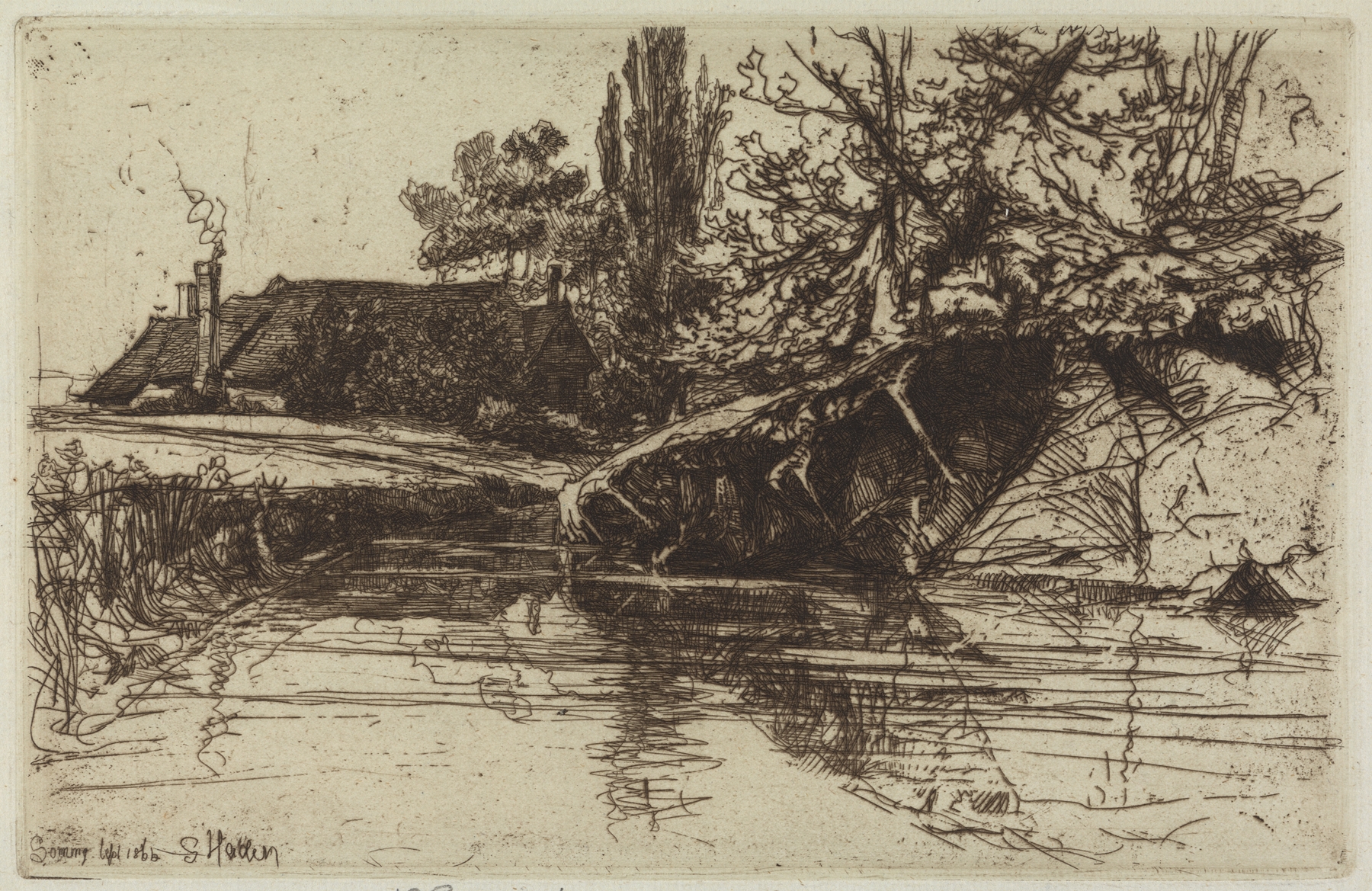
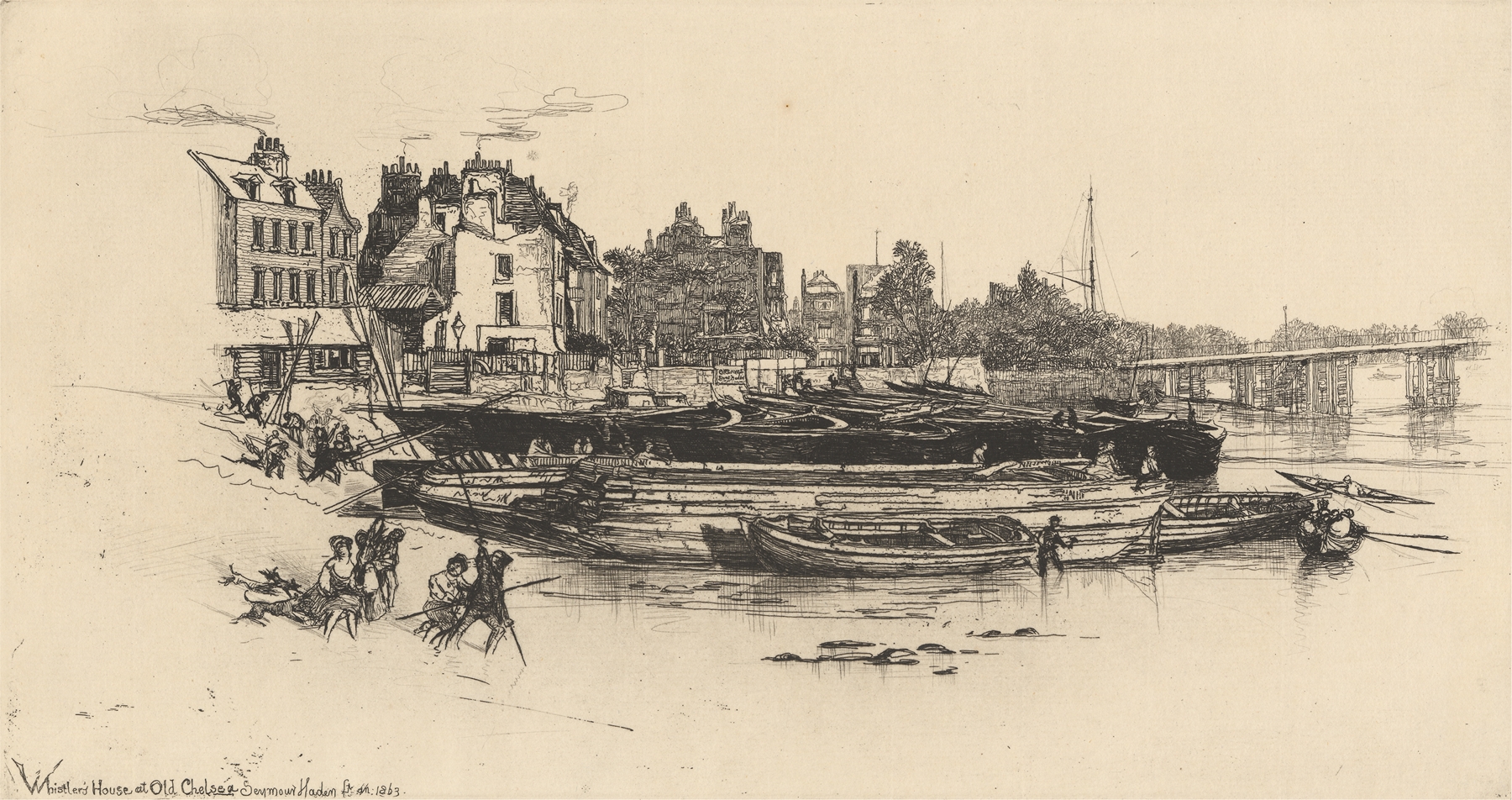
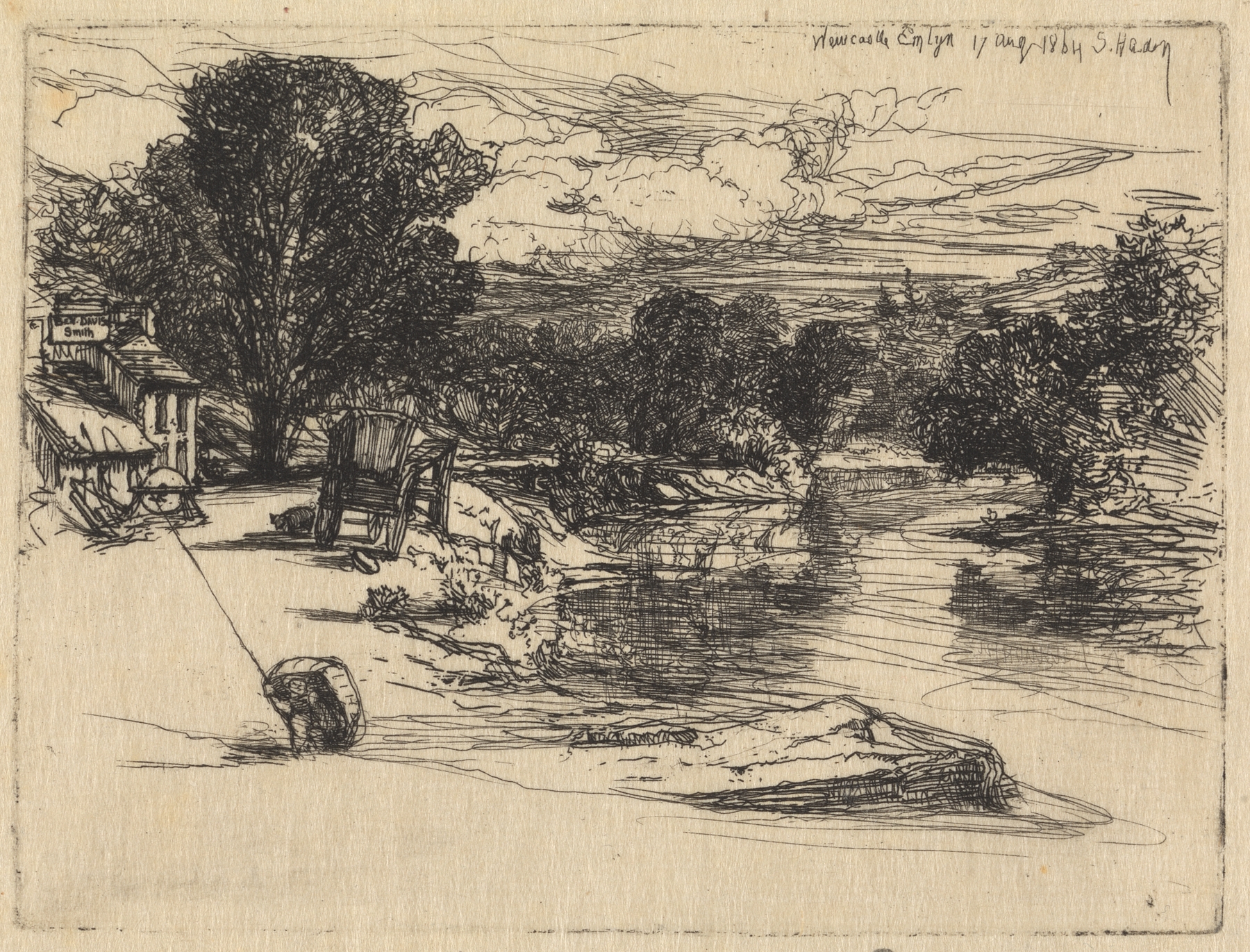
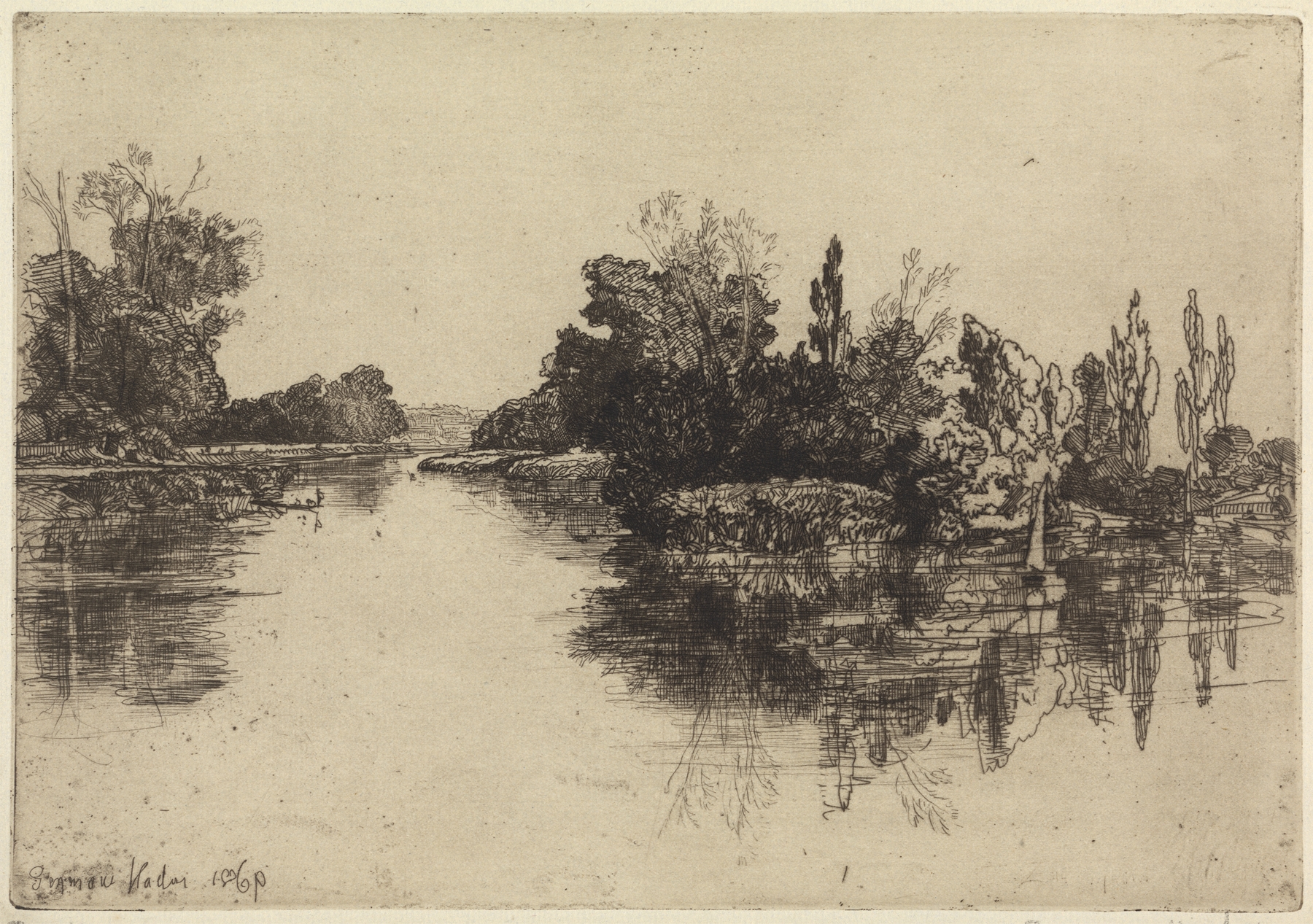
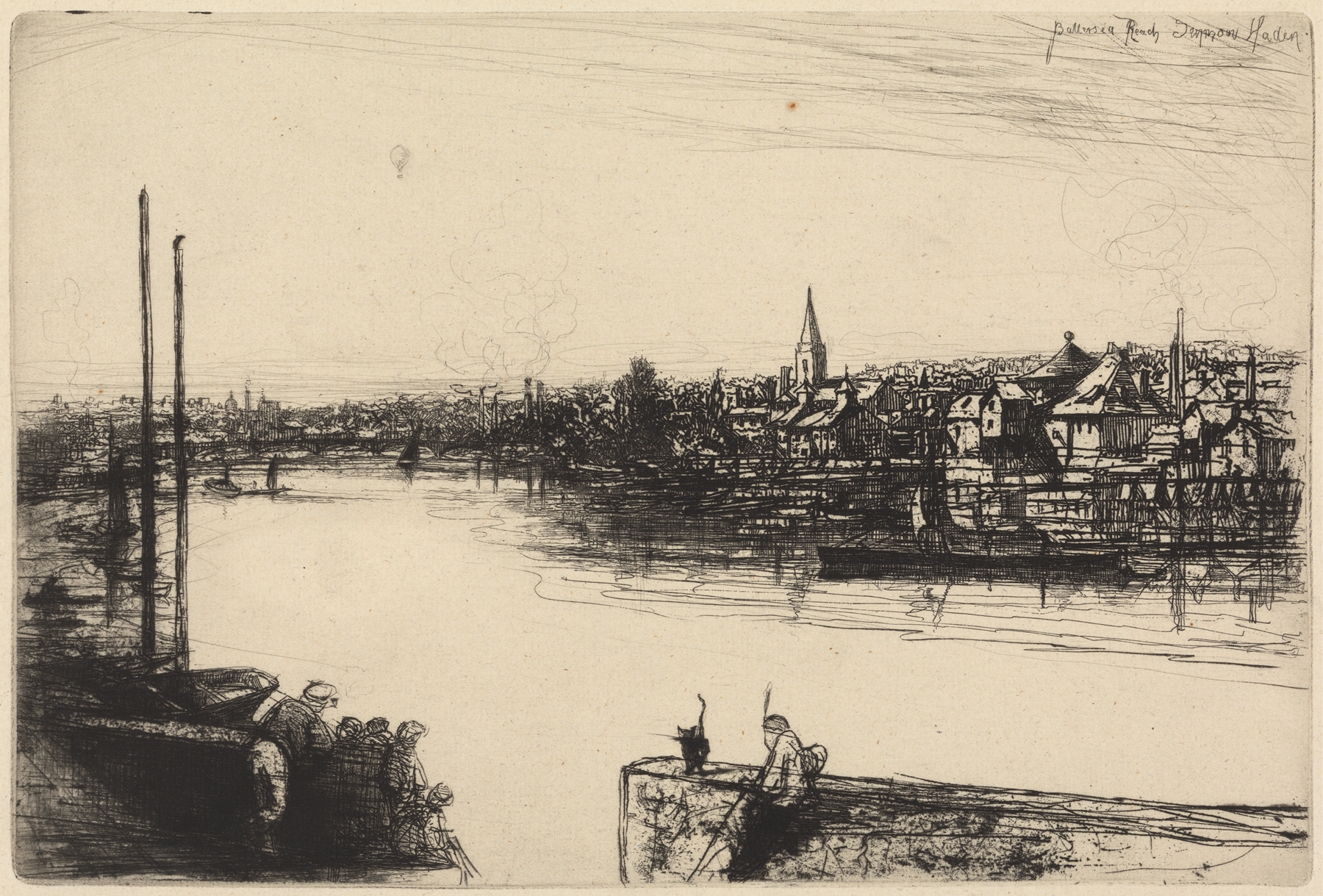
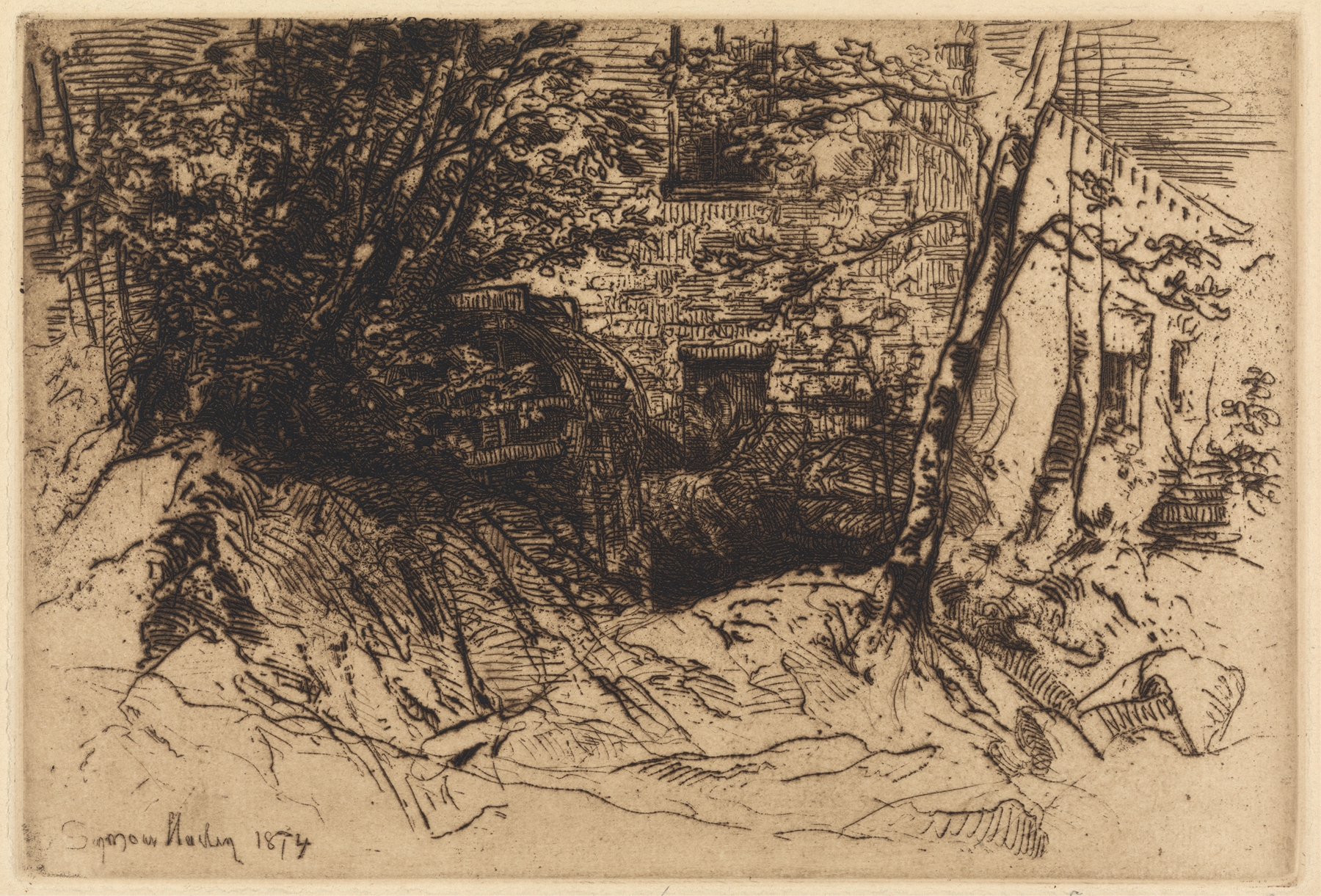
What if silence could speak through light? In From the Bridge at Cardigan, the subtle interplay of shadows and glimmers evokes a profound melancholy, inviting the viewer to pause and reflect. Look to the foreground, where the delicate lines of the bridge stretch across the river, its wooden essence bathed in soft, muted hues.
The water's surface mirrors the overcast sky, creating a seamless blend of colors that suggests an atmosphere of tranquility tinged with longing. Notice how each stroke captures the undulating flow of the river, reinforcing the ephemeral nature of the moment, while the figures in the distance remain small and indistinct, hinting at the isolation that accompanies introspection. Deeper insights reveal contrasts in this serene landscape: the tension between the stillness of nature and the movement implied by the water; the warmth of the earth tones against the coolness of the sky; the sharpness of the bridge juxtaposed with the fluidity of the river below.
These elements speak to a sadness that lingers just beneath the surface, perhaps reflecting the artist’s own contemplations on life and the passage of time. In 1864, Haden created this piece during a transformative period for British printmaking, as he sought to elevate etching as a fine art form. With a burgeoning reputation, he found inspiration in both the natural beauty of the Welsh landscape and the emotional depths of his experiences, crafting works that resonate with a palpable sense of longing.