Fruit Garden in Autumn (Obstgarten im Herbst) — History & Analysis
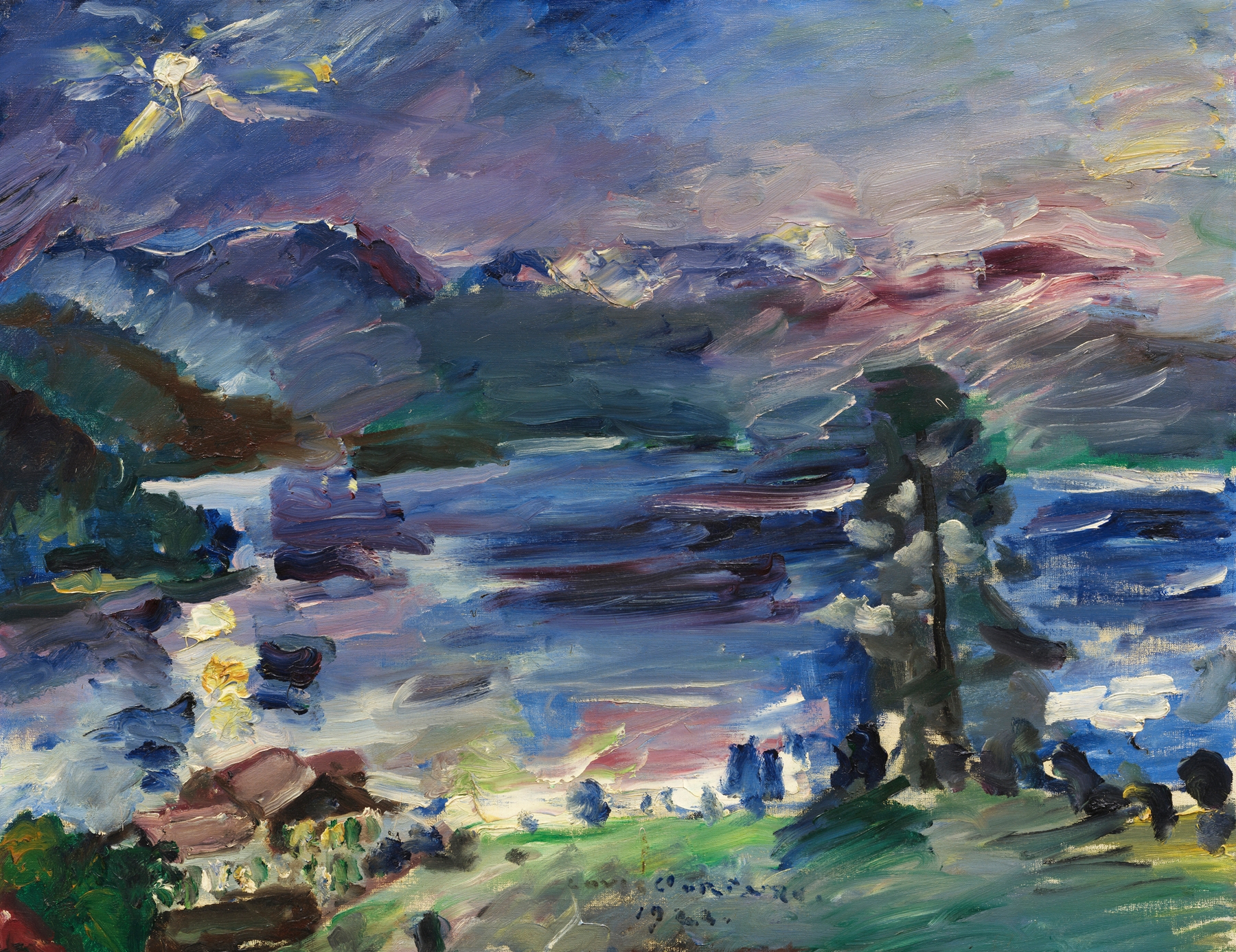
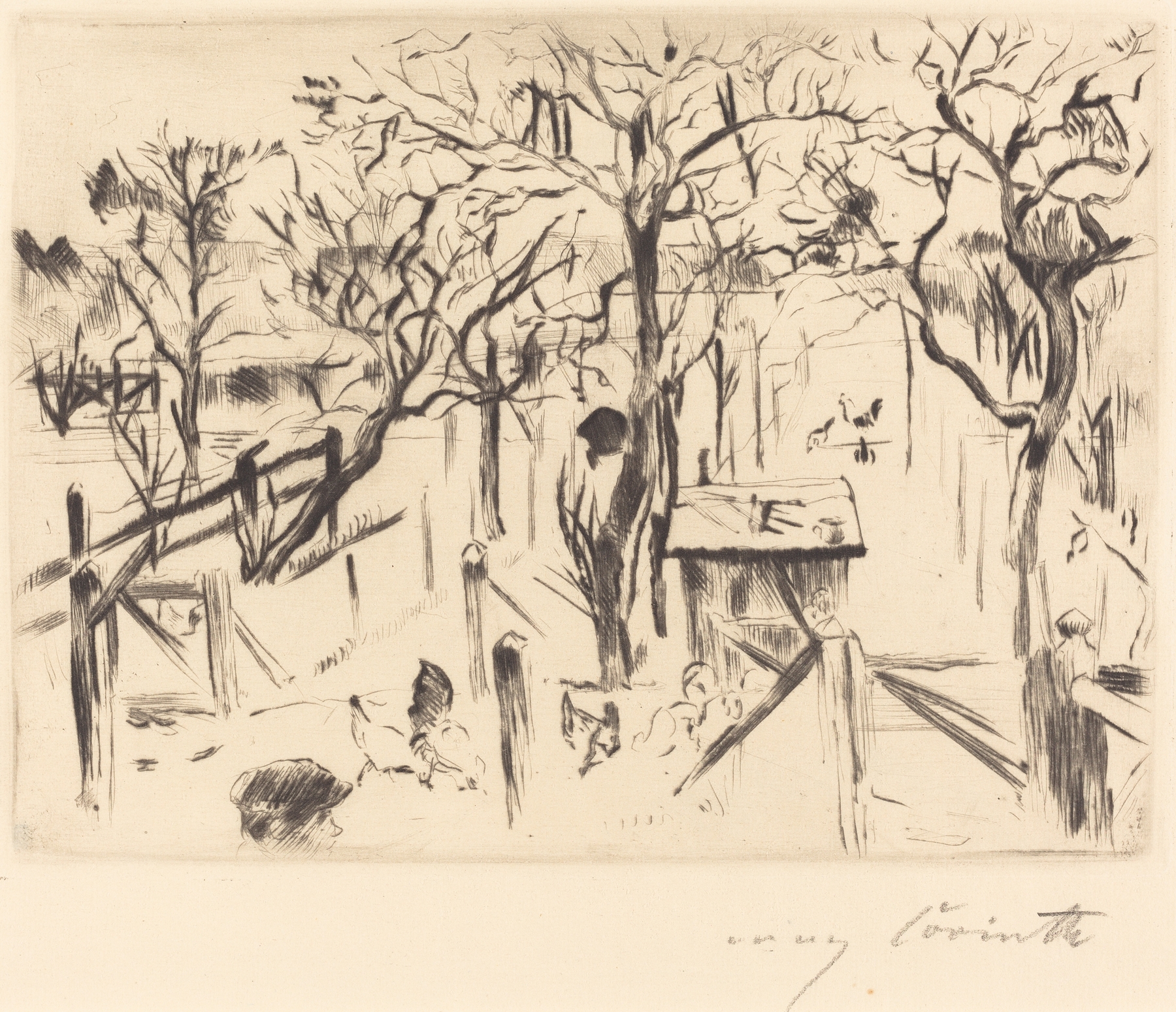
Amidst the dappled light of a late autumn afternoon, a bountiful orchard vibrates with colors both rich and fading. The branches, heavy with ripe fruit, sway gently in the crisp breeze, while the ground beneath them is carpeted with fallen leaves, whispering secrets of the season's passage. A sense of tranquility pervades the scene, as nature prepares for a slumber, each moment held in delicate balance. Look to the left, where bold strokes of crimson and gold depict the clusters of apples, their glossy surfaces catching the sunlight.
The painter’s palette is a symphony of warm hues, contrasting with the deep green of the remaining foliage. Notice how the brushwork varies from tight and detailed on the fruit to looser and freer in the surrounding foliage, inviting the viewer to appreciate the vibrancy of life while hinting at its inevitable decay. Beneath this idyllic surface lies a tension between abundance and the oncoming winter, a poignant reminder of life's cyclic nature. The juxtaposition of ripe fruit and fallen leaves symbolizes both nourishment and transience, evoking reflections on mortality.
Each brushstroke carries a whisper of the artist's own journey, instilling the composition with an emotional resonance that speaks to the heart. In 1912, Lovis Corinth, a pivotal figure in German expressionism, created Fruit Garden in Autumn while exploring themes of nature's beauty and impermanence. Living in a time of artistic revolution, he became known for his bold use of color and dynamic brushwork. This work reflects his deep appreciation for the fleeting moments of life, as well as the broader societal shifts occurring in pre-World War I Europe.