Fußsteg am Landwehrkanal (Lützow-Brücke), Berlin — History & Analysis
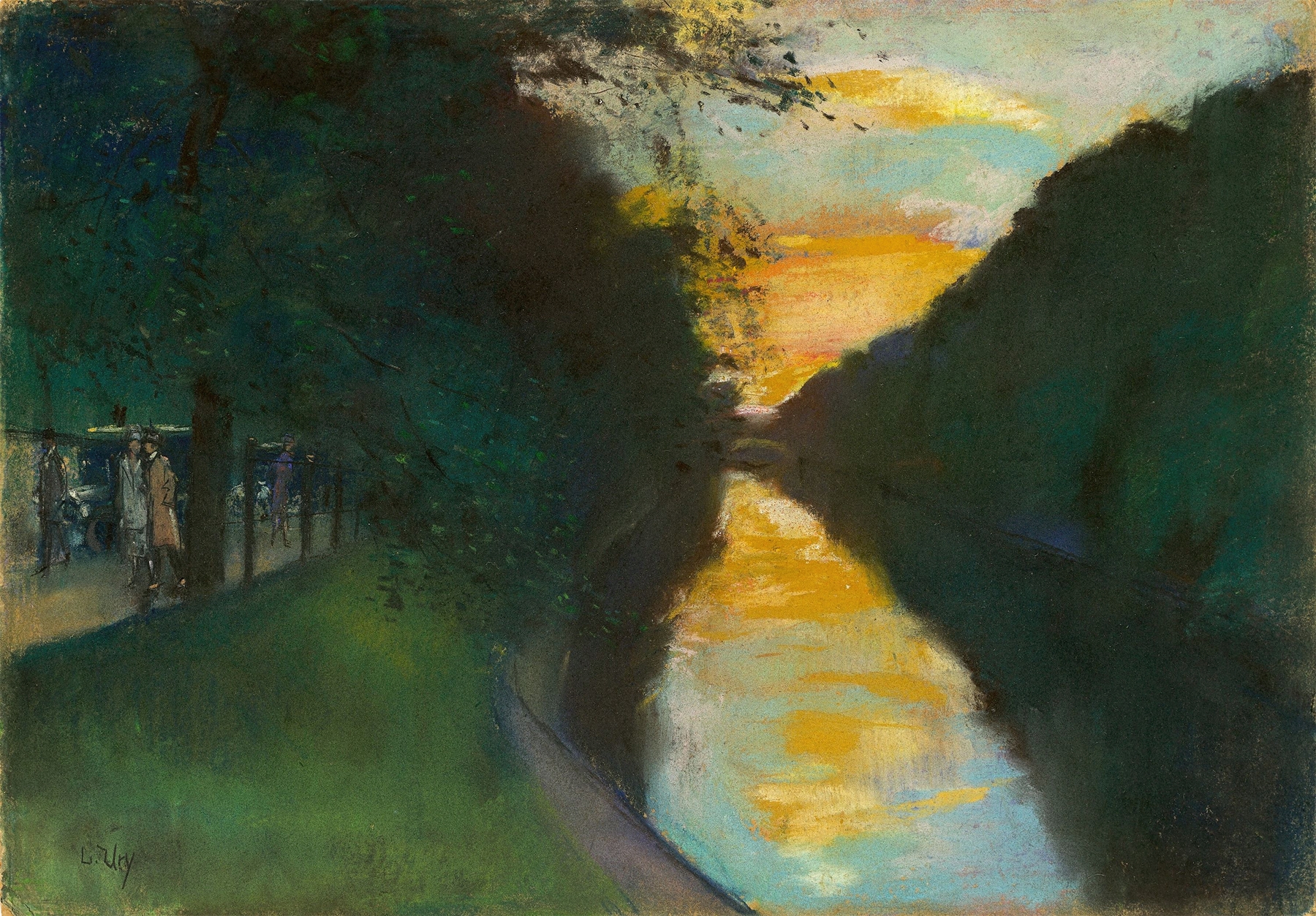
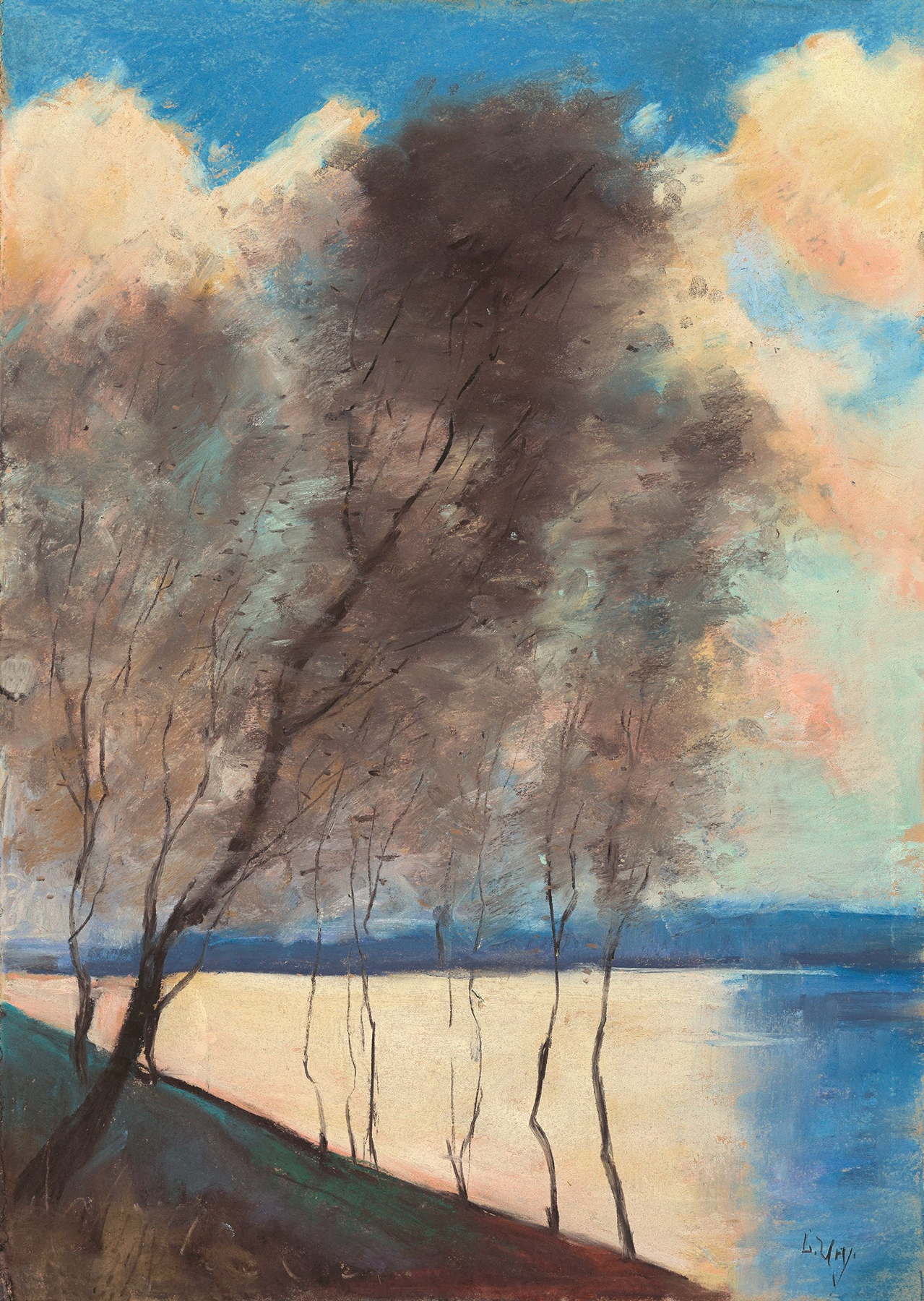
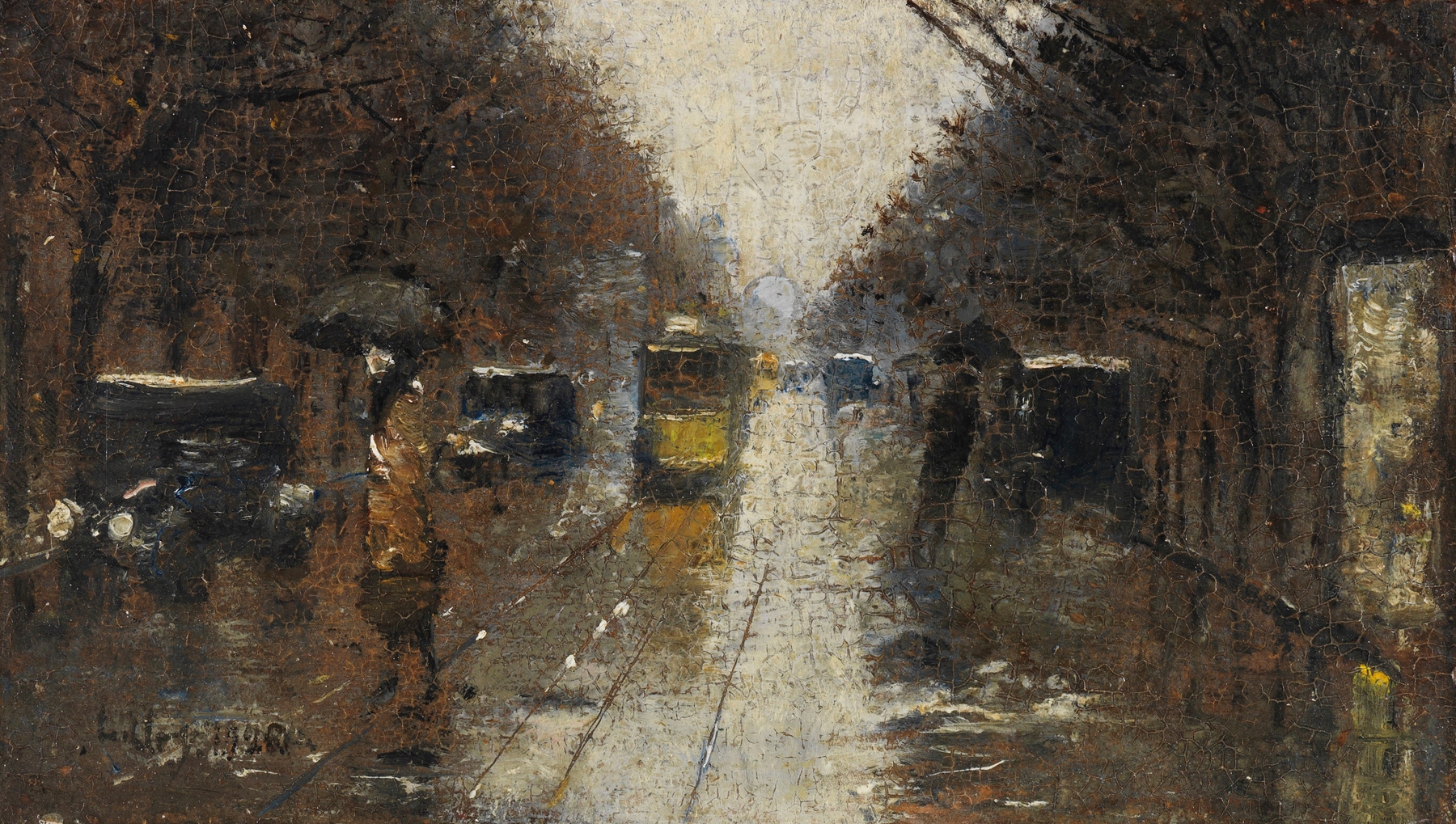
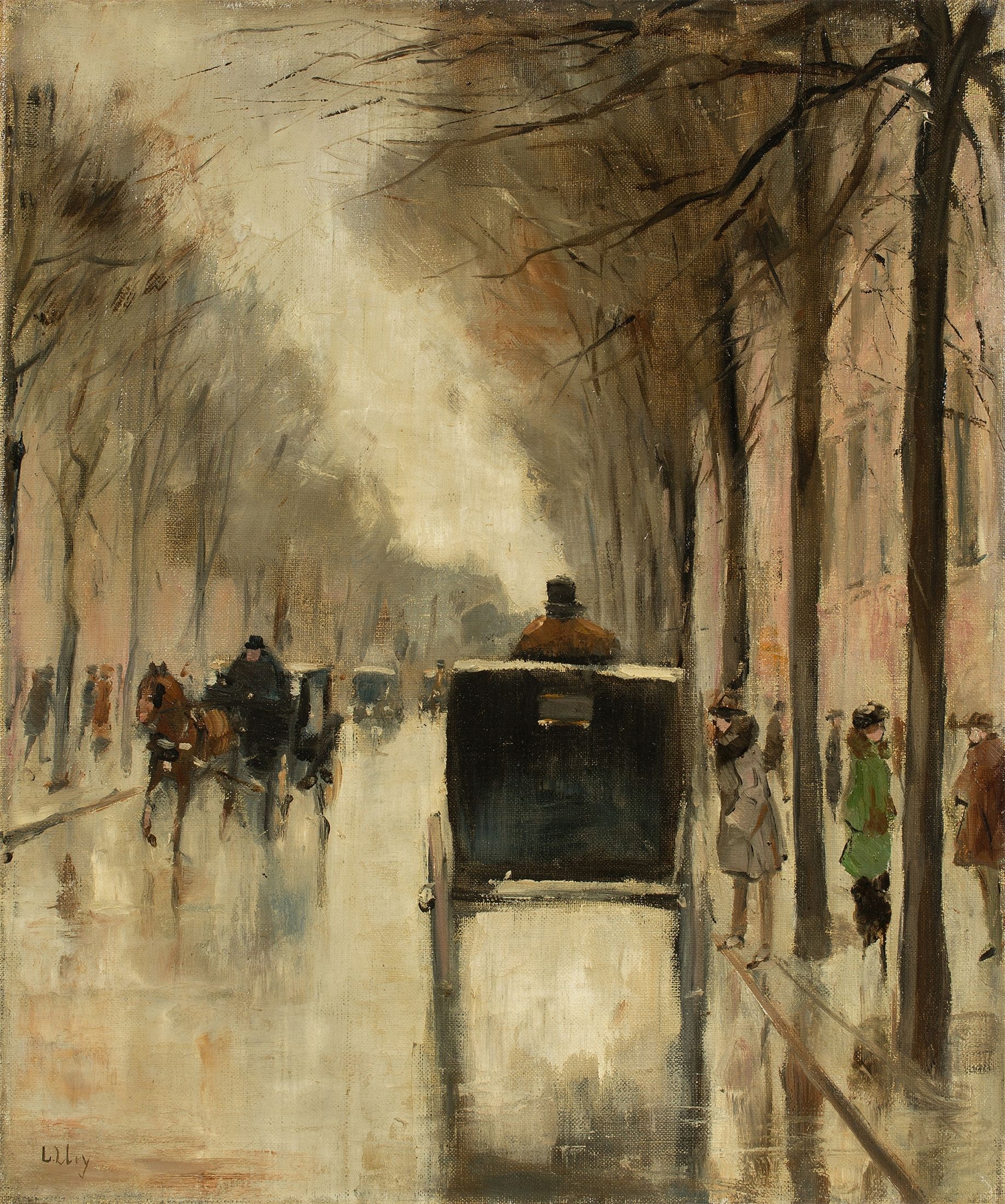
Can beauty exist without sorrow? The stirring reflections in this piece suggest a profound connection between the two, inviting us to ponder their intertwined nature. Look closely at the shimmering surface of the canal, where the water mirrors the tranquil, yet haunted silhouettes of the trees that embrace its banks. The palette is a delicate blend of muted blues and soft grays, creating an ethereal atmosphere. Notice how the light dances on the water’s surface, a fleeting moment captured in time, illuminating the melancholic beauty of the scene.
The subtle brushstrokes evoke a sense of stillness, as if the world is suspended in a moment of reflection. Deeper layers of meaning emerge as you study the variations in light and shadow. The trees, though serene, stand like guardians of forgotten stories, hinting at untold sorrows beneath their boughs. The canal itself serves as a metaphor for memory—an unending flow of what once was, both beautiful and tragic.
Each ripple in the water suggests a whisper of the past, an invitation to contemplate the bittersweet nature of existence. In the 1920s, the artist found himself in a rapidly changing Berlin, a city still healing from the scars of war. During this period, Ury's work was marked by experimentation in light and emotion, as he sought to capture the essence of urban life amidst turmoil. This painting, created during a time of profound introspection, reflects his desire to explore the delicate balance between beauty and sorrow, cementing his place in the pantheon of modern art.