Gate-way, Saint Mary’s Wiggenhall, Norfolk — History & Analysis
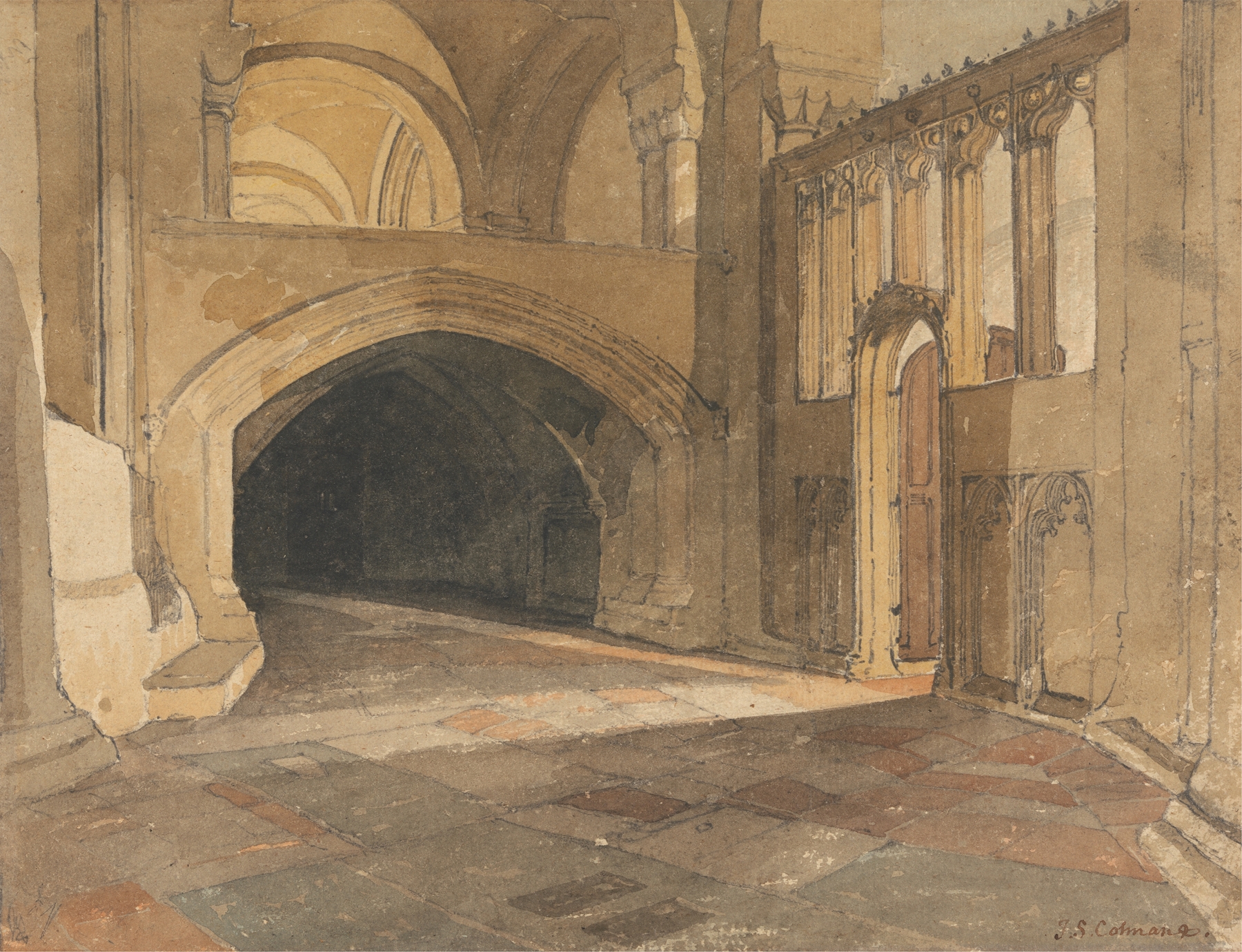
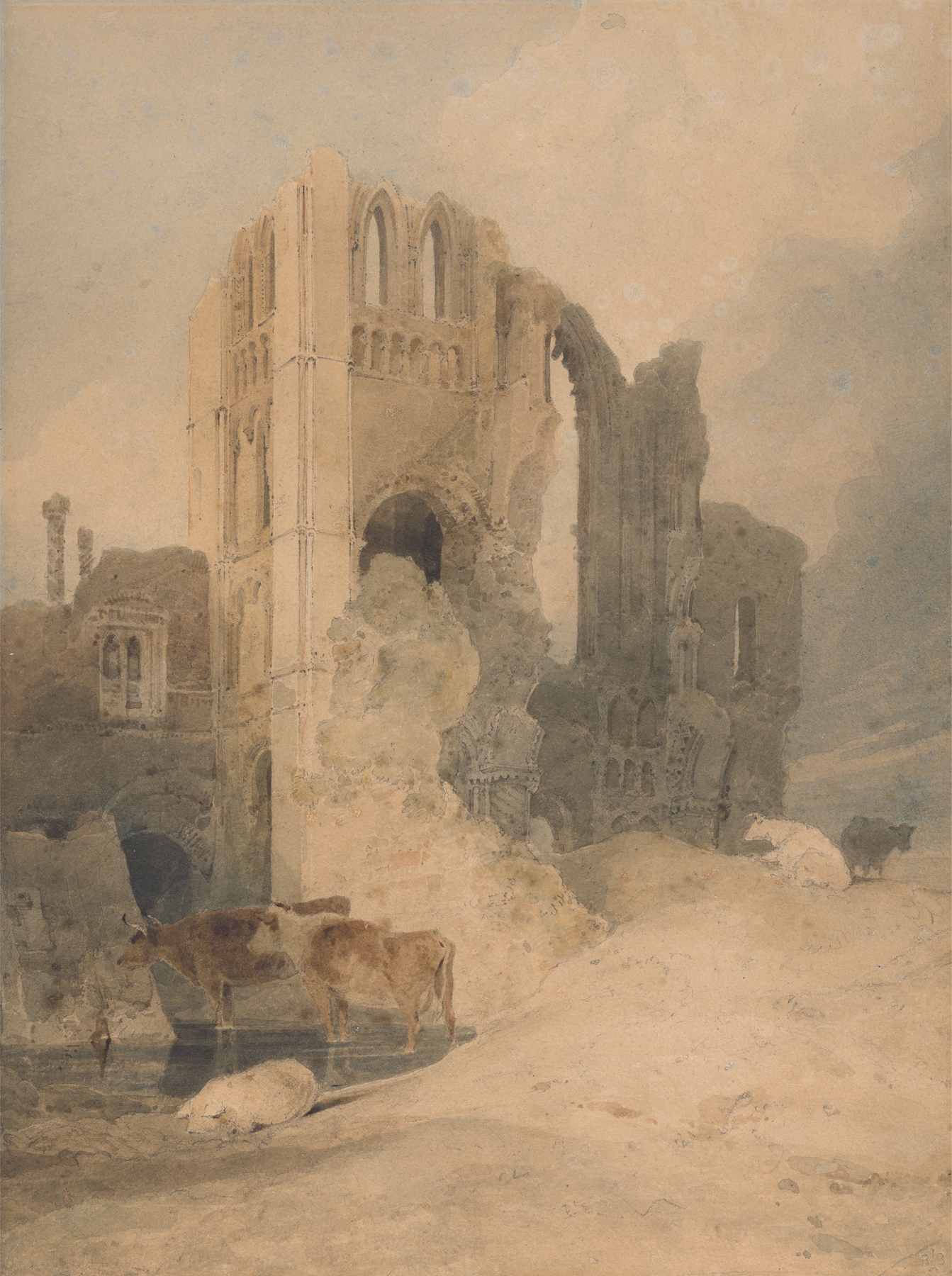
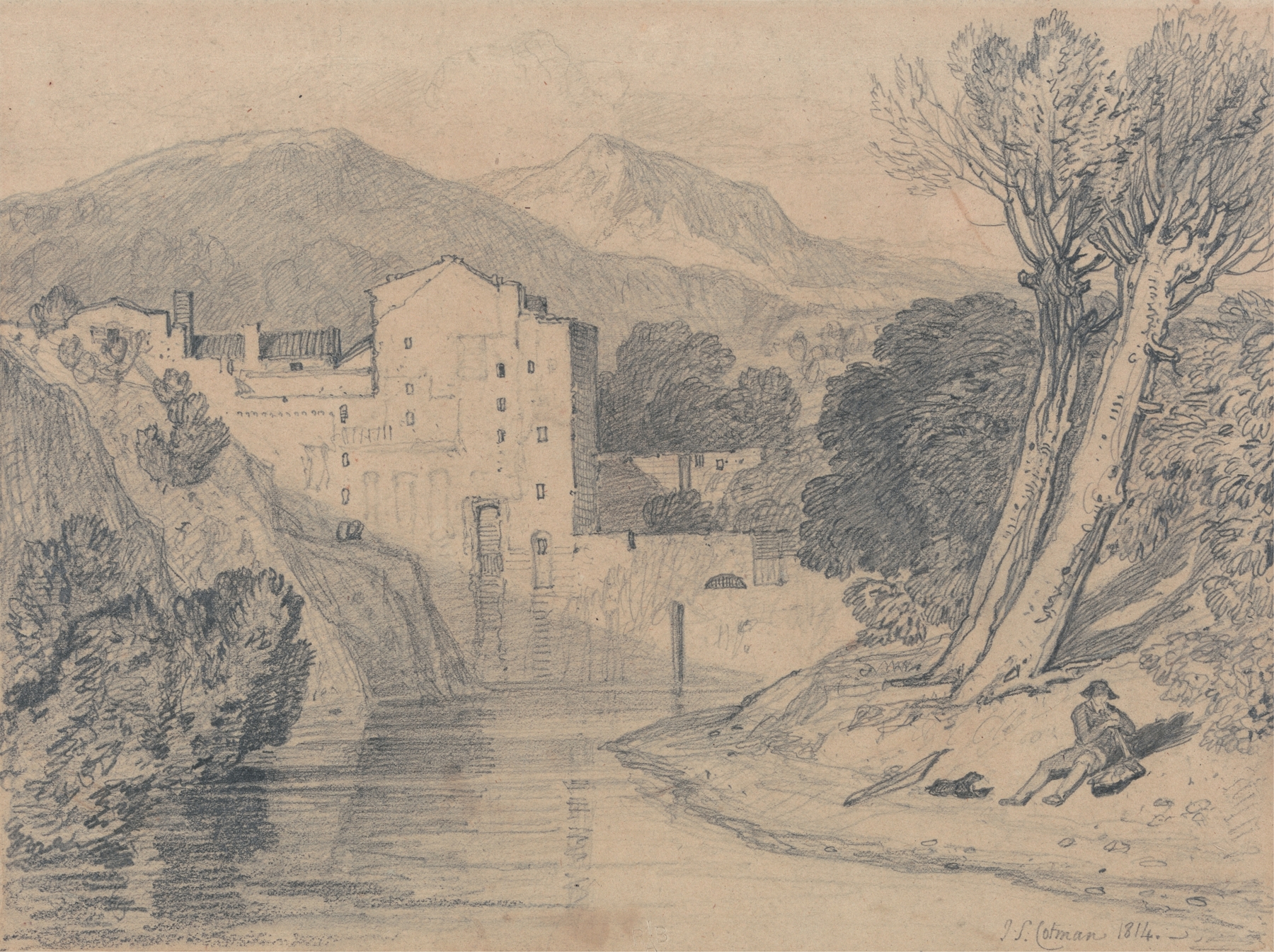
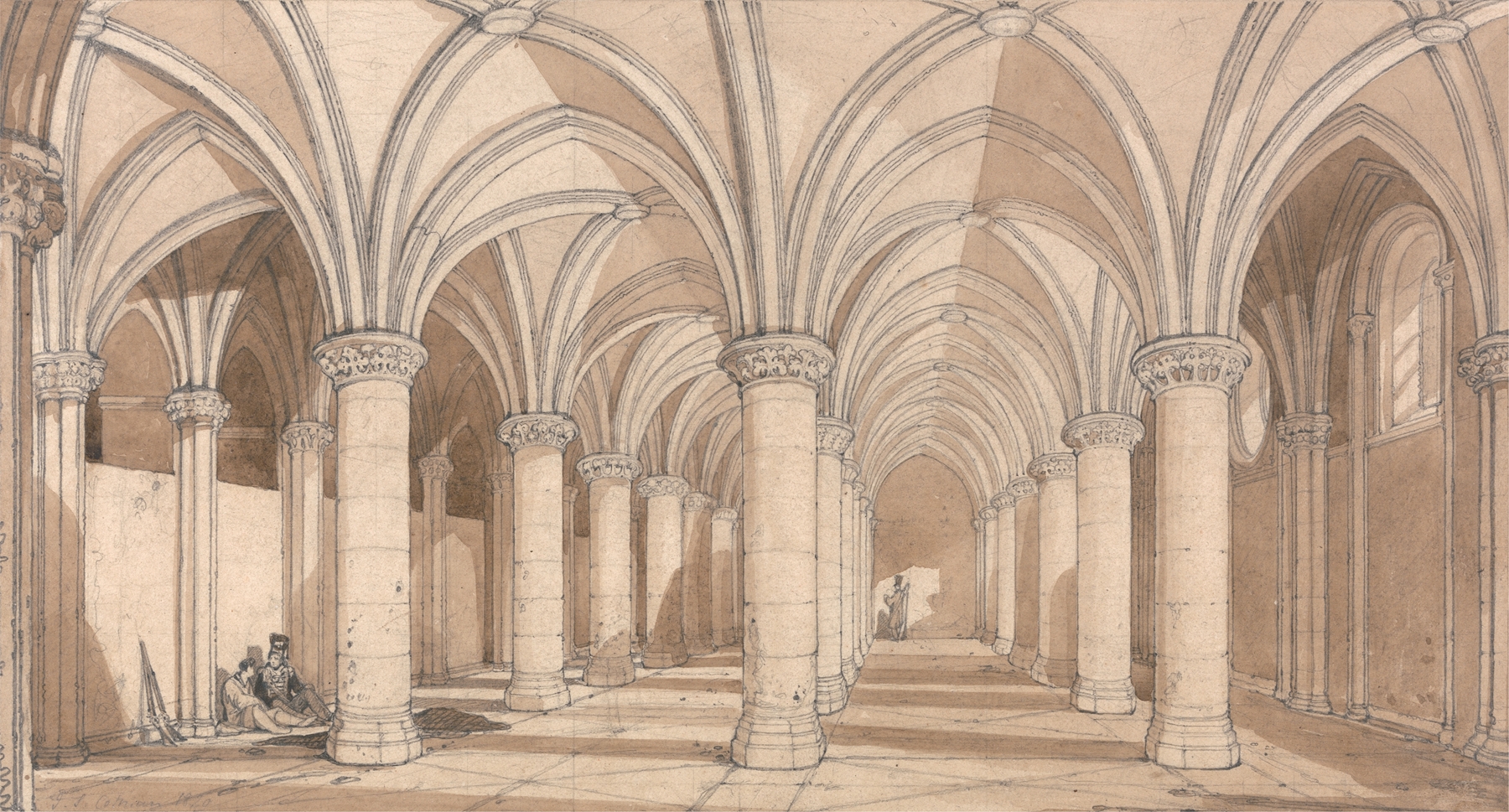
What if silence could speak through light? In Gate-way, Saint Mary’s Wiggenhall, Norfolk, the interplay of illumination and shadow unveils a revelation that lingers long after the viewing. This artwork invites contemplation, offering a dialogue between the intricate details of the gate and the serene surroundings that cradle it. Look to the center, where the weathered gate stands resolute, its wooden beams etched with time.
The soft, muted colors of the landscape frame this focal point, drawing your gaze towards the delicate archway that beckons but does not fully reveal what lies beyond. Notice how the gentle light filters through the foliage, casting dappled shadows that dance playfully across the ground, creating a contrast between the solidity of the gate and the ephemeral quality of the moment captured. The painting embodies both hope and hesitation, suggesting the threshold between the known and the unknown. The archway serves as a metaphorical gateway, inviting viewers to ponder what lies on the other side—questions of faith, potential, and the passage of time.
The nuanced expression of light itself becomes a character, illuminating the textures of the wood and the lush greenery, while simultaneously cloaking the background in a soft mystery that invites deeper exploration. John Sell Cotman created this piece in 1818 while he was residing in Norfolk, a period marked by his deepening exploration of landscape painting. At the time, he was influenced by the changing tides of the art world, moving away from classical representations towards a more personal and emotive style. This artwork reflects not only his artistic journey but also the serene beauty of the English countryside that inspired many of his works.