Gerechtigheid (Justitia) — History & Analysis
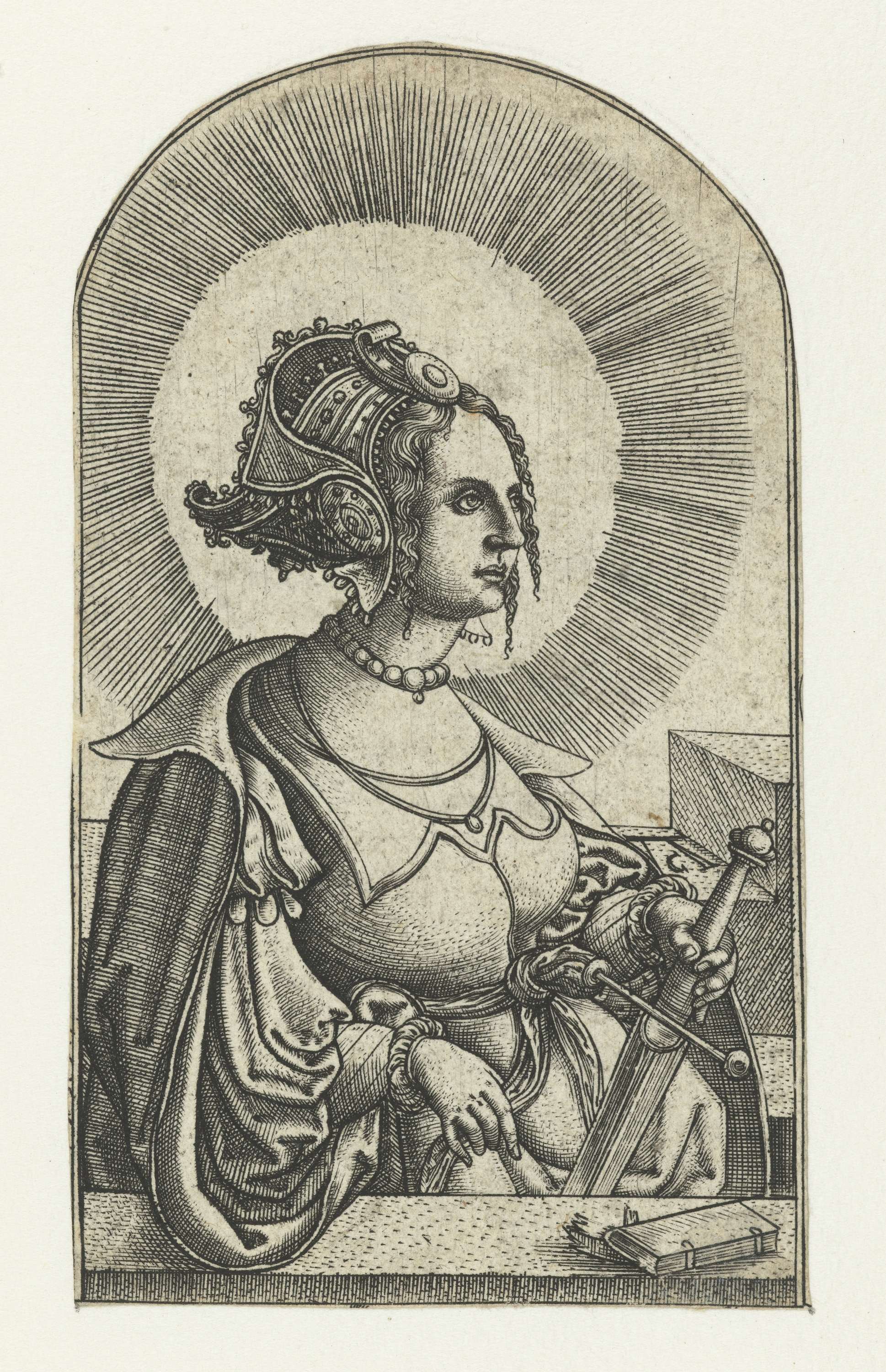
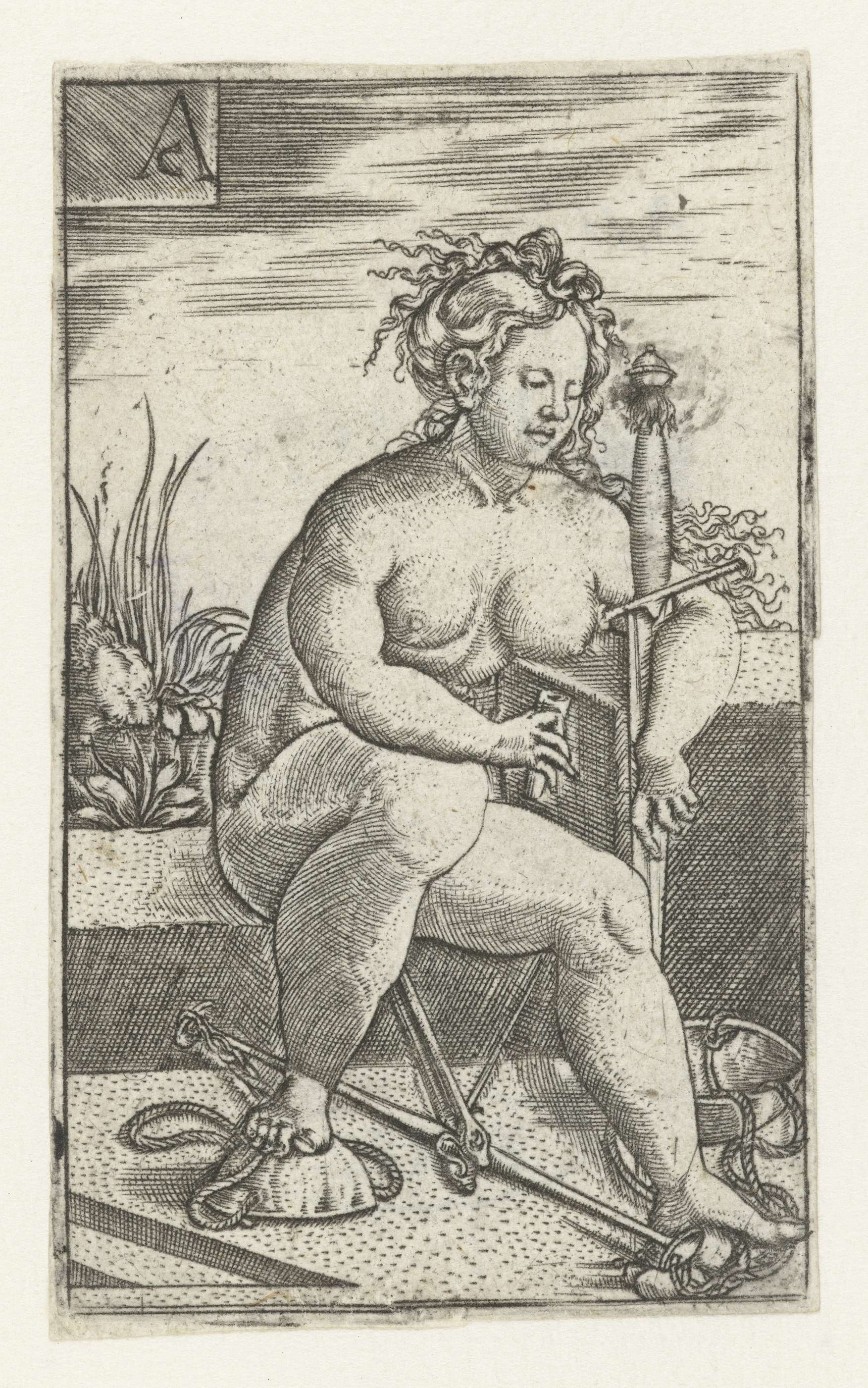
What secret hides in the quiet of the canvas? In a world often defined by chaos, the stillness of this piece invites introspection, challenging us to ponder the weight of justice and the fates that intertwine within it. Look to the center, where the figure of Justitia stands resolutely, her gaze fixed upon the viewer. Notice the balanced scale in her left hand, a powerful symbol of equity, while the sword in her right suggests swift action and consequence. The subtle interplay of light and shadow softens her features, imparting a sense of both strength and vulnerability.
Rich hues of gold and deep blues envelop her, creating a sense of reverence, yet an underlying tension hints at the dual nature of justice itself. The contrast between light and dark not only enhances the figure's presence but also embodies the moral dilemmas inherent in judgment. Each element—the scale, the sword, even Justitia’s expression—carries a narrative of destiny hanging in the balance. The artist captures the tension between impartiality and bias, reminding us that justice is often shaped by the complexities of human experience.
One cannot help but feel the unrelenting gaze of fate watching over the unfolding drama of existence. The creator of this work, a nameless monogrammist active in the 16th century, crafted this piece during a tumultuous period in European history. The Reformation was challenging existing beliefs, and questions of morality and ethics were fiercely debated. This artwork reflects the era's grappling with the ideals of justice and order, embodying both the societal struggles and the artist's response to the evolving landscape of faith and governance.