Echtpaar met de Dood — History & Analysis
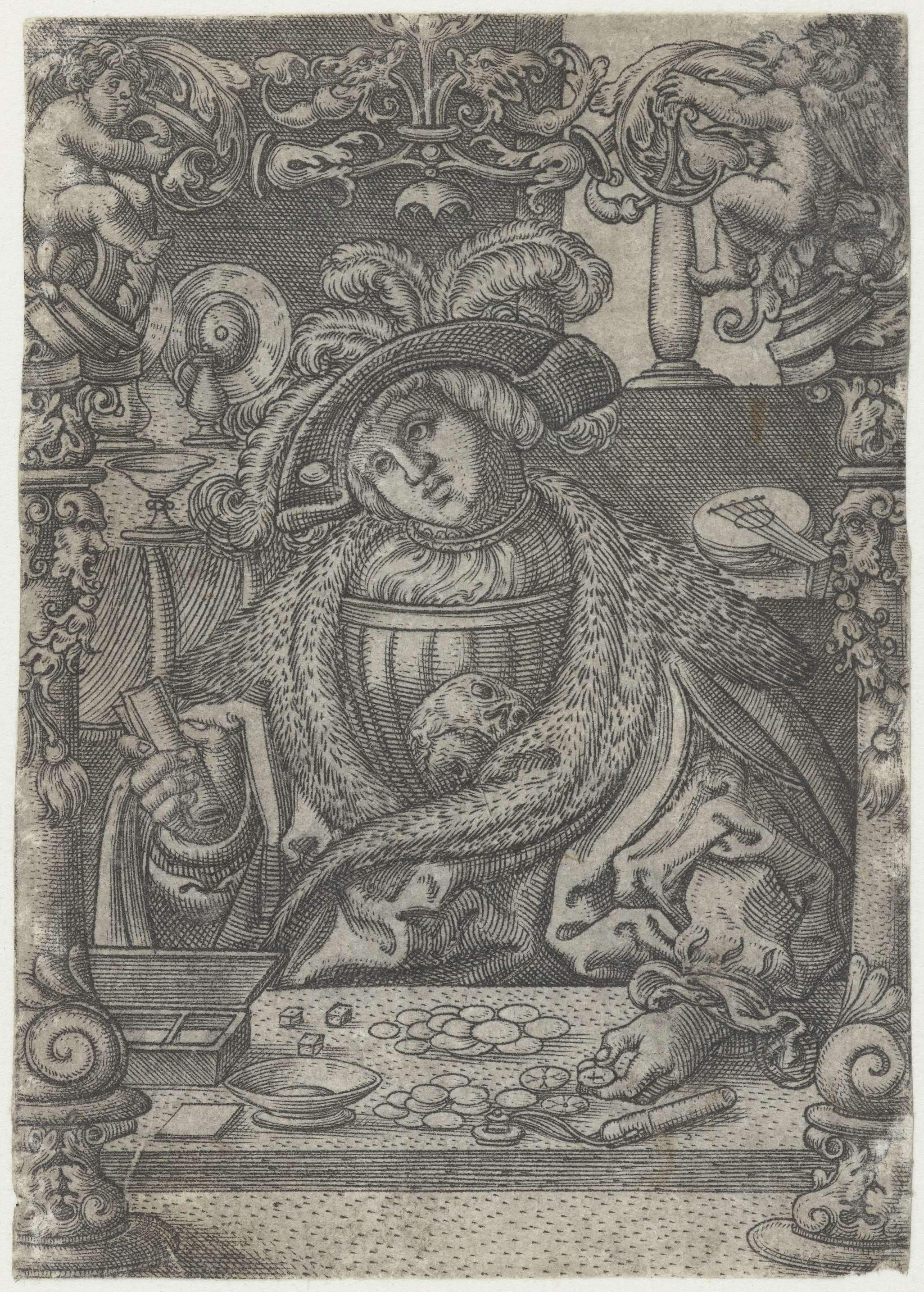
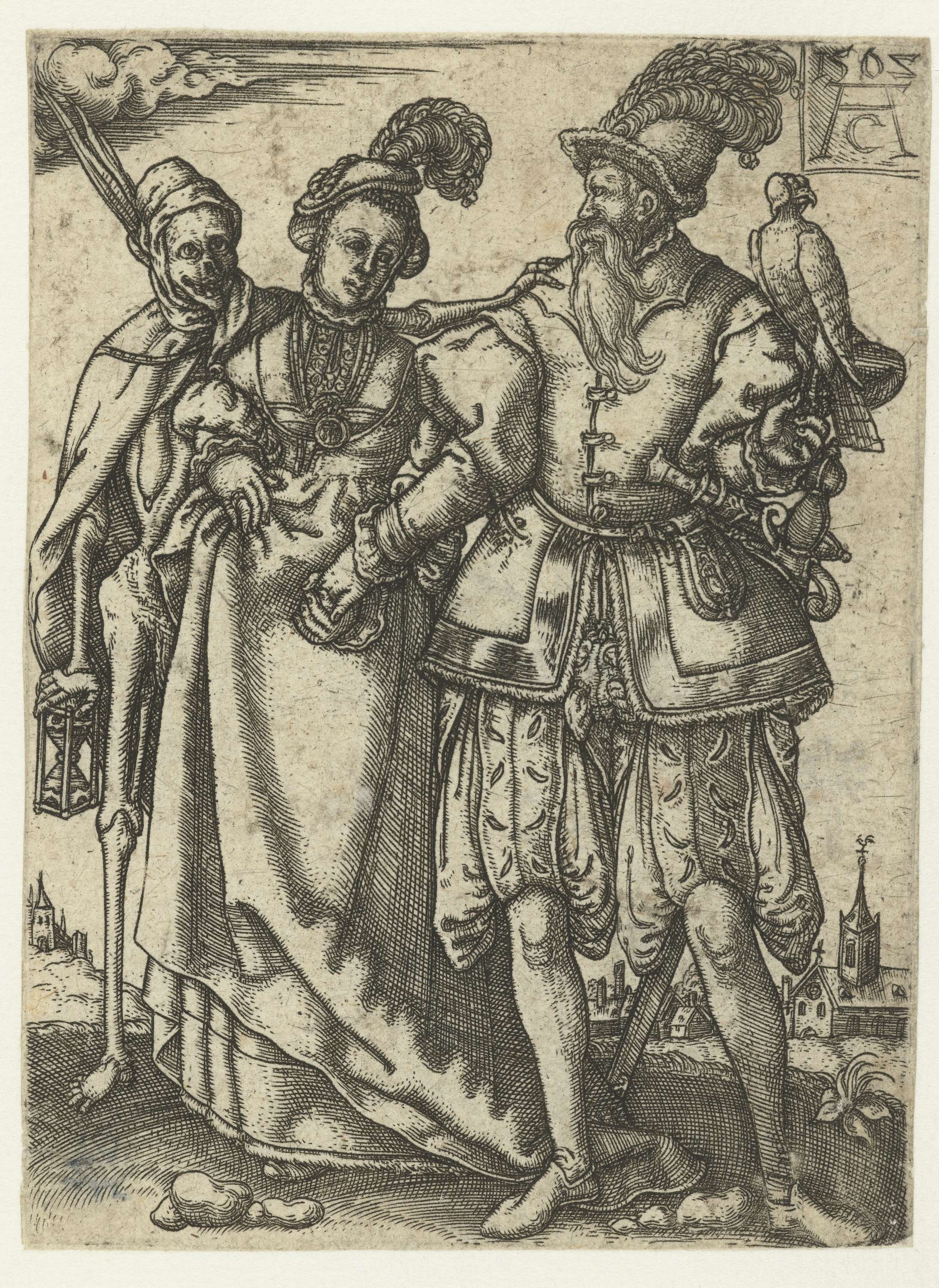
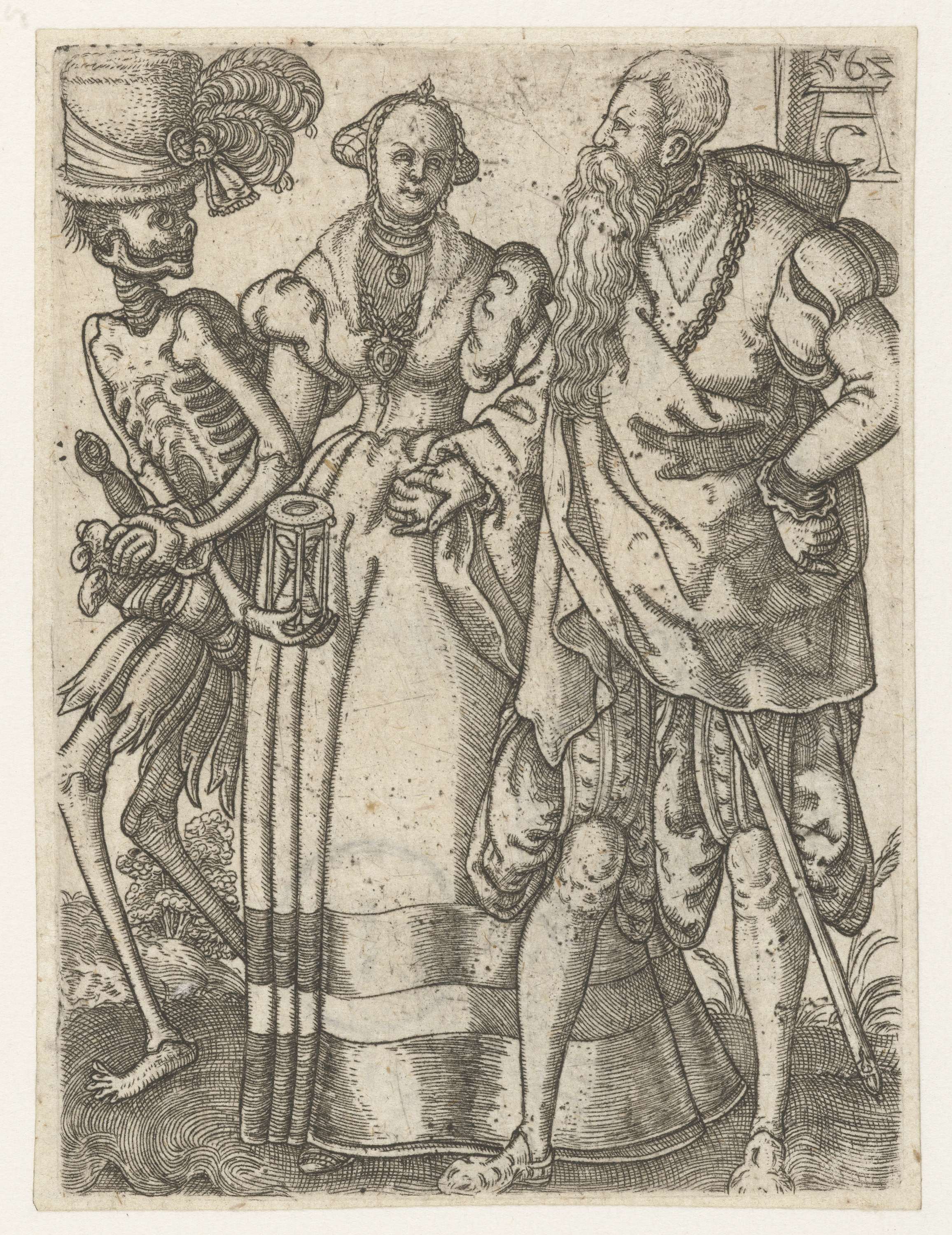
Did the painter know this moment would outlive them? In a world where lives are fleeting, Echtpaar met de Dood captures a moment infused with an eerie stillness, echoing the isolation felt in our deepest hours. Look closely at the central couple, their expressions frozen in a dance with fate. The stark contrast of the darkened figure of Death looming behind them commands immediate attention, while the soft light envelops the couple, creating a poignant juxtaposition. Notice the intricate details in the fabric of their garments, each stitch a whisper of life's richness, yet they stand at the precipice of mortality.
The use of rich colors against the somber background heightens the emotional tension, inviting the viewer to ponder the fragility of existence. Delve deeper into the painting, and you’ll find layers of meaning. The couple, although appearing together, embodies a profound loneliness, each gaze turned inwards, as if their thoughts are miles apart, separated by the very shadow of Death. This duality is emphasized by the flowers at their feet, symbols of life’s beauty and inevitable decay.
The artist’s choice to represent Death not as a malevolent force but as a mere observer reflects a nuanced understanding of life's transience, urging us to confront our mortality even in moments of intimacy. Created in 1562, this work emerged during a time of both artistic flourishing and existential contemplation in Europe. The artist, a mysterious monogrammist, captured a cultural milieu rife with reflections on life and death, influenced by the Renaissance's exploration of human experience. While the exact circumstances of their life remain obscured, the painting stands as a testament to an era grappling with profound philosophical questions, leaving an indelible mark on the canvas of art history.