Echtpaar met de Dood — History & Analysis
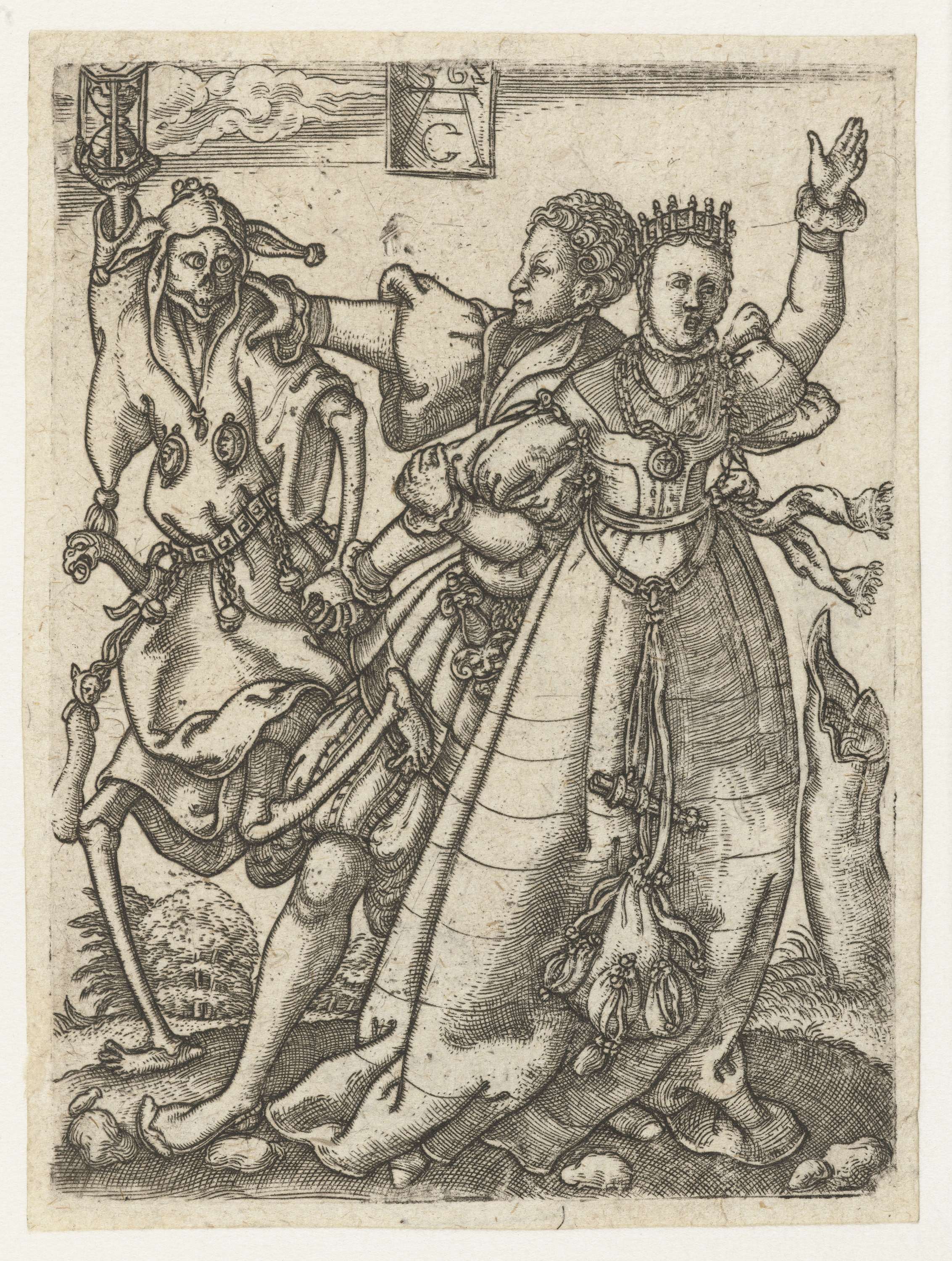
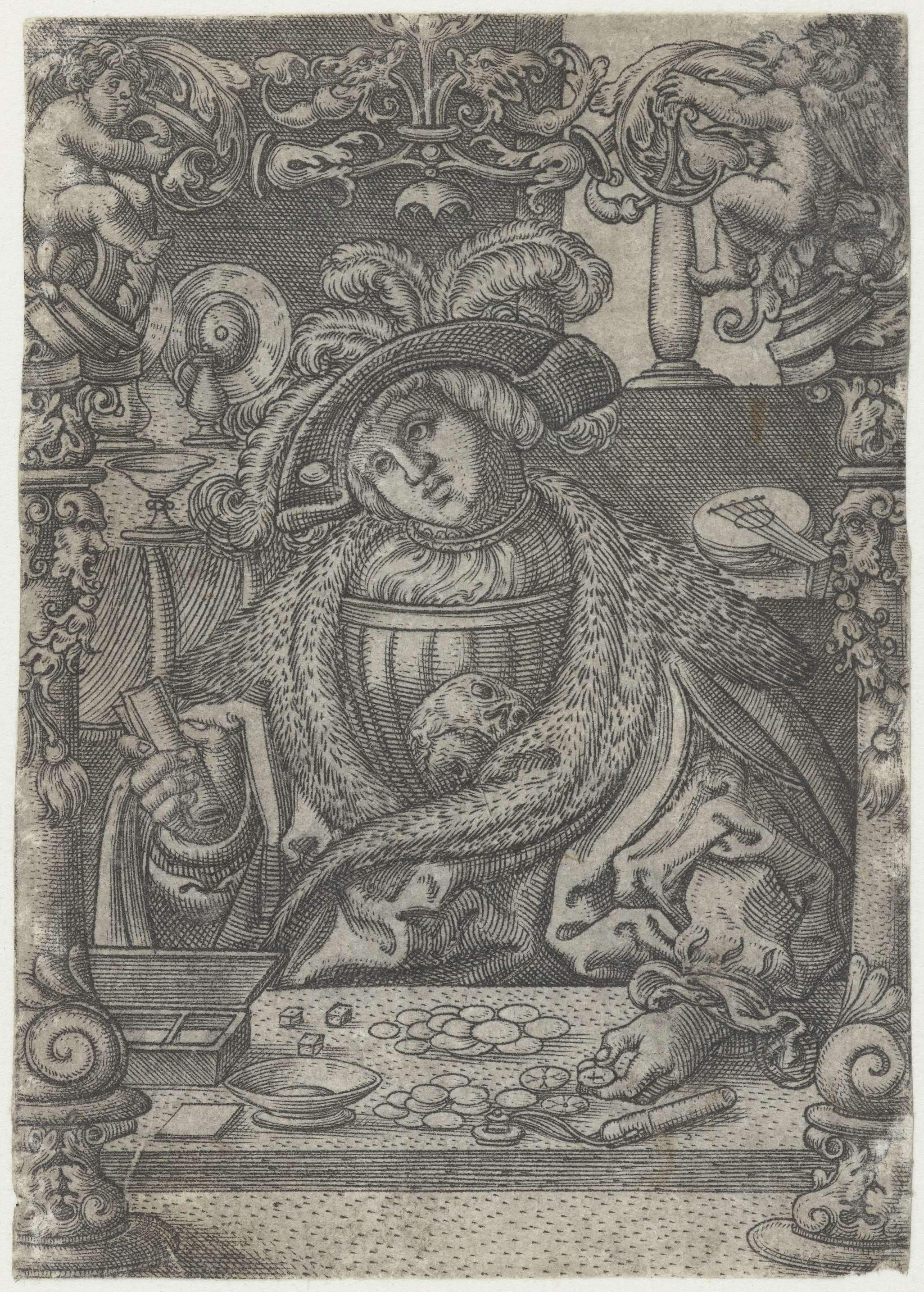
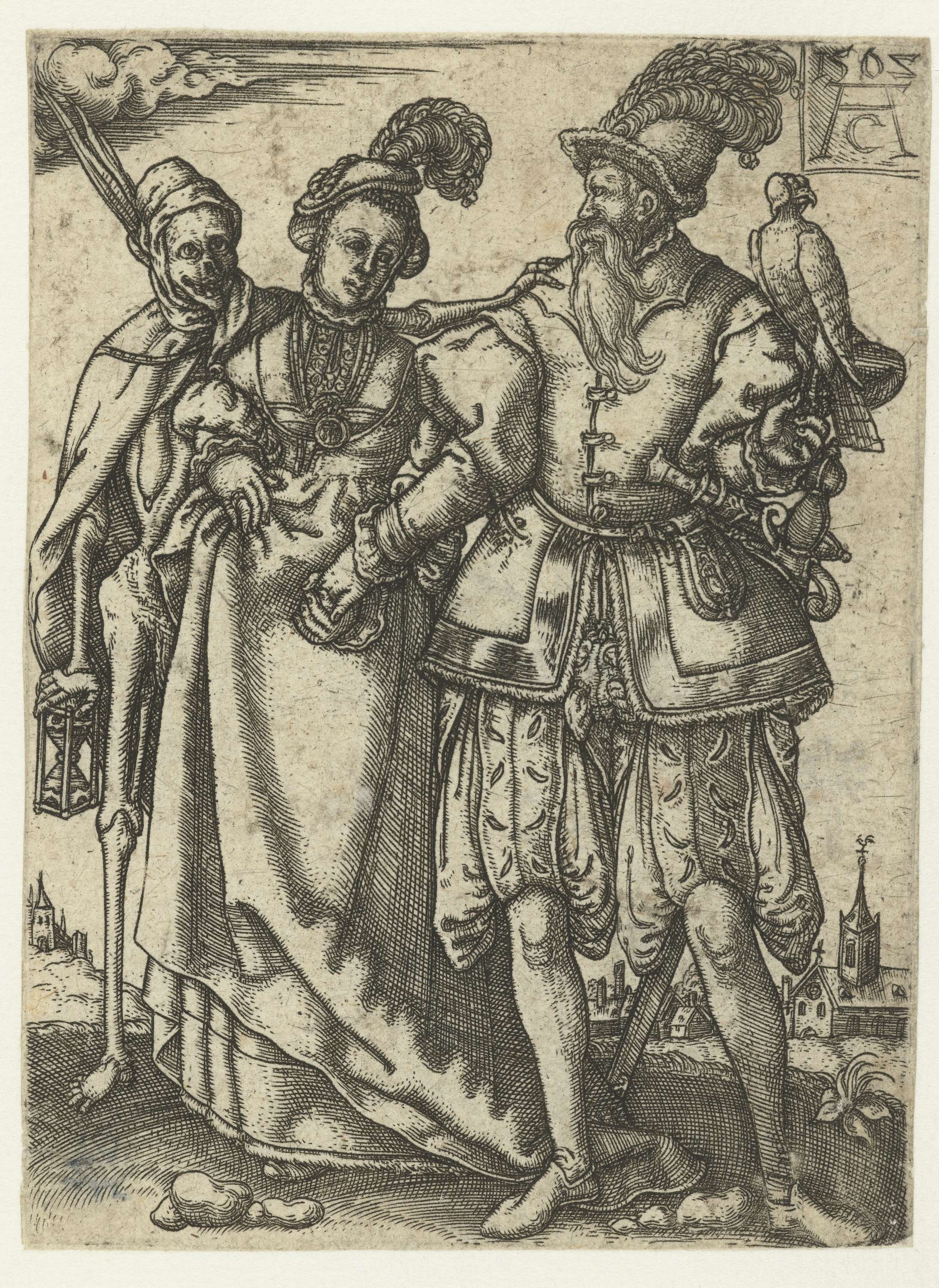
Who listens when art speaks of silence? In the hushed presence of Echtpaar met de Dood, the viewer is invited to contemplate mortality, a theme that resonates deeply across time. Look to the center, where a couple stands locked in an embrace, their expressions a blend of serenity and unease. The subtle brushwork reveals the intricate details of their clothing, capturing not just fabric but status and identity.
Notice how the somber palette envelops them, with deep browns and muted reds, contrasting the pale figure of Death lurking just behind. The light subtly caresses the couple’s faces, illuminating their intimacy while casting shadows that hint at the fragility of life. As you observe the details, consider the significance of the couple’s entwined hands—an affirmation of love against the backdrop of inevitable separation. Death’s skeletal form embodies the ever-looming presence of mortality, reminding us that even in moments of love, the specter of loss is inescapable.
This juxtaposition invokes a tension between life and the quiet acceptance of fate, prompting reflections on how we engage with our own ephemeral existence. The artist, known only as Monogrammist AC, created this poignant work in 1562, a time when the Renaissance’s exploration of human emotion and anatomy was flourishing. Working in the Northern Netherlands, the artist was part of a broader cultural movement that sought to grapple with themes of life and death, reflecting societal anxieties about mortality during an era of religious upheaval and shifting worldviews.