Heilige Catharina — History & Analysis
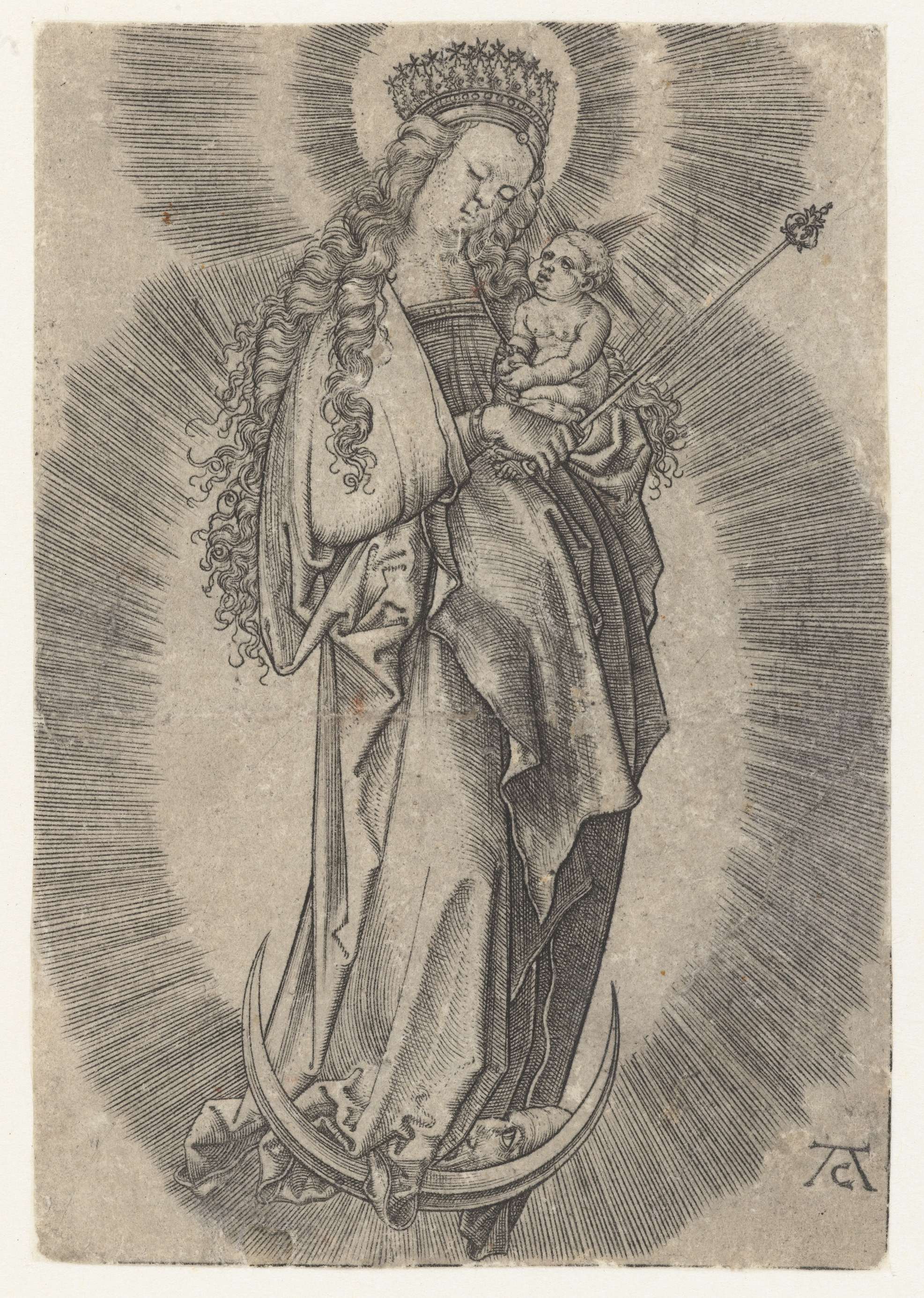
“Sometimes beauty is just pain, disguised in gold.” In Heilige Catharina, the viewer finds a striking portrayal of layered sorrow and reverence, encapsulated in the stillness of this Renaissance masterpiece. Look closely at the central figure, adorned in rich garments that gleam with an opulence heightened by the artist’s deft use of gold leaf. Her expression is solemn yet resolute, inviting us to examine the delicate hands that cradle the martyr's wheel — a symbol of her suffering.
Notice how the intricate folds of her robe cascade down, conveying both grace and a weight of loss, illuminating the tension between beauty and heartache. The background is a tapestry of muted tones that echo the quietude of the figure, suggesting a world distant from the vibrant life she represents. The contrast between her vivid attire and the shadowy backdrop enhances the sense of isolation, as if she stands at the intersection of earthly existence and divine sacrifice.
Each detail, from the subtle highlights on her face to the meticulously rendered textures, reinforces the emotional dissonance lingering in the air. The artist, a monogrammist active in the 16th century, created Heilige Catharina during a time when religious themes dominated the European art scene, often mirroring personal and collective trials. In this era marked by Reformation and turmoil, such depictions served not only as devotion but also as a reflection of the artist's own experience of loss and faith amidst uncertainty.