Portret van een jongeman (Vanitas) — History & Analysis
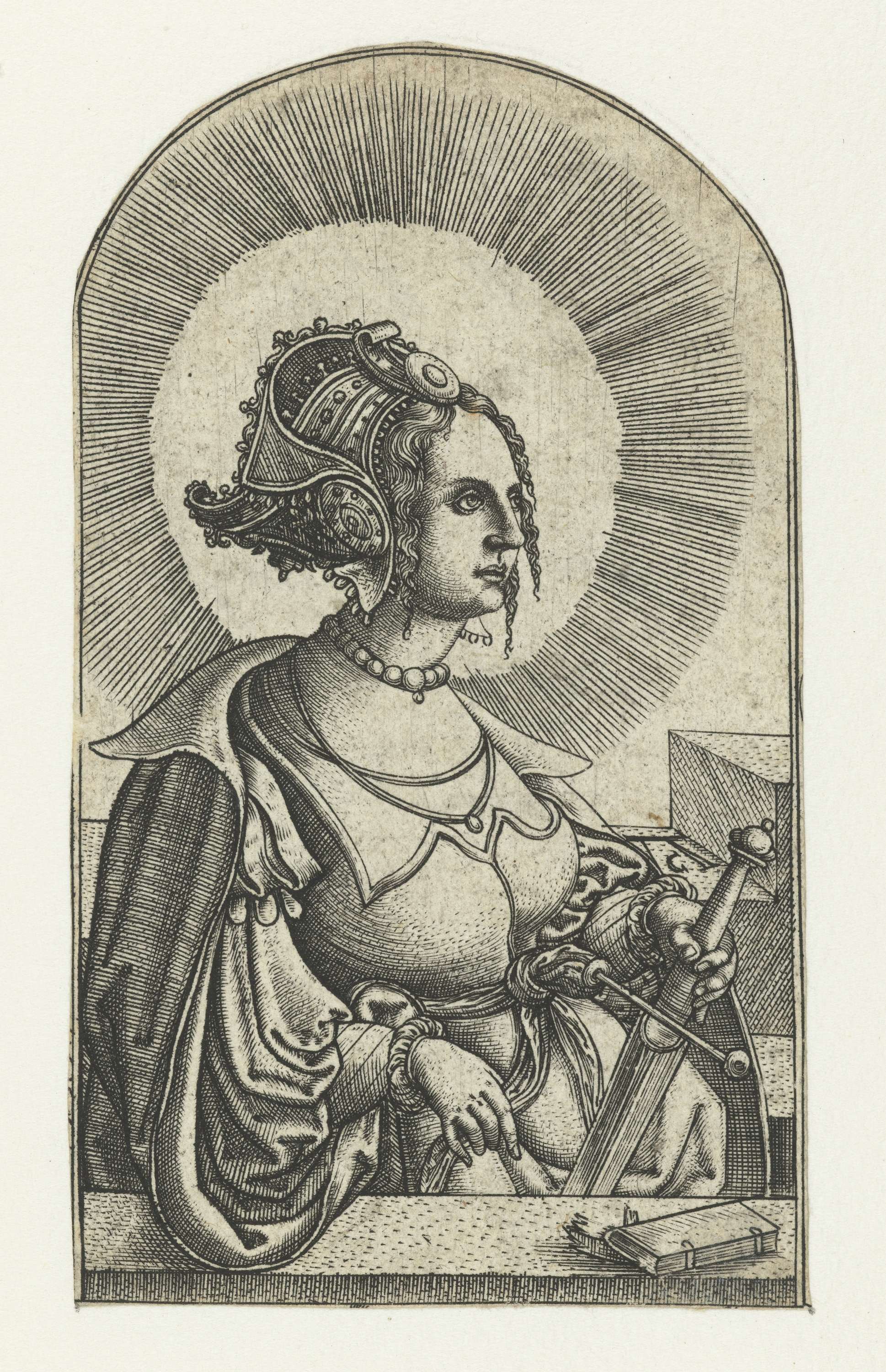
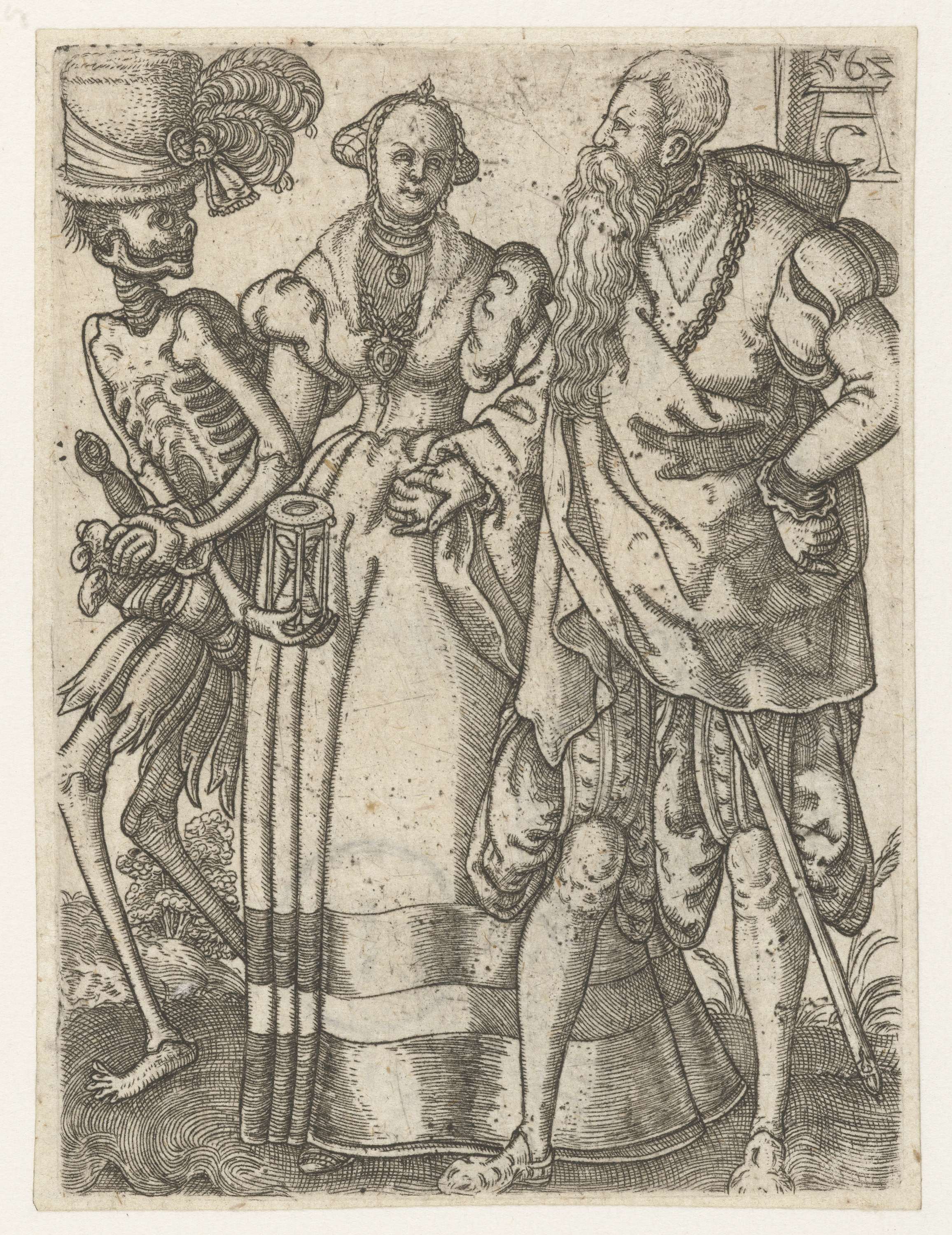
“Sometimes beauty is just pain, disguised in gold.” Within the delicate confines of a portrait lies a haunting reminder of mortality, where youth dances perilously close to its inevitable end. Look closely at the young man's face, framed by the rich, dark tones of his attire. Notice how the soft light caresses his skin, illuminating the subtle imperfections that whisper of a fleeting beauty. His downcast eyes, though captivating, hint at an inner tumult, revealing the tension between the vibrancy of life and the shadow of loss.
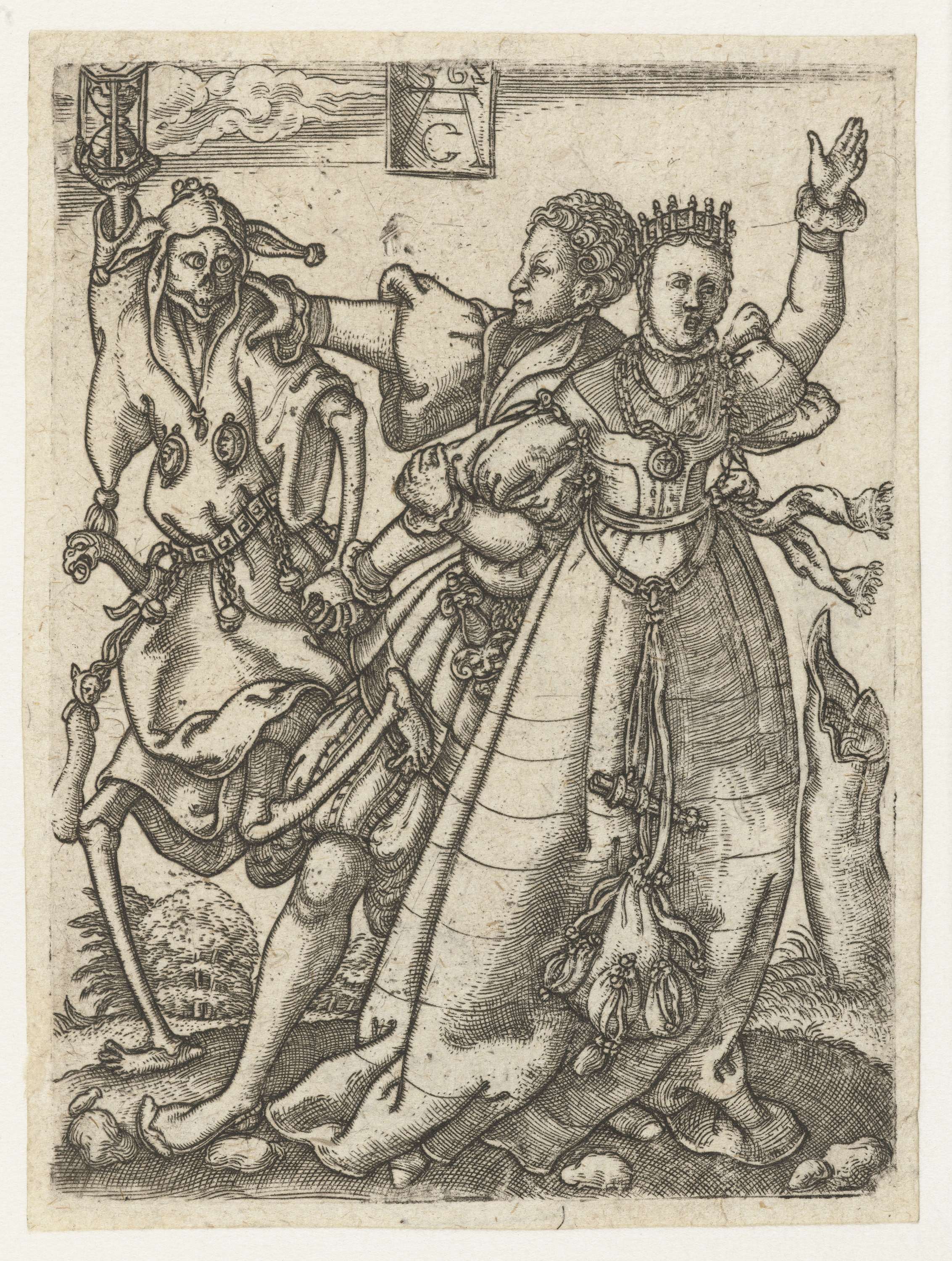
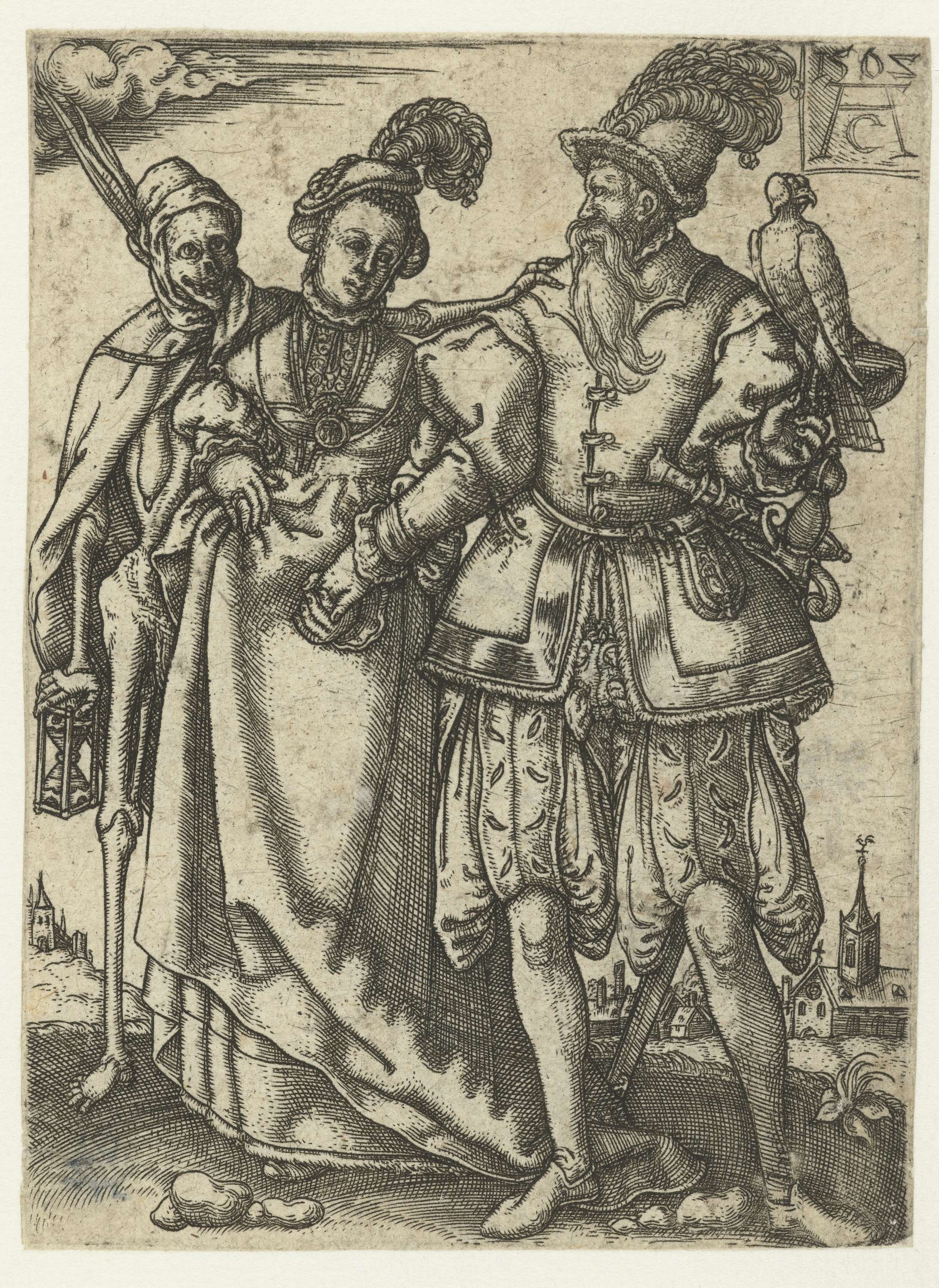
Every brushstroke carries an emotion, capturing a moment suspended in time, while the elaborate vanitas symbols serve as an opulent reminder of the transience of existence. The composition speaks volumes: the ethereal beauty of youth stands juxtaposed against the somber reminders of mortality. The ornamental motifs—a skull, wilting flowers, and a timeless hourglass—invite contemplation on the fragility of life. Each detail, meticulously rendered, reinforces a somber truth: no matter how adorned we appear, we are all bound by the same fate.
The young man's expression oscillates between confidence and melancholy, suggesting an awareness of impending loss, enriching the visual narrative with depth. Crafted by the anonymous Monogrammist AC between 1520 and 1562, this striking portrait embodies the artistic climate of the Northern Renaissance, a period marked by a burgeoning interest in humanism and intricate symbolism. The artist's choice to focus on vanitas themes reflects societal preoccupations with mortality, as Europe grappled with the consequences of religious upheaval and existential contemplation. In this work, the artist not only captures the beauty of youth but also offers a poignant meditation on the fragility of existence itself.