Allegorie van Tijd en Fortuin — History & Analysis
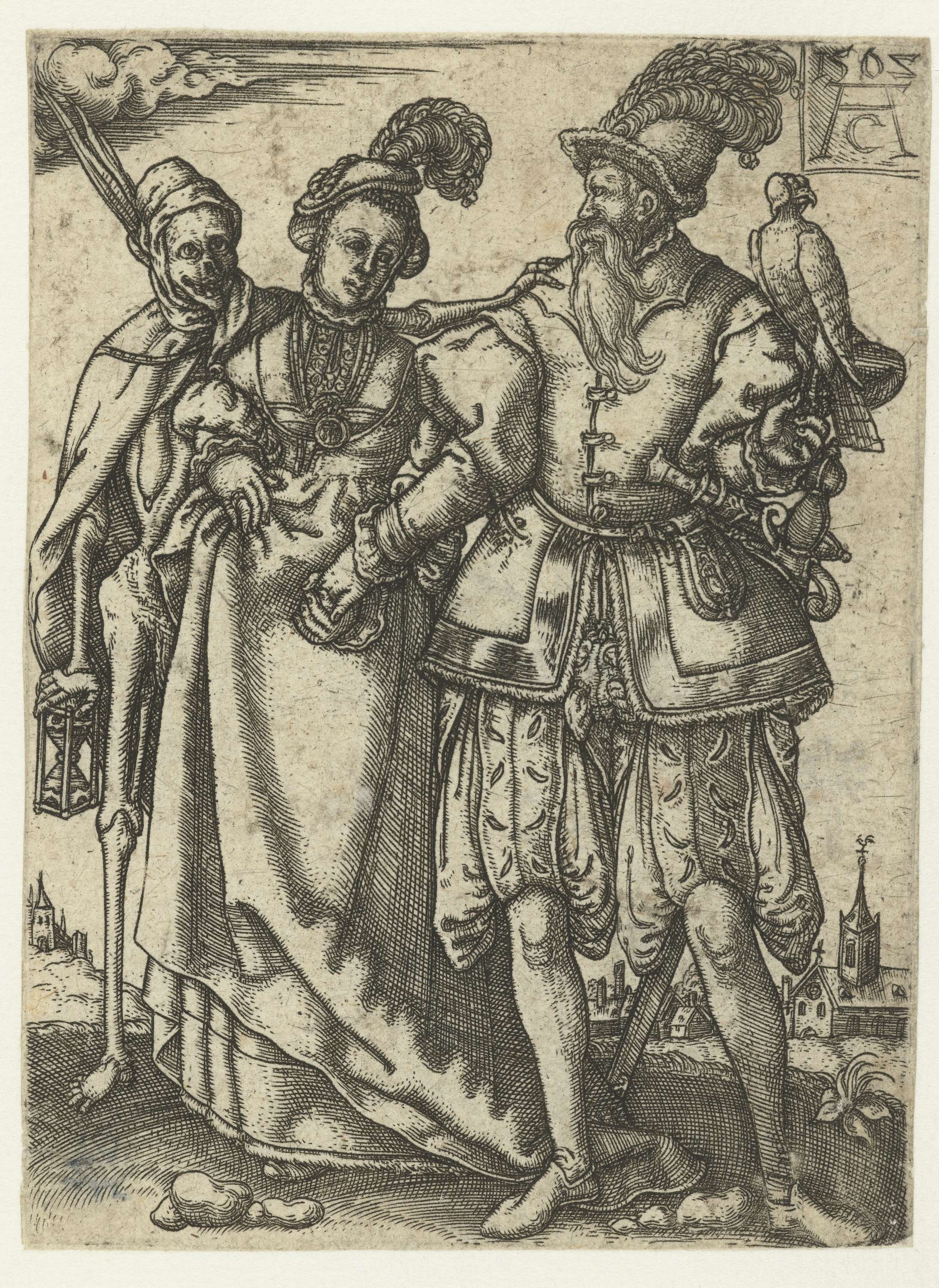
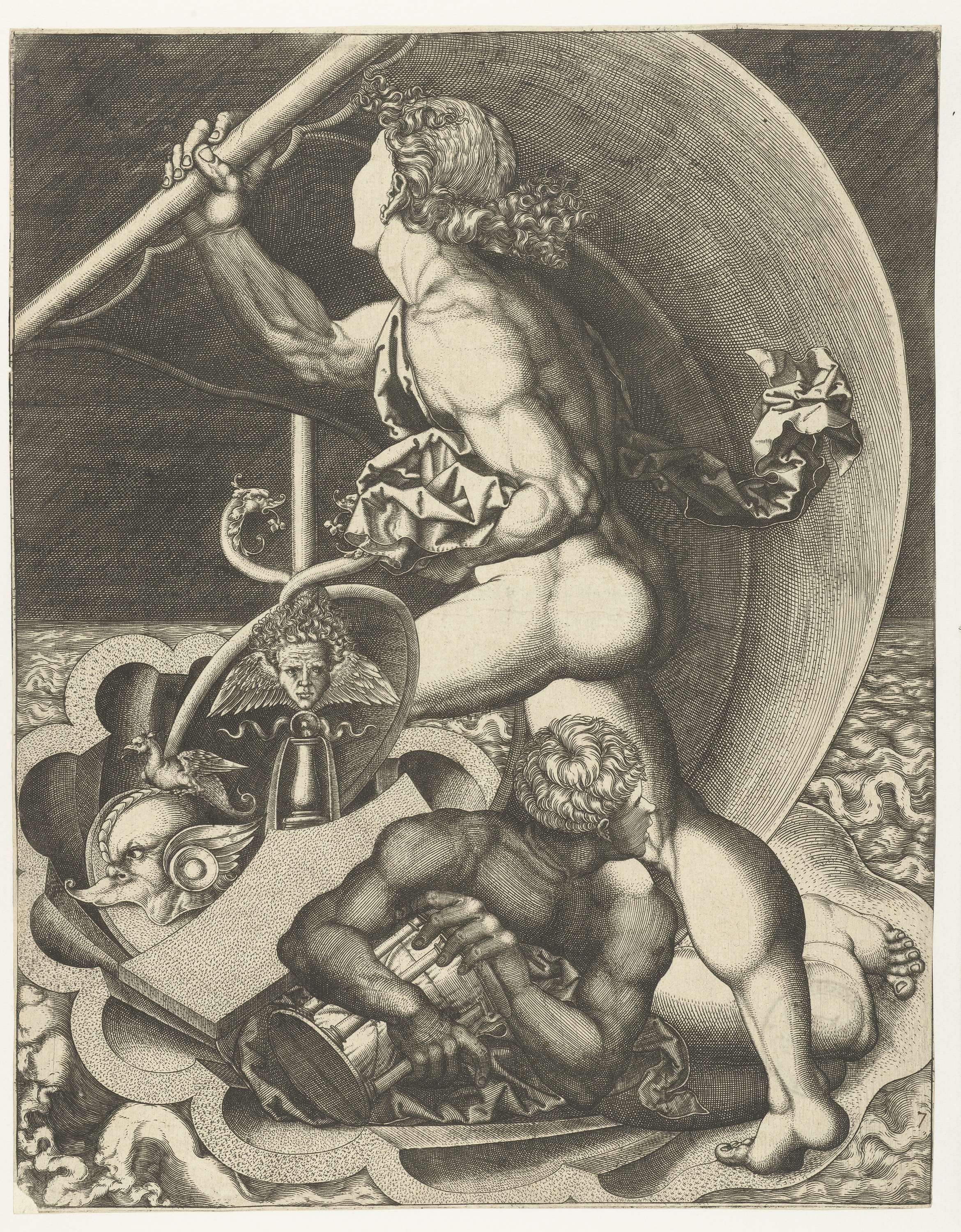
Could beauty survive in a century of chaos? Allegorie van Tijd en Fortuin invites us to ponder this profound question through its intricate symbolism and masterful execution. Focus first on the central figures, where Time and Fortune are depicted with a delicate balance of movement and stillness. The rich palette of golds and deep blues emphasizes the opulence of the moment while creating a stark contrast against the muted backgrounds.
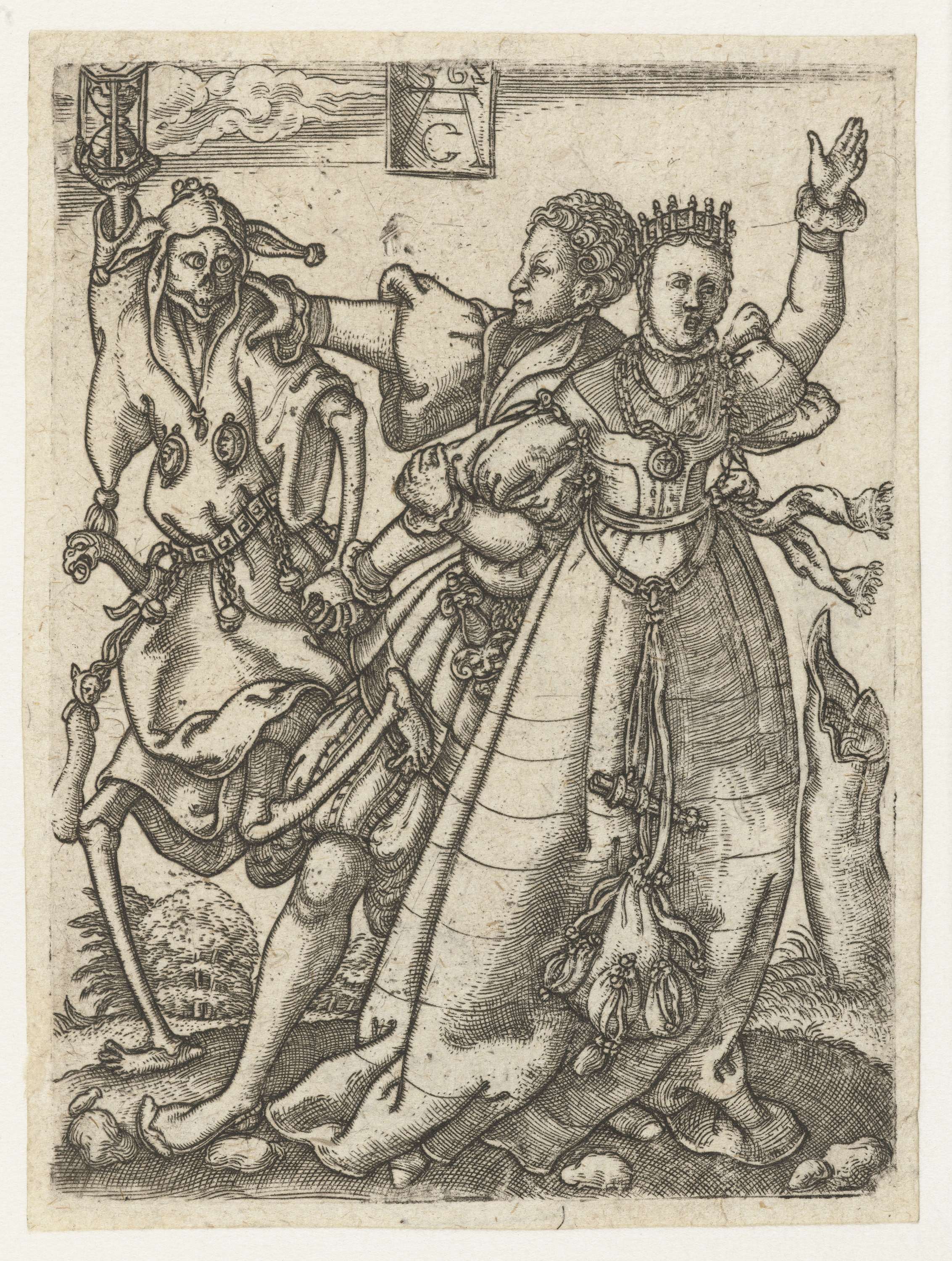
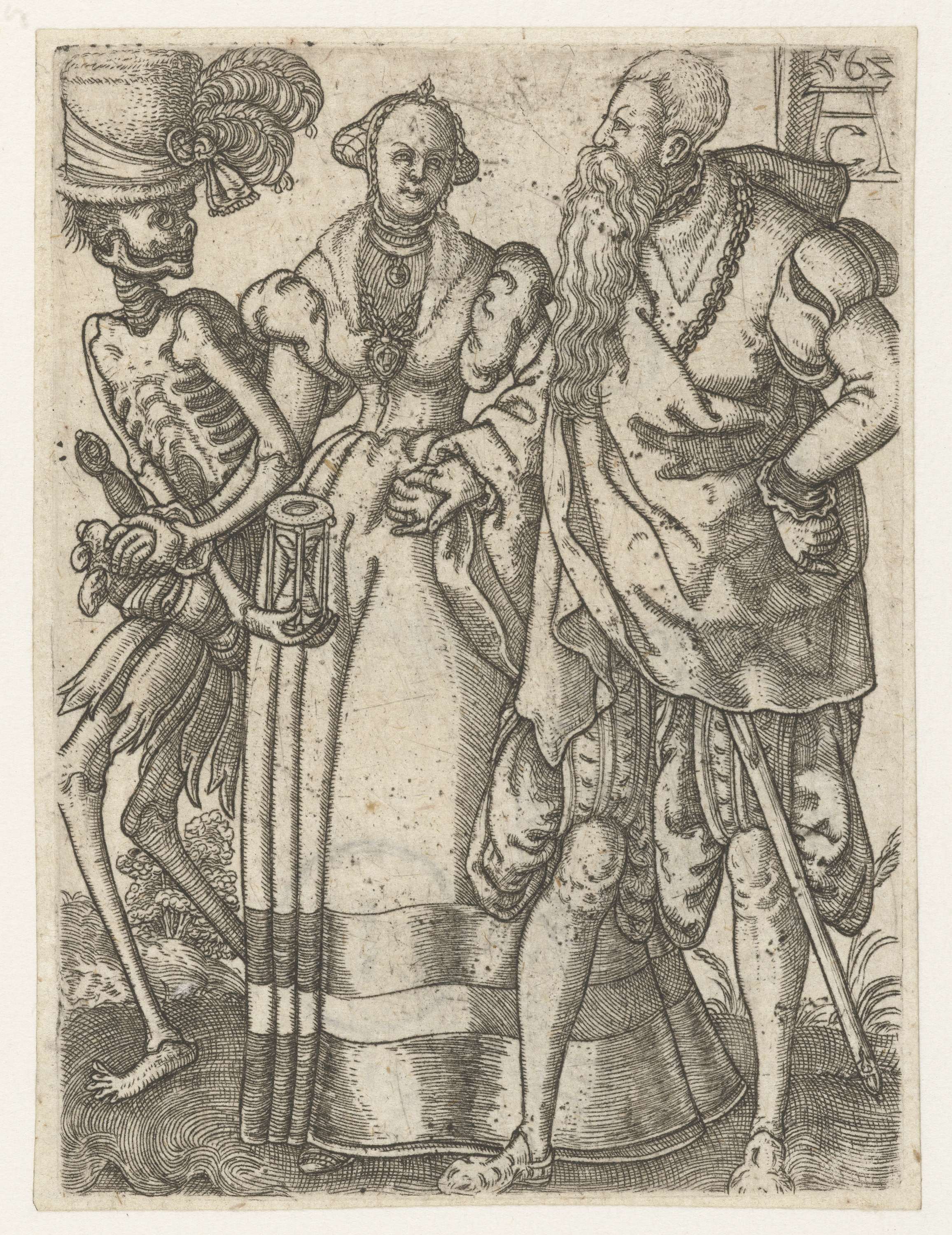
Notice how the flowing drapery captures the light, lending an ethereal quality, while their expressions reveal a dialogue between inevitability and chance. The juxtaposition of Time’s rigid hourglass and Fortune’s capricious wheel speaks to the tension between fate and free will. This duality is echoed in the surrounding elements—a skeletal figure, suggesting mortality, lurks in the shadows, hinting at the inescapable passage of time. Each detail, from the intricate patterns of clothing to the serene yet alert posture of the figures, reinforces the theme that life is a constant negotiation between what we can control and what we cannot.
Painted during the Renaissance, when humanism flourished, the anonymous artist encapsulated the era's anxiety amid social upheaval. In the years between 1520 and 1562, the European continent grappled with religious conflicts and the redefinition of self-worth. In creating this piece, the artist not only showcased technical skill but also engaged in a broader dialogue about stability and chaos, reflecting the tumultuous spirit of their time.