Gevecht tussen Romeinse soldaten — History & Analysis
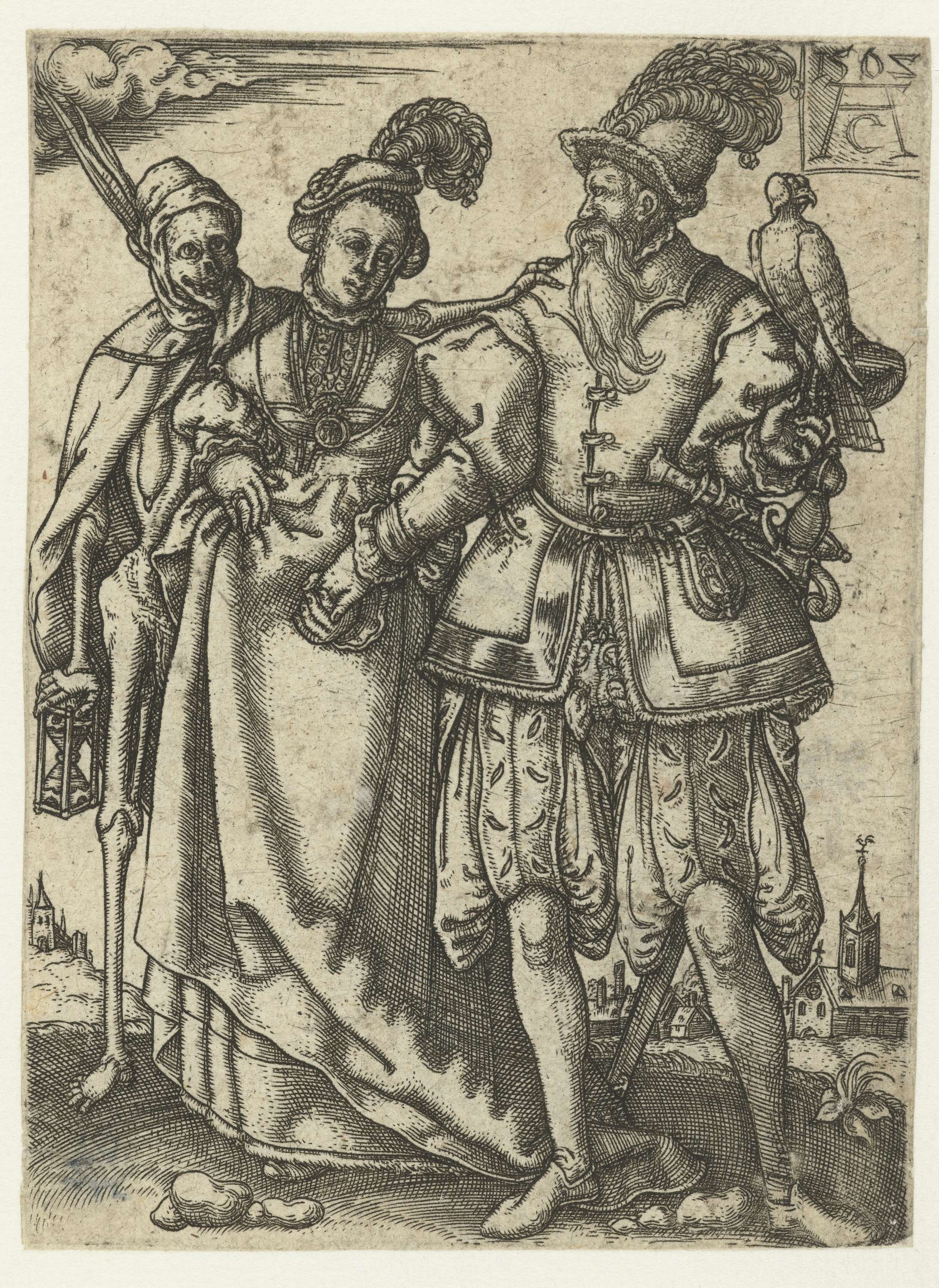
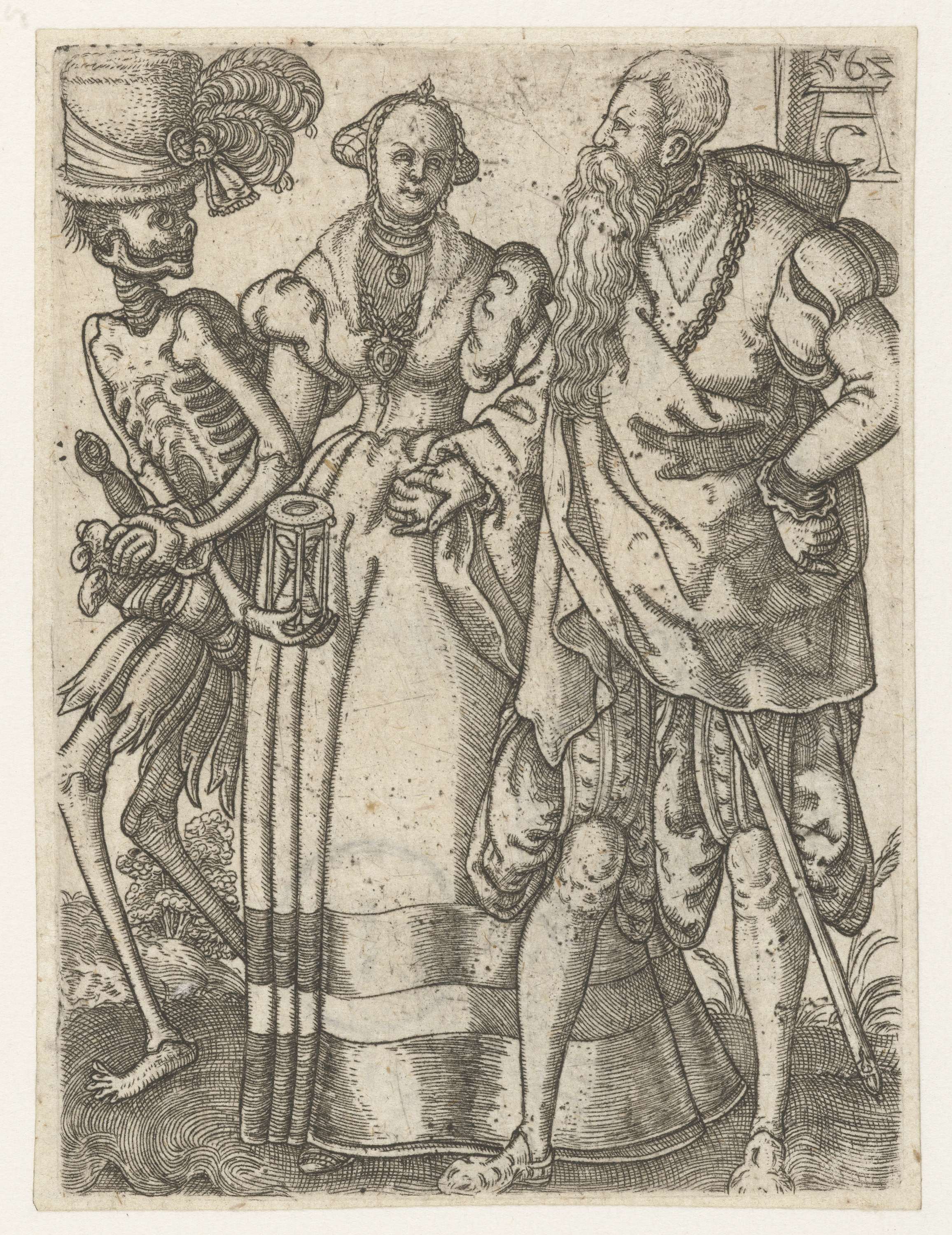
When did color learn to lie? In the vibrant chaos of Monogrammist AC’s Gevecht tussen Romeinse soldaten, the hues pulse and flicker, beckoning you into a world where fragility and vigor clash relentlessly. Here, amid the tumultuous fight, the very essence of battle is rendered through a delicate palette — a paradox that invites contemplation. Look to the left at the soldier gripping his sword, muscles taut, his expression a fierce blend of determination and fear. Notice how the light dances across his armor, casting glimmers that suggest both strength and vulnerability.
The brushwork reveals a meticulous attention to detail, from the intricate patterns on the soldiers' garments to the swirling clouds overhead, each stroke echoing the tension of the moment. The composition pulls the viewer's eye through the fray, drawing attention to the juxtaposition of lively colors against the dark undertones of conflict. In this artwork, contrasts abound; the vibrancy of the colors stands in stark opposition to the underlying theme of fragility inherent in human conflict. The soldiers, though depicted in dynamic poses, are not invulnerable heroes but rather threads in the frail fabric of war. The fragility of their existence is emphasized by the ephemeral effects of light, which also hints at the fleeting nature of glory and victory in battle.
This tension invites a reflection on the cost of valor, suggesting that strength is often laced with inevitable vulnerability. Created between 1520 and 1562, this piece finds its origins in a time when Europe was caught in the throes of political upheaval and artistic transformation. The artist, operating within the burgeoning Northern Renaissance, was influenced by the tension between humanism and the realities of the world around him. The work reflects a moment when artists began exploring deeper emotional landscapes, inviting viewers to not only witness the conflict but to ponder its ramifications on the human soul.